

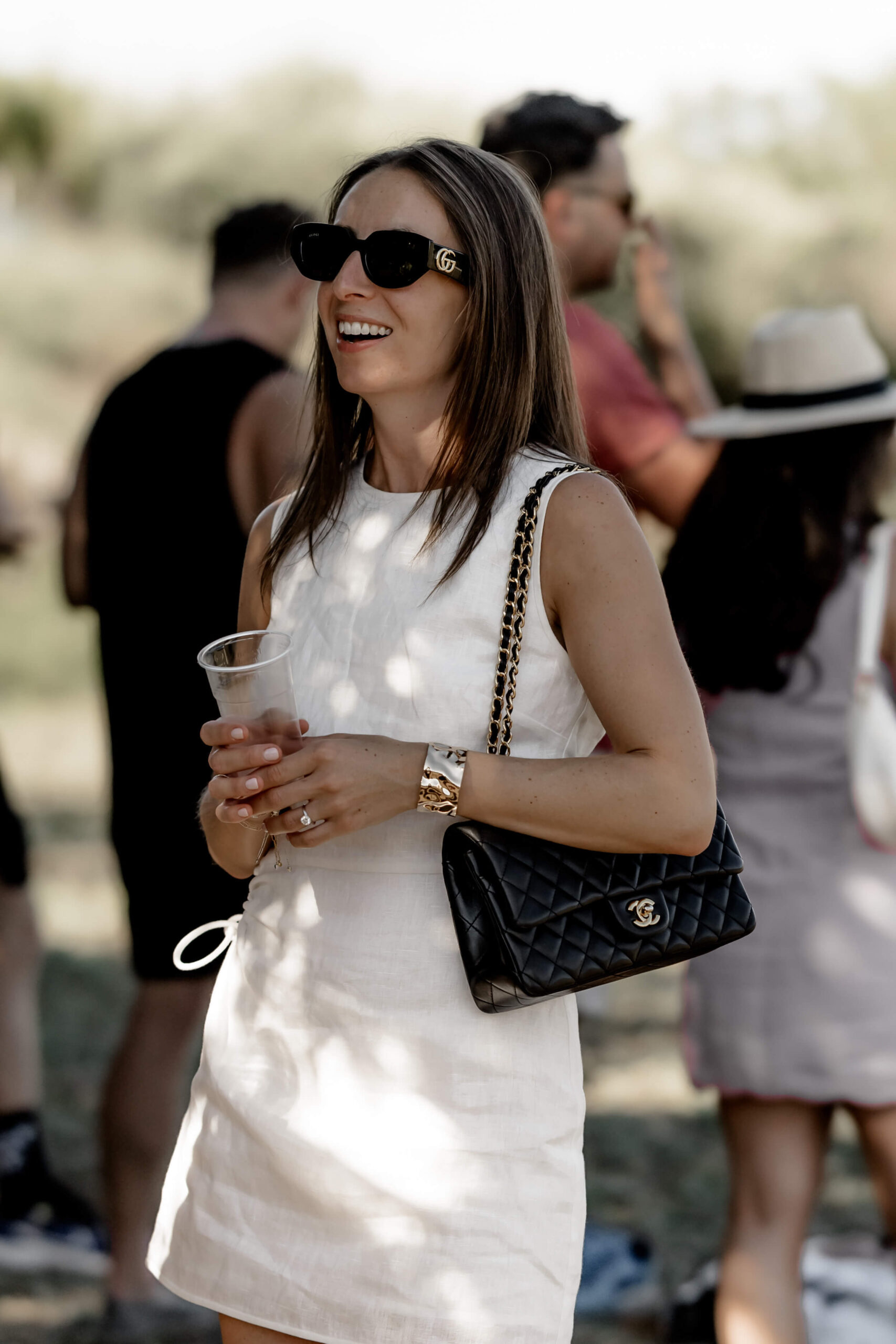
As part of the Morning Lazziness series about empowering women who encourage and do incredible things with their ideas in society, I had the pleasure of interviewing Lynda Wilkes-Green.
Lynda Wilkes-Green is the solo founder of Ahlya, a wellness app powered by generative AI that helps women improve their mental and physical wellbeing in sync with their hormonal cycle. The idea for Ahlya was born out of Lynda’s own experience with PMS, hormonal fluctuations, and burnout — and the frustration of finding no credible, personalised support in a world still playing catch-up on women’s health. While working full-time as a lawyer, she saw breakthrough innovation in almost every sector except this one — and knew something needed to change.
Determined to close the gender health gap, Lynda is building Ahlya with empathy, science, and technology at its core — creating a platform that brings emotional intelligence to AI and makes hormone-aware living feel accessible and empowering. Originally from Ireland and now based in London, she’s passionate about reimagining wellness for women — not with filters and quick fixes, but with honesty, trust, and long-term impact.
What inspired you to become an entrepreneur in the AI industry, and what led to the creation of your current venture?
I never set out to become an entrepreneur – I simply couldn’t ignore a gap I felt deeply. As a lawyer working in venture capital, I saw cutting-edge innovation across almost every sector except women’s health. The tools available felt outdated, generic, or overly medicalised. At the same time, I was struggling with my own PMS, hormonal fluctuations, mood swings, and burnout cycles, and I couldn’t find credible or actionable support – not from doctors, not from social media, not from any other app on the market. That’s how Ahlya began: a science-backed, personalised, AI-powered wellness app that helps women understand and work with their hormonal cycles, instead of feeling like they’re constantly fighting against them.
As a woman in tech and entrepreneurship, what unique challenges have you faced, especially in the AI space, and how did you navigate them?
One of the biggest challenges has been access – both to knowledge and to credibility. AI still feels like a boys’ club. At the start, I was listening to podcasts, reading books, and googling acronyms just to keep up. There’s also a persistent bias, especially in AI, that real technical expertise must come from a man, or at least a co-founder with a PhD in machine learning. As a solo female founder without a technical background or VC backing, I’ve had to learn fast, build lean, and prove over and over that my product, vision, and execution are valid. What’s helped most is staying relentlessly focused on building something excellent – grounding every decision in science, empathy, and user experience, and letting the product speak for itself.
How do you manage the intense demands of building an AI-driven business while maintaining personal well-being and balance?
Ahlya was born from my desire to manage PMS and burnout more effectively – so balance is baked into the business. I try to live in sync with the guidance we give users: adapting my workflow to match my cycle. I save creative tasks for the follicular and ovulatory phases, when energy and confidence are naturally higher, and lean into quieter, more reflective work during the luteal and menstrual phases. That hormonal awareness, combined with daily non-negotiables like movement, journaling, and time outdoors, helps me stay grounded – even when things feel intense.
What networking strategies or communities have helped you most in building meaningful connections in the AI and tech ecosystem?
Building relationships in tech can feel daunting, but I’ve found real connection by being open and intentional. Communities like Female Founder World and the Women’s Irish Network in London have been a lifeline – not just for advice and exposure, but for emotional support. I’ve also learned the value of simply reaching out. Some of the most valuable intros (like the branding agency I now use) came from DMing founders I admire on Instagram. I also treat podcasts like a form of passive networking — a way to learn from people I can’t yet access in person. And of course, LinkedIn has been key. Showing up consistently in an honest way has helped me build relationships that go far beyond likes or metrics.
How do you approach mentorship—both receiving it and offering it—and how has that influenced your growth as a founder in this space?
I believe it’s super important to approach mentorship as a two-way street. I regularly support other founders with legal questions – it’s where my expertise lies, and I believe deeply in sharing skills without expecting anything in return. In turn, I lean on other founders for everything from accounting software recommendations to emotional support. Sometimes, mentorship shows up in moments of shared honesty or practical advice rather than formal relationships. I’ve also found podcasts and founder interviews incredibly helpful – they act as informal mentors when direct access isn’t possible. For me, mentorship is really about being generous with what you know and being open to learning what you don’t.
What strategies have proven most effective in acquiring customers or clients for your AI product or service?
Since Ahlya hasn’t launched publicly yet, my focus has been on building brand awareness and trust ahead of release. I’ve leaned into organic channels – sharing insights on Instagram and TikTok, pitching to press, participating in founder interviews, and joining wellness-focused events and digital roundups. What’s worked best so far is authenticity and clarity – people connect with the “why” behind Ahlya. When I speak openly about my own challenges with PMS and the lack of credible support, it resonates. We’re also building a strong waitlist by offering exclusive content and partnering with aligned communities in wellness, beauty, and tech.
Which marketing techniques (digital, content, events, etc.) have worked best for your brand, and how do you measure their impact?
Content marketing has been key – particularly educational posts on Instagram and LinkedIn that position Ahlya as both credible and approachable. I use these platforms to spark conversations about hormonal health, cycle syncing, and AI in wellness. Press placements and founder interviews have also helped build brand authority early on. In terms of metrics, I track email waitlist growth, follower engagement, and conversion from specific campaigns. But beyond numbers, I pay close attention to the quality of feedback – when message me to say “I’ve never seen a product like this” or “this is exactly what I needed,” I know we’re moving in the right direction.
Can you share a major setback or roadblock in your AI startup journey, and how you strategically overcame it?
A major challenge has been building a highly personalised, AI-powered product without a technical co-founder or external funding. In the early days, I reached out to a developer, shared my roadmap, and felt like we were aligned – only to be completely ghosted. It was disheartening, but it taught me an important lesson: to be more discerning about who I trust with my vision. Since then, I’ve been much more intentional – vetting collaborators carefully and breaking the build process down into clear, manageable phases. I prioritised the science and user experience first, then worked with freelance designers and developers to bring the core features to life. It’s been about being scrappy, patient, and solutions-oriented. I’ve learned that you don’t have to do everything at once – you just have to keep going, one smart step at a time.
What’s one piece of advice you’d offer to women who are just beginning their entrepreneurial journey in AI or emerging tech?
Don’t wait to be “ready” or perfectly qualified — start with what you know, stay curious, and learn as you go. You don’t need a technical degree or external validation to solve a problem you understand deeply. Focus on building something useful and human-centred. Surround yourself with people who believe in you, and be willing to ask for help. You’re allowed to build something whilst becoming the person who can lead it.
Is there a quote, mantra, or philosophy that consistently guides your decisions as an AI entrepreneur?
“Progress over perfection.”
I first saw those words painted on a wall in Kenya, just days after the idea for Ahlya came to me. I was at the very beginning – unsure where to start, overwhelmed by how far I had to go – and that phrase grounded me. It reminded me that the most important thing is to keep moving forward. I’ve lived by it ever since, building Ahlya step-by-step with patience, discipline, and purpose.
Here is our main question. “What Are The 5 Things You Need To Overcome Self-Doubt and Build Confidence?” (If possible, please share a story or example for each one)
- Self-awareness: I track my mood, symptoms, and cycle patterns – understanding myself physiologically helps me recognise when doubt is hormonal vs. rooted in fact.
- Evidence bank: I keep a folder of small wins – screenshots, kind messages, milestones. On days when imposter syndrome creeps in, it’s a reality check and a quiet confidence boost.
- Taking action: Confidence builds through doing. Every email sent, every decision made, strengthens that muscle.
- Support network: I’ve built a circle of founders and friends who reflect back my progress when I can’t see it myself. They normalise the lows and celebrate the highs, which keeps me grounded.
- Purpose: When doubt gets loud, I return to why I started. Ahlya isn’t just an app – it’s a way to close the gender health gap. That mission is more important than my temporary discomfort.
Ok, we are nearly done. You are a person of great influence. If you could inspire a movement that would bring the most amount of good for the greatest number of people, what would that be? You never know what your idea can trigger.
I would inspire a movement to democratize hormone education, teaching women and girls how their cycles impact their mood, energy, focus, and physical health from an early age. If we normalized this knowledge—and designed work, healthcare, and wellness tools around it—we would see less burnout, more agency, and stronger emotional well-being across the board.
How can our readers further follow your work online?
You can follow Ahlya on Instagram @ahlya.wellness, TikTok https://www.tiktok.com/@ahlya.wellness, and visit www.ahlya.com to join our waitlist – the app launches in September 2025.
