

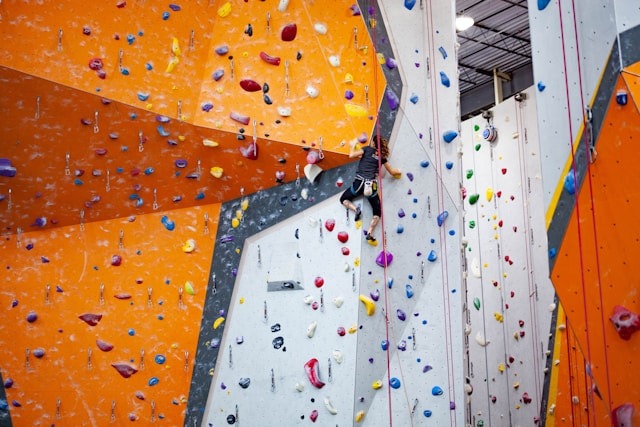
Indoor gym climbing has become a popular and accessible sport that caters to all ages and fitness levels. Its appeal lies in the blend of physical challenge, strategy, and community engagement. Beginners appreciate the controlled environment and structured guidance, while experienced climbers value the opportunity to refine techniques and push their limits. With a variety of climbing styles, such as bouldering, top-rope, and lead climbing, participants can continually explore new aspects of the sport.
Keith Brautigam says that climbing not only builds strength and flexibility but also focus, resilience, and problem-solving skills. As climbers progress, they learn to manage risk safely and efficiently, often forming connections with others who share their passion. Choosing the right facility can play a key role in sustaining motivation and growth, especially when it offers events, route variety, and a welcoming atmosphere.
Indoor Gym Climbing
Indoor gym climbing is a controlled and accessible form of climbing that takes place on artificial walls within a facility. Unlike outdoor climbing, which depends on weather and natural rock formations, indoor climbing offers year-round access and a wide range of difficulties to suit all skill levels.
Its popularity has surged in urban areas where outdoor climbing may not be practical. Many gyms are designed to simulate the challenges of outdoor routes, providing climbers with opportunities to practice movement, grip, and technique in a structured environment. Facilities often feature colorful holds, padded flooring, and trained staff to ensure a safe experience.
Climbing Styles
Indoor climbing offers a variety of styles that cater to different skill levels and preferences. Bouldering involves short, powerful climbs without ropes, typically on walls under 15 feet high. Mats on the ground provide protection in case of falls, making it an ideal starting point for beginners and a favorite among seasoned climbers looking to improve their technique.
Top-rope climbing uses a rope anchored at the top of the wall, with a belayer on the ground to manage slack and ensure safety. This allows climbers to focus on endurance and movement without the distraction of managing gear mid-climb. In contrast, lead climbing challenges individuals to clip into protection points as they ascend, requiring a higher level of confidence and skill. Each style offers a distinct experience, encouraging climbers to develop a well-rounded set of abilities. Some climbers even specialize in one style before branching into others as they gain more confidence.
Benefits for Body and Mind
Climbing strengthens major muscle groups, particularly in the arms, shoulders, and core, while also improving flexibility and balance. Movements often require full-body coordination, engaging muscles that are rarely activated in traditional workouts.
Beyond the physical, climbing demands mental focus and problem-solving. Each route, or “problem,” presents a unique puzzle, encouraging climbers to strategize their actions and adapt quickly. Many find the process meditative, as it requires complete concentration and provides a break from everyday distractions.
Adding to its appeal, climbing creates a sense of connection. Partnering with others for belaying or sharing tips on routes fosters community. Climbing gyms often become hubs of social interaction, where encouragement and shared progress build lasting friendships. It’s not uncommon to see climbers of different experience levels offering advice or cheering each other on mid-route.
Getting Started
Walking into a climbing gym for the first time can feel both exciting and intimidating. Most facilities ease newcomers in with an orientation session that covers safety protocols, basic techniques, and how to use the equipment properly. These sessions not only build confidence but also help establish habits that reduce the risk of injury. Some gyms even offer beginner classes that span several weeks, allowing new climbers to develop at a steady pace.
Essential gear includes climbing shoes with snug rubber soles for grip, a harness to secure the climber, and chalk to keep hands dry. Many gyms offer rental options, so beginners don’t need to invest right away. Staff are usually on hand to answer questions and guide first-timers through their early climbs. Taking the time to warm up before climbing and understanding how to fall safely during bouldering can also make a big difference in a beginner’s experience.
Progressing
Advancing as a climber involves more than just building strength—it requires refining technique, stamina, and mental resilience. Beginners often start with simple routes and gradually take on more complex ones that demand smarter footwork and better body positioning. Over time, climbers begin to recognize patterns in holds and learn how to conserve energy on the wall. Visualization and route-reading also become vital tools as routes increase in difficulty.
Recovery plays a vital role in long-term progress. Muscles need time to rebuild, especially after intense sessions. Incorporating rest days, stretching, and cross-training can prevent overuse injuries and keep motivation high. Some climbers track their improvements by logging completed routes or setting weekly goals to stay focused and challenged. As confidence builds, many set personal milestones, such as completing a specific grade or mastering a particular technique.
Finding the Right Facility
Not all climbing gyms are created equal. Some focus more on bouldering with shorter walls and dense route settings, while others offer expansive rope climbing areas with auto-belays and lead routes. The best gym often depends on personal goals, location, and atmosphere. Gyms with natural light, good ventilation, and clean facilities also tend to enhance the overall experience.
Visiting a few gyms before committing can reveal a lot. Pay attention to how the staff interacts with members, whether the environment feels welcoming, and how often new routes are set. Many gyms also host events like competitions, social nights, and technique workshops, which can enhance the experience and help climbers feel part of a supportive community. Ask about membership perks, guest passes, and training resources when comparing options.
