
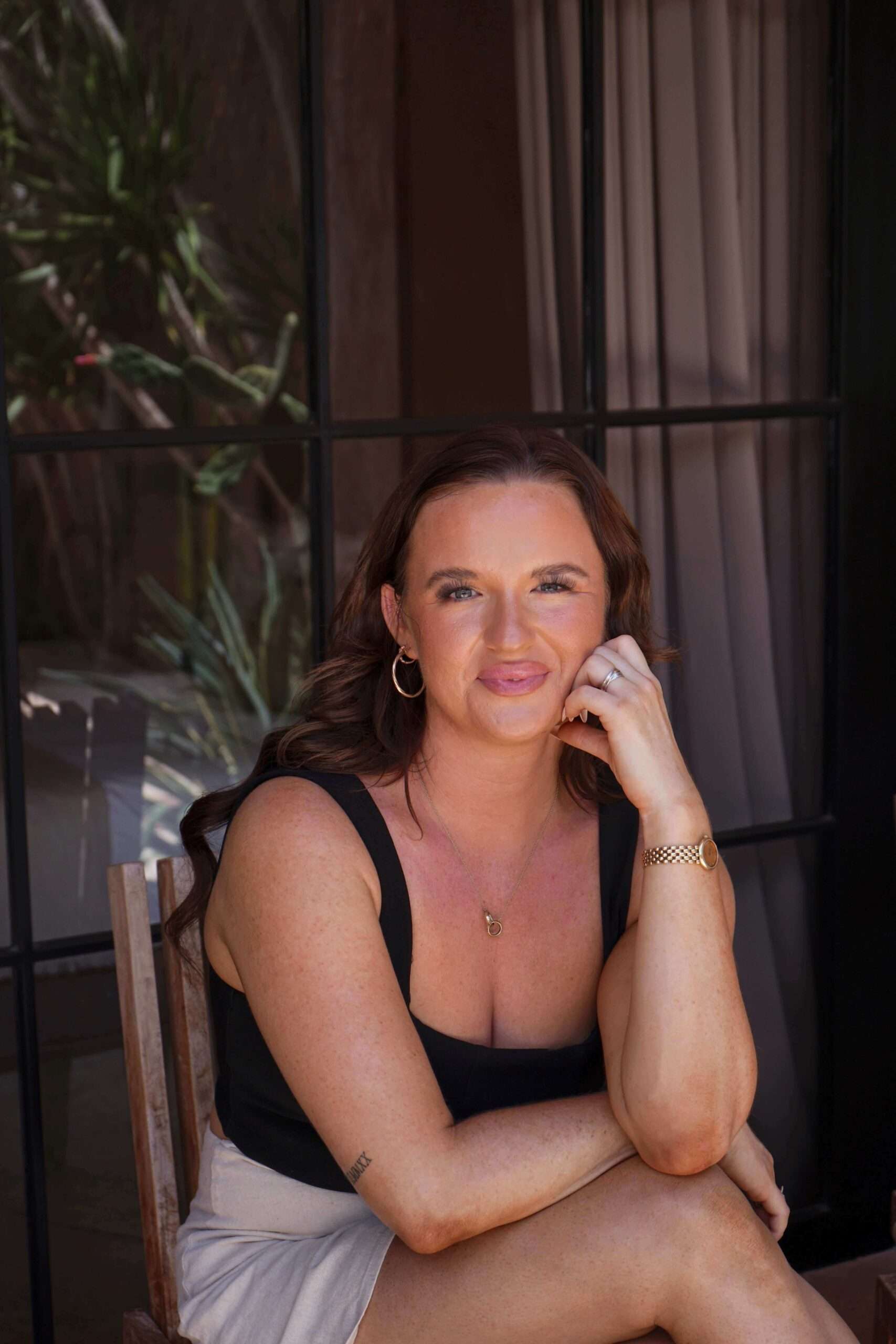
As part of the Morning Lazziness series highlighting empowering women who are making a remarkable impact with their ideas, I had the pleasure of interviewing Christina Gough.
Christina Gough is a marketing entrepreneur and founder of The Formation Group, a platform reshaping how businesses and freelancers connect. With a background in PR and communications, Christina chose early on to reject the traditional career path, instead learning hands-on and carving out her own way in the industry. That decision laid the foundation for her passion: challenging outdated systems and creating new ways of working that put people first.
The Formation Group was born from her belief that freelancers deserve the freedom to design careers on their own terms, while businesses should have access to top-tier talent without agency overheads. What began as a simple matchmaking service has since evolved into a multi-layered ecosystem: a thriving freelance community, a smart matchmaking platform, and a managed service offering that connects clients with the right expertise at the right time.
Christina’s approach is rooted in authenticity and innovation. She has built her brand by sharing the “why” behind the work, championing transparency, and fostering genuine connections. For her, success isn’t just measured in revenue but in the freedom, confidence, and impact created for both businesses and freelancers.
A mother of two, Christina is equally committed to designing a life of presence, balance, and ambition. Her daily routines — from 5 a.m. deep work sessions to grounding rituals and quality time with her children — reflect her philosophy that true success comes from alignment across work, health, and family.
In this interview, she reveals the mindset shifts, bold moves, and lessons that helped her turn ideas into impactful online businesses.
What inspired you to start your business, and what problem were you passionate about solving?
I started The Formation Group because I saw two big gaps: freelancers struggling to design careers on their own terms, and businesses frustrated with the limitations and costs of traditional agencies. I wanted to create a model that empowered both sides — giving freelancers freedom, flexibility, and fair opportunities, while giving founder-led businesses access to world-class talent without agency overheads. At the heart of it, I was passionate about challenging systems that didn’t make sense and building something human-first.
How has your business evolved since its launch, and what key decisions have helped drive that growth?
We started out just connecting freelancers with projects, but quickly realised the real power came from building a community. From there, the business evolved into three layers: our freelance community, our matchmaking platform, and our managed services. The key decisions were always about leaning into what worked — listening to what clients needed, what freelancers wanted, and building systems to scale without losing the human connection.
In your view, what truly sets your brand apart in today’s competitive market?
We’re not an agency, and we’re not just a jobs board. We’re a new category — a flexible ecosystem where talent and businesses meet in ways that actually work for both. What sets us apart is our focus on freedom, trust, and performance. We don’t just fill roles; we curate partnerships. That human-first, results-driven approach is rare in the industry.
What has been your most effective marketing strategy to date, and why do you think it worked so well?
Thought leadership and storytelling. Every time I’ve leaned into telling the story of why The Formation Group exists — and sharing the behind-the-scenes of my own journey — it’s resonated far more than any polished campaign. People connect with people. The honesty and transparency in our marketing have built trust and attracted exactly the right kind of clients and freelancers.
How do you stay connected to your ideal audience and understand their needs or behaviors?
By being in the community myself. I spend time with freelancers, I speak to founders daily, and I constantly test ideas directly with them. Rather than relying on assumptions, I listen to their frustrations and aspirations in real time, then shape our offering around that.
What’s one branding move or campaign that helped elevate your business to the next level?
Launching The Formation Group as a group rather than a one-dimensional service. Positioning it as a multi-layered platform instantly elevated how people perceived us. It showed ambition and clarity of vision — we’re not just a freelancer connector, we’re building the future of flexible marketing talent.
What does success look like for you, not just in numbers, but in purpose or impact?
Success is seeing freelancers design lives on their own terms — not just surviving gig to gig, but thriving, with freedom and confidence. It’s seeing businesses scale faster because they finally have access to the right people at the right time. And personally, it’s about creating the kind of life I want for my kids — full of possibility, freedom, and growth.
How do you personally define success, beyond revenue and growth metrics?
For me, success is alignment. Living in a way where my work, my health, my relationships, and my purpose all connect. It’s waking up proud of what I’ve built, being present for my children, and knowing I’ve created an impact that lasts beyond me.
Can you share a challenge or setback that ultimately became a turning point for your brand?
In the early stages, I was doing everything — running the business, building the platform, and still freelancing in PR myself. At first, it felt necessary, but it quickly became the biggest bottleneck. I was spread too thin, client delivery was all on my shoulders, and growth stalled because I was trapped in the day-to-day.
The turning point came when I decided to step fully into building The Formation Group as a business, not just freelancing under a different name. That shift — from being the doer to being the architect — was uncomfortable, but it allowed me to create systems, build a team, and focus on scaling. It’s the moment the business stopped being dependent on me and started standing on its own.
What daily habits or rituals keep you focused, creative, and grounded as a leader?
For me, it’s about having a strict routine that creates space for everything that matters — not just work. I build my days around the moments that count: being present with my kids for school runs, key events, or just quality time together. Around that, I carve out blocks for exercise, deep work, and grounding rituals like journaling or breathwork.
It’s not about a rigid 9–5 and squeezing life in before and after — it’s about designing a rhythm that works for me. Sometimes that means I’ll start at 5 am to get focused work in before the kids wake up, and other times I’ll do an evening session once they’re in bed. That flexibility, combined with non-negotiable routines for health and presence, keeps me productive and grounded.
How do you approach innovation and risk in your business strategy?
I see risk as necessary for growth — but it’s always calculated. I test small, iterate quickly, and then double down on what works. Innovation for me comes from listening deeply — to clients, to freelancers, to shifts in the market — and then being bold enough to build what doesn’t yet exist.
What advice would you give to someone starting a business in today’s fast-changing digital world?
Don’t wait for perfect. Start lean, test constantly, and build in public. The businesses that thrive today are the ones that are human, agile, and willing to adapt. Stay close to your audience and lead with your story — that’s what creates trust and traction.
Where can our audience connect with you and learn more about your work or offerings?
You can find me on LinkedIn and Instagram, where I share my journey and insights into building The Formation Group. Or visit The Formation Group to explore how we’re helping businesses and freelancers design a better way to work.
