Home Blog Page 26

Kirsty Leighton on Building an Ethical PR Empire with Purpose and People First

0

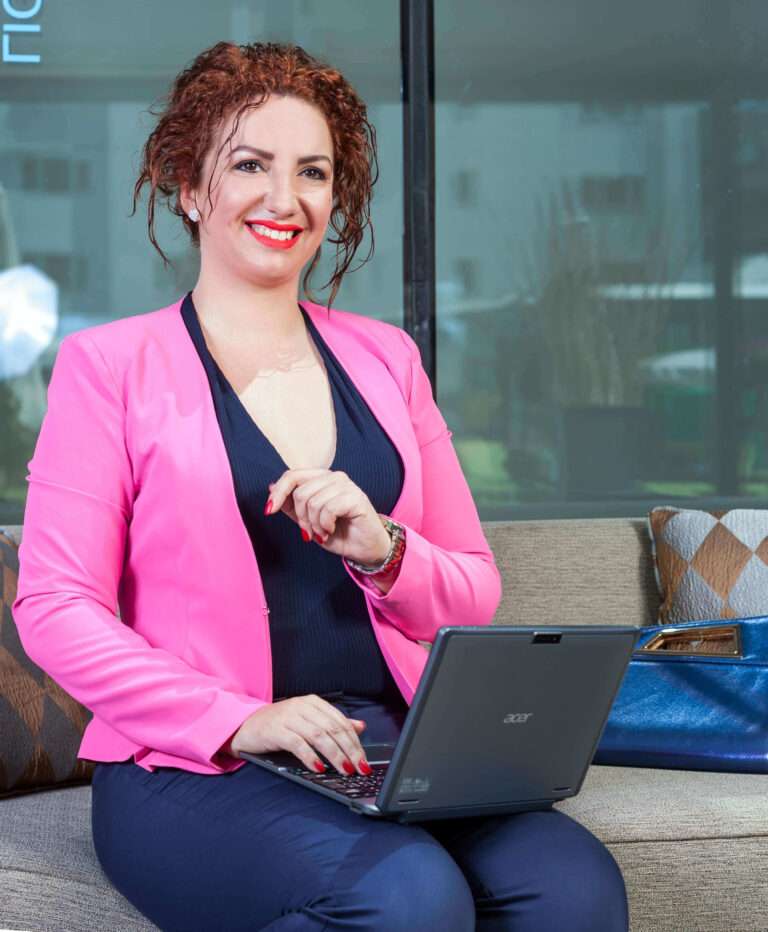
As part of the Morning Lazziness series highlighting empowering women who are making a remarkable impact with their ideas, I had the pleasure of interviewing Kirsty Leighton.

Kirsty Leighton has three decades of experience across the corporate brand and communications sectors ― holding senior leadership positions for agencies such as Hudson Sandler, Text100, and WE Communications. Kirsty’s PR leadership has now been recognised with her appointment as Chair of the PRCA.

She is a fierce advocate of the power of ethical PR: alongside making history as one half of the first all-women leadership team of the PRCA with Sarah Wadding MBE as CEO, Kirsty is: a B Corp pioneer; a champion of Better Business; and actively forges partnerships in politics to educate policymakers on the responsible use of PR within the democratic process.

Kirsty is a formidable entrepreneur, founding multi-award-winning Milk & Honey PR in 2017. People first, ethically led and values-driven, the agency now encompasses four offices on three continents ― and is 55% owned by the people who work there. Always learning, Kirsty has also taken part in Goldman Sachs’ invitation-only ‘10,000 Small Businesses’ and elite ‘Unicorn School’ business accelerators.

In this interview, she reveals the mindset shifts, bold moves, and lessons that helped her turn ideas into impactful online businesses.

What’s the origin story behind your business, and how does it reflect who you are beyond the entrepreneur title?

Milk & Honey PR grows from a simple idea. Since 2017 we’ve been building a workplace where people come first, so they actually enjoy their work and have the time, space, training and opportunities to grow professionally and personally. Where diversity is and will always be seen as strength, and everyone belongs. Where better business purpose and responsibilities to our planet inspire us to go further for our clients and our people.

It’s an approach that has created an agency with a vision to nurture the reputations of purposeful brands ― to engage, influence and inspire. We create the stories that move people and change the world.

Our values inform our business, rather than a business that dictates values ― encompassing energy, bravery, respect, passion, collaboration and loyalty. 

Vision and values guide us in our mission ― to be our clients’ trusted communications consultants; to champion their difference; to find and engage audiences; to amplify their voice; and to continually enhance their value. 

Your work blends purpose with business — what’s the “why” that still gets you out of bed on tough days?

The world faces so many challenges – climate crisis, social justice, a post-truth communications environment, and equality, to name just four. I believe that PR has the power – and responsibility – to make business part of the solution.

More than any other industry, we have the power to surface important issues that are buried (by accident or design). If we look at climate change as an example, it’s the PR industry that has done so much to share understanding of its causes and the actions we need to take. Greta Thunberg, for example, was an unknown and lonely protester in 2018 – until a passing PR pro helped to catapult her onto the international stage. Today, she’s a global environmental icon who goes toe-to-toe with prime ministers and presidents. 

What gets me out of bed in the morning? It’s the potential for PR to change the world for the better.

Many brands offer similar services, but few capture hearts — what’s your secret to building deep emotional resonance with your audience?

Quite simply, authenticity. You can’t fake passion or commitment or action. We believe in what we do, and our audiences do too.

What’s been your most effective marketing strategy, and can you walk us through the creative thinking or risk-taking behind it?

In terms of campaigns, there are so many – but I think the work we did for a global technology company stands out. Tasked with showcasing their extensive but little-known work on building a truly sustainable organisation, we created a global environmental index. Our creative turned the concept on its head ― seeing the actions and attitudes of everyday people as the real key to unlocking positive climate action, rather than the approaches of governments and corporations. 

It grew in scale and scope over three years, capturing the views of well over 30,000 people in 39 global markets. Our analysis of survey data again showcased creativity, identifying fascinating trends and segments to compare and contrast attitudes. Creative materials, including accessible and powerful infographics and video, cut through the noise at UN COPs to secure top-tier coverage.

How do you listen to your community — not just in surveys or analytics — but in ways that help you anticipate their unspoken needs?

My colleagues will tell you that one of my favourite phrases is, “we have two ears and one mouth – so we should listen twice as much as we talk.” 

In terms of clients, we use a range of formal listening tools, including NPS scores – where ‘excellence’ is our baseline. We engage quarterly to make sure that we are meeting and exceeding expectations – and can identify issues quickly.

We take a similar approach with our people, with quarterly surveys – known as ‘Hive Happiness’. Responses are anonymous to a range of questions that include everything from internal comms, trust in Milk & Honey and manager relationships, to training, mental health and wellbeing. Outcomes are discussed at board level – with action taken where results show we can do better.

Surveys, however, are only one side of the equation. We prize the value of in-person communication – making the time to talk to and learn from our clients and teams.

We also engage with our local and global communities – working through our pro bono Purpose Academy to work with charities to upskill their PR capabilities and, in turn, learn from them of the challenges they face and how PR can better support their life-changing missions.

Which campaign, collaboration, or strategic shift felt like a true turning point in your brand’s public image?

Becoming a member of the B Corp community really helped everyone at Milk & Honey to find a framework around which we could build our better purpose. We became one of the first communications agencies in Europe to certify and have gone on to be named a B Corp ‘Best for the World’ company, as well as achieving one of the highest B Corp scores of any agency in the world (we’re about to recertify with over 185 points).

The value of B Corp is that it’s not a tick box exercise – it’s a constant journey to prove (with hard data) how we currently perform and how we will always work to be better.

In your own words, how do you measure success beyond profit, in terms of legacy, influence, or cultural impact?

We’re here to leave the world in a better state than we found it. B Corp helps us – as we publish our annual People, Purpose, Planet report which is a warts and all assessment of our purposeful impact.

We’re also different from other companies in that happiness is one of our KPIs. I’ve already mentioned our Hive Happiness survey but we back this up with extensive individual professional and personal development plans, our innovative 40+1 leave entitlement, month’s paid sabbatical after five years of service, generous maternity and paternity provision and so much more. 

I want our people to love their time at Milk & Honey and take the values of energy, passion, respect, collaboration, bravery and loyalty with them as they forge careers across the industry. 

How do you deal with failure? 

Failure is essential to success. The trick is to fail forward – to understand and learn from your mistakes and constantly apply those lessons as you move forward. I started this business on my own from a kitchen in a London house and failing forward has helped me to build it into the global, multi-award-winning agency it is today.

We don’t dwell on our failures – but we never forget and always learn from them.

What’s a daily or weekly ritual that keeps you grounded and in touch with your brand’s mission, even when business gets chaotic?

I draw strength from the people around me, so our Monday morning team meetings bring me pure energy. With a highly flexible working offer – with hybrid and remote workers – this is one of the main ways I get to see everyone’s faces and understand what they’re doing, hear their challenges and revel in their intelligence and passion in what they do for each other and our clients.

How do you approach innovation in a way that makes your brand both trend-aware and timeless?

Innovation drives us – but always responsibly. Our ‘NU’ AI and Emerging Technology Division, for example, was born from team curiosity back in 2021 (pre ChatGPT) about the potential economic, industrial and social impacts of technological change. It led to an AI Working Group which in turn led to the creation of NU and one of the first Ethical AI Playbooks in PR.

Since then, NU has grown to co-develop new AI technologies and support clients as they transition to a new way of working. Yet, everything we do is informed by our timeless values, so our technologies and counsel embed human oversight and strong ethical guardrails. It has taken us, for example, to a place where we’re now exploring how AI can break down barriers to job access and opportunity for neurodiverse people.

If you could pass down only one piece of wisdom to the next generation of entrepreneurs, what would it be and why?

I’m going to have to give two pieces of advice: firstly, build your business around meaningful values – they should and must inform every decision you make; secondly (and this is linked to the first), take people with you. You can’t do this alone, so share your passion, live your values, and people will take your vision, enhance it, make it their own – and make it infinitely better.

Winning recognition in your industry is no small feat — what behind-the-scenes decision or move do you believe made that possible?

Milk & Honey has been recognised in more than 200 awards in eight years. It makes me incredibly proud. At the risk of sounding like a scratched record, success has come from living our values and being authentic. People recognise it when they see it  – and it’s priceless.

How have public recognition, awards, or media features shifted opportunities for your brand in unexpected ways?

The simple and short answer to that question is our portfolio list and internal talent. 

We have been honoured to work with some of the most innovative and purpose focused organisations in the world that work to bring positive change – from genomic data platforms that are transforming global healthcare, to water innovators bringing hydration to millions, to ethical chocolate producers protecting farmers and the land they work. They come to us because they recognise a ‘fellow traveller’. 

Further, I have been honoured to work with some of the most talented, committed, intelligent and kind colleagues in the PR industry and beyond – who have all come to Milk & Honey because they see this as a place where their talents can make a positive difference to people and the planet.

If someone hears your name or sees your work just once, what’s the one message or feeling you hope they leave with?

We partner with businesses that build a better world so they can be seen, be heard, and be good.

Where’s the best place for our audience to follow your journey and explore your work?

Obviously, through our website, where people can keep up to date with the great work we’re doing and look at our latest People, Purpose, Planet report, to follow us on LinkedIn and Instagram for breaking news as it happens.

Ann Donnarumma on Redefining Beauty Through Innovation, Purpose & Care

0

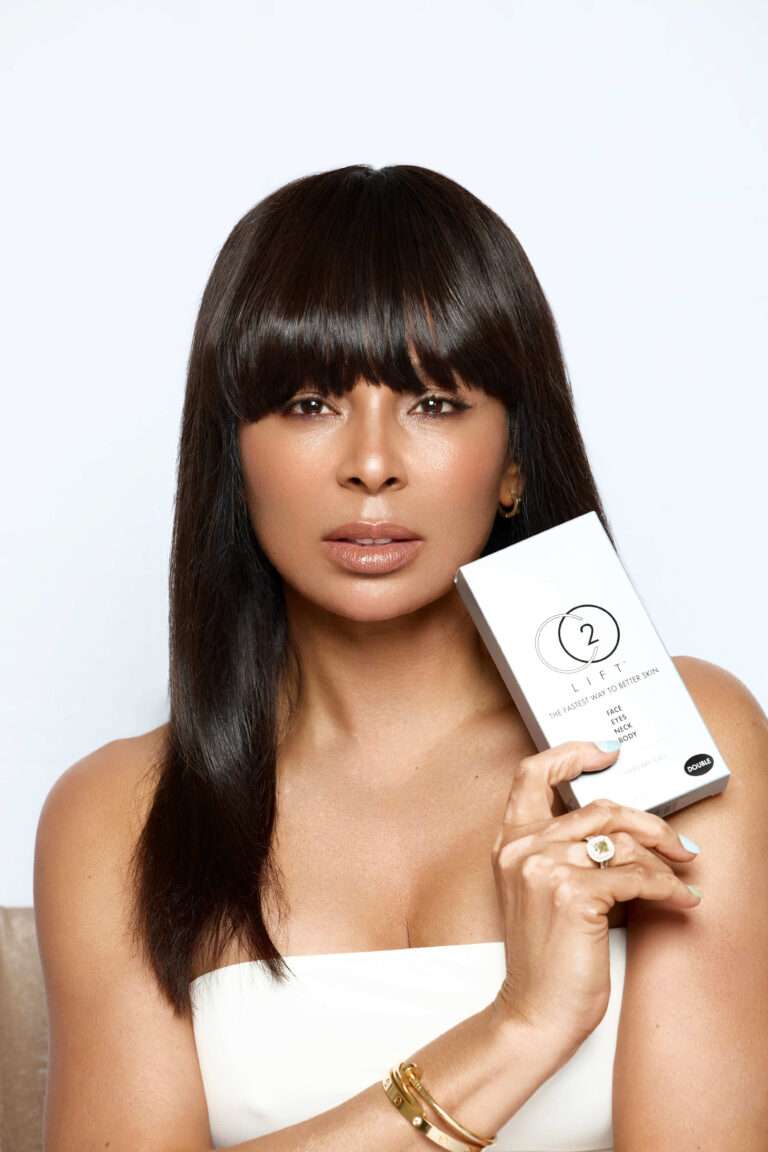
As part of the Morning Lazziness series highlighting empowering women who are making a remarkable impact with their ideas, I had the pleasure of interviewing Ann Donnarumma.

Ann Donnarumma is an accomplished entrepreneur whose career journey spans corporate banking, beauty education, and skincare innovation. After establishing herself in the corporate world, Ann made a bold shift into the beauty industry, where she acquired and expanded Australia’s largest international beauty school. Building on her success in education, she recognized a growing demand for Australian botanical beauty products and launched her own skincare venture. Today, Ann blends her business expertise with her passion for natural beauty, developing products and experiences that embody innovation, authenticity, and sustainability.

In this interview, she offers a candid look at the realities of entrepreneurship, sharing both the challenges and the victories that defined her path.

What inspired your leap into entrepreneurship, and what personal experiences sparked the idea behind your current venture?

I have always been driven in business. I have been running a number of successful businesses including an international beauty school. I’ve worked with so many different brands and products through the years and noticed a gap in the market for high quality Australian made products that have no nasties and actually work. 

For me, entrepreneurship was never just about starting a business. It was about filling a gap I felt deeply myself, and turning a personal challenge into something that could empower others. That sense of purpose still drives everything I do today.

What core problem does your business solve, particularly for women or underserved communities—and how does your approach stand out in today’s competitive space?

Our approach is just creating high quality products that work. We source high quality Australian ingredients and manufacture and make everything on the Sunshine Coast. We continually test and improve, always trying to innovate this space.

We want to embrace natural beauty, focus on selfcare rituals and inspire others to love themselves…

What were some of the toughest obstacles you faced early in your journey as a woman entrepreneur, and how did you navigate through them?

Being a woman in business has had a number of challenges. One that always seems to come up is when it comes to decision making or being authoritative on a matter. As a women, things sometimes are perceived differently than if a male had done/said the same actions.

When the going gets tough, what keeps you grounded and motivated to keep pushing forward?

There will always be barriers when it comes to moving forward. Having a strong team and support systems in place always help keep me grounded but always help me strive to push forward.

What daily habits or non-negotiable routines help you stay focused, creatively energized, and balanced as a founder?

Exercise and maintaining a healthy lifestyle is a MUST. I exercise every day, watch what i put into my body and in my skin and try to find routines just for me to meet my daily needs.

What’s been the most effective growth lever for acquiring new clients or expanding your customer base?

Growth for us has come down to trialing new things and really listening to what our customers want. We believe in order to grow, we need to actively listen to what people are wanting when it comes to ingredients and results. We then take this information and apply it to our products and growth development.

What branding or marketing decision had the biggest impact in elevating your business and building trust with your audience?

For us, social proofing has been important. Skincare is such a unique experience and everyone has different goals, needs and requirements so sharing other peoples experiences is a big driver in building trust with our audiences, We also put a big focus on education. Many of our products require knowledge and structure to get results, so we try out best to share that with our customers.

How do you personally define success—not just as a business owner, but as a woman living a purpose-driven life?

For me, success has never been just about numbers or milestones, it is about alignment. As a business owner, I see success in creating products that truly support people, that help them feel comfortable in their own skin and confident in who they are. Every message I receive from someone saying their skin feels calmer or their confidence has returned, that is success.

But as a woman living a purpose driven life, I define success as living in integrity with my values. It means building something that reflects care, kindness and respect for people, for the planet and for myself. It is carving out time to nurture my own wellbeing and relationships, while also creating impact through my work.

At the heart of it, success is balance. It is the ability to grow a business with purpose, to uplift others along the way and to end each day knowing I have contributed to something meaningful, whether that is through my products, my relationships or simply the way I choose to show up in the world.

Can you share a mistake or misstep that taught you a lesson you still carry with you today?

A mistake I’ve learned early on is that you can’t do things alone and it’s important to find a team and people that can help elevate your growth. Working with people who do not believe in your or respect you will be detrimental to your business and selfworth, so align yourself with people who truly believe in your mission and values.

What’s your best advice for women just starting out—especially first-time entrepreneurs feeling overwhelmed or unsure of their next steps?

The best advice I can give to someone who is just starting out or feeling overwhelmed is to just do it and put yourself out there. We are our own worst critics and no one will ever judge you as badly as you judge yourself. Take the leap of faith and don’t look back.

How do you approach risk and innovation, especially when breaking new ground in a male-dominated or fast-changing industry?

I have always believed that risk and innovation go hand in hand. You cannot create something truly different without stepping into the unknown. For me, it is about being guided by purpose rather than fear. When I am clear on why I am doing something and the impact it can have, the risks feel less like obstacles and more like opportunities to grow.

Working in industries that have traditionally been male dominated or where trends move quickly, I have learned to trust both research and intuition. Innovation in skincare is not about chasing the next fad but about creating formulas that are grounded in science and inspired by nature, products that have a lasting impact rather than a short-lived moment.

As a woman, I also see innovation as creating space for different voices and perspectives. Sometimes breaking new ground means not only developing a product but also reshaping how the industry itself operates. My approach is to remain adaptable, keep learning, and to hold steady to my values, even when the landscape shifts. That is where real innovation lives.

If you lead a team, how do you foster a culture of trust, inclusivity, collaboration, and growth?

Growth, both personal and professional, comes from creating opportunities to learn and experiment. I encourage my team to take ownership, to try new approaches, and to see mistakes as stepping stones rather than setbacks. At the heart of it, I want my team to feel the same sense of purpose I do—that what we are building is meaningful and that their growth is just as important as the growth of the business.

What are the top 5 mindset shifts or personal practices that helped you overcome self-doubt and grow your confidence as a woman entrepreneur?

1. Reframing self-doubt as curiosity

Instead of seeing doubt as a sign of weakness, I began to treat it as a signal to ask better questions, learn more, and grow. It shifted my perspective from “I’m not enough” to “what can I discover here?”

2. Returning to purpose

Anchoring myself to my purpose gives me confidence to keep moving forward.

3. Embracing progress, not perfection

I let go of the idea that everything had to be flawless before it could be shared with the world. Progress, consistency and genuine intention matter far more than perfection.

4. Surrounding myself with supportive voices

I actively sought mentors, peers and other women in business who could lift me up, challenge me, and remind me of my own strength. The right support network makes all the difference.

5. Practising self-compassion

Confidence grows when you treat yourself with the same kindness you would offer a friend. I learnt to pause, acknowledge my efforts, and celebrate small wins along the way.

If you could spark a global movement through your work, what would it be—and why is that mission meaningful to you?

If I could spark a global movement, it would be one that redefines beauty as care. Care for ourselves, for each other, and for the planet. Too often, the beauty industry has fuelled unrealistic standards and surface-level quick fixes. I want to shift that conversation toward rituals of nourishment, where skincare is not about chasing perfection but about honouring who we are and supporting our wellbeing at every stage of life.

This mission matters to me because I have seen firsthand how powerful it is when someone feels comfortable in their own skin. Confidence ripples outward, it affects how we show up in the world, how we connect with others, and even how we pursue our dreams. If through my work I can inspire more people to embrace a gentler, more conscious approach to beauty, then that, to me, is a movement worth leading.

What’s a quote, philosophy, or guiding belief that shapes how you lead, create, and live every day?

A guiding belief that shapes everything I do is this: “Care is powerful.”

I believe that when you lead with care. Whether in how you treat your team, how you formulate a product, or how you show up in the world, you create ripple effects far beyond yourself. Care builds trust, inspires creativity, and reminds us that success is not just about outcomes but about how we get there.

That philosophy grounds the way I lead, the way I create, and the way I live. When decisions get difficult or the path feels uncertain, coming back to care always points me in the right direction.

Where can our audience connect with you, explore your work, or follow your entrepreneurial journey online?

They can follow me on LinkedIn – Ann Donnarumma or through Founders Formula Socials. 

Ella McKay on Reinventing Dark Chocolate with FATSO

0

As part of the Morning Lazziness series highlighting empowering women who are making a remarkable impact with their ideas, I had the pleasure of interviewing Ella McKay.

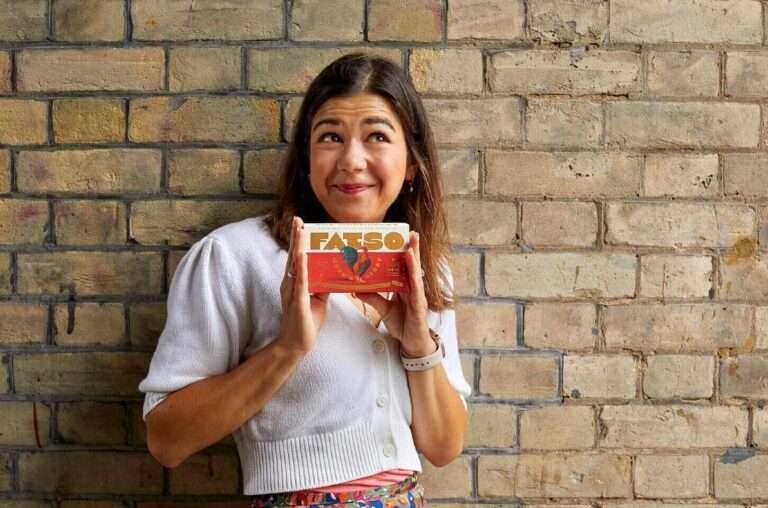
Ella, Co-Creator of FATSO is self-proclaimed food obsessive with a marketing background, who had previously worked for some of the world’s biggest brands. Following a conversation about how boring, serious, and overly permissible dark chocolate had become, Ella and her Co-founders started a side hustle, to prove that dark chocolate could retain the quality and permissibility, at the same time as being simply delicious and fun. Exposing her entrepreneurial instincts in the process, she soon scrapped the big corp life to drive momentum behind this premium dark chocolate brand that’s been injected with a hearty bout of attitude. Afterall, why should milk chocolate have all the fun!?

In this interview, she talks about the obstacles she’s overcome, the milestones she’s achieved, and the wisdom she’s gained along the way.

What inspired your leap into entrepreneurship, and what personal experiences sparked the idea behind your current venture?

Me and my co-founders took the leap just after Covid having developed the idea in lockdown, agreeing that I would “quit the day job” to focus purely on driving it forward. We felt we had something, we let our guts drive the decision. The idea was born from a genuine frustration that there was no dark chocolate option that was delicious and flavoursome in its own right. To enjoy dark chocolate, it had to be added to stuff to make it delicious. And dark chocolate on the whole was becoming far too permissible for my liking. When I eat chocolate, I want it to be a delicious, indulgent treat! Not a “healthy” option. Life’s too short and already boring enough for that. 

What core problem does your business solve, particularly for women or underserved communities—and how does your approach stand out in today’s competitive space?

Our number one purpose is to make dark chocolate enjoyable and delicious for all that care to. But in doing so, we source the very best Colombian cocoa that not only has all the quality and taste credentials out there, but is grown by farmers who are genuinely looked after with fair pay, social welfare and are given tools to innovate, improve and compel the next generation (women and men) to build a good life in rural communities, not be directed to cities.

What were some of the toughest obstacles you faced early in your journey as a woman entrepreneur, and how did you navigate through them?

I’ve been fortunate enough to not face much adversity because I am a woman. I do have imposter syndrome, but I think that’s more to do with my age than sex. I was once told I was too young for a promotion and payrise, which has stayed with me, even though I know fundamentally neither have anything to do with age but with contribution, ability and achievement.

When the going gets tough, what keeps you grounded and motivated to keep pushing forward?

Running, yoga, cooking. All cliches, but they’re the things that give my brain a rest and let my body takeover.

What daily habits or non-negotiable routines help you stay focused, creatively energized, and balanced as a founder?

Cuppa tea first thing, breakfast with my family, my walk to the office and cooking the evening meal. 

I also have to have time away from the screen throughout the day; I find my energy and brain function is badly impacted if hours go by on the laptop. 

What’s been the most effective growth lever for acquiring new clients or expanding your customer base?

My sales team. Nothing more important than human to human relationship building in generating sales. 

What branding or marketing decision had the biggest impact in elevating your business and building trust with your audience?

Launching a genuinely disruptive brand, not just saying we’re going to. The bravery to call the brand FATSO as the word to compass all that we are: chunky, indulgent, a celebration of more, with zero apologies.  

How do you personally define success—not just as a business owner, but as a woman living a purpose-driven life?

Having integrity and staying true to my value system. I run the business and my life according to what I believe is right and wrong, what I believe is fair and not, and what I believe is in the interest of people, those close to me and more broadly, those who are impacted by the decisions I make. 

Can you share a mistake or misstep that taught you a lesson you still carry with you today?

Bringing a close friend into my place of work. It’s a lesson I learned pre-FATSO, but a decision I wouldn’t make again. It’s hard enough making decisions or solving business challenges that impact the people. But throw a personal relationship into the mix, it’s an added layer of complexity, an added emotional tension that can cloud your judgement in doing what’s right for the business. 

What’s your best advice for women just starting out—especially first-time entrepreneurs feeling overwhelmed or unsure of their next steps?

Build a community of business friends, and learn from them, share with them, ask for help. Other founders, creatives, PR people, journalists, suppliers. Knowledge is a superpower, and people to share your highs and lows with makes the whole thing a lot less lonely and overwhelming. 

How do you approach risk and innovation, especially when breaking new ground in a male-dominated or fast-changing industry?

It’s not about approaching risk as an entrepreneur, it’s about accepting that it is a risk. It might not work, but it doesn’t mean you shouldn’t try if you believe in it. If you’re risk adverse, entrepreneurship may not be for you. Following your gut in those early days is everything. Similarly, see and listen to the feedback and results, and use them to pivot or make changes (big or small). Your gut and instincts will change and evolve based on what you see and hear. 

If you lead a team, how do you foster a culture of trust, inclusivity, collaboration, and growth?

Remove silos, share the goals and ambitions often, and ask for input from everyone no matter their “level” or “primary function.” 

What are the top 5 mindset shifts or personal practices that helped you overcome self-doubt and grow your confidence as a woman entrepreneur?

I’ll let you know when I’ve overcome them…. But what I try to do is hear the compliments and acknowledge the wins as testaments to what I’m building, not fluke or luck. 

If you could spark a global movement through your work, what would it be—and why is that mission meaningful to you?

A universal understanding of food and nutrition, and how it impacts our bodies, society and our progress. In turn, I’d like this understanding to eliminate demand for the constant commercialisation of health trends. I fundamentally disagree with the UPF industry exploiting health research for financial gain. We do not need chocolate that replaces the sugar and chocolate with additives, flavourings and modified sweaters. We do not need sweets with “real fruit” that is actually fruit juice from concentrate; we just need more fruit in our diets, and have sweets as a treat. It’s meaningful to me because I see the decline in peoples health- physically and mentally- and the impact it has on society at large, every day. 

What’s a quote, philosophy, or guiding belief that shapes how you lead, create, and live every day?

The most effective way to do it, is to do it- Amelia Earhart 

Where can our audience connect with you, explore your work, or follow your entrepreneurial journey online?

LinkedIn, Buy Women Built, or reading more articles like these! 

Robyn Hawke on Resilient Entrepreneurship and Human-Centered Interior Design

0

As part of the Morning Lazziness series highlighting empowering women who are making a remarkable impact with their ideas, I had the pleasure of interviewing Robyn Hawke.

Robyn Hawke is the creative force behind Inspired Spaces, a leading interior design studio established in 2005, offering tailored residential and commercial design solutions. With an Advanced Diploma of Interior Design from Nepean Arts and Design Centre and over two decades of teaching design prior to launching her business, Robyn combines deep technical expertise with a passion for creating functional, aesthetically refined spaces.

Her journey into interior design is as inspiring as her work. At the age of 43, while balancing life with a severely disabled teenage daughter, a young child, and a frequently traveling husband, Robyn made the bold decision to return to full-time study. This pursuit of her lifelong passion for design marked the beginning of an extraordinary second career.

Robyn has since become a recognized authority in the field, contributing her insights to Sydney Hills Living Magazine, serving as a judge for the Hills Building Design Awards, presenting seminars at major design expositions, and representing the industry at the HIA Trade Show. She is also a proud member of the Design Institute of Australia and the Colour Society of Australia.

Her early professional experience with Clarendon Homes equipped her with in-depth knowledge of construction processes, contracts, and builder’s inclusions—expertise that she now channels into every project. This technical foundation ensures her designs are not only visually striking but also structurally sound and practical.

Today, Robyn is celebrated for her ability to transform spaces with creativity, precision, and care. Whether designing homes or commercial environments, she delivers interiors that balance beauty, function, and timeless appeal—earning her clients’ trust and positioning her as one of the most respected interior designers in the industry.

In this interview, she offers a candid look at the realities of entrepreneurship, sharing both the challenges and the victories that defined her path.

What’s the origin story behind your business, and how does it reflect who you are beyond the entrepreneur title?

I often say I’m an “accidental entrepreneur”. I didn’t wake up one day with a five-year plan or a vision board—I just followed a quiet, persistent pull toward design, and one decision led to the next.

After 20 years teaching high school design and computing, I left the classroom at 43 and went back to study full-time. I knew I didn’t just want to “have a good eye”—I wanted the qualifications and technical skill to do this properly. So, I earned my interior design qualification, then spent 15 months working at Clarendon Homes where I learned how real-world design intersects with construction, compliance, and builder expectations.

That gave me the foundation I needed to start Inspired Spaces. In the beginning, it was small—just a way to earn flexible income while caring for my daughter, who has a disability. But then life threw some curveballs.

Not long after launching the business, I went through a major spinal injury that left me learning how to walk again, followed closely by breast cancer treatment. I was juggling client work around radiation sessions, site visits between hospital appointments—because oddly enough, work became the thing that kept me grounded. It gave me something forward-facing to focus on.

The real turning point came a few years later, when my husband’s health declined and he had to retire. That’s when the business stopped being a side project and became the primary source of income for our family. And that shift demanded a whole new level of mindset, structure, and strategy.

Up until that point, I saw myself as a “mum who ran a business”. But in order to grow and lead, I had to flip that. I became a “businesswoman who happened to be a mum”. That one change in thinking transformed everything—from how I positioned myself, to how I made decisions, to the kind of work I attracted.

Since then, I’ve earned further accreditations as a kitchen and bathroom designer, and as an accredited designer with the Design Institute of Australia. I’ve built out systems, hired the right team, and leaned into the kind of work that doesn’t just look good on a Pinterest board—it actually works in the real world.

Inspired Spaces reflects who I am at my core: practical, persistent, and fiercely committed to making things better—whether that’s a floor plan, a family home, or someone’s entire way of living.

I’m not just a designer or a business owner. I’m someone who knows what it’s like to rebuild—literally and metaphorically. And that perspective shapes everything I do.

Your work blends purpose with business. What’s the ‘why’ that still gets you out of bed on tough days?

Because I believe interior design isn’t a luxury—it’s a necessity. It’s how people function, connect, recover, focus, and feel at ease in their own lives.

My “why” is simple: design should support people. Design isn’t just about what looks nice. It’s about what works—for real people, in real spaces, at every stage of life. Whether it’s reinforcing bathroom walls for future grab rails, making sure a lift can be added later, or solving the daily struggle of getting in and out of a bath safely… these aren’t “add-ons.” They’re the backbone of what responsible design should be.

Accessible design shouldn’t be a separate category—it should be built into everything we do, instinctively, as a mark of quality. It’s also about making workplaces work—in a human way.

Take Ultimate Security’s head office. We designed purpose-built breakout areas that are now staff favourites. The coffee machine became a spontaneous collaboration hub. The curved acoustic pods, a hit for informal meetings. The formal meeting rooms are fully soundproofed and thoughtfully zoned with colour and material cues to create clarity, connection, and comfort. Even the circular patterns in the carpet were planned to visually connect departments and encourage openness between teams and managers.

When a space works that well, people feel it—and the business benefits from it.

The same goes for Premium Strata. I designed their first office, and within two years they’d outgrown it—because it improved morale, productivity, and performance so significantly that their team expanded faster than expected. I designed their second office too, and now they’re on track to outgrow that one.

That’s what fuels me. Not the compliments, but the impact. The measurable difference in how people feel, work, and live.

This work doesn’t drain me—it lights me up. When I was teaching, I was good at it, but it took a mental toll. Design doesn’t feel like work. Even on the hard days, I’m excited to roll out the plans, solve problems, and create something meaningful.

I get to bring together empathy, precision, and technical expertise to design environments that make daily life easier, more productive, and more enjoyable—for real people, living real lives.

You can view the full Ultimate Security case study here.

Many brands offer similar services, but few capture hearts. What’s your secret to building deep emotional resonance with your audience?

I think it comes down to listening—really listening. Not just to what clients say they want, but to what’s underneath it. The way they talk about their home, the parts that frustrate them, the way their family moves through a space, the small comments they make in passing… that’s where the real design brief is.

People come to me because they’re carrying a lot—mentally, emotionally, logistically. They don’t want fluff or endless options. They want someone to take the pressure off. To guide them through the complexity and give them confidence that the outcome will not only look good but function properly for their lifestyle.

What creates connection is that I take the time to understand how they actually live. I ask about routines, frustrations, future plans. I think about the things they haven’t thought about yet—how they’ll age in the home, how they’ll entertain when their kids are grown, how they might need a quieter work zone in five years. It’s never just about aesthetics. It’s about designing for the way they live now and the way they want to live in the future.

And I’m honest. If I think something won’t work, I’ll say so. I’ll explain why, give alternatives, and talk them through the pros and cons. That kind of transparency builds trust. It creates a partnership, not a transaction.

I don’t aim to dazzle—I aim to deliver something that genuinely fits. That’s how emotional connection happens. When a client walks into their finished home or workspace and says, “This just feels right”—that’s how I know we’ve nailed it.

What’s been your most effective marketing strategy, and can you walk us through the creative thinking or risk-taking behind it?

One of the most effective strategies for us has been focusing on education and transparency—right from the first point of contact through to how we manage a project from start to finish.

A lot of our marketing is about giving people real insight into how design works. We regularly publish blog posts, case studies, and project breakdowns to show not just the end result, but everything that goes into creating a well-designed space—compliance, spatial flow, finishes, long-term functionality. It helps potential clients understand that this isn’t surface-level decorating—it’s serious, considered design.

This approach attracts people who value expertise. By the time they contact us, they’ve often read our content, seen our case studies, and already trust that we know what we’re doing.

But marketing doesn’t stop once a client signs on. The way we deliver the project is just as important to the long-term relationships we build.

We use a client portal where all decisions are recorded—plans, selections, revisions, and communications—so everything is centralised, clear, and accessible. Clients can see timelines and deadlines, which helps them understand how delays affect the bigger picture. That alone reduces stress and confusion.

We also include animated walkthroughs as standard. Clients don’t have to guess what their space will look like—we show them. We’ll even take their suggestions, model them into the plans, and show them side-by-side with other options. Whether their ideas work or not, they can see that we’ve listened and fully explored every possibility. That process builds a huge amount of trust.

Another key part of our strategy—which felt like a risk early on—is being upfront about fit. If a project isn’t suited to us, we’ll say so. That honesty means we don’t waste people’s time, and it’s built a strong referral base. People know we don’t say yes just to land a job—we say yes when we know we can deliver it well.

So the strategy, really, is about consistency: educate people, set clear expectations, include them in the process, and follow through. That’s what builds reputation—and long-term loyalty.

How do you listen to your community—not just in surveys or analytics, but in ways that help you anticipate their unspoken needs?

For me, it’s never just about what people say—it’s about paying attention to what they don’t say. The way they describe their day, the frustrations they gloss over, the little signs of hesitation when reviewing a layout. You learn to listen beyond the surface. A client might not tell you outright that their space isn’t working—but they’ll mention bumping into a cupboard door every morning, or not using a room because it doesn’t feel right. That’s where the real brief starts.

I also watch how people interact with their environment. Are they avoiding certain areas? Do they light up when they talk about quiet spaces or natural light? These small cues often reveal more than a formal survey ever could.

But it’s not just about one-on-one conversations. I stay actively involved in the wider design community through industry trade shows, podcasts, and mentoring the Designer Chicks—a group of female designers I’ve been supporting for years. Those conversations are invaluable. They give me insight into what other professionals are experiencing, what their clients are asking for, and where the industry is heading.

And then there’s the Home & Lifestyle Expos, where I regularly give standing-room-only presentations on design. That’s another direct line into what the community is thinking and feeling. People come up afterward to share what resonated, what they’ve been struggling with in their own homes, or what finally clicked during the talk. It’s unfiltered, honest feedback—and I always walk away with a clearer sense of what people are grappling with behind the scenes.

Being active in the local community also helps. I hear from trades, suppliers, and homeowners about what’s working, what’s not, and what people actually want—not just what’s being sold to them. That day-to-day connection keeps me grounded in reality, not just design theory.

Which campaign, collaboration, or strategic shift felt like a true turning point in your brand’s public image?

It wasn’t one single campaign—it’s been the accumulation of consistent decisions, long-term collaborations, and simply showing up with integrity that’s shifted how people see Inspired Spaces.

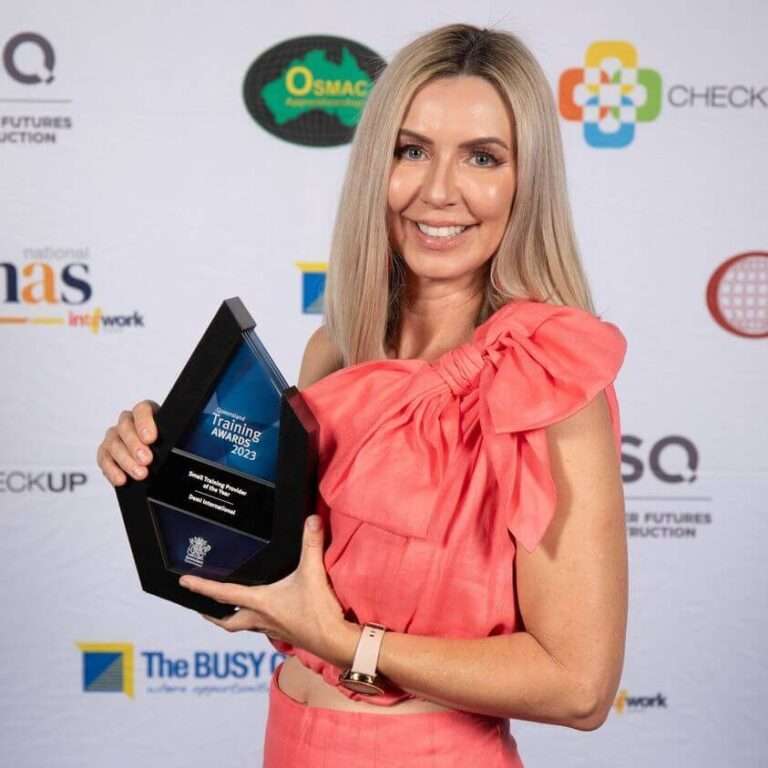
Winning the Australian Women’s Small Business Champion Award for Homes & Renovations three years in a row has certainly raised our profile. We’ve also been finalists in national design awards and winners in the local business awards, and those moments help validate what we’ve been building for years: a professional, respected design studio that’s here to stay.

But the real turning point came when I stopped trying to “market” the business and instead focused on showing people how we work—openly, clearly, and with care. Presenting to standing-room-only crowds at expos helped reposition me as a leader in the space. I wasn’t just another designer—I was someone sharing technical insight, compliance knowledge, and practical guidance in a way people could relate to and trust.

My collaborations with builders and with Beaumont Tiles at Castle Hill have also been a huge part of that shift. These aren’t one-off partnerships—they’re built on mutual respect. I listen to trades, value their input, and make decisions that work for everyone involved. That level of professional courtesy goes a long way, and it’s led to a lot of referrals—from trades, reps, and suppliers who’ve seen how we operate and feel confident recommending us.

I also think a big part of our public image now comes down to how we handle things when they don’t go to plan. We own mistakes. We solve problems quickly. We don’t shift blame—we take responsibility. That builds trust, and over time, that trust becomes your reputation.

The shift happened gradually—through consistency, professionalism, and a genuine passion for what we do. It’s why our name comes up in referrals, why reps put our brochures on display, and why clients tell their friends about us. It all comes down to honesty, integrity, and delivering what we say we will.

In your own words, how do you measure success beyond profit—in terms of legacy, influence, or cultural impact?

For me, success is about the ripple effect—how the spaces I design make people feel, function, and belong. Financial stability is important, of course, but real success is measured in how much of a difference we make to people’s everyday lives.

Design has a direct impact on wellbeing—physical, emotional, and mental. A well-considered home can reduce stress, support routines, and offer calm at the end of a busy day. A well-designed workplace can lift morale, improve productivity, and reduce staff turnover. I’ve seen it firsthand clients who tell me they feel like they can finally breathe in their home, or businesses that grow faster than expected because the environment actually supports the people in it.

It’s also about the legacy I leave in my own community. We employ local staff. We support local suppliers and trades. And that creates a ripple effect that feeds back into the economy. But beyond that, it impacts families. When you give someone stable work they enjoy, you’re also helping provide security for their household, their kids, their future.

And then there’s inclusive design—this is something I’m incredibly passionate about. I believe accessible design shouldn’t stand out like it’s been added on—it should be built in from the beginning. When I design bathrooms, I reinforce the walls so grab rails can be added later. I look at lift access, circulation space, and comfort—not because someone asked for it, but because it should be standard. Everyone should be able to use a space without having to ask for special consideration.

I know what it’s like to be on the other side of that. Pushing my husband in a wheelchair through a crowded store, unable to turn into an aisle or access an entryway because it wasn’t designed for anyone outside the “norm.” It’s not just inconvenient—it’s excluding. And I want my legacy to push back against that quietly but powerfully.

I want design to be recognised as a necessity, not a luxury. Something that’s worth every cent because it improves quality of life, reduces stress, and gives people spaces that fit them—without fuss, without compromise, and without needing a neon sign saying “accessible.”

If people remember me as someone who designed spaces that felt good, worked well, included everyone, and left the people inside them better off than when they arrived—that’s success to me.

What’s a daily or weekly ritual that keeps you grounded and in touch with your brand’s mission, even when business gets chaotic?

Every day starts the same way—I read our mission statement. It’s not just words on a wall; it’s a daily reminder of what we stand for: We are driven by creativity, grounded in realism, and committed to honesty, trustworthiness, and transparency. We are here to educate people on the power and importance of design—because design shapes how people live, connect, and thrive. And we are proud to be working toward being the benchmark for design excellence.

That five-minute check-in realigns my focus—especially on the days that spiral off-plan (which happens often in this industry). The whole team knows this mission. It’s not just mine; it’s something we talk about, come back to, and use to guide the way we approach our work, especially when things get pressured.

We also have a daily team reset. Every morning, we look at what’s on the schedule and reassess what’s actually urgent. You can have your day mapped out perfectly—accounts in the morning, a few marketing tasks lined up—and then you get the call: something’s gone wrong on site. A product has arrived damaged or the wrong tile’s been delivered, and suddenly the whole trade sequence is at risk of shutting down. That becomes the priority.

That’s the nature of what we do. The plan isn’t just there to follow—it’s there to flex. We’ve built systems that allow us to stay agile without letting anything fall through the cracks.

That kind of daily ritual—mission check-in, priority reset, clear communication—keeps us grounded. It helps us stay professional in an industry that can be unpredictable. And it means we keep moving forward with purpose, no matter what the day throws at us.

How do you approach innovation in a way that makes your brand both trend-aware and timeless?

For us, innovation is about choosing progress with purpose. It’s not about being first to everything—it’s about knowing what’s worth bringing in, what adds real value to our clients, and what helps us deliver on both function and aesthetic, long-term.

We’re constantly learning. Whether it’s through trade shows, industry expos, supplier updates, or hands-on mentoring with our Designer Chicks network, we stay across what’s emerging—new products, new tech, new materials. But we filter all of that through experience and practicality. We don’t follow trends just because they’re new—we ask whether they make sense for the space, the budget, and the way someone actually lives or works.

From a technology point of view, we use the most up-to-date software and tools available. That includes animated walkthroughs, detailed renders, and a client portal that keeps every part of the process transparent and traceable. These tools help clients visualise what’s coming, avoid expensive mistakes, and feel confident in the decisions they’re making. It also helps us collaborate more effectively with trades and suppliers—everything’s precise, coordinated, and easy to follow.

But innovation isn’t just about tools—it’s also about mindset. We design with the future in mind. We think about how a space will be used in five or ten years. Will it still work if the family dynamic shifts? If mobility changes? If the business grows? That’s where timelessness comes in—not from ignoring trends, but from layering them with functionality that lasts.

We also explore trends with clients when they bring them up—sometimes we model them in the walkthroughs so they can see the impact, and sometimes we talk through why it may or may not be the right fit. That back-and-forth is part of our process. It keeps us fresh, but grounded.

So our innovation approach is a mix of constant learning, selective adoption, and a deep respect for what will stand the test of time. We’re not here to make a space look current—we’re here to make it work for years to come.

If you could pass down only one piece of wisdom to the next generation of entrepreneurs, what would it be and why?

Keep learning. Always.

Education—whether formal through university or practical through business coaches, council programs, or industry training—is the most valuable investment you can make in yourself and your business. The more you learn, the more confident and capable you become.

You don’t know what you don’t know—and in business, that can lead to mistakes, missed opportunities, or poor decisions. But the more you educate yourself, the more you start to think critically, to question things properly, and to make informed choices that move you forward.

That’s something I’ve committed to from day one. I’ve taken courses, worked with coaches, studied business systems, and stayed up to date with the technical side of design. It’s not about ticking off qualifications—it’s about being equipped to lead a business properly, to adapt when things shift, and to keep growing.

So if I could offer one piece of advice to anyone starting out, it’s this: educate yourself, consistently and deliberately. It gives you options. It gives you confidence. And it’s the surest way to build something that lasts.

Winning recognition in your industry is no small feat. What behind-the-scenes decision or move do you believe made that possible?

What’s made the biggest difference is the way we’ve structured the business—building clear systems, delivering consistently, and focusing on quality at every stage. 

One of the most important decisions was creating solid, repeatable processes. We use client portals to track every decision, set timelines so clients understand what’s happening and when, and include things like animated walkthroughs to help them visualise the outcome. Those tools give clarity and confidence, not just for the client, but for our whole team and trades.

We also made a shift a few years ago to only take on projects that align with our way of working. That’s made a huge difference—not just to the final result, but to how smooth the process is from start to finish. We’re able to do our best work when we’re working with the right people and on the right types of projects.

And applying for awards has played a part in how we reflect on what we’ve achieved. When you sit down to answer the questions, you realise just how many systems, structures, and successes you’ve put in place. It forces you to stop and acknowledge what you’ve built—not just as a designer, but as a business owner.

Our proudest recognition so far is winning the Australian Women’s Small Business Champion Award for Home and Renovations three years in a row. We’re believe we’re the only business to have achieved this—and that speaks to the consistency and strength we’ve built behind the scenes.

That kind of recognition doesn’t come from surface-level results. It comes from day-in, day-out effort: from showing up, doing things properly, and creating a business that’s as solid behind the scenes as it is in its final outcomes.

How have public recognition, awards, or media features shifted opportunities for your brand in unexpected ways?

Recognition—whether through awards, media, or word of mouth—has definitely opened doors. But what’s mattered most is how it’s changed the way I’m seen by my peers.

One of the most meaningful moments for me wasn’t actually an award at all. It happened at a recent KBDi event, when several designers came up to say they always pay attention to my answers in industry forums—that they listen, because they know what I share is grounded, considered, and valuable. That kind of feedback isn’t something you can buy. It only comes from experience, consistency, and a reputation built over time.

And then there was a moment I’ll never forget—a journalist from Connect magazine approached me and said, “I just wanted to introduce myself—you’re one of the stalwarts of the design industry.” That comment meant more to me than any trophy. Because when your peers—and the industry itself—see you as a steady, reliable presence who’s made a real contribution, that speaks volumes. That kind of respect can’t be manufactured.

I genuinely believe that recognition like this has come about through a combination of hard work, honesty, and integrity, alongside the visibility that awards and media features bring. It’s helped amplify my mission to become the benchmark for design excellence, not just in the work we deliver, but in how we run our business and how we contribute to the wider industry.

These opportunities have led to more speaking engagements, deeper industry connections, and new collaborations—but more than anything, they’ve validated the way we work: quietly, thoroughly, and with a genuine commitment to getting it right.

If someone hears your name or sees your work just once, what’s the one message or feeling you hope they leave with?

If they’re looking at a space I’ve designed, I want them to feel something. That might be a sense of calm—like they’ve finally found a place that lets them breathe—or it might be a quiet buzz of excitement, the kind that makes you want to explore, to linger, to take it all in.

Whatever the purpose of the space, the feeling should match it completely. It should feel considered, cohesive, and almost like it’s wrapped around you. The ultimate compliment is when someone walks into a space and says, “This just feels like me.” Like they’ve become one with it. Like it fits them, holds them, reflects them.

Design isn’t just visual. It’s emotional. And when a space is done well, you don’t always know why it feels good—you just know that it does. That’s the response I hope for.

And if it’s my name someone remembers, I want it to be attached to integrity, honesty, and transparency. That they know I’m someone who does things properly, who says what they mean, and who stands by their work. That’s the reputation I’ve worked hard to build—and it’s one I’m proud to carry.

Contact & Socials for Inspired Spaces

Website

Email

Instagram

LinkedIn

Facebook

Pinterest

Katya Komarova on Sustainable Fashion, Stitch-Free Design & Building a Timeless Brand

0

As part of the Morning Lazziness series highlighting empowering women who are making a remarkable impact with their ideas, I had the pleasure of interviewing Katya Komarova.

Katya Komarova began her career in fashion more than 20 years ago as a model, working with renowned brands and creatives around the globe. During one of her contracts, she discovered a passion for leatherwork—a skill that led her to study Bag Making & Design in Florence before eventually relocating to Australia.

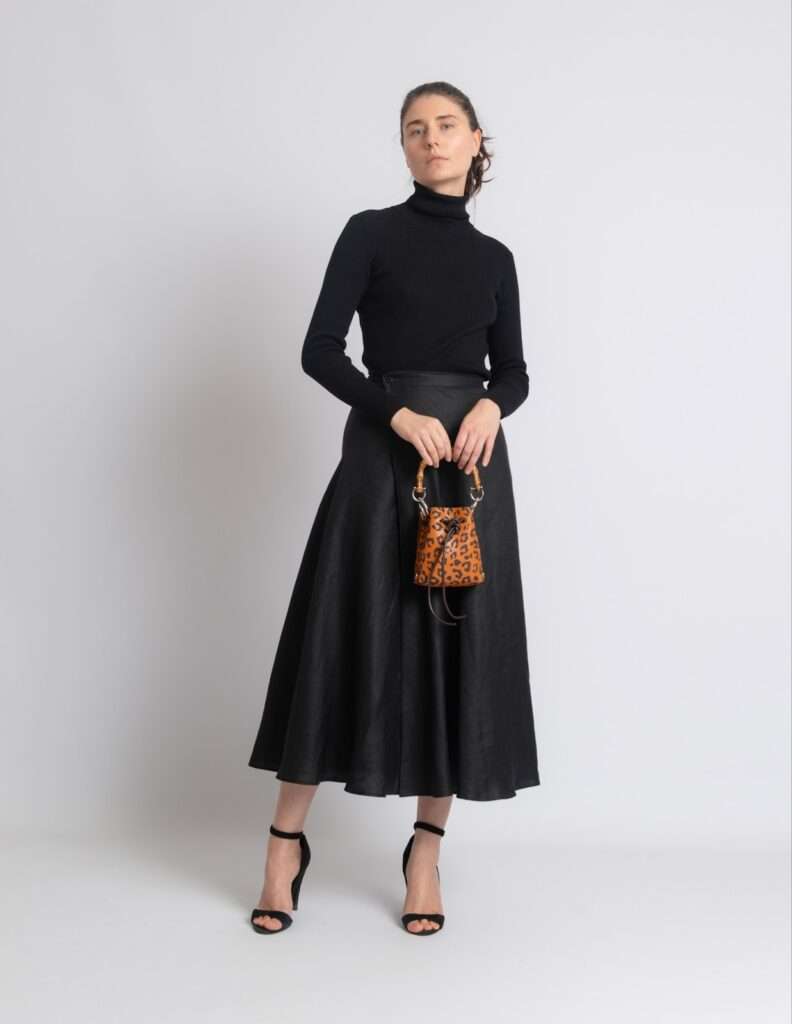
Today, Katya is the creative force behind her namesake label, celebrated for its distinctive minimalist, stitch-free designs. By pioneering innovative techniques, she creates clean, seamless silhouettes that highlight the natural beauty of premium materials, while offering functional versatility—such as foldable bags ideal for travel.

Sustainability is at the heart of the Katya Komarova brand. From eco-conscious production practices to the circular economy approach of its Second Chance initiative, the label is dedicated to reducing fashion’s environmental footprint. With her unique blend of artistry, craftsmanship, and responsibility, Katya has built a brand that embodies timeless elegance, innovation, and mindful living.

In this interview, she reflects on the pivotal moments, hard-earned lessons, and defining wins from her journey in building thriving online ventures.

What inspired you to start your business, and what problem were you passionate about solving? 

I spent years in the fashion industry as a model working for amazing brands around the world, and I couldn’t not try creating something of my own. When I started working on my handbag label, I started uncovering the issues in the industry and the challenges my future customers face. These learnings kept inspiring me to create the product that addresses the sustainability issues and helps women and men have more fun with their accessory game while still being a responsible consumer.

How has your business evolved since its launch, and what key decisions have helped drive that growth?

Oh, it’s been a journey. A few major milestones included moving production from China to Australia, which completely reshaped the product and the way we do business, then growing the team and learning how to delegate, finding new revenue streams to be crisis resistant and so much more. And in each of these moments, the decisions that made it work were the ones of asking for help, signing up for another online course, agreeing to yet another crazy opportunity. You only see results, where your focus and effort is.

In your view, what truly sets your brand apart in today’s competitive market?

Some of the key points of difference include the responsible production in Australia, the stitch-free technique that our bags are made with, which enable our clients to unfold bags for easy storage and traveling, and of course the interchangeable straps and handles that enable you to look different everyday. We are currently working on incorporating AI and allowing our customers to design their own prints on their bags as well. Our mission is to inspire everyone to express themselves through fashion, yet do it mindfully with respect for the planet. 

What has been your most effective marketing strategy to date, and why do you think it worked so well?

Throughout the years in business, I’ve come to the conclusion that there is no one tool that will deliver the result that we want. So, our strategy has been a combination of consistent social media posting, occasional media mentions, educational blogs on our website, seasonal offline events, and paid advertising, targeting those who had a touch point with our brand before through the above. And once again, you really see the result if you put in the effort. It’s particularly obvious when we show a certain styling tip on our Instagram and then this particular style performs the best on the website.

How do you stay connected to your ideal audience and understand their needs or behaviors?

katya komarova

We are quite engaged with our customers through social media and of course the offline events. It’s a challenge when operating mostly online, but there are ways. Also, we are always very open to any feedback and have processes in place to collect the ongoing data on what our customers like or dislike.

What’s one branding move or campaign that helped elevate your business to the next level?

It was a decision to move away from big sale events like Black Friday and create our own. We run it during my birthday week and give a discount equivalent to the age I turn on that year. It creates a lot of buzz around the brand and we generate months of revenue in just one week. This birthday sale week also brings a lot of new customers, which is great, 

What does success look like for you, not just in numbers, but in purpose or impact?

I think it starts with numbers anyway. That way you can really measure the impact. For example, our customer return rate is 50%. This means half of people who shop with us come back for their second, third, fourth purchase. There are some customers who own more than 10 of our bags. It’s so heartwarming, knowing there are people who appreciate what we do and understand our philosophy. That is true success to me. 

How do you personally define success, beyond revenue and growth metrics?

I feel successful when I have the freedom to do what I love and when whatever I love and create for other people is appreciated and chosen over other options. It feels very special. I also feel successful in my personal life because I am in healthy relationships and these relationships are not interfering with whatever I choose to do professionally. 

Can you share a challenge or setback that ultimately became a turning point for your brand?

I remember back in 2018 my brand was barely growing and my husband was questioning if I should keep doing it. I sat down with a thought – can I just kill my brand? I realised, I can’t. It’s such a huge part of me and who I am. At that moment something truly special happened. I made a pact with myself that I have to make it work. I enrolled in a social media course, I found partnerships, I felt the urge and hunger for success. Everyday I started asking myself ‘What can I do today to make a sale?’. It worked. I think until you truly and feel like you have to have it, there is no way back, you don’t know your full potential. I had to become angry with myself, in a way, to really push through.

What daily habits or rituals keep you focused, creative, and grounded as a leader?

I do have a bit of a routine. I write morning pages to keep the thoughts flowing and to give myself a space to get it all out. I exercise, I eat healthy, I sleep 8 hours, I regularly walk. All this gives me enough energy to be productive and tick off a lot of things in a week. I also read a lot of business literature, inspire myself with fashion reports, and watch beautiful movies to stay connected with my creative self. These kinds of activities are very unique for me and my industry, but one thing that works for everyone is your body. I believe if you eat healthy, look after yourself, you can achieve incredible things, because your healthy body and mind will always drive you to use your potential.

How do you approach innovation and risk in your business strategy?

I’m using one of the effectuation theory principles – affordable loss. We have to innovate in order to stay relevant, but it should be done within the available resources and investments or losses that don’t destroy what is working today. I try not to rush and set realistic expectations on what and when can be done, while trying to go ahead of the competition.

What advice would you give to someone starting a business in today’s fast-changing digital world?

I recommend embracing this digital world and using it in full. It’s amazing what you can currently do with AI. Use it! I also can’t stress enough on the power of people. Find partnerships, grow your team, don’t do it by yourself. It’s much easier to do it with like-minded.

Where can our audience connect with you and learn more about your work or offerings?

Our Instagram account 

Our website

I also love connecting with other entrepreneurs and having meaningful discussions.

Tika Hasborth on Building DOVENA: Activewear with Purpose, Confidence & Conscious Design

0

As part of the Morning Lazziness series highlighting empowering women who are making a remarkable impact with their ideas, I had the pleasure of interviewing Tika Hasborth.

Tika Hasborth is the founder of DOVENA, a premium activewear brand that merges performance, style, and wellness. Tika’s vision for DOVENA began with a simple idea: women deserve activewear that supports their movement, empowers their confidence, and aligns with their values.

With a background in advertising, Tika understands the power of connection. She has built DOVENA through authentic engagement on social media, interactive content, and personal conversations with the women who form the brand’s growing community. Her approach goes beyond selling products; it’s about nurturing relationships and creating a space where women feel aligned, inspired, and part of something meaningful.

DOVENA is rooted in ethical production and a no-waste philosophy. Tika works closely with manufacturing partners to ensure every piece is thoughtfully made, and leftover fabrics are repurposed to minimize environmental impact.

Through innovative design, attention to detail, and intentional community building, Tika has created more than an activewear brand-she has created a movement that celebrates women’s strength, wellness, and self-expression.

In this interview, she reveals the mindset shifts, bold moves, and lessons that helped her turn ideas into impactful online businesses.

What inspired you to start your business, and what problem were you passionate about solving?

I have always been drawn to the intersection of business, fashion, and design. After becoming a mother, I felt an even deeper urge to create something lasting, something that aligned with my values of quality, strength, and self-expression. I noticed how much of the activewear in the market wore out quickly and lacked that elevated detail that makes women feel both confident and comfortable. 

DOVENA was born out of a desire to change that. I wanted to design sculpting activewear that blends functionality with chic style, made to last through every movement, every season, and every stage of life.

How has your business evolved since its launch, and what key decisions have helped drive that growth?

Although DOVENA officially launches Embody in October, the journey so far has been about refining every detail to ensure the brand truly reflects strength, quality, and purpose. One of the most important decisions I made early on was to focus on fabric innovation and sculpting design. By creating activewear that not only flatters but also performs, I set the foundation for pieces that women will feel confident reaching for again and again.

Another key decision has been nurturing genuine relationships with the community. People don’t want to be sold to—they want to feel aligned with a brand and the person behind it. Rather than simply showing products, I’ve shared the story, the process, and the heart behind DOVENA. That authenticity has been the bridge between the brand and the women who will wear it.

The evolution has been about balancing creativity with strategy, and trusting that when you lead with vision and integrity, growth naturally follows—even before the first launch.

In your view, what truly sets your brand apart in today’s competitive market?

DOVENA is more than activewear; it is a representation of strength, movement, and confidence. Every collection begins with fabrics I have personally developed to ensure a sculpting fit, premium comfort, and durability that truly supports women through every stage of their lifestyle. I wanted to design pieces that don’t just perform in the studio but also transition effortlessly into everyday life, whether that is a morning Pilates class, a walk along the coast, or catching up with friends.

What sets DOVENA apart is the commitment to detail and integrity. From the sculpting lines to the signature V hardware and the carefully selected neutral palette, every design choice is intentional. At the same time, our values ground us. Every piece is ethically produced, and we work closely with our manufacturing partners to ensure transparency and care at every stage. Leftover fabrics are donated to a local artisan who repurposes them into scrunchies, allowing us to reduce waste and extend the life of every material.

DOVENA is designed not only to empower women in how they look and feel, but also to reflect values of responsibility and consciousness. When women wear DOVENA, they know they are choosing pieces that elevate their movement, support their lifestyle, and honor the world around them.

What has been your most effective marketing strategy to date, and why do you think it worked so well?

Coming from the advertising industry, running paid ads has always been a skill of mine. But I quickly learned that when you are building a start up, ads alone don’t create the connection you need, especially in the beginning when no one knows your brand yet. What worked best for DOVENA was focusing on organic growth; sharing authentic content on TikTok and Instagram that sparked curiosity and interest.

From there, the real game changer has been taking the time to personally connect with women who engage with the brand. I would reach out to new followers through direct messages, not with a sales pitch, but to genuinely build relationships and understand what they were looking for in activewear. That personal touch created trust and loyalty before any transaction happened.

I believe it worked so well because people don’t just want to buy activewear, they want to feel part of something that reflects their values and lifestyle. By leading with community first, the ads I will run in the future will be so much more effective, because there is already a foundation of connection and trust.

How do you stay connected to your ideal audience and understand their needs or behaviors?

For me, staying connected starts with genuine conversations. I make it a priority to engage with women directly on social media, whether that’s replying to comments, answering messages, or personally reaching out to new followers. Over time, I’ve also been slowly building up a community group where women can share, connect, and feel part of DOVENA’s journey.

I love using interactive tools like polls, question boxes, and votes on Instagram Stories or through email marketing. They not only spark engagement but also give me real insight into what women are looking for, what colors or designs they gravitate toward, and how they want to feel in their activewear.

It’s a mix of listening and observing; watching how they interact with content, while also giving them the space to tell me directly what matters to them. That ongoing feedback loop helps me shape collections and experiences that align with their needs, while making sure DOVENA always feels personal and connected.

What’s one branding move or campaign that helped elevate your business to the next level?

One of the most impactful moves for DOVENA was leaning into storytelling and showing the process behind the brand, sharing not just the product, but the values that drive us, like ethical manufacturing and reducing waste. That openness built trust and created a deeper connection with women who want to feel aligned with the brands they wear.

Another key decision was embracing collaboration. I truly believe we are all connected through wellness and active living, so partnering with other like-minded brands and women who embody that lifestyle has been a powerful way to grow. These collaborations not only expand our reach but also amplify the shared message of movement, strength, and community.

Looking back, the real turning point was combining authenticity with collaboration, inviting women to see themselves in DOVENA while building meaningful partnerships that reflect what we stand for. That approach elevated the brand from activewear into a connected community.

What does success look like for you, not just in numbers, but in purpose or impact?

For me, success is about creating a brand that women feel truly connected to. It is not measured solely in sales or growth metrics, but in the way DOVENA inspires confidence, supports movement, and becomes part of women’s daily lives. When a woman tells me she feels empowered, comfortable, and seen in our pieces, that is a moment of real impact.

Success also comes from building a community rooted in wellness and active living, where collaboration and shared values matter as much as the product itself. Knowing that our brand prioritizes ethical production, reduces waste, and partners with women and brands who share our vision makes every decision feel meaningful.

Ultimately, success is leaving a positive footprint on the women who wear DOVENA, on the people who help bring it to life, and on the world around us, while staying true to the values and purpose that inspired me to start this journey.

How do you personally define success, beyond revenue and growth metrics?

For me, success is measured by the impact I create and the values I uphold, not just numbers. It is seeing women feel confident, supported, and empowered when they wear DOVENA. It is building a community rooted in wellness, active living, and meaningful connections, where collaboration and shared purpose matter as much as the product itself.

Success is also about protecting my energy and wellbeing, making intentional choices, and surrounding myself with people who uplift rather than drain. When I can create work that aligns with my purpose, inspires others, and reflects the standards I hold for ethical and thoughtful practice, I know I am succeeding.

Can you share a challenge or setback that ultimately became a turning point for your brand?

I was originally supposed to launch DOVENA last year, but I found myself so focused on escaping a difficult and draining relationship that I realized I wasn’t fully embodying the message I wanted to share with our community. DOVENA is about movement, confidence, and becoming the person you want to be, and I knew I needed to live that for myself before I could authentically inspire others.

I took a six-month break to focus on my mental health and wellbeing, and it was during that time that I found the clarity and motivation to pick myself up and continue building the brand. The most important lesson I learned is that when you surround yourself with people or situations that drain your energy and focus, it is far too expensive. Protecting your energy and prioritizing your wellbeing is not only essential for personal growth, but also for the success and authenticity of your work.

This season of my life has also deeply impacted how I show up online. As a single mum navigating these challenges with a child in the picture, there are days where I simply don’t have the same space and time to fully show up as I would without these circumstances. But instead of seeing that as a setback, it’s given me a new perspective—one that values presence over perfection, and intention over volume. It’s taught me that showing up authentically, even imperfectly, can be just as powerful, and that’s the energy I want to bring into DOVENA.

That’s why our Embody range carries the tagline “embody the energy you seek” across every sizing tag—it’s not just a phrase, it’s a reminder. A reminder to myself, and to every woman who wears DOVENA, that even in the messiness of life we have the power to choose the energy we step into and carry forward.

What daily habits or rituals keep you focused, creative, and grounded as a leader?

My mornings set the tone for my day, so I always start with movement and sunlight. Whether it is a short walk, some stretches, or gentle Pilates, moving my body while feeling the sun on my skin helps me feel present and energized. Self-care is built into that time, allowing me to pause, breathe, and recentre before the day fully takes over.

As a mother, my mind often goes a thousand miles per hour from the moment I wake up. It is easy to get caught up in constant organisation and planning, and without awareness, that can lead to burnout. Being intentional about this ritual helps me stay grounded, focused, and creative. It reminds me that taking care of myself is just as important as taking care of my business and family, and that balance is what allows me to lead with clarity and purpose.

How do you approach innovation and risk in your business strategy?

Risk is part of the journey, and I have learned that meaningful growth often comes from stepping outside of comfort zones. Whether it is testing a new marketing strategy, collaborating with other like-minded brands, or exploring new ways to reduce waste and produce ethically, I see calculated risks as opportunities to learn, evolve, and strengthen the brand. For me, innovation and risk are inseparable—they are what allow DOVENA to stand out, inspire women, and lead with purpose.

What advice would you give to someone starting a business in today’s fast-changing digital world?

My advice is to focus on building a strong foundation before chasing shortcuts or trends. In today’s digital world, it is easy to get caught up in algorithms, paid ads, or viral content, but true growth comes from connecting authentically with your audience and understanding their needs. Take the time to listen, engage, and nurture a community that believes in what you are creating.

Work on your business with intention and clarity, and be mindful of your energy. Mental health is crucial, because the focus and presence you bring directly affect the outcomes of your work. If you are rushed or burnt out, the results will rarely match your vision. Pair risk and experimentation with purpose, consistency, and self-care, and you will build something meaningful.

Where can our audience connect with you and learn more about your work or offerings?

You can connect with DOVENA on Instagram, TikTok and a Facebook Group called Women In Motion by DOVENA, where we share new collections, behind-the-scenes insights, and stories about the women and values that inspire our brand. We also keep our audience updated through our email newsletter, which includes exclusive launches, polls, and opportunities to engage with the community. 

For those who want to explore the collections directly, DOVENA is available online through our website, where every piece is thoughtfully designed to support movement, confidence, and wellness. We will release our first drop in October 2025.

Feel free to download any assets from our assets library for the EMBODY range.

Kirsty Nancarrow on Storytelling, Media Training & Women’s Empowerment

0

As part of the Morning Lazziness series highlighting empowering women who are making a remarkable impact with their ideas, I had the pleasure of interviewing Kirsty Nancarrow.

Kirsty Nancarrow is an award-winning journalist, business owner, and author based in Cairns, Queensland. She grew up in Sydney and began her journalism career in community newspapers. The Master of Journalism graduate completed internships in radio and television before moving to outback Australia in 1999 to take up a posting with the Australian Broadcasting Corporation in Alice Springs. This is where Kirsty met her husband and started her first business as a salsa dance teacher.

After a two-year stint in London managing media relations for the UK nursing and midwifery regulator, Kirsty returned to Alice Springs. In 2010, she moved to Cairns to become the Lead News Reporter and Chief of Staff at the ABC’s Far North Queensland bureau. 

Kirsty developed post-traumatic stress disorder, and after volunteering as a teacher in Batase, Nepal, during a leave of absence from the ABC, Kirsty decided she wanted to become a trainer and author. Himalayan Dreams: The Story of Som Tamang – How a child slave moved mountains to save a generation in Nepal was published on International Women’s Day in 2024. The #1 Amazon bestseller has sold in more than a dozen countries.

In 2017, Kirsty founded Regional Media Training, delivering workshops Australia-wide. Until recently, she was also the Co-Director of the award-winning company, eMotion Video Training & Production.  Kirsty is a professional speaker and MC. She is the founder of Women in Media Far North Queensland and proudly mentors regional journalists and business owners. 

In this interview, she reflects on the pivotal moments, hard-earned lessons, and defining wins from her journey in building thriving online ventures.

What inspired you to start your business, and what problem were you passionate about solving?

Throughout my 30-year career in media and communications, I have seen a disconnect between journalists and organisations. Reporters are under greater pressure than ever to meet deadlines across a 24-hour news cycle, and people are often reluctant to engage with the media, fearing how they may be represented. I established Regional Media Training in 2017 with the aim of bridging that gap. Helping organisations and individuals deliver what journalists need and giving them the tools to present their message with clarity and confidence enables them to harness the enormous power of the media to create awareness, influence change and highlight achievements. As a senior ABC journalist, I had always enjoyed mentoring young reporters, so moving into a training business was a natural progression.

How has your business evolved since its launch, and what key decisions have helped drive that growth?

My business started as a side-hustle in 2017, and I continued to work in a senior communications role in government until deciding to jump into full-time self-employment and write a book in mid-2020. I developed a client base and began building my reputation as a trusted media trainer. In late 2019, I moved into a collaboration with a friend and former media colleague, and I have been the Director of eMotion Video Training and Production for the past six years. We initially delivered smartphone video workshops in Cairns to micro and small business owners. During the pandemic, we began receiving requests for video production and as a former video journalist and television editor/camerawoman, we evolved our business to respond to this need. During my six years as a Director, I delivered dozens of video, media, and presentation skills workshops all over Australia. We won the 2023 Cairns Business Women’s Club Collaboration of the Year Award and were finalists in many other awards. I have now returned to Regional Media Training as a sole trader to allow more time for family, travel and speaking engagements. 

In your view, what truly sets your brand apart in today’s competitive market?

The ‘Regional’ in Regional Media Training sets my business apart. Most media trainers are based in capital cities and bring that lens to their training. Having worked as a journalist and communications professional in Alice Springs and Cairns for most of my career, I understand the regional context better than most, and my training reflects this. My approach is very supportive, helping clients understand how the media works so they can have effective interactions with journalists, and building confidence, working with individual strengths and sharing tools to ensure people are feeling calm and focused when they give a presentation or media interview. I love working with organisations in remote areas and will travel to even the smallest corner of the country to deliver training on site for clients.

What has been your most effective marketing strategy to date, and why do you think it worked so well?

Without a doubt, networking has been my most effective marketing strategy. Being active in the community and having face to face conversations with people brings connection, trust, and invaluable brand awareness. It has led to many referrals. You never know when someone will need what you have to offer and being out there as the face of your business is impactful.

How do you stay connected to your ideal audience and understand their needs or behaviors?

LinkedIn Sales Navigator has been a great resource for finding organisations I’d like to work with and connecting with key decision-makers. I use pre-training consultation sessions to ensure the training meets the needs of the participants and their organisation. I also have anonymous feedback forms after each workshop to help with continuous improvement.

What’s one branding move or campaign that helped elevate your business to the next level?

Taking unpaid opportunities to deliver shorter skills workshops or talks sharing tips and training, has helped to elevate brand awareness and connect to new audiences, which has, in many case,s led to future paid business.

What does success look like for you, not just in numbers, but in purpose or impact?

I believe everyone has a story to tell. As a journalist and author, I have had the privilege of illuminating many stories and creating awareness about issues such as gender equality, mental wellbeing, and women’s health. By empowering people to share their own stories through skills development, I hope to encourage more people to share their own great stories, creating a ripple effect.

How do you personally define success, beyond revenue and growth metrics?

For me, success is taking someone from a position of fear about speaking to the media or in public and seeing them embrace these opportunities to share their important message. Personally, it is about having a balance between work, family, leisure and community. Having my work valued by testimonials, referrals and awards is a bonus.

Can you share a challenge or setback that ultimately became a turning point for your brand?

The pandemic meant in-person workshops, the initial premise of eMotion Video, could not happen very early into our business journey. Being able to pivot to online delivery and video production showed we could be nimble and respond quickly to changing dynamics and client needs.

What daily habits or rituals keep you focused, creative, and grounded as a leader?

Having experienced insomnia, depression, and PTSD, sleep hygiene is very important, so I try to maintain a consistent bedtime and utilise breathwork, meditation and reading to create a calm environment. I wake around 5:30 am each day and start most days with a rainforest hike with other people. The conversations foster connection, creativity, problem-solving, and ideas and I start my working day happy, energised, and invigorated. I have trusted mentors and offset the potential isolation of working at home by attending networking events or scheduling coffee meetings.

How do you approach innovation and risk in your business strategy?

Innovation is driven by changing trends such as the media landscape and how people are consuming social media or accessing information. I am also influenced by the conversations we have during the training, monitoring changes and adapting accordingly. From a risk point of view, I have minimal overheads, insurance, and I continue to develop new workshops and services to diversify my income and remain relevant and responsive to client needs.

What advice would you give to someone starting a business in today’s fast-changing digital world?

By all means, stay tuned to changing trends, but remember you are your point of difference, so don’t lose yourself in your pursuit of trying to keep up with a fast-changing digital world. Outsource or use apps to do what you are not good at, and don’t be afraid to market yourself. It feels uncomfortable at first, but if you reframe your thinking to “I am helping someone and solving a problem”, it becomes much easier to sell what you have to offer. 

Where can our audience connect with you and learn more about your work or offerings?

Websites:

Former UAE 5-star flight attendant turned entrepreneur: Paula S. Adams on Elevating Aviation, PR & Entrepreneurship

0

As part of the Morning Lazziness series highlighting empowering women who are making a remarkable impact with their ideas, I had the pleasure of interviewing Paula S. Adams.

Paula S. Adams is a former commercial flight attendant with one of the UAE’s prestigious 5-star airlines who has since transformed her aviation career into entrepreneurship. Today, she works as a VIP Flight Attendant on private jets and as an Aviation & Business Trainer, while also leading a business that blends marketing, media, and aviation services.

Through her specialized aviation media and PR solutions, Paula helps aviation brands and entrepreneurs look good, sound good, and stay trusted in the public eye. With her unique mix of luxury aviation experience and strategic communication expertise, she elevates reputation, presence, and brand authority—empowering clients to inspire confidence and stand out in a competitive global industry.

In this interview, she talks about the obstacles she’s overcome, the milestones she’s achieved, and the wisdom she’s gained along the way.

What’s the origin story behind your business, and how does it reflect who you are beyond the entrepreneur title?

With 5 years soaring the skies as a Flight Attendant and Cabin Manager, from the bustling hubs of Abu Dhabi and Dubai to destinations across the globe, I’ve had the privilege of serving both commercial (Etihad Airways) and VIP private clients. Today, I combine my passion for aviation and people as a Freelance Corporate Flight Attendant for VIPs, while also running my own online Aviation Business Center for over 7 years.

I support airlines and private jet companies, also recently entrepreneurs from different sectors, like coaches, consultants, business owners and more, with Social & Digital PR Strategy, PR Campaigns & Media Relations, which involves building strong media connections, pitching stories, and securing valuable press coverage and also with Content Creation & Storytelling, in crafting articles, features, and campaigns that capture the essence of luxury aviation (for the aviation niche) and of online business owners (when it comes to the entrepreneurial sector).

Another valuable part of my aviation media services comes to Corporate Communications Training – preparing executives, entrepreneurs and crew for media interviews, public speaking, and brand representation – and Reputation & Brand Management in shaping positive perception and handling sensitive communications with discretion.

How did it all start? While I’ve been navigating the skies and training teams behind the scenes, I’ve been building my brand off the Western grid, all by referral, no social media. I’ve worked across cultural borders – training Chinese executives in Business English & global etiquette for more than 7 years – also trained aspiring flight attendants worldwide, helped former crew transition into digital entrepreneurs, and continued flying as a VIP flight attendant.

I first built my presence in the Chinese market back in 2018, where platforms like WeChat, Weibo, and Xiaohongshu set the tone for my business – not LinkedIn or Instagram. It worked beautifully. Later, I shifted runways to Western media, and before I even introduced myself, I was featured in Travel + Leisure, HuffPost, Bored Panda, Newsweek, Parade, Tom’s Guide, and syndicated by Yahoo News – all without a single social media post, all without hashtags, reels, or a social media presence. Just expertise, confidence, and a story worth sharing.

Now, I use that same media coverage expertise to help aviation brands and online entrepreneurs, like coaches, consultants, and business owners, elevate their presence, reputation, and trust through powerful media and PR strategies.

My business was born out of a simple truth: I didn’t want to choose between my love for aviation and my passion for mentoring and creativity. After years in the cabin, I saw how much knowledge, adaptability, and confidence flight attendants carry, and I wanted to channel that into something bigger. So I built a space where aviation meets business, where I can still fly, still connect with people, and also guide others to write their own success stories. Beyond the entrepreneur title, I’m someone who thrives on growth, connection, and helping others take off, both onboard or online.

Your work blends purpose with business — what’s the “why” that still gets you out of bed on tough days?

On tough days, my “why” is simple: turning dreams into doors. Whether it’s guiding someone into their first cabin crew role, helping a brand in aviation shine online, or showing former crew how to reinvent themselves in business and getting media coverage – seeing others rise keeps me inspired to do the same.

Many brands offer similar services, but few capture hearts — what’s your secret to building deep emotional resonance with your audience?

It’s the mix of aviation precision, entrepreneurial heart, and global perspective – because whether in Abu Dhabi, New York, or on a private jet, people want to feel seen and valued. I’m a blend of first-class service and global expertise, from commercial cabins to private jets, where I learned how to connect with people from every walk of life. I don’t just share services, I deliver experiences, shaped by years in commercial and private aviation, working with people from every corner of the world.

I’d add that my secret is also living the story I share. From serving 5-star guests at 40,000 feet to guiding aspiring crew and entrepreneurs on the ground, I bring real experiences, human connection, and a touch of cabin-crew warmth into everything I do. People don’t just want services, they want to feel seen, inspired, and taken care of and that’s where the magic happens. Briefly, I don’t just share services, I deliver experiences, with the same warmth, elegance, and attention to detail that once welcomed guests at 40,000 feet.

Turning every interaction into first-class service, where people don’t just feel heard, they feel at home.

Like in the skies, it’s never just about the seat: it’s about how I make people feel, and that’s what keeps them coming back.

What’s been your most effective marketing strategy, and can you walk us through the creative thinking or risk-taking behind it?

My best marketing strategy? While everyone else was busy building personal brands with hashtags, reels, and curated humble brags, I was busy building people. No algorithms needed. Just genuine results that turned clients into walking, talking billboards. Honestly, the only ‘viral’ thing in my strategy has been word of mouth at 40,000 feet.

Building people instead of just building a personal brand still is my best marketing strategy. While many were chasing hashtags and reels, I focused on empowering aspiring crew and mentoring ex-crew into entrepreneurs. And then aviation related or just global entrepreneurs into personal brands. The creative risk was going against the trend, meaning no flashy online persona, just genuine transformation. The result? A reputation that markets itself, with clients becoming my best ambassadors.

How do you listen to your community — not just in surveys or analytics — but in ways that help you anticipate their unspoken needs?

I listen by paying attention to what’s not being said. In aviation, you learn to read people – the glance of a passenger before they ask for something, or the hesitation of a trainee who’s unsure how to voice a question. I’ve carried that skill into business. I look for patterns in conversations, the gaps in what people share, and the challenges they avoid mentioning. Instead of only relying on surveys or analytics, I engage in real conversations, mentor sessions, and feedback loops that reveal those unspoken needs. Anticipating them is about empathy, intuition, and experience – listening between the lines.

Which campaign, collaboration, or strategic shift felt like a true turning point in your brand’s public image?

 The real turning point wasn’t a campaign or a paid collaboration; it was a shift. When I moved from the Chinese market to Western platforms, I suddenly found myself featured in Travel + Leisure, HuffPost, Newsweek, Parade, Tom’s Guide, and more. And here’s the twist: it happened without followers, hashtags, or reels. Just my story, expertise, and confidence. That was the moment my brand image transformed – from being known in niche aviation circles to being recognized by global media.

In your own words, how do you measure success beyond profit, in terms of legacy, influence, or cultural impact?

Success to me is measured in people, not profit: the careers I’ve helped take off, the businesses I’ve guided to thrive, and the trust I’ve helped brands build. That’s legacy.

Can you recall a moment when a failure became a story worth telling in your press or brand narrative?

One client once saw their launch flop: low traction, little buzz. Instead of hiding it, we reframed the “failure” into a story about resilience and lessons learned. That vulnerability made their brand more relatable, and ironically, the press loved it. It turned a missed target into a powerful narrative of growth. In aviation terms, it was a rough takeoff that became the smoothest landing.

What’s a daily or weekly ritual that keeps you grounded and in touch with your brand’s mission, even when business gets chaotic?

My ritual is simple but powerful – I journal every morning. Just a page on what impact I want to create that day, who I can serve better, and what I’m grateful for. It keeps me grounded, reminds me why I started, and connects me back to my mission—because when business gets chaotic, clarity is the best compass.

How do you approach innovation in a way that makes your brand both trend-aware and timeless?

I approach innovation like I approach aviation: always aware of the latest technology and trends, but never compromising the fundamentals of safety, service, and trust. For my brand, that means staying curious and agile enough to adapt to new platforms, but grounding everything in values that never go out of style: excellence, authenticity, and people-first impact. That balance keeps me trend-aware, yet timeless.

If you could pass down only one piece of wisdom to the next generation of entrepreneurs, what would it be and why?

If I could pass down one piece of wisdom, it would be this: build people, not just brands. Algorithms change, trends fade, but the skills and confidence you help someone develop stay with them for life – something they can refine, improve, and expand on, rather than never having that foundation at all. When you invest in people, you’re not just creating growth for today, you’re creating legacy.

Winning recognition in your industry is no small feat — what behind-the-scenes decision or move do you believe made that possible?

Winning recognition wasn’t about luck, it was about a decision to lead with authenticity instead of noise. While others poured energy into hashtags and reels, I focused on building people, mastering my craft, and sharing a story worth telling. That behind-the-scenes choice – to prioritize substance over visibility – caught the media’s attention and made recognition possible.

How have public recognition, awards, or media features shifted opportunities for your brand in unexpected ways?

Public recognition and media features opened doors I never expected. At first, I thought it would only boost my visibility in aviation – but suddenly, I started getting approached not just by airlines and private jet brands, but also by online entrepreneurs: coaches, consultants, trainers, and business owners who wanted the same kind of credibility and presence. The recognition turned into trust, and that trust became new opportunities far beyond the aviation runway.

If someone hears your name or sees your work just once, what’s the one message or feeling you hope they leave with?

If someone comes across my name or work just once, I want them to remember this: you don’t need hashtags, followers, or trends to make an impact: you need skill, substance, and the courage to share your story.

Where’s the best place for our audience to follow your journey and explore your work?

Empowering Beauty & Wellness: Lana Kerr on CO2LIFT®, Innovation, and Redefining Success

0

As part of the Morning Lazziness series highlighting empowering women who are making a remarkable impact with their ideas, I had the pleasure of interviewing Lana Kerr.

Lana Kerr is a celebrated health and wellness leader with over two decades of experience empowering individuals to look and feel their best. A devoted wife, mother, coach, public speaker, multi-business owner, and bestselling author, Lana has built her career on innovation, resilience, and service.

Together with her husband, she self-financed, built, and managed a fleet of successful weight-loss clinics, where she helped thousands of clients transform their lives. Driven by her passion for advancing wellness, she went on to launch CO2LIFT® by Lumisque Skincare—the world’s first clinically proven gel Carboxytherapy. Today, CO2LIFT® is recognized as a groundbreaking flagship product line that continues to set new standards in non-invasive skin rejuvenation.

Through her businesses, coaching, and speaking, Lana Kerr inspires others to embrace health, confidence, and purpose, proving that beauty and wellness can truly start from within.

In this interview, she offers a candid look at the realities of entrepreneurship, sharing both the challenges and the victories that defined her path.

What inspired you to start your business, and what problem were you passionate about solving?

When I started, I didn’t initially know this would also help with intimate skin. My first passion was skin itself—I was asking: what can truly change the skin, restore youthfulness, and do it effectively without pain or downtime? That search led me to CO₂ therapy. As the results kept proving themselves, we realized the same science could be applied to intimate skin, which opened an even bigger opportunity to improve people’s lives.

How has your business evolved since its launch, and what key decisions have helped drive that growth?

We launched with a focus on skin aesthetics, then expanded into intimate health—helping women with increased lubrication, sensitivity, vaginal health, and youthful function. Today, CO2Lift Gel is also proving to be the new standard of care post-surgical procedures. Our key decisions have always been guided by our clinical studies, which we continue to conduct, and by the results we see through forward-thinking physicians who are embracing innovation in their practices.

In your view, what truly sets your brand apart in today’s competitive market?

What truly sets us apart is that CO2Lift is patented and represents an entirely new category in skin regeneration. We’re not just another product on the shelf—we’ve created something that’s clinically validated, with studies published in top-tier peer-reviewed journals. Our treatments can complement any skincare regimen by boosting its effectiveness, while also offering a wide range of applications—from aesthetics to intimate health to surgical recovery. With a high safety profile and proven results across all skin types, CO2Lift is becoming the trusted choice for physicians and patients alike.

What has been your most effective marketing strategy to date, and why do you think it worked so well?

Our most effective strategy has been education through storytelling. We don’t just sell—we inform. By showcasing real outcomes, highlighting clinical data, and sharing stories from both patients and physicians, we’ve been able to build trust and credibility. Once people understand the science and see the results, the products sell themselves.

How do you stay connected to your ideal audience and understand their needs or behaviors?

We stay connected through a phenomenal sales force that works closely with our physicians and providers. They’re on the front lines every day, building relationships, hearing feedback, and making sure our partners feel supported. On top of that, social media gives us a direct, unfiltered line to our community—patients, providers, and curious consumers alike. By listening to both channels, we gain a clear understanding of what people need and how we can continue to innovate.

What’s one branding move or campaign that helped elevate your business to the next level?

Framing CO2Lift Pro as the “jet fuel” for skin treatments. That language shifted the perception from optional to essential. It positioned us as the standard of care rather than just a complementary product, and that completely elevated how both providers and patients viewed the brand.

What does success look like for you, not just in numbers, but in purpose or impact?

Success, for me, is not just measured in sales or growth, but in the impact we’re making. It’s hearing from a woman who regained confidence after childbirth or menopause, or from a patient who healed more comfortably after surgery. It’s also about the caliber of people we attract—we’ve been fortunate to have some of the best professionals choose to work with us to promote the brand, and we continue to attract the best of the best physicians who trust CO2Lift in their practices. That, to me, is a powerful measure of success: impact, credibility, and the quality of people who want to be part of this mission.

How do you personally define success, beyond revenue and growth metrics?

For me, success is measured by the volume of lives we touch. It’s the patients and customers who share their stories of renewed confidence and healing, and the ripple effect of those transformations. Success is also about providing a vehicle that benefits families financially—whether through our partners, sales force, or providers who are able to grow their practices by offering something truly different. And it’s about the offices we empower to serve people in ways they couldn’t before. Beyond numbers, success is impact—personal, professional, and generational.

Can you share a challenge or setback that ultimately became a turning point for your brand?

In the early days, skepticism was a big challenge because our approach was so new. Instead of retreating, we doubled down on clinical proof and education. That challenge forced us to build on a foundation of credibility and trust, and it became the very reason physicians and patients today see us as leaders in this space.

What daily habits or rituals keep you focused, creative, and grounded as a leader?

My mornings always start with prayer, reflection, and gratitude—it centers me before the day takes off. I also protect time for exercise and reading, which fuel both my creativity and discipline. And I practice listening every day—to my team, my customers, and myself. That keeps me grounded and connected as a leader.

How do you approach innovation and risk in your business strategy?

I believe in taking calculated risks—rooted in research, science, and real needs. Innovation for us is anticipating what people will need before they ask for it, while ensuring that what we bring forward is effective, safe, and truly different.

What advice would you give to someone starting a business in today’s fast-changing digital world?

Stay the course. There will be distractions and setbacks, but persistence is everything. Reinvest in yourself and in your business—because growth starts with how much you’re willing to pour back into your vision. And above all, value relationships. In today’s digital world, technology may amplify your reach, but it’s the trust and relationships you build that create lasting success.

Where can our audience connect with you and learn more about your work or offerings?

You can connect with me on Instagram at @lanakerr and explore our treatments at co2lift. For providers who want to learn more about carrying our professional-grade line, visit lumisque. Whether you’re a physician aiming to elevate patient outcomes or someone seeking regenerative beauty and wellness solutions, there’s a resource for you.

Empowering Sustainability: Meenakshi Singh on Building EcoChoiceHub & SCORR Ltd

0

As part of the Morning Lazziness series highlighting empowering women who are making a remarkable impact with their ideas, I had the pleasure of interviewing Lauren Anders Brown.

Meenakshi Singh is the co-founder of SCORR Ltd and EcoChoiceHub, where she blends her expertise in marketing with a deep passion for sustainability and social impact. Holding dual master’s degrees in Business Strategy, Sustainability, and Communications, she brings a strong foundation for driving authentic storytelling and meaningful engagement within the circular economy.

With a vision to merge purpose with business, Meenakshi has led initiatives that promote transparency, ethical sourcing, and consumer empowerment in sustainability. Through EcoChoiceHub, she has built a platform that connects conscious consumers with sustainably made products, while also emphasizing education and community involvement. At SCORR Ltd, she applies innovative marketing strategies aligned with circular economy principles to shift consumer behavior toward more responsible and impactful choices.

Meenakshi views marketing not just as a business growth tool, but as a means to create trust and nurture long-term relationships between producers and consumers. Beyond entrepreneurship, she is an advocate for equitable and sustainable development, working to ensure that business serves as a force for both environmental stewardship and social good.

In this interview, she discusses her entrepreneurial evolution, from early struggles to the achievements that shaped her online business success.

What inspired you to start your business, and what problem were you passionate about solving?

Having lived my entire life in Mumbai, I saw a beautiful city turn into a myriad of garbage, slums, and unorganized development. I knew the main culprit behind this was the communication and awareness in the people living on the ground level. Hence, we aimed to bring the choices that truly helped the environment to the common man

How has your business evolved since its launch, and what key decisions have helped drive that growth?

Since our launch, ecochoicehub.store has steadily evolved by embracing the principles of the circular economy as the foundation for sustainable growth. Recognizing that real progress comes from empowering individuals and communities, we made it a priority to raise awareness about making conscious, sustainable choices. By curating and promoting eco-friendly alternatives over conventional brands, we’ve helped our customers make informed decisions that benefit both people and the planet.

Key decisions that have driven our growth include:

  • Actively educating our audience on the environmental impact of their purchases, inspiring a community-wide shift toward sustainability.
  • Partnering with brands that align with our circular economy ethos, ensuring our product offerings consistently support reuse, recycling, and responsible resource use.
  • Focusing on transparent supply chains and clear product labeling, helping customers feel confident in the positive impact of their choices.
  • Through these strategies, we’ve fostered an engaged, loyal customer base and contributed to a broader movement where collective, informed decisions have the power to create lasting change.

In your view, what truly sets your brand apart in today’s competitive market?

Integration of Artisanal Heritage: Ecochoicehub.store offers unique, handcrafted items—such as home décor bells made from recycled and sustainable metals—which blend timeless artistry with modern circular design. Many pieces, like chime bells and the “Tree of Splendor,” are not just functional but tell a story rooted in cultural heritage and individual craftsmanship, ensuring that no two pieces are alike.

Holistic Circular Product Range: The platform goes beyond typical second-life or upcycled products by offering categories like ethical fashion, energy-efficient gadgets, eco-friendly technology accessories, and even sustainable finance offerings. This breadth gives buyers the opportunity to make conscious choices across multiple aspects of their lifestyle, from home and wellness to travel and tech.

Empowerment and Community Engagement: Ecochoicehub is committed to empowering customers through education, guides, and an interactive community. This means sustainable living is made easy and accessible, backed up by transparency about supply chain practices, production ethics such as fair wages and safe working conditions.

Transparent, Ethical Practices: Unlike many marketplaces that focus just on the product, ecochoicehub.store highlights fair wages, ethical production, and transparent operations—making these values central rather than supplemental. EcoChoiceHub tries to bring forth focus on all the aspects that can truly contribute to a circular economy.

Focus on Innovation in Circularity: The marketplace actively promotes design innovation, as seen in its products crafted from scrap or discarded materials, transforming waste into unique works of art with both functional and aesthetic value.

These factors collectively position ecochoicehub.store as more than just a platform for resale or recycled goods—it is an ecosystem embracing circularity in product design, supply chains, community involvement, and consumer education, uniquely blending tradition and sustainability for a greener tomorrow.

What has been your most effective marketing strategy to date, and why do you think it worked so well?

The most effective marketing strategy for ecochoicehub and SCORR LTD has been collaborative storytelling and community-driven campaigns across social media. Notably, their partnership campaigns—such as collaborations with artisans and organizations—have resonated strongly with audiences by highlighting real stories of empowerment and sustainable craftsmanship. This approach goes beyond conventional promotion by:

  • Centering content around artisans’ journeys and the impact of ethical production, which builds authenticity and trust.
  • Actively engaging followers with interactive posts (reels, behind-the-scenes, testimonials) that foster a sense of participation in a purposeful movement.
  • Amplifying user-generated content and stories that showcase real people making sustainable choices, creating a community of advocates rather than just customers.

This strategy worked well because it connects emotionally, establishes credibility and transparency, and mobilizes a community whose values align with the brand’s circular and ethical ethos. As a result, the campaigns generate both engagement and loyalty, differentiating them in the crowded marketplace.

How do you stay connected to your ideal audience and understand their needs or behaviors?

We stay closely connected to our ideal audience by fostering an ongoing, interactive relationship across social media channels and our marketplace community. Through collaborative campaigns and authentic storytelling—such as featuring artisan journeys, customer testimonials, and behind-the-scenes content—we create meaningful dialogue that encourages feedback and participation.

By actively engaging followers in comments, polls, and interactive posts, we gain real-time insights into their preferences, values, and evolving needs. Monitoring user-generated content and encouraging our community to share their stories also helps us understand their motivations and behaviors on a deeper level.

This consistent two-way communication builds trust, ensures we remain responsive to what matters most to our audience, and allows us to adapt our offerings and messaging accordingly. This approach not only keeps our brand relevant but also fosters loyalty and advocacy within our circular economy movement.

What’s one branding move or campaign that helped elevate your business to the next level?

One pivotal branding move that helped elevate our business was the collaboration campaign between EcoChoiceHub, SCORR LTD, and Tumhaari Sakhi. This campaign brilliantly fused sustainability, artisan empowerment, and storytelling by spotlighting real craftspersons behind the products and showcasing the tangible impact of conscious consumerism.

By sharing authentic stories and videos featuring artisans’ journeys and the positive changes enabled by our circular economy platform, we connected emotionally with our audience and differentiated ourselves from more conventional marketplaces. The collaborative nature of the campaign also expanded our reach and credibility, engaging communities aligned with our values and turning customers into advocates for our mission.

This branding move not only drove engagement and awareness but also strengthened our community and positioned our business as a leader in values-driven, sustainable commerce.

What does success look like for you, not just in numbers, but in purpose or impact?

Success for us goes beyond numbers and sales figures—it’s about creating meaningful, lasting impact in advancing the circular economy and fostering a culture of conscious and balanced consumption. True success means empowering individuals and communities to make informed choices that reduce waste, support ethical production, and preserve the environment for future generations.

We measure success by how effectively we raise awareness, inspire behavioral change, and build a strong, engaged community committed to sustainability. It’s reflected in the stories of artisans whose livelihoods improve, the growth of a transparent and fair supply chain, and the collective movement toward regenerative practices that challenge the status quo.

Ultimately, success is when our marketplace serves as a catalyst for systemic change—helping nations and their people progress through responsible consumption, circular innovation, and shared environmental stewardship. That sense of purpose-driven impact is what truly defines our growth and fuels our mission every day.

How do you personally define success, beyond revenue and growth metrics?

Beyond revenue and growth metrics, I personally define success as the positive difference we make in people’s lives and the environment through our work. It’s about seeing tangible improvements in the well-being of artisans, customers, and communities who engage with our circular economy platform.

Success means creating trust and meaningful connections that inspire sustainable habits and long-term behavioural change. It is also about fostering innovation that challenges traditional consumption patterns and helps build a healthier planet for future generations.

Ultimately, success to me is fulfilling a higher purpose—leveraging business as a force for good, where every decision contributes to collective progress, equity, and environmental stewardship. This holistic impact is more rewarding and enduring than any financial milestone alone.

Can you share a challenge or setback that ultimately became a turning point for your brand?

One of the most significant challenges we faced was overcoming widespread consumer skepticism fueled by greenwashing. Many people found it difficult to trust sustainability claims from brands, which initially made it challenging for us to gain traction and build confidence in our circular economy offerings.

This challenge became a turning point when we chose to embrace full transparency and authentic storytelling as central to our brand identity. We began openly sharing the real stories behind our products—the artisans who create them, the sustainable materials used, and the ethical practices we uphold. This honest approach helped differentiate us in a crowded market and fostered genuine trust with our audience.

By engaging directly with our community through educational content, behind-the-scenes insights, and collaborative campaigns, we built a loyal and active customer base that values integrity and impact. This shift from traditional marketing to purposeful storytelling transformed a setback into an opportunity for meaningful growth and positioned us as a trusted leader in sustainable commerce.

What daily habits or rituals keep you focused, creative, and grounded as a leader?

As a leader, I stay focused, creative, and grounded by starting each day with clear intentions that align with our mission and goals. This helps me maintain a strong sense of purpose and prioritize what’s most important.

To keep my creativity flowing, I make it a habit to learn something new every day—whether that’s reading, exploring fresh ideas, or engaging with different perspectives—which helps me stay innovative and open-minded.

I also stay deeply connected to our community by actively listening to customers, artisans, and team members. This keeps me grounded in the real impact of our work and reminds me of the purpose behind everything we do.

How do you approach innovation and risk in your business strategy?

In our business strategy, we approach innovation with a mindset of continuous learning and adaptation. We actively seek out new ideas and emerging trends in sustainability and the circular economy, evaluating how they can enhance our offerings and create greater impact. Innovation is not about taking unnecessary risks but about thoughtfully experimenting with solutions that align with our core values.

When it comes to risk, we prioritize calculated, purpose-driven decisions. We weigh potential benefits against possible challenges carefully, ensuring that every step forward supports our mission and maintains the trust of our community. This cautious yet open approach allows us to explore new opportunities while safeguarding the integrity and longevity of our brand.

Ultimately, innovation and risk-taking go hand in hand, and we embrace both as essential to driving meaningful progress—balancing bold ideas with careful execution to foster sustainable growth and lasting impact.

What advice would you give to someone starting a business in today’s fast-changing digital world?

My advice for someone starting a business today is to stay deeply connected to your purpose and values, as these will guide your decisions and help you stand out in a fast-changing digital world. Focus on building authentic relationships with your audience—listen to their needs, be transparent, and create real value rather than just selling products.

Embrace digital tools and platforms to reach and engage customers, but don’t lose sight of the human element behind technology. Be adaptable and open to learning, as change is constant. Test ideas quickly, learn from failures, and iterate often.

Finally, prioritize sustainability and ethical practices from the start. Consumers increasingly expect brands to be responsible and transparent, and building your business around these principles will set you up for long-term success and positive impact.

Where can our audience connect with you and learn more about your work or offerings?

For deeper engagement, we encourage following our collaborative campaigns and conversations across various social media channels like Instagram, LinkedIn to stay inspired and informed about conscious living and sustainable choices. Our audience can connect with us and learn more about our work and offerings through our website, Ecochoicehub, where we showcase our full range of sustainable products and share the stories behind them.

We regularly post updates, artisan stories, behind-the-scenes content, and community-focused initiatives related to our circular economy mission on Facebook and Instagram.

Following us on these platforms offers an opportunity to engage deeply with our brand, stay informed about new products and campaigns, and join our growing community of conscious consumers.