Home Blog Page 25

Adriana Brusi on Building Crowds Now: Redefining Marketing Through Human Connection

0

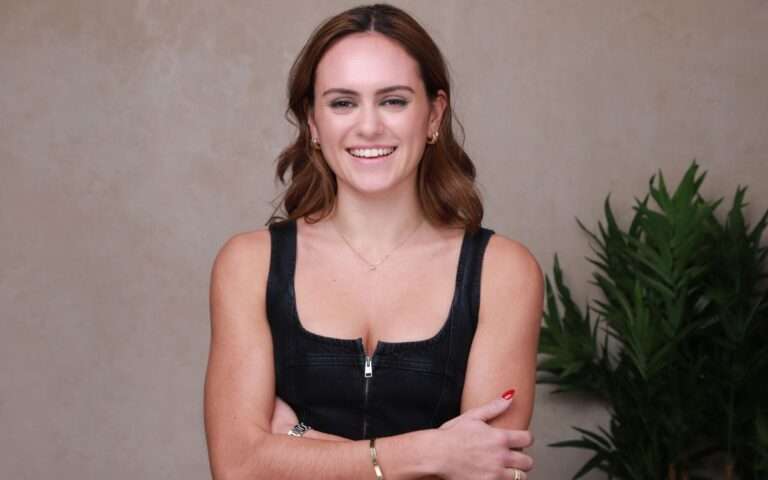
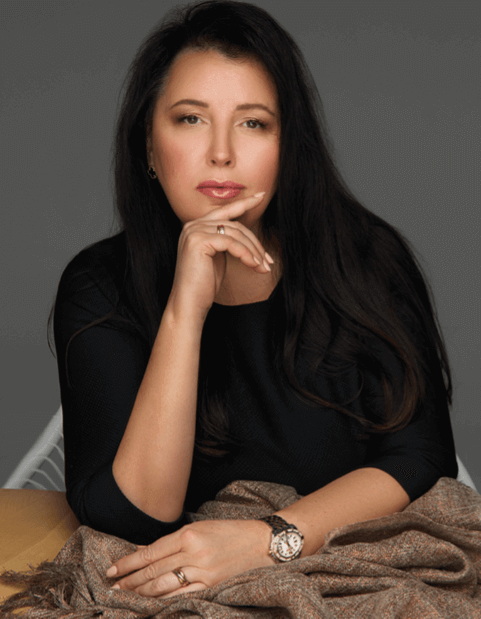
As part of the Morning Lazziness series highlighting empowering women who are making a remarkable impact with their ideas, I had the pleasure of interviewing Adriana Brusi.

Adriana Brusi is a trailblazing entrepreneur and the visionary founder of Crowds Now, a patented and trademarked platform revolutionizing how businesses connect with their ideal audiences.

Born in Hong Kong, Adriana demonstrated exceptional drive from an early age—making the Asia Pacific swimming team at just 12 and, by 16, becoming the youngest director in Hong Kong, where she led youth arts initiatives and supported at-risk children across the region.

Her dynamic career spans senior hotel management roles with Ramada, Mirvac, and Accor, launching and operating her own restaurants, and founding Event Negotiators, where she redefined corporate event procurement and management. Through this venture, she brought high-profile names such as Sir Richard Branson, Tim Ferriss, Susan Sarandon, Jane Seymour, and Goldie Hawn to Australia.

As a single mother of two, Adriana pours her passion for human connection and resilience into Crowds Now, empowering everyday people to become paid brand ambassadors. Her mission is clear: to build thriving communities rooted in innovation, loyalty, and authentic engagement.

In this interview, she reflects on the pivotal moments, hard-earned lessons, and defining wins from her journey in building thriving online ventures.

What inspired you to start your business, and what problem were you passionate about solving?

From the very beginning of my career, whether it was running restaurants, managing hotels, or producing global events, one thing always stood out to me: businesses thrive when they can truly connect with people. But in today’s world, that connection has become harder than ever. Markets are saturated, advertising is expensive, and so much money is wasted shouting at the wrong audiences—while the right customers slip through the cracks.

When COVID hit and the events world stopped overnight, I had to reimagine everything. That’s when resilience and creativity collided, and Crowds Now was born. I wanted to solve a problem I had personally experienced across every industry I’d worked in: the disconnect between businesses and their ideal audience.

With Crowds Now, instead of paying hefty ad fees or subscriptions, businesses only pay for results. Everyday people, your actual buying demographic become brand ambassadors for everything from your local café to a luxury brand. It gives small businesses a fighting chance in a noisy market, while giving individuals the opportunity to earn additional income without needing new skills.

At its core, Crowds Now was inspired by my belief that businesses aren’t built on spreadsheets, they’re built by people and communities. The platform solves the hardest problem for small businesses being seen, heard, and trusted, while creating real, measurable impact.

How has your business evolved since its launch, and what key decisions have helped drive that growth?

When Crowds Now first launched, the focus was simple: give small businesses a way to cut through the noise and connect with their ideal customers. But as the platform gained traction, it became clear that we weren’t just helping businesses advertise, we were helping them build communities around their brands. That shift was a turning point.

A key decision early on was to make Crowds Now results-based, no subscriptions, no management fees, only pay on outcomes. That transparency not only built trust but also leveled the playing field for small businesses competing against much larger budgets. Another pivotal decision was investing heavily in automation and patented technology, so businesses weren’t dependent on complex processes or additional staff to run campaigns.

Today, the platform has evolved into a space where businesses of every size, from the local café to global luxury brands, can access measurable, scalable, community-driven marketing. And every step of growth has come back to the same principle: resilience, creativity, and a deep respect for the human connection that carries businesses forward.

5 mistakes small businesses make that block them from driving the right leads and conversions:

  • Trying to market to everyone instead of their ideal buyer. Casting the net too wide wastes money and energy, if you’re not speaking directly to your core audience, you’re invisible.
  • Confusing attention with intention. Getting likes or views doesn’t equal sales. Businesses often chase vanity metrics instead of building pathways that turn interest into conversion.
  • Not making data measurable or trackable. If you can’t measure it, you can’t improve it. Too many small businesses don’t use tools that show them what’s working and what’s wasted spend.
  • Over-relying on one channel. Whether it’s just social media, or only word-of-mouth, putting all energy into one lane leaves businesses vulnerable when that lane slows down.
  • Forgetting the human connection. Businesses built only on systems and spreadsheets miss the point – people buy from people. Atmosphere, authenticity, and community trust are what carry a brand long term.

In your view, what truly sets your brand apart in today’s competitive market?

What sets Crowds Now apart is that we’ve flipped the traditional marketing model on its head. Instead of brands paying large sums to reach millions of people who may never be their customer, we connect businesses directly with their ideal audience, and then turn those people into paid brand ambassadors.

It’s not just advertising, it’s amplification. It’s everyday people – whether they’re locals supporting their favourite café, or micro-influencers testing new products, or even ambassadors for luxury brands — becoming the trusted voice that carries a business into its market in a way that feels authentic and human.

Unlike traditional marketing platforms, Crowds Now is:

  • Transparent and measurable – no hidden management fees, no subscriptions, you only pay for results.
  • Scalable for every business – from the family-run restaurant to a global label, everyone has access to the same innovative model.
  • Built on human connection – because businesses aren’t carried by spreadsheets alone, they’re carried by people, atmosphere, and loyalty.

That’s why I say Crowds Now isn’t just another tech platform, it’s a rocket booster for brands in saturated markets, and at the same time, it’s a way to put money back into the hands of everyday people.

What has been your most effective marketing strategy to date, and why do you think it worked so well?

The most effective marketing strategy I’ve ever used is the very one I built Crowds Now around, leveraging authentic voices to amplify a brand in ways traditional advertising never could.

When people feel personally connected to a business, whether it’s their favourite café, a local start-up, or even a global brand they admire, they become the most powerful marketing tool there is. By turning everyday people into paid brand ambassadors, we’ve been able to create genuine word-of-mouth at scale, which has always outperformed polished ad campaigns in terms of both trust and conversion.

I believe it worked so well because:

  • Trust beats noise. In a saturated market, people tune out ads; but …. they tune into people they know and trust.
  • It’s measurable and accountable. Every action has a clear result, which small business owners love.
  • It builds community, not just customers. People don’t just buy a product; they feel part of the brand’s story.

That’s why I always say the most effective strategy isn’t about spending more on ads — it’s about building a movement of voices that carry your business forward.

How do you stay connected to your ideal audience and understand their needs or behaviors?

Staying connected to our ideal audience isn’t something I see as a “task”,  it’s the heartbeat of Crowds Now. The businesses we serve, whether it’s a family-run café or a luxury brand, all want the same thing: to be seen, understood, and supported by the right people. To really deliver that, I do three things consistently:

  • Listen before I act. I spend as much time listening to small business owners and customers as I do on strategy. Their language, frustrations, and hopes tell me more than any spreadsheet ever could.
  • Lean on transparency and data. Every action in Crowds Now is measurable. That means I can see what’s resonating, what’s not, and how audiences are actually behaving rather than how we assume they will.
  • Stay human. At the end of the day, businesses aren’t carried by algorithms, they’re carried by people. I make a point of engaging in real conversations, not just relying on reports.

This balance of empathy and data keeps me close to the audience we serve, because when you truly understand your people, you don’t just meet their needs, you anticipate them.

What’s one branding move or campaign that helped elevate your business to the next level?

One of the branding moves that really elevated my business to the next level was when we worked with London’s West End on filling residencies, alongside supporting several theatres and major stadium events internationally, often with incredibly short lead times.

In live entertainment, ticket sales are everything. A half-empty theatre isn’t just lost revenue; it impacts atmosphere, reputation, and future bookings. What we brought to the table was a different approach; we built campaigns that tapped into the right audiences quickly and authentically. By connecting productions directly with their ideal ticket buyers and amplifying that through people who became advocates rather than just spectators, we were able to create momentum that carried beyond a single show.

That experience taught me two key lessons:

  • Scale under pressure is possible if you know your craft and trust your systems.
  • The right audience matters more than the largest audience. When you reach the people who truly care, seats fill, energy grows, and success compounds.

Those lessons became the DNA of Crowds Now. The same principles that filled theatres and stadiums are now helping small businesses and global brands cut through the noise of saturated markets. Instead of wasting money on campaigns that shout into the void, we give businesses the tools to connect directly with their ideal avatar and then turn those people into advocates who carry the brand forward. Whether it’s a café, a start-up, or a luxury label, the result is the same: momentum, visibility, and growth that feels authentic and sustainable.

What does success look like for you, not just in numbers, but in purpose or impact?

For me, success has never just been about numbers. Of course, revenue and growth matter, they keep the lights on; but the deeper question I always ask is: what impact are we making?

I think a lot of businesses get caught up in intent. They intend to do good, to support customers, to create opportunity. But intent alone doesn’t change anything, it’s the impact that truly matters. Success, for me, is measured in the stories of small businesses that were struggling to be seen and now have a loyal community standing behind them. It’s measured in the additional income everyday people are earning through Crowds Now without needing another skill set, just by sharing the brands they already love.

Success is also about resilience and creativity becoming survival tools, not just for me, but for the businesses we support. If we can help them innovate, create loyalty, and cultivate a sense of social safety, then we’ve done more than grow numbers on a balance sheet. We’ve created impact that lasts.

So, for me, success is when purpose and profitability walk hand in hand. When the work not only builds a business but builds people and communities too. That’s when I know we’re winning.

How do you personally define success, beyond revenue and growth metrics?

For me, success goes far beyond revenue and growth charts. I define success as creating something that genuinely makes life better for the people I serve, for the people I employ, and for my own family.

Success is when a small café owner tells me that, because of the visibility we created, they can now pay their staff with confidence and keep their doors open. It’s when an everyday person can earn an additional income by becoming a brand ambassador for a business they already love. That kind of impact means more to me than any spreadsheet ever could.

On a personal level, success is also about the moments I get to show up as a single mum. Being there at my daughters’ school events, birthdays, and milestones while running a business is something I never take for granted. I want to be their biggest cheerleader, but also their greatest teacher. For me, that means showing them that failing isn’t the opposite of success it’s our greatest teacher. It means teaching them that clarity comes from action, not waiting for perfection, because there is no such thing as perfect. You just need to start.

So, while numbers tell me we’re moving in the right direction, true success is when the work creates loyalty, connection, and opportunity that lasts well beyond the transaction and when, in the process, I can show my girls what courage and resilience really look like.

“Failing isn’t the opposite of success, it’s the teacher that shapes it.”

Can you share a challenge or setback that ultimately became a turning point for your brand?

One of the biggest challenges and ultimately the most pivotal turning point for Crowds Now was the decision to move from a manual model to building out our own app. In the early days, we had already proven the concept: businesses wanted a way to be amplified, and people wanted opportunities to support them. But running it manually quickly showed us where the bottlenecks were. We couldn’t scale impact the way we needed to without investing in something bigger.

That meant digging deep and backing ourselves to build a sophisticated platform that could truly sustain the business model. It was risky financially and emotionally, but the reality is, if you wouldn’t buy you, then no one else will. We had to prove to ourselves first that this was worth betting everything on.

That leap became a defining moment. It took Crowds Now from being a great idea with potential into a patented, trademarked technology that solves a real problem and creates opportunities for businesses and everyday people at scale. Looking back, it was one of the hardest decisions, but it was also the one that unlocked everything that came after.

“Belief is contagious, but it has to start with you.”

What daily habits or rituals keep you focused, creative, and grounded as a leader?

Water has always been my reset button. Coming from a swimming background, I try to start most days either in the pool or on a walk if I can’t get there. Movement clears my head and helps me start with intention. Gratitude is another non-negotiable. I often remind myself that if I look back 12 months, I’m usually standing in a place I once wished for, so it’s important to appreciate where I am today, while also keeping sight of where I want to go.

For me, that’s not just about manifesting or visualising, but also about creating tangible pathways and small daily steps that move me closer. I think success is built in the micro-actions.

And finally, I’m very intentional about who I surround myself with. My closest friends are my grounding force they’ve been there for the wins, the losses, the laughter and the tears. Knowing who champions you and keeping your inner circle close is everything. They remind me who I am when life and business are at full speed.

How do you approach innovation and risk in your business strategy?

For me, innovation and risk go hand-in-hand. You can’t have one without the other. The way I approach it is by always asking: ‘What’s the problem we’re solving, and how can we do it differently?’ Innovation isn’t about chasing shiny ideas, it’s about creating practical solutions that actually move the needle for customers.

Risk is unavoidable in business, but it becomes less intimidating when you break it down into small, calculated steps. When we built Crowds Now, for example, we proved the concept manually first. Only once we knew it worked and that we were bottlenecking growth, only then did we take the big leap into building the app. That risk was significant, but it was grounded in evidence.

For small business owners, I think the key is this: don’t wait for perfect. Start small, test, learn, and refine. Innovation doesn’t need to be a huge reinvention, sometimes it’s simply finding a smarter way to use the resources you already have. Every risk should have a reason, and every innovation should have a purpose.

Three Tips I Recommend: 

Test before you leap – Prove your idea in the simplest way possible before making big investments. Small experiments save big mistakes.

Reframe risk as learning – Instead of fearing failure, see it as data. Every risk gives you feedback that sharpens your next move.

Innovate with purpose – Don’t chase trends. Focus on solving real problems for your customers in ways that set you apart.

What advice would you give to someone starting a business in today’s fast-changing digital world?

If I could give one piece of advice to anyone starting out, it would be this: don’t get lost in the noise of digital marketing metrics and forget that business is, at its core, human.

The reality is that traditional online strategies like SEO and SEM have become incredibly expensive, highly competitive, and often inaccessible for small businesses. Cost per click is rising, agencies charge high management fees, and even if you get traffic, there’s no guarantee those eyeballs are actually your buying market. Attention doesn’t always equal conversion.

What actually moves the needle is connection. In a world that feels increasingly digital and automated, people crave authenticity and social safety. We buy emotion before we buy facts. We align with brands that make us feel something: seen, valued, connected. And that sense of connection can’t be manufactured, not even in an AI-driven world.

My advice is simple: invest in building relationships, not just reach. Create an atmosphere, whether online or offline where your customers feel part of your story. Use technology as the tool, but never forget that business is built by people, not spreadsheets. The brands that will thrive are the ones that understand that human connection is their greatest currency.

Takeaways for Starting a Business in Today’s Digital World

  • Focus on connection, not just clicks → Don’t just chase traffic; build real relationships with your ideal audience. Connection creates conversion.
  • Use tech to amplify, not replace people → Automations and platforms should reduce friction, but your brand voice, values, and human touch must always lead.
  • Make emotion your strategy → People don’t buy facts; they buy how you make them feel. Build social safety, trust, and loyalty — that’s what sustains growth.

Where can our audience connect with you and learn more about your work or offerings?

The best way to learn more about what we’re building is by visiting Crowds Now — here, both companies and everyday people can register to be notified as we prepare to launch the app by the end of September. It’s free, transparent, and unlike most marketplace platforms, it’s not subscription-based; organisations will only ever have to pay on results, and talent (the people) don’t have to pay at all. 

Crowds Now elevates business’s in saturated markets connecting them with their ideal audience, turning everyday people into brand ambassadors and giving them a way to make money without needing an additional skill set, becoming the voice of the brands they love. 

We love feedback and collaboration, so if you’d like to reach out directly, you can email or fill in one of the online forms on our contact us page.

I also share insights and behind-the-scenes updates on my personal channels:

LinkedIn → Adriana Brusi and Crowds Now
Vickie Riggs on Transforming Nature’s Beauty into Wearable Art | Morning Lazziness Interview

0

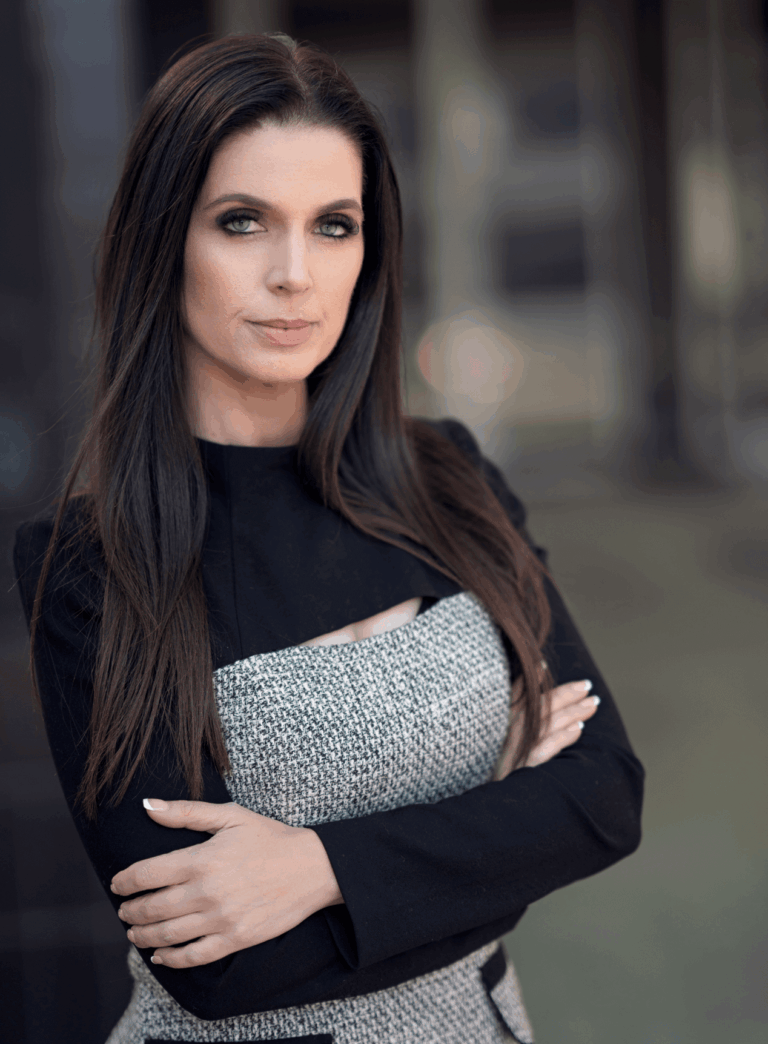
As part of the Morning Lazziness series highlighting empowering women who are making a remarkable impact with their ideas, I had the pleasure of interviewing Vickie Riggs.

Vickie Riggs is a renowned jewelry designer, creative visionary, and fine arts expert who transforms nature’s raw beauty into timeless, wearable heirlooms. As the founder of Vickie Riggs Designs, she is celebrated for her one-of-a-kind statement pieces that seamlessly blend artistic expression, technical mastery, and a deep emotional connection to the natural world.

In this interview, she offers a candid look at the realities of entrepreneurship, sharing both the challenges and the victories that defined her path.

What inspired you to start your business, and what problem were you passionate about solving?

After I graduated from college, I worked in a large corporation as a graphic designer. But my husband’s job took us to smaller towns, with limited opportunities for a college graduate, let alone for a graphic designer. In one of those small towns I ran into a fellow university student who had started his own business and I decided to pick his brain on his process.

That’s when he explained that you lean hard into the part of the job that you know the best, everything else you answer with, ”Let me get back with you on that” – then you go figure it out…and with that I opened my own advertising agency.  

I discovered goldsmithing in a Continuing Education class. I fell in love with the process, with the stones and the gold and silver, and with the ability to create adornment that I would truly enjoy.

Also, I am proud to say that my style isn’t something you find in every jewelry shop; that’s what sets us apart. All to say, having started and operated my own ad agencies, there was no hesitancy in starting this business. Being able to return to my own creativity and Art that truly inspires me is one of my proudest accomplishments.

How has your business evolved since its launch, and what key decisions have helped drive that growth?

One of the main problems with being overly enthusiastic is settling in on a course of action. In the beginning, I was exploring different styles and different levels of the Jewelry market; be it fine jewelry, casual wear or custom work. I tried different avenues for engaging with the public through art shows, trunk shows and house parties. I got a feel for what people connected with the most. An artist creates work that expresses their vision but finding the market that appreciates it, is important and hard to do at first.  Using my graphic designer skillset is where the customers’ needs and vision turns into the solution for the piece. I love the dichotomy of need and solve, it’s a strength of mine that now shines in my business as a jewelry artist.

In your view, what truly sets your brand apart in today’s competitive market? 

I start with the stone, with nature. My love is bringing to the public materials that are beautiful and amazing but also unique and unusual by typical jewelry standards. I use complex materials like boulder opals, (which are like miniature paintings in themselves), fossilized palm wood, drusy, abalone shell, and designer cut gemstones. Then I try to find a way to present these in their most highlighted form to be worn for more people to experience the incredible miracle of how minerals come together with such beauty. Many of my pieces are one of a kind simply because the material cannot be replicated. My jewelry engages people, partially because the designs are unusual and partially because they’ve never seen materials like these. 

In my slight obsession with the natural flow of the design, whenever possible, I work the clasp into the design so that the necklace goes around the back of the neck uninterrupted. I love multifunctionality too, like a pendant that can also be a brooch. Detailing of this sort takes time and attention to detail – something that mass produced designers don’t generally give a lot of thought or energy to.

What has been your most effective marketing strategy to date, and why do you think it worked so well?

Hiring a marketing team. Relying on experts to use their connections and knowledge to take a business to the next level is key. I am grateful to have found a team that has experience in the market both in LA and New York. They manage social platforms and newer media outlets but can also leverage longterm relationships with traditional press all while staying true to my brand ethos. I feel like we share the same goals and vision for my brand’s future and that feels really great.

How do you stay connected to your ideal audience and understand their needs or behaviors?

I listen and watch how people react to the Jewelry. I listen to what they say, and follow their excitement about the pieces while analyzing their hesitancy. Often the hesitancy is, “I love it, but I could never wear it.” Which gets me immediately to a resounding “why not?.” Because my jewelry is so unconventional and more like a little piece of art, people have to reassess their self image. I feel that I give them an opportunity to broaden their perception of themselves and their unique and sometimes hidden personal style. A chance to consider what they actually love and maybe something that they’ve never allowed themselves to do or wear. I’ve had customers buy a piece and immediately seem to feel liberated – like they’ve broken out of their shell. That’s exciting to see.

What’s one branding move or campaign that helped elevate your business to the next level?

My team and I are focusing on elevating the Vickie Riggs collection each and every day. Coming from the world of graphic design I’ve loved seeing my jewelry on recent magazine covers and in print. It feels like a coming home, with my passion for art and design being front and center. I am excited for this next chapter which includes Soho Fashion Week and more strategic pop-ups that will highlight and display my art for more people to enjoy. 

What does success look like for you, not just in numbers, but in purpose or impact?

Completing the circle. By that I mean, designing jewelry that showcases the gorgeous materials that I love and putting those pieces of art onto the people that will appreciate and enjoy them for years to come. That creates demand for me to make more. More sourcing of unique materials, more interesting design to showcase their rarity, more happy wearers. Circle complete. It’s almost like a mission for me.  There is so much beauty out there, and I encourage my customers to engage with their piece. By taking the time to look closely, there’s a world of discovery in the details. I encourage people to slow down and appreciate the beautiful colors and shapes. I think it can be said for our current society that in the slowness of observation we all can really witness the beauty that is all around us. 

Can you share a challenge or setback that ultimately became a turning point for your brand? 

The answer is more like adjusting my direction in response to many challenges. With every avenue of distribution that I’ve tried I re-assess what worked and what didn’t. Early on it became clear that typical retail stores aren’t the environment for jewelry like mine. Participating in local street fares wasn’t quite the best fit either. Finding markets that champion the arts and have a similar assortment price-wise is the best fit for me. Which in the end is fine because I much prefer art galleries and beautiful resort destinations to the latter. 

What daily habits or rituals keep you focused, creative, and grounded as a leader?

The best routine for me is to get the paperwork business done first. The emails, followup on job details, errands, household management – all those annoying things that a business person has to do that are not part of the process of actually doing the design and creation of the product – which is the whole point of doing business. And the really enjoyable part, might I add.

Once I get into the studio, I need blocks of time to be uninterrupted. I’ll turn off my phone, but keep an eye on it. I so hate to be interrupted when I’m in this zone that I have to make sure I’ve prepped food before so I don’t have to stop and cook. That may seem like a little deal but when you’re hungry and there’s no food to eat, it becomes a problem.

This varies from person to person, but I have to have my space organized. It’s just the way my brain works. After a flurry of production, I have to re-organize the studio – have my tools and materials back in their place, be sure all the details of the jobs are logged, and that’s when I feel like I haven’t dropped the ball in any way. 

And I live and die by my lists. By getting the job down on paper and all the different steps in a checklist, it gets it out of my head and lets me focus on steps by the order in which they need to be accomplished. That’s probably one of the biggest rituals (or obsessions) I have.

How do you approach innovation and risk in your business strategy?

My risk tolerance is pretty high.  As a sole designer, not employing people, the risk is on me and doesn’t put others in jeopardy.  On the innovation side of this question, I do project the cost of the idea to see if it’s generally in the price point that would move in the market. As for the risk aspect, if I feel like it will move me in the direction I want to go, accomplishing the goal I have set for my business, then I move forward. Sometimes cautiously, but sometimes on instinct. I may be venturing into new territory, but when all indicators point to accomplishing my mission, and the risk negatives are minor by the measures of time and money, then I’m all in for a new adventure. 

What advice would you give to someone starting a business in today’s fast-changing digital world?  

Stay true to you. With AI and social media homogenizing ideas and trends all across the board, it is extremely important to keep your unique point of view. Designs can be emulated or copied, but YOU cannot. It’s your own incredible brain that sets you and your business apart. Find your point of view, stay true, and shine a light on it. 

Where can our audience connect with you and learn more about your work or offerings?

Isabella Ghassemi-Smith on Building Aurora Tech Award and Redefining the Future for Women Founders

0

As part of the Morning Lazziness series highlighting empowering women who are making a remarkable impact with their ideas, I had the pleasure of interviewing Isabella Ghassemi-Smith.

Isabella Ghassemi-Smith is a champion of women rewriting the future of tech and business. As Head of the Aurora Tech Award, she leads a global movement that goes beyond recognition—backing bold female founders with capital, networks, and visibility to help them scale faster and further.

Passionate about storytelling, Isabella is also the creator and host of “The Day I…”, a platform where women share the pivotal moments that changed everything—from leaving corporate jobs to negotiating their worth. Through these stories, she shines a light on the power of everyday decisions to spark extraordinary change.

Her philosophy is simple but powerful: if the table isn’t built for you, build a new one. Guided by this belief, Isabella continues to amplify the voices of women who are redefining leadership, innovation, and impact around the world.

In this interview, she opens up about the strategies, challenges, and key turning points that have fueled her decade-long career in the digital business space.

What’s the origin story behind the Aurora Tech Award, and how does it reflect who you are beyond your title?

Aurora started from a frustration: women in emerging markets are building world-class technology, but the rooms that decide who gets capital and visibility weren’t built for them. I’ve always believed in creating new tables instead of waiting for a seat at the old ones. Aurora reflects that instinct: it’s not about fitting women into outdated models, it’s about reshaping what support looks like on their terms. With inDrive already deeply involved in challenging injustice of all kinds, we were able to make this a reality. 

Your work blends purpose with business — what’s the “why” that still gets you out of bed on tough days?

Because numbers like “2.3% of VC funding goes to women-founded companies” aren’t just statistics, they represent billions in untapped potential. And because beyond the numbers, founders tell me about burnout, isolation, and closed doors. The “why” is clear: if we get Aurora right, we don’t just fund companies: we change what’s possible for entire markets. I believe wholeheartedly in building this “new table”, because when these exceptional women come to sit at it, immeasurable opportunities open.

Others offer similar awards, but few capture hearts — what’s your secret to building deep emotional resonance with your audience?

We don’t patronize, and we don’t do fluff. We don’t “empower” women, we back women who are already building category-defining companies. That subtle but radical shift means founders see Aurora as a stamp of credibility and a real opportunity, not a pat on the head. The emotional resonance comes from building a brand, and that feels as ambitious as the women it’s made for.

What’s been your most effective marketing strategy, and can you walk us through the creative thinking or risk-taking behind it?

At Aurora, our most effective strategy has been going social-first and building the brand more like a global consumer business than a traditional institution. Yes, we’re an award, yes, Aurora and inDrive provide capital, connection, and community, but what makes us different is how we do it. We’ve leaned into bold visuals, elevated language, and a social-native approach that grows organically and resonates with women building today, as well as those who will build tomorrow. The risk was stepping away from the familiar playbook of our sector. The reward is that Aurora now feels like the award ambitious founders want to be seen with, not just another initiative they apply to.

How do you listen to your community — not just in surveys or analytics — but in ways that help you anticipate their unspoken needs?

I talk to founders directly, in their contexts, whether it’s a late-night WhatsApp, a small pitch stage in Colombia, or a coffee chat in Cairo. Founders are often more honest in those spaces than on official applications. That’s where you hear the loneliness, the bottlenecks, the “if only…” that helps us build support that actually matters.

Which campaign, collaboration, or strategic shift felt like a true turning point in your brand’s public image?

A real turning point was when we began talking about Aurora not just as a prize or a program, but as a new table, a place where capital, connection, and community converge. That language resonated far beyond the founders; it positioned Aurora as something bigger than an award, as a movement.

At the same time, we realized that being a global award also means we can’t be everywhere at once. A strategic shift for us has been partnering with trusted local brands and entities to stay deeply connected to ecosystems on the ground. For example, collaborating with Entreprenelle in Egypt for their SHE CAN event, or most recently partnering with Colombia Tech Week for our first Colombian pitch event, allows us to remain global while building authentic connections locally. It means Aurora doesn’t just drop in; we integrate with the players already shaping those markets.

In your own words, how do you measure success beyond profit, in terms of legacy, influence, or cultural impact?

Legacy is when “Aurora finalist” becomes a marker of credibility, the same way “Y Combinator alum” is. Influence is when governments, VCs, and corporates start asking how they can plug into our network. Cultural impact is when women in emerging markets stop asking if there’s a place for them and start saying: I’m building at Aurora’s table. We know it’s working when the word “Aurora” opens doors for these founders. 

Can you recall a moment when a failure became a story worth telling for others to learn from?

In the early days, we underestimated how different markets required different ways of showing up. One-size global messaging didn’t land, what sounded aspirational in one place felt out of touch in another. That taught us: if you want to build for emerging markets, you can’t copy-paste. You need nuance, patience, and listening: the same approach that helped inDrive grow and expand, which is culture and location-conscious.

What’s a daily or weekly ritual that keeps you grounded and in touch with your brand’s mission, even when the work days get chaotic?

Every week, I make time to read founder stories from our applicants. Even if I only get through a handful, it resets my perspective: these women are building technology to solve real problems. It’s impossible to read their journeys and not feel re-energized. It reminds us why we do what we do. Recently being in Colombia, meeting these exceptional women, it truly makes you realise, “wow, we’re building something that’s really moving the needle”.

How do you approach innovation in a way that makes your brand both trend-aware and timeless?

We borrow the sharpness of today’s cultural language, visuals, tone, storytelling, but the foundation is timeless: credibility, capital, and community. Trends keep us relevant; principles keep us enduring.

If you could pass down only one piece of wisdom to the next generation of entrepreneurs, what would it be and why?

If the table isn’t built for you, or the seat you have is uncomfortable: Build your own table, your own room, your own rules. That’s where the change comes from.

Winning recognition in the tech industry is no small feat — what is the secret sauce for women entrepreneurs who achieve it?

The founders who stand out are the ones building businesses they believe should exist, not ones the market tells them to build. They focus on real traction, product-market fit, user engagement, revenue signals, even when others dismiss their space as niche. Those niches often become new categories. They communicate their vision clearly and uncompromisingly, without diluting it for investors or audiences. The clarity and conviction make them magnetic, and the results speak for themselves. I also believe building in public when you’re at the beginning of your journey is a really essential tour for creating your own recognition, your own visibility and understanding your audience.

How have public recognition, awards, or media features shifted opportunities for the winners of the Aurora Tech Award in unexpected ways?

Recognition through Aurora has opened doors in ways that go beyond capital or partnerships. Winners suddenly start receiving investor calls they hadn’t before, secure government collaborations, or gain access to global accelerators. One founder told us the award gave her the credibility she needed to close her seed round. Beyond these tangible outcomes, there’s a deeper impact: women in emerging markets who may not have visible role models begin seeing founders from their own countries on global stages. That visibility inspires others, signals what’s possible, and creates a ripple effect across ecosystems that we hadn’t fully anticipated.

If someone hears your name or sees your work just once, what’s the one message or feeling you hope they leave with?

That Aurora is where the boldest female founders in emerging markets go to be seen, backed, and taken seriously.

I want Aurora to be a word that opens doors. When people hear it, they immediately understand the standard it represents: founders who are bold, building meaningful businesses. It’s not just about recognition, it’s aspirational. We want founders to look at Aurora and think, That’s where I want to be, and we want the market to recognize it as a signal of serious, high-caliber businesses being built in emerging markets. It’s a brand that inspires, elevates, and sets the bar for what’s possible.

Where’s the best place for our audience to follow your journey and explore your work?

The best way to experience Aurora is where our community is most alive: Instagram @auroratechaward

That’s where we share founder stories that inspire, actionable tips for winning the award, insights from local events, and a window into the journeys of women building game-changing businesses, as well as some entertaining behind-the-scenes. 

It’s a space for founders to learn, connect, and see what’s possible, and for anyone in the ecosystem, it’s a front-row seat to the next wave of female-led innovation. Of course, our website is where you can dive deeper and explore how to join the table.

Lepa Flaiban on Building Burek on Wheels & Baba’s Milk: From Family Recipes to Food Innovation

0

As part of the Morning Lazziness series highlighting empowering women who are making a remarkable impact with their ideas, I had the pleasure of interviewing Lepa Flaiban.

Lepa Flaiban is the dynamic founder of Burek on Wheels and Baba’s Milk, two fast-growing Sydney-based brands bringing the warmth, flavour, and heritage of Balkan cuisine to Australian tables.

The daughter of Serbian immigrants, Lepa grew up surrounded by hard work, resilience, and culinary traditions that had been passed down through generations. After her father’s passing in 2019 and amid the challenges of COVID, she channelled her grief and passion into launching Burek on Wheels—a food truck serving her family’s traditional pastries. What began as a leap of faith quickly evolved into a thriving business, catering weddings, selling out at events, and stocking supermarkets with her signature burek.

In 2024, Lepa expanded her entrepreneurial journey with the launch of Baba’s Milk—a creamy, nostalgic chocolate milk inspired by her childhood and dedicated to her mother. Dubbed “the greatest choccy milk” by Kyle Sandilands, it sold out in its first release and cemented Lepa’s reputation as an innovator in Australia’s food and beverage space.

Celebrated as Australia’s Princess of Balkan Soul Food, Lepa is more than a businesswoman—she is a cultural storyteller, weaving resilience, heritage, and motherhood into every creation. Through her work, she continues to honour her roots while inspiring the next generation, one burek and one bottle of Baba’s Milk at a time.

In this interview, she opens up about the strategies, challenges, and key turning points that have fueled her decade-long career in the digital business space.

What inspired you to start your business, and what problem were you passionate about solving?

Losing my dad in 2019 really shifted everything for me. I was grieving, raising two young kids, and questioning what I wanted my life to look like. When COVID hit, I felt this urgency to do something meaningful and reconnect with my roots. Buying a food truck and starting Burek on Wheels was a leap of faith, but it gave me purpose. I wanted to share the flavours and comfort of my culture with others, especially at a time when people craved connection and soul food the most.

How has your business evolved since its launch, and what key decisions have helped drive that growth?

It began with me making burek at home and delivering it around Sydney. Demand grew quickly – from locals to wedding catering, to stocking supermarkets. One key decision was to lean into that demand instead of holding back. Another was launching Baba’s Milk in 2024, inspired by my childhood flavours and dedicated to my mum, who’s always been the true Queen of our kitchen. Both moves allowed me to evolve from a one-woman food truck into two fast-growing brands.

In your view, what truly sets your brand apart in today’s competitive market?

Authenticity and story. Everything we do comes from real tradition and lived experience – my mum’s recipes, my dad’s work ethic, and my own journey of loss and rebuilding. People feel that. They’re not just buying burek or chocolate milk; they’re buying into heritage, resilience, and heart.

What has been your most effective marketing strategy to date, and why do you think it worked so well?

Storytelling. Sharing my personal journey alongside the food itself. People connect to the human side just as much as the product. When Kyle Sandilands called Baba’s Milk “the greatest choccy milk,” it was amazing publicity, but what really sustains growth is that emotional connection with customers.

How do you stay connected to your ideal audience and understand their needs or behaviors?

By listening. Every DM, every comment, every request has shaped our journey. Community has always been my biggest compass.

What’s one branding move or campaign that helped elevate your business to the next level?

Launching Baba’s Milk. It wasn’t just a product, it was a brand move that captured imagination. Dedicating it to my mum gave it authenticity, and the playful, nostalgic tone made it instantly memorable. It showed that we’re more than burek –  we’re a family of brands that all carry a story.

What does success look like for you, not just in numbers, but in purpose or impact?

When someone tells me our burek tastes like their grandmother’s, or when a family makes Baba’s Milk part of their weekly shop – that’s success. It’s about creating moments of nostalgia and belonging, not just transactions.

How do you personally define success, beyond revenue and growth metrics?

It’s balance and alignment. Being able to pick my kids up from school, dance to Balkan music in the morning, and still grow a business I’m proud of. Success is building something that honours my culture while letting me be present as a mum.

Can you share a challenge or setback that ultimately became a turning point for your brand?

In the early days, selling out felt like failure because I was disappointing people. Then I realised it was actually proof of demand. That mindset shift turned a challenge into a motivator –  it pushed me to scale and treat it as a real business, not just a side hustle.

What daily habits or rituals keep you focused, creative, and grounded as a leader?

Coffee, Balkan music, and cooking. I start every day with a strong coffee and some music that gets me in a great mood. Cooking – even outside of business – grounds me. And laughter with my kids is the daily medicine that keeps everything in perspective.

How do you approach innovation and risk in your business strategy?

I see risk as part of growth, but I take calculated steps. Whether it’s testing a new product in small batches or trialling something new before scaling, I always start small, listen to the feedback, and then expand. Innovation for me means evolving tradition, not replacing it.

What advice would you give to someone starting a business in today’s fast-changing digital world?

Don’t get caught up chasing every trend. Digital platforms move fast, but what people always connect to is authenticity. Share your story, show your values, and build real trust. That lasts longer than any viral moment.

Where can our audience connect with you and learn more about your work or offerings?

Instagram: @burek_on_wheels and @babas.milk

Burek On Wheels

Babas Milk

Jessica Whatman on Building AgentSync Into a Multi-Million Dollar VA Platform

0

As part of the Morning Lazziness series highlighting empowering women who are making a remarkable impact with their ideas, I had the pleasure of interviewing Jessica Whatman.

Jessica Whatman is the Founder and CEO of AgentSync, Australia’s leading virtual assistant platform built for the new wave of founders, lean teams, remote-first operators, and scaling businesses that need support that accelerates rather than hinders.

In less than two years, Jess has grown AgentSync from her kitchen bench into a multimillion-dollar company operating across Australia, New Zealand, and the U.S. Through her signature delegation framework, The SYNC Method, she empowers founders to reclaim their time, train high-performing virtual assistants, and scale sustainably—without the burnout.

In this interview, she offers a candid look at the realities of entrepreneurship, sharing both the challenges and the victories that defined her path.

What inspired you to start your business, and what problem were you passionate about solving?

I’d always wanted to start my own business, but what really pushed me was a mix of family and the team around me. At the time, my daughter was sick, and I knew I needed more flexibility and freedom to be there for her. That was a big driver.

I’d also been working with Virtual Assistants in my real estate role, and I absolutely loved them. They were talented, hardworking, and such an important part of the team, but I could see they weren’t always being treated or paid fairly. I wanted to change that.

So AgentSync was born—to give business owners the support they desperately need, while also creating better opportunities and futures for VAs. It’s about solving both sides of the problem.

How has your business evolved since its launch, and what key decisions have helped drive that growth?

When I started, it was just me matching VAs with business owners. Fast forward 3 years, and AgentSync is now a multi–7-figure business with hundreds of VAs supporting clients across Australia & New Zealand

The big shifts were:

  • Creating clear packages so clients knew exactly what they were getting.
  • Building a training hub for VAs so they were set up to succeed.
  • Always focusing on long-term relationships, not quick wins.

In your view, what truly sets your brand apart in today’s competitive market?

We actually care about both sides. A lot of agencies see VAs as disposable. We don’t. We pay them well, train them, and celebrate their wins. At the same time, we make sure clients feel supported, not left to figure it out alone. That balance is rare, and it’s why people stay with us.

What has been your most effective marketing strategy to date, and why do you think it worked so well?

Honestly, two things…being real on social media and getting out to network. On socials, I share the real journey, not just the polished highlights. People connect with that because they see themselves in the ups and downs, and it shows I actually understand what they’re going through.

But nothing replaces meeting people face-to-face. Going to events, chatting about my business, and just as importantly, listening to theirs has been huge. It builds genuine trust and relationships, and that’s where the best opportunities often come from.

How do you stay connected to your ideal audience and understand their needs or behaviors?

I’m always in the room with them (physically or virtually!)…whether that’s speaking at events, jumping on Zoom calls, or chatting in DMs. I also listen closely to my team, who hear daily what clients are juggling. That constant feedback loop keeps us sharp.

What’s one branding move or campaign that helped elevate your business to the next level?

Defining our Essential and Elite VA packages. It gave people language for what they actually needed. Clients stopped feeling confused, and suddenly it was really clear: “I need an Essential VA for admin” or “I need an Elite VA to run projects.” That clarity was huge for us.

What does success look like for you, not just in numbers, but in purpose or impact?

It’s about the ripple effect. A business owner gets their life back, which means they show up better for their family. A VA in the Philippines earns more than average and supports their own family. My team gets to be proud of the work they do. That’s the kind of success that actually matters to me.

How do you personally define success, beyond revenue and growth metrics?

For me, success is about freedom and impact. Freedom to choose how I spend my days, be present with my family, and not feel chained to my desk. And impact, because I get to see both sides win, business owners getting their time and sanity back, and our VAs in the Philippines building better lives for their families. That combination is what really feels like success to me.

Can you share a challenge or setback that ultimately became a turning point for your brand?

At the start I thought competing on price was smart. It wasn’t. It meant VAs weren’t paid fairly, and clients weren’t happy either. Learning that the hard way forced me to rebuild the business model around quality and care. That shift completely changed the future of AgentSync.

What daily habits or rituals keep you focused, creative, and grounded as a leader?

  • Planning my week on Sundays so I don’t feel overwhelmed.
  • Moving my body, whether that’s the gym or a walk, to clear my head.
  • Making time for content, because sharing ideas keeps me connected.
  • And most importantly, switching off for family time with my husband and daughters.

How do you approach innovation and risk in your business strategy?

I try new things quickly, but I don’t bet the whole business on them. For example, we built “Andy,” our AI VA Matchmaker, as a small experiment. It worked so well it’s now part of our model. I see risk as learning; sometimes it works, sometimes it teaches.

What advice would you give to someone starting a business in today’s fast-changing digital world?

Don’t wait until you have it all figured out. Start small, test fast, and be ready to tweak things. Progress beats perfection every time.

Where can our audience connect with you and learn more about your work or offerings?

I’m most active on Instagram at @jesswhatman_agentsync. You can also head to agentsync.com.au if you’re curious about bringing a VA into your business.

Belinda Robinson on Building NextSkin: Skincare Innovation, Authentic Marketing & Redefining Success

0

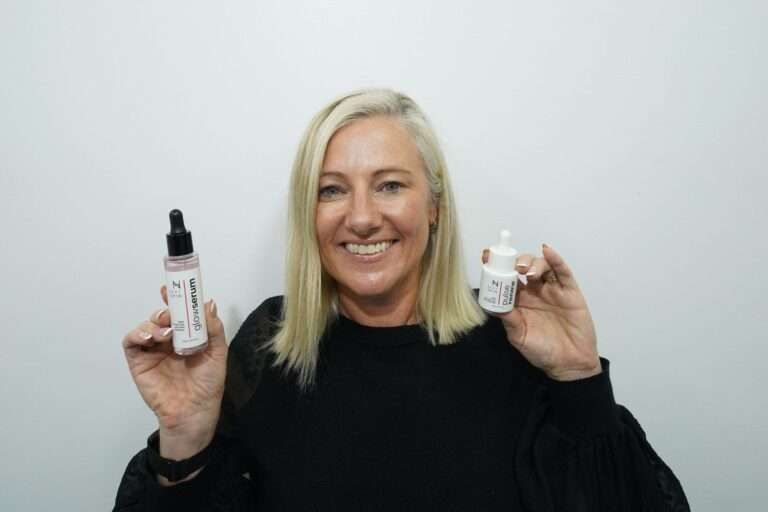
As part of the Morning Lazziness series highlighting empowering women who are making a remarkable impact with their ideas, I had the pleasure of interviewing Belinda Robinson.

Belinda Robinson is the founder of NextSkin, a revolutionary skincare brand created to deliver simple, functional, and affordable products for everyday people. At 50, she brings together her passion for entrepreneurship and her mission to help others feel confident in their own skin.

Over the years, Belinda has built and grown a diverse portfolio of businesses—including a retail maternity and children’s wear store, her own babywear brand, a beauty line, and even a marketplace for dance costumes. Each venture has added to her expertise and inspired the creation of NextSkin, her most exciting project to date.

Based on Sydney’s beautiful Northern Beaches, Belinda is happily married for 23 years and a proud mum of three. She enjoys tennis, sunshine, and the occasional lychee martini. For Belinda, success is not just measured in business growth, but in creating products that truly empower people to feel good in their own skin.

In this interview, she offers a candid look at the realities of entrepreneurship, sharing both the challenges and the victories that defined her path.

What inspired you to start your business, and what problem were you passionate about solving? 

I was inspired to start NewSkin because I wanted to create a functional and affordable range that truly works for the everyday person. My goal has always been to keep things simple — effective, easy-to-use products that fit seamlessly into daily routines without being overwhelming or overpriced.

How has your business evolved since its launch, and what key decisions have helped drive that growth? 

Although NewSkin is still very new, we’ve focused on keeping our range simple, functional, and easy to use. Key decisions like launching our customer loyalty program, Glow Rewards, to keep customers coming back, and building strong partnerships that allow us to grow together, have been vital in shaping our early success and setting the foundations for long-term growth.

In your view, what truly sets your brand apart in today’s competitive market?

NewSkin stands out because we’re proudly Australian-made. In a crowded market, customers value the trust, quality, and safety that come with Australian standards. It gives both local and international customers confidence in what they’re putting on their skin.

What has been your most effective marketing strategy to date, and why do you think it worked so well?

Our most effective strategy has been building strong partnerships with like-minded retailers such as Skinmart, which allows us to reach customers who already value professional, results-driven skincare. Alongside this, we’ve worked with micro-influencers on an unpaid basis to share real and honest reviews. This authentic approach has built genuine trust and credibility with our audience.

How do you stay connected to your ideal audience and understand their needs or behaviors? 

I actually see myself as part of our target market, so I often speak with friends and peers to gather their opinions and advice. On top of that, I rely heavily on feedback from our partners, wholesalers, and retailers, who share valuable insights into what their customers — and ultimately ours — are really looking for.

What’s one branding move or campaign that helped elevate your business to the next level? 

One of the most impactful moves we’ve made so far was focusing on authenticity — especially by partnering with like-minded retailers and working with micro-influencers who gave real, unpaid reviews. This approach not only built trust but also created genuine conversations around our products. That authenticity has elevated our brand far more than any polished advertising campaign could.

What does success look like for you, not just in numbers, but in purpose or impact? 

For me, success isn’t measured by numbers or money — it’s in the feedback we receive from customers. When someone tells me, ‘Oh my goodness, my skin has never looked so good,’ that’s what truly matters. Knowing that NewSkin can help people feel more confident and positive in themselves is the greatest impact we could hope for. When you feel you look good, you carry yourself differently — and being part of that transformation is what I see as real success.

How do you personally define success, beyond revenue and growth metrics?

For me, success is about recognition and connection. I get so excited when people know my brand — when they see NewSkin and instantly associate it with trust, quality, and results. It’s that sense of creating something that people genuinely love and talk about that feels like real success to me.

Can you share a challenge or setback that ultimately became a turning point for your brand? 

One of the biggest challenges early on was building awareness in a crowded market. As a new brand, it felt overwhelming to compete with larger, more established names. But this challenge pushed us to really focus on what makes NewSkin unique — being Australian-made, functional, and affordable. It also inspired us to work closely with micro-influencers and like-minded retailers, which has been a turning point in creating genuine connections and loyal customers.

What daily habits or rituals keep you focused, creative, and grounded as a leader? 

My customers keep me grounded — their feedback reminds me why I started NewSkin in the first place. Each day, I focus on moving forward, knowing there’s still so much potential and so many products I’m excited to bring to life. I always make time to exercise (I love my tennis), and I try not to see setbacks as negatives but as challenges to learn and grow from. I love the process of building a business, and that daily drive keeps me focused, creative, and motivated.

How do you approach innovation and risk in your business strategy? 

I’ve always been a bit of a risk-taker. My mindset is, what’s the worst that could happen? I try not to overthink — sometimes I jump in when maybe I shouldn’t — but I believe you either sink or swim. For me, it’s about jumping in and then swimming like crazy. That approach has kept me innovative, agile, and always moving forward.” I mean, our product is made out of Salmon DNA (Serum ), so that is a risk in itself!!

What advice would you give to someone starting a business in today’s fast-changing digital world? 

My advice would be to learn as much as you can and don’t be afraid to lean on experts for guidance. At the same time, know that a lot of it comes down to trial and error — there’s no perfect formula. The most important thing is to just give it a go, because the only real regret you’ll ever have is not trying at all.

Where can our audience connect with you and learn more about your work or offerings? 

You can connect with us through our website and follow us on Instagram, and email for updates, skincare tips, and behind-the-scenes insights. We love engaging with our community, so don’t be shy to reach out!

Rebecca van Bergen: Empowering 250,000+ Artisans Worldwide Through Ethical Handcraft & Social Innovation

0

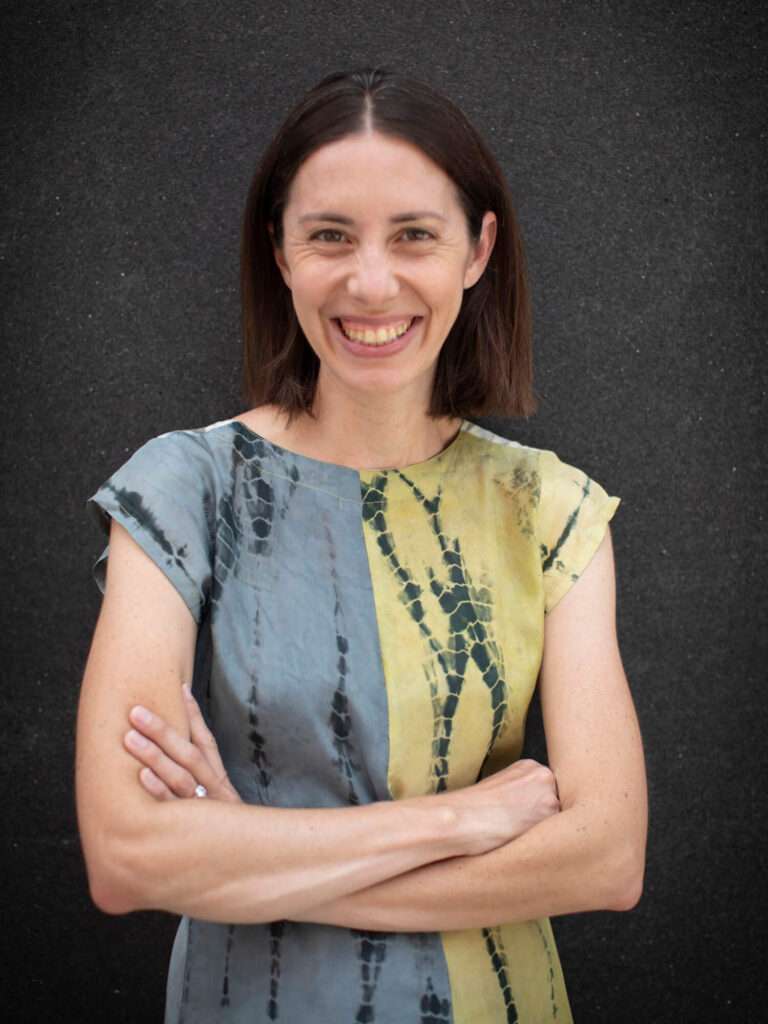
As part of the Morning Lazziness series highlighting empowering women who are making a remarkable impact with their ideas, I had the pleasure of interviewing Rebecca van Bergen.

At just 24, Rebecca launched Nest in 2006 from her apartment in St. Louis, inspired by the transformative potential of craft-based microentrepreneurs to drive social and financial impact. Today, Nest has partnered with global brands including Etsy, Madewell, Patagonia, Target, and West Elm to promote transparency, improve well-being, and expand economic opportunities for handworkers—ranging from skilled artisans to home-based workers across the globe.

Under her leadership, Nest has built a worldwide network reaching 380,000+ handworkers, 2,800+ artisan businesses, and 125+ countries. Its initiatives, such as the Nest Guild and Makers United, provide artisans with training, resources, and access to markets while elevating the role of handcraft in building more inclusive economies.

In 2017, Rebecca spearheaded the launch of the Nest Standards for Homes and Small Workshops at the United Nations—introducing the first industry tool to improve the rights and well-being of the world’s estimated 300 million home-based workers. This groundbreaking initiative also established the Nest Seal of Ethical Handcraft, the first consumer-facing certification ensuring handmade products are ethically produced.

An award-winning social entrepreneur with a Master’s in Social Work from Washington University, Rebecca has dedicated her career to creating sustainable pathways for artisans worldwide—unlocking the power of craft to transform lives and communities.

In this interview, she talks about the obstacles she’s overcome, the milestones she’s achieved, and the wisdom she’s gained along the way.

What inspired you to start your business, and what problem were you passionate about solving?

When Muhammad Yunus won the Nobel Peace Prize in 2006, enthusiasm for microfinance solutions exploded. New organizations and corporations emerged to put Yunus’ principles into practice, many too quickly and without foundations in community building.

Having just completed a Master’s in Social Work, I was learning about human-centered design approaches that focus and build on the needs and opportunities that communities self-define, which is why this rapid scaling of lending took me aback. In the United States, a loan creates debt not a business in and of itself. The sudden conflation of these two concepts was worrying to me, particularly when it was not coupled with business education and other supportive services.

I founded Nest to counter this approach. I was interested in creating economic opportunities in developing economies without the burden of debt. My vision was for a sustainable model that offered recipients holistic business development. I didn’t want to simply finance a woman purchasing a sewing machine, but to give her the skills needed to improve her sewing to grow a sustainable business.

How has your business evolved since its launch, and what key decisions have helped drive that growth?

At Nest, we have always believed in the power of craft to drive social change and economic opportunity. Over time, we expanded beyond focused support for global artisans and created Makers United, a program for U.S.-based makers, recognizing that creative entrepreneurs everywhere face unique challenges to establishing and growing their businesses. Another example of growth is that we have recently added climate as a programmatic focus area. We heard stories of artists and makers impacted by changing weather–from being devastated by natural disasters to raw material scarcity. We realized we needed to give focused attention to understanding and supporting our communities adaptation to the changing climate. Our evolution was, and continues to be, guided by listening to our constituents’ needs to ensure our work remains relevant and impactful. 

Our business also evolves as the industry around us changes. Brand and retail needs change based on the global social, political and economic context but also just on consumer trends. Our work is possible thanks to our deeply engaged network of brand, retail, and philanthropic partners, whose purposeful collaboration enables us to target and scale our programming so we continuously listen and evolve alongside of them.

In your view, what truly sets your brand apart in today’s competitive market?

In a world that is becoming increasingly tech-dependent, Nest aims to celebrate handcraft as an economic driver and a way to preserve cultural tradition while connecting us to our shared humanity.

Thoughtfulness and intentionality are at the core of what we do, from programs we develop alongside our global artisan community to the brands and companies we choose to work with. It is this approach and our proven impact that has led Nest to become a trusted partner for leading retailers, enabling them to confidently source handcrafted products and provide their customers with unique, high-quality goods.

How do you stay connected to your ideal audience and understand their needs or behaviors?

As an organization that serves artisans, makers, and creative entrepreneurs worldwide, as well as leading brands and retailers, and mindful consumers, we are always listening. 

Internally, our programming team hosts office hours to hear from our maker and artisan partners in real-time and uses feedback surveys to improve our program offerings. Our partnerships team meets regularly with our brand, retail, and philanthropic partners for collaborative planning calls, and our communications team keeps up-to-date with industry and consumer trends by monitoring press and managing our social and channels.

We are committed to working across teams to provide one another with the information and visibility needed to do great, impactful work.

What does success look like for you, not just in numbers, but in purpose or impact?

For me, success has always been about impact rather than numbers. I define it by stories of makers and artisans whose lives and communities have been improved through participation in our programs. It also looks like building partnerships rooted in respect and collaboration, where everyone at the table benefits. And, in the resilience, creativity, and opportunities we help foster.

One example of this impact is our work with the Gee’s Bend quilters. These artisans live in a small town in Alabama called Boykin, between Selma and Birmingham. This community is known for its stunning, striking and uniquely modern quilts. They have actually gained some notoriety for these quilts and they can now be found in major museums and galleries. Yet, despite this growing reputation, Boykin is extremely rural and the poverty rate is high. The annual average income when Nest was first introduced to the community was approximately $16,000 per year. 

What we learned from these quilters is that despite the growing popularity of their designs, the women had no way to sell them. They had no brick-and-mortar shop, no stores carried them and they had no online presence. So, consumers who had heard of them and wanted to purchase a quilt, had to literally travel to Gee’s Bend and hope they ran into a quilter outside her home. Eventually, art collectors and dealers who made the trek to Alabama would offer to sell the quilts, but asked for such high commissions that very little money was left for the quilters themselves.

To assist these quilters, we approached Etsy who quickly became a partner. Nest helped the quilters form their own e-commerce shops on the platform and gave them the business assistance they needed to be successful entrepreneurs. Etsy, for its part, waived its fees for the launch, ensuring that all the revenue earned went directly back to the quilters themselves and funded our business education programs. Following the launch, the quilts sold out immediately and now the partnership has grown to include collaborations with the luxury fashion house Chloe, designer Greg Lauren and licensing agreements with Target and Crate and Barrel. Together, these collaborations have yielded more than 1 million dollars in direct sales for the quilters!

Can you share a challenge or setback that ultimately became a turning point for your brand?

Like so many (all?) businesses and organizations, the Covid-19 pandemic was a major turning point for Nest. 

Almost overnight, we were unable to deliver our core programming, while our artisan partners, who often operate with razor thin margins, reported their purchase orders were being delayed and canceled. They were facing major layoffs which were likely to ripple out into devastating incomes for their workers and families.

We knew we needed to do something to support our partners in this critical moment so we quickly pivoted our programming to provide funding to artisans producing face masks. We ultimately produced more than 200,000 masks  which were distributed to hospitals, the United States Post Office and NYC Public Housing, creating a magnified impact of both PPE production and needed income for makers. 

This program enabled Nest, and our artisan partners, to keep our doors open during this crucial time. It also taught us the importance of being nimble in our thinking and program delivery. At the end of the day, our work is only as good and impactful as it can be if it is effectively supporting the people it’s meant to reach. Sometimes, to ensure this, we need to step away from our conventional way of doing things and get creative.

What daily habits or rituals keep you focused, creative, and grounded as a leader?

I am a big believer in what I call “microtasking.” My husband calls it multitasking and while I have been occasionally known to do that, this is something different. Microtasking is the ability to do a very small portion of work in singular moments of time. While I do certainly have periods of extended work where I sit at a desk for an unbroken length of time, the reality is that my days are more often broken up by meetings or time-bound assignments. I often find that this is personality driven as well. My brain is continually moving, brainstorming and ideating, and so, for me, small tasks are ideal since I can focus on one specific thing for a short amount of time and then detour as my attention naturally moves toward the next thing.

But, I think part of what makes this philosophy so unique is that it has positively impacted my life outside of work as well because I apply the same idea to self care. I have seen countless people–often women–wait for that unicorn of a large chunk of free time in which they can squeeze in a yoga class, a long run, or an uninterrupted phone call with their best friend. When this magical period of time never materializes (if you have a young family or a heavy workload, it often won’t), then self care never happens. Even for those of us who work remotely or have a flexible schedule, it’s still difficult to set aside an hour for an exercise class–especially if you have to add additional time for commuting and showering afterward.

Ever since I realized I could use the 15 minutes between calls to do a ten-minute stretch routine from YouTube or a meditation from Headspace, I have been able to work these easy, low-commitment mindfulness routines throughout my day and week staying more grounded and present for my work and my family.

How do you approach innovation and risk in your business strategy?

We are operating in a time in global history where change feels like the new normal.  Nothing is static and we must remain nimble in our approach if we want to remain effective and impactful.

Innovation and risk–stepping outside what’s familiar and comfortable–can feel scary, but are often where growth takes place. Leaning into change is imperative. Iteration is actually a core value of our organization so we can strengthen our muscles of continuous evolution, while improving programs based on outcomes or because of larger policy shifts that require us to adapt and change course.

To ensure we are leaning into innovation and not taking undue risks, I seek the advice of professional mentors and actively engage our Board of Directors. I look to the perspectives and wisdom of those who are more seasoned than me to take better-informed steps forward. 

What advice would you give to someone starting a business in today’s fast-changing digital world?

Don’t lose your hands-on connection to the world around you! While so much of modern business happens online, it is important to stay grounded and present in what’s happening around us outside of our phones, tablets, and computer screens. 

Because we work with traditional crafts, I am often asked about the future of the handmade in a world that is increasingly robotic and mechanized. Truthfully, the more the world becomes automated, the more I think the human psyche craves authenticity and humanity so I see a counter-revolution already underway–one that focuses on humanity and the handmade. I see a future where we have both AI and authentic craftsmanship sitting side by side–one showing us the power of the future and the other rooting is our past and our heritage. 

Where can our audience connect with you and learn more about your work or offerings?

You can learn more about Nest at buildanest.org or follow us on Instagram, and you can connect with me directly on LinkedIn.

Rachel McArthur on Healing Skin from Within and Building Derma Dream

0

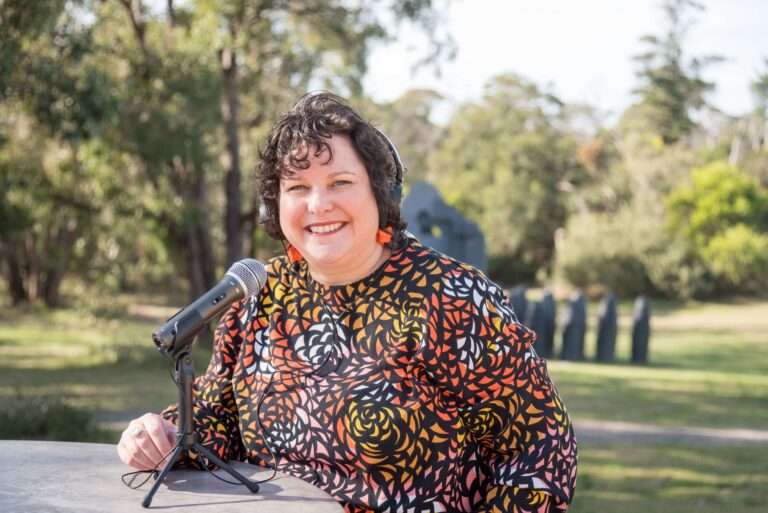
As part of the Morning Lazziness series highlighting empowering women who are making a remarkable impact with their ideas, I had the pleasure of interviewing Rachel McArthur.

Rachel McArthur is a nationally recognized trauma-informed esthetician and bodyworker. As the founder of Derma Dream, a wellness-forward skincare studio rooted in the belief that healing the skin begins from within, she has over two decades of hands-on experience. Through massage therapy, holistic health education, and medical-grade skincare, Rachel has become a powerful voice at the intersection of trauma, recovery, and skin health.

In this interview, she offers a candid look at the realities of entrepreneurship, sharing both the challenges and the victories that defined her path.

What inspired you to start your business, and what problem were you passionate about solving? 

The desire to truly see people and help them heal. Listen to them, truly listen to what someone has gone through. I was born with a cleft lip and have suffered through multiple spinal fusion surgeries, and from the side of beauty, wellness, etc., helping people FEEL better, more so than just look better, has been my passion for as long as I can remember.

How has your business evolved since its launch, and what key decisions helped drive that growth?

It has changed so much over the years, but at this point, combining many different avenues for people to find healing is the biggest way it’s evolved. Building a network with hopes of matching people up with the right people is so important because if you don’t trust the person, you certainly won’t get to far.

In your view, what truly sets your brand apart in today’s competitive market? 

I believe having walked through a life of great adversity and pain on all levels truly gives me the grace and understanding to help others find their way, also. 

What has been your most effective marketing strategy to date, and why do you think it worked so well? 

Word of mouth. I am blessed to say that my marketing is word of mouth, and if you know, you know. It’s the best way.

How do you stay connected to your ideal audience and understand their needs or behaviors? 

By staying involved and asking questions. I often get myself out there in the community at various events and just engage with people.

What’s one branding move or campaign that helped elevate your business to the next level?

Putting my face out there and allowing myself to be vulnerable with my personal story.

What does success look like for you, not just in numbers, but in purpose or impact? 

Success looks like being able to do whatever I want, whenever I want, and helping as many people as possible along the way. 

How do you personally define success, beyond revenue and growth metrics?

Lots of free time, freedom to travel, be with family and friends, or whatever I want.

Can you share a challenge or setback that ultimately became a turning point for your brand? 

Yes, I had a traumatic brain injury when I was just at the point of expanding my business. I lost everything, including my ability to work.

What daily habits or rituals keep you focused, creative, and grounded as a leader? 

Prayer, mindful eating, movement,  baths, and downtime. So important.

How do you approach innovation and risk in your business strategy? 

I make my health the priority.

What advice would you give to someone starting a business in today’s fast-changing digital world?

Do something that you are passionate about so you don’t feel like it’s work.

Where can our audience connect with you and learn more about your work or offerings? 

@dermadream on Instagram.

Catherine Ashton on Death Literacy, Critical Info, and Redefining End-of-Life Planning

0

As part of the Morning Lazziness series highlighting empowering women who are making a remarkable impact with their ideas, I had the pleasure of interviewing Catherine Ashton.

Catherine Ashton is the founder of Critical Info, a certified social enterprise dedicated to helping Australians improve death literacy and plan for end-of-life with confidence. After surviving a major car accident in 2019 and losing a close friend in 2023, Catherine launched the Critical Info Platform — a secure, grief-informed planning tool now used by aged care providers and communities nationwide. She also developed the national guide My Loved One Died, What Do I Do Now? and hosts the Don’t Be Caught Dead podcast. A passionate advocate and award-winning social entrepreneur, Catherine is committed to ensuring no one is left unprepared for death.

In this interview, she offers a candid look at the realities of entrepreneurship, sharing both the challenges and the victories that defined her path.

What inspired you to start your business, and what problem were you passionate about solving?

In 2019, I was in a serious car accident, I had spinal surgery, developed chronic pain, and had to leave my job as Producer, Major Events at the Royal Botanic Gardens Victoria.. In 2023 a close friend died unexpectedly and I helped his adult children settle his estate. We needed a clear roadmap and could not find one. I built an Excel list for them and that list became the Critical Info Platform, a secure step by step system that helps people record wishes, point to where key documents are kept, nominate trusted contacts, and keep everything in one place. The guide My loved one has died, what do I do now also grew from that experience so families have practical help in the first hours, days and weeks.

How has your business evolved since its launch, and what key decisions helped drive that growth?

We grew from a podcast, to a guide, then into a secure digital platform with training and community programs. Choosing to operate as a certified social enterprise set our direction, and co designing pilot programs with aged care and community partners helped us build what people actually need. Our current workshops in Western Australia with Melville Cares and Western Suburbs Cares are a good example of that approach.

In your view, what truly sets your brand apart in today’s competitive market?

Honesty, transparency, and a clear purpose. We exist to lift death literacy across Australia so families feel calmer and more prepared. That commitment shapes our product, our partnerships, and the way we speak with the public. The aim is simple and human. Reduce confusion. Reduce distress. Improve outcomes for loved ones.

What has been your most effective marketing strategy to date, and why did it work so well?

Education first. The Don’t Be Caught Dead podcast brings expert voices and lived experience to the table, and our guides meet people at the exact moment they need help. Offering value and clarity before asking for commitment builds real trust and naturally leads people into the Critical Info Platform.

How do you stay connected to your ideal audience and understand their needs or behaviours?

I listen in the community. We co-design with partners, run workshops, and keep an open line through our monthly Q&A sessions, feedback portal, and social channels. That flow of stories and questions shows us where people get stuck and what a gentle checklist or short video can unlock for them.

What is one branding move or campaign that helped elevate your business to the next level?

Announcing the Critical Info Platform with sector partnerships and media coverage helped people see end-of-life planning as everyday life admin rather than a specialist task. Inside Ageing profiled the launch of our online planning tool, and local media highlighted aged care leaders who were first movers. That credibility opened doors with community partners.

What does success look like for you, not just in numbers, but in purpose or impact?

Success is a calmer family in a hard week. It is clear wishes, organised information, and the ability to grieve without drowning in logistics. We also care about measurable change. The Death Literacy Index gives communities a way to track knowledge and capability about death and dying, and it can be used to evaluate public health and education work.

How do you personally define success, beyond revenue and growth metrics?

Raising death literacy, easing the administrative and emotional load on carers, and building stronger community connections across end-of-life planning, deathcare, and bereavement. I also look for real stories of change. For example, one daughter had tried for ten years to organise her parents paperwork. Over one weekend with the Critical Info Platform, she got it done. That shift helps the whole family.

Can you share a challenge or setback that ultimately became a turning point for your brand?

Cash flow and health. I self-funded the early build while managing ongoing pain after my accident. It forced me to automate, to choose digital products that can scale without constant input, and to pursue evidence from pilots so that any investment is tied to clear outcomes people care about. That discipline has made us more resilient.

What daily habits or rituals keep you focused, creative, and grounded as a leader?

I often dictate emails and notes, then use the transcripts to respond or draft documents. It saves time and energy. At home we make dinner together when we can and end the day on the couch with our pets and a good show. I book a monthly floatation tank and I try to get to deep water running to keep my body moving.

How do you approach innovation and risk in your business strategy?

Innovation follows customer feedback. Pilots and workshops show us what to build next, and we use validated measures to understand change over time. For example, we draw on the Death Literacy Index and research on death competency, including Bugen’s Coping with Death Scale, when designing education and evaluation. Evidence reduces risk and keeps us honest.

What advice would you give to someone starting a business in today’s fast-changing digital world?

Build a support team of friends, family, and professionals. Listen to your body and mind. Check in with yourself each day. Use small acts of organising and clear to-do lists to create structure. Be honest about what needs to change in your life so you can do the work well. For me, that meant choosing sobriety. I have been sober for more than three years and it is the best act of self-care I have ever made.

Where can our audience connect with you and learn more about your work or offerings?

Visit the Critical Info website to explore the Critical Info Platform, our guide My Loved one died, what do I do now? and the Don’t Be Caught Dead podcast, and reach out through the contact page for workshops and partnerships. Please feel free to send any questions through to contactus@criticalinfo.com.au

Oksana Mukha on Building a Global Bridal Fashion House from One Wedding Dress

0

As part of the Morning Lazziness series highlighting empowering women who are making a remarkable impact with their ideas, I had the pleasure of interviewing Oksana Mukha.

Oksana Mukha discovered her passion for art at a young age and began creating her fashion creations while still in school. In 1991, a brand of wedding and evening dresses OKSANA MUKHA.  For more than three decades her unique designs make thousands of brides happy. Oksana Mukha believes in the important role of the Creator in our lives. The tag on the OKSANA MUKHA dress contains the words “Be blessed,” which signify the blessing that has accompanied humanity since its beginning.

In this interview, she reflects on the pivotal moments, hard-earned lessons, and defining wins from her journey in building thriving online ventures.

You founded your brand in 1990, when bridal fashion in Ukraine practically did not exist. Can you take us back to the moment you created your first wedding dress — and how one single night changed everything?

I remember that night very clearly. It was a dress for my own wedding — a dress my husband-to-be very much wanted to see me in. The fact that I had only a beautiful suit for my wedding day, and not a gown, truly surprised him. “It has to be a dress,” he said.

Those words became my signal: I had to act, and act immediately, as the wedding was the very next day.

In Lviv, there were consignment shops that sold fabric remnants sent to Ukraine from abroad. I bought one of these remnants, found some decorative elements, and in one night managed to create what would later become the start of my life’s work.

When my fiancé arrived the next morning to pick me up, seeing me in a wedding dress, he was both astonished and overjoyed. And because he always had an entrepreneurial spirit, he instantly realized what I should be doing. From that moment, everything changed. It was not just a dress — it was the birth of a journey.

What did it mean for you — as a young artist in post-Soviet Ukraine — to envision a bridal fashion house at a time when the industry as such barely existed?

It was both a challenge and a tremendous freedom. No one told you how things “should” be; there were no rules. There was only space for imagination and the desire to create something entirely new — and very necessary at that time. Back then, there were neither large-scale productions nor even small ateliers specializing in bridal wear.

This idea never left me, and eventually, I decided to take the risk and try. I was inspired by the thought that even in difficult times, it is possible to create something beautiful and needed — after all, I had already experienced this and achieved great results.

From that moment, I began to act. And it worked. Because if you move forward step by step, doing what truly speaks to you, what you believe is important and brings joy to others — it is always worth taking that path and walking it.

It was one of the ways I could build my future despite the circumstances. A wedding dress is always about hope — the beginning of something new. For me, it was a beginning too.

How did your studies at the Lviv State Institute of Applied and Decorative Arts shape your creative vision and early approach to design?

Art school gave me the most important things — a deep understanding of form, composition, and color, as well as the history of costume, especially garments for special occasions that can speak about you, set you apart, and be “in tune” with you. I saw the connection between the past and the present, and to me, it was an unbroken line. Even now, I believe the past is a source from which we continually draw ideas and vision.

I learned to think like an artist and a designer. This undoubtedly shaped my signature style, taught me to pay attention to details, and master the art of working with decoration — both restrained and refined.

I learned to see a dress as a work of art, not just clothing.

Today, OKSANA MUKHA dresses are worn by brides in more than 70 countries. What do you think resonates most with women around the world in your designs?

I believe it’s the emotion. Every one of my dresses has a soul. Women feel it — that harmony between classic elegance and modern strength. I create for the woman who is an individual: strong yet gentle, authentic and free, no matter the circumstances or the country she lives in.

What were the key turning points that helped your brand grow from a local atelier into an internationally recognized bridal brand?

Our first fashion show abroad. Our first export. Our first partner salon in Europe. But the most important moment was when I realized I must preserve my authenticity — my voice — because that is the most valuable thing. And when we began to speak it loudly, the world heard us.

As a Ukrainian designer leading a global brand, how do you preserve your cultural identity and heritage while speaking to an international audience?

I deeply believe that it is precisely through the uniqueness of culture that we become interesting to the world. In every collection, there is an echo of my Ukrainian soul — in the shapes, symbols, handwork, and colors. It is my DNA, my source of strength. Being Ukrainian is my pride.

Your 2026 ÉCLAT collection is described as “sculptural yet romantic; restrained yet strong.” What inspired you, and what story are you telling through it?

OKSANA MUKHA gown

ÉCLAT is about the light that lives within a woman — her depth, tenderness, and at the same time, her ability to change the world around her. I was inspired by sculptures and architecture that embody form and strength yet radiate inner beauty. It’s like poetry. This collection is about the harmony of the outer and the inner, and about the light within each of us — the light that makes us who we are.

How do you balance timeless elegance with innovation in your collections, especially in a constantly evolving bridal fashion landscape?

I believe in timeless beauty. But at the same time, I follow new materials, technologies, and the needs of modern women. My task is to preserve the DNA of the brand while developing it in the language of today. It’s like music — a classical melody played on new instruments.

What emotions or qualities do you want brides to feel when wearing an OKSANA MUKHA gown?

I want them to feel like they are the only one in the world — beautiful, unique, loved, happy, blessed. I want that when a bride looks at herself in the mirror, she says: “Thank you, God, that this moment has come in my life. How beautiful I am, and how this dress has added joy and happiness to my wedding day.”

The message of each of our dresses is: be blessed. And there is great power in that. I want every bride to feel blessed.

What have been the biggest challenges you’ve faced in growing your business, especially as a female entrepreneur in newly independent Ukraine?

OKSANA MUKHA gown

There were countless challenges — from the lack of resources to skepticism: “It’s just fashion, why invest so much?” But the hardest thing was holding on to faith in my own vision. I went against the grain. And every time I wanted to give up, I remembered why I began.

What role has resilience played in your journey? And how do you stay motivated during times of uncertainty or change?

Resilience is something without which none of this would exist. I learned to see new opportunities in challenges. And I know for certain that we are never alone. My hope is my God, whom I trust and walk with, and to whom I am deeply grateful. And beside me are my team, my family, partners, and clients. There is great power and blessing in that.

For some, doors close because they can’t overcome difficulties; for others, they open precisely in times of trial. And for some, the doors of opportunity remain open constantly — and with my character and view of life, I belong to that category. Regardless of what is happening in the world, and in our country in particular, as long as the Earth turns, we can create masterpieces that touch the heart. And when inspiration comes from a sincere heart, everything falls into harmony.

The war my country is currently enduring is one of the most difficult challenges. But we stand and we prevail. More than that — our country has begun to come alive again, to finally break free from post-Soviet control and oppression, and to develop in a new way. There would have been no changes without revolutions and the strain of economic and political challenges.

When you have a calling, you always move ahead — and our company is an example of such constant movement and growth. We grew during the pandemic, and even in wartime. During economic crises, we expanded production capabilities instead. Because when you don’t immerse yourself in external circumstances but work from within — you get an entirely different result.

Perhaps this is also our Ukrainian genetic code — the code of winners. I believe that those who have a deep understanding of who they are and what they are meant to do in this world will keep moving and winning no matter what. No circumstances will stop such people. On the contrary, challenges temper them and open new horizons, because difficulties are meant for growth and forward movement.

What advice would you give to young designers — especially women from underrepresented regions in the fashion industry — who dream of building their own brand on their own terms?

Believe in yourself even when no one else does. Don’t be afraid to be different. And work — every day, with inspiration and love. The world needs your voice. Don’t wait for the perfect moment — start where you are, with what you have.

If you could start a movement or send a global message through your work, what would it be, and why is it personally important to you?

My message: beauty is not a luxury, but a language of hope. I would like fashion to teach us to see and create good, to support one another, to build relationships with depth and meaning. Pure aesthetics is not enough. Fashion has the power to inspire, unite, transform, and bring an understanding of true freedom and beauty.

For me, fashion is a full-fledged art form, just like painting or sculpture. But while an artist creates a few works, we create 70–80 pieces in each collection, each detail a masterpiece, each shape like a sculpture. It is my way of staying in living contact with the world and sharing true beauty.

What is your long-term vision for the OKSANA MUKHA brand? How would you like it to continue evolving?

I see the brand as a home — open, warm, modern. A home where dreams are born and come to life. I want us to remain true to our aesthetics while moving boldly forward: opening new markets, new formats, new generations. And for the woman — with her dreams, her desire to be an individual, especially on her special day — to always be at the center. Our mission is to bring happiness to people in the most unforgettable moments of their lives.

Where can our readers see your latest collections, follow your journey, or connect with the brand online?

Our official website is the best place to explore our new collections, find a boutique, or make an inquiry. We also actively share news and inspiration on social media: Instagram, Facebook, and Pinterest. We are always open to connecting with our brides and partners worldwide.