Home Blog Page 28

Barista2Go Interview: How Krisztian & Yuliana Are Redefining Coffee Catering Into Sensory Brand Experiences

0

As part of the Morning Lazziness series highlighting empowering women who are making a remarkable impact with their ideas, I had the pleasure of interviewing Krisztian and Yuliana.

Krisztian and Yuliana, Co-Founders of Barista2Go, blended their European–Asian roots and shared passion for sweets, specialty drinks, and unforgettable experiences to reimagine the art of mobile catering. Based in Sydney, their venture brings a premium café experience directly to events—transforming coffee breaks and dessert moments into stylish, memorable highlights.

With Krisztian’s background in corporate events and Yuliana’s expertise as a corporate strategist with a creative flair for food, the duo serves corporate clients, luxury brands, event planners, and private hosts who want more than just refreshments—they want atmosphere, artistry, and connection.

From branded espresso carts to colourful matcha creations and handcrafted artisan sweets, Barista2Go curates every detail to align with each client’s aesthetic, vision, and occasion. Whether it’s a product launch, wedding, conference, or private celebration, their focus is not just on taste but on crafting moments that linger long after the last sip.

In this interview, she offers a candid look at the realities of entrepreneurship, sharing both the challenges and the victories that defined her path.

What inspired you to start your business, and what problem were you passionate about solving?

I started Barista2Go because I wanted to reimagine how people experience coffee and desserts at events. For centuries, food and drink have been at the heart of human connection—scientists even show that eating together triggers endorphins, the very chemistry that underpins bonding and relationships.

For me, coffee and tea have always been more than beverages; they are rituals of connection. My Chinese heritage instilled in me the deep importance of the tea ceremony, a tradition that symbolizes respect, gratitude, and unity during family gatherings. Later, in my 25 years of corporate experience, I saw the same truth in a different setting—business deals and partnerships were often sealed not in boardrooms, but over dinners, coffees, and shared experiences.

I wanted to bring that passion for connection into the corporate catering world and elevate how brands show up at conferences, activations, and events. Hospitality had long focused on service, but I saw an opportunity to add another layer: emotional and sensory experience. People rarely remember information, but they always remember how something made them feel. When a brand can engage all five senses, it creates an impression that lingers far beyond the event.

That vision is what transformed Barista2Go into what it is today—a mobile, premium, and memorable service that goes far beyond “just another coffee cart.” We create moments that spark conversation, ignite curiosity, and turn everyday coffee and dessert into experiences guests carry with them long after the event ends.

How has your business evolved since its launch, and what key decisions have helped drive that growth?

Since launching, Barista2Go has grown from intimate private gatherings to premium corporate activations and large-scale conventions. A pivotal decision in that growth was positioning ourselves not merely as caterers, but as experience creators.

We partner closely with event organisers, brand strategists, and corporate marketers to design emotionally charged, sensory-driven brand experiences. Our coffee carts are equipped with digital displays, giving clients high-impact brand visibility through images and video. On the culinary side, we’ve invested in artisan desserts and culturally inspired flavours—from taro cannoli to strawberry matcha—that can be tailored for unique brand alignment.

These choices have elevated our offering into something far beyond standard coffee catering—transforming Barista2Go into a premium platform for connection, creativity, and unforgettable brand storytelling.

In your view, what truly sets your brand apart in today’s competitive market?

In today’s crowded market, what truly sets Barista2Go apart is our commitment to creating sensory brand experiences, not just serving coffee. We combine premium hospitality with cultural creativity, introducing artisan desserts like pandan waffles and matcha soft serve that spark curiosity and align seamlessly with a brand’s identity.

Our coffee carts also double as high-impact branding platforms, equipped with digital displays for images and video that bring campaigns to life in real time. By blending taste, sight, sound, and emotion, we transform ordinary catering into immersive experiences that guests remember and brands are proud to be associated with.

What has been your most effective marketing strategy to date, and why do you think it worked so well?

barista2go

Our most effective marketing has come from loyalty and word-of-mouth. Every time we deliver an exceptional experience, our clients become our biggest advocates, one satisfied customer often brings several new ones.

For example, we recently partnered with Libertine Perfume to launch their new Matcha & Milk fragrance series. We created a branded matcha latte cart for the event, designed to immerse guests in the scent and flavour story behind the perfume. The activation was a huge success, and the marketing manager was so thrilled that she has since shared her experience with her wider network, leading to multiple new opportunities.

That’s why this strategy works so well: authentic experiences leave lasting impressions, and our clients’ success stories naturally become our most powerful marketing tool.

How do you stay connected to your ideal audience and understand their needs or behaviors?

We stay connected to our ideal audience by working closely with event organisers, brand managers, and corporate marketers, the people who know exactly what impact they want to create. Every project starts with understanding their vision, whether it’s a product launch, a conference, or a brand activation. From there, we design experiences that align not only with the event goals but also with the emotions they want their guests to walk away with.

We also pay attention to the feedback loop that happens in real time at events. Watching guests light up when they try something like our artisan dessert and specifically crafted drinks, tells us what resonates most. Those live reactions, along with post-event feedback from clients, give us powerful insight into behaviours and preferences—helping us refine and innovate continuously.

What’s one branding move or campaign that helped elevate your business to the next level?

One branding move that really elevated Barista2Go was introducing our culturally inspired fusion desserts as part of corporate activations. When we unveiled creations like the taro cannoli and strawberry matcha lattes at high-profile events, it shifted how people saw us. We were no longer just a mobile coffee service, we became known as innovators delivering sensory brand experiences.

A standout moment was our collaboration with Libertine Perfume for the launch of their Matcha & Milk fragrance. By aligning our drinks with their scent story, we created an immersive activation that connected directly with their brand identity. The success of that campaign not only delighted their guests but also positioned us as a go-to partner for brands wanting to create unforgettable, shareable experiences.

What does success look like for you, not just in numbers, but in purpose or impact?

For me, success goes far beyond numbers, it’s about the impact we create through moments of connection. At Barista2Go, success looks like seeing people light up at an event, sparking conversations, and knowing we’ve helped a brand create an experience their guests will remember. It’s about building bonds, whether over a cup of coffee, a dessert, or an activation that tells a story.

This belief also carries into my podcast The Affluent CEO Show, where I share conversations with entrepreneurs and leaders. I’ve always believed that transformation happens one conversation, one event, and one interaction at a time. Success, for me, is helping others rise, whether that’s a client whose brand activation exceeded expectations, or a listener who found clarity and courage from a single episode.

Ultimately, success is measured in the ripple effect of connection: when one moment we create inspires another, and then another, until it becomes something much larger than us.

How do you personally define success, beyond revenue and growth metrics?

I define success as living in alignment with my values, connection, creativity, and contribution. Beyond revenue, success for me is about the moments that can’t be measured on a balance sheet: the smile of a guest discovering a new flavour, the excitement of a client whose brand activation exceeded expectations, or the message from a podcast listener who felt inspired to take the next step in their journey.

To me, success is when the work I do creates a ripple effect, helping others rise, sparking conversations that matter, and leaving people better than when they first crossed paths with me. It’s about building something meaningful and lasting, not just profitable.

Can you share a challenge or setback that ultimately became a turning point for your brand?

One of the biggest challenges we faced early on was differentiation. The market was crowded with mobile coffee carts, and at first, Barista2Go risked being seen as “just another coffee service.” It was frustrating because I knew we had more to offer, but the message wasn’t clear enough.

That challenge became the turning point when I leaned into what made us truly unique: fusion flavours, cultural storytelling, and sensory brand activations. Introducing desserts with a fusion twist, like ube match, not only delighted guests but also positioned us as innovators. Suddenly, we weren’t competing on coffee alone; we were creating immersive brand experiences.

That pivot transformed Barista2Go’s identity and opened the door to larger clients, premium partnerships, and repeat bookings. What started as a setback ended up shaping the brand into what it is today.

What daily habits or rituals keep you focused, creative, and grounded as a leader?

My daily rituals are what keep me anchored as a leader. Every morning, I start with grounding practices, journaling, and visioning, this helps me clear my mind, set intentions, and stay connected to the bigger picture of why I do what I do. These simple yet powerful habits fuel both my creativity and my focus.

I also embody my SHIFT™ framework each day, which allows me to step into the identity of the leader I’m becoming and scale with ease rather than stress. It’s about aligning energy, strategy, and mindset so that growth feels effortless and exponential. By beginning my day this way, I ensure I’m not just reacting to business demands but leading from a place of clarity, purpose, and grounded vision.

How do you approach innovation and risk in your business strategy?

I approach innovation with the mindset that creativity and calculated risk go hand in hand. For me, innovation means daring to introduce something unexpected, like fusing taro into a classic cannoli or creating strawberry matcha lattes for a perfume launch and trusting that curiosity will spark connection.

When it comes to risk, I don’t see it as something to avoid but as something to manage with intention. I test ideas in smaller settings, watch how audiences respond, and then scale what works. This way, every risk is grounded in real feedback rather than guesswork.

Ultimately, my strategy is to keep pushing the boundaries of what coffee and dessert catering can be, while making sure each innovation aligns with our purpose: creating memorable, sensory brand experiences that last far beyond the event.

What advice would you give to someone starting a business in today’s fast-changing digital world?

Don’t be afraid to stand out by leaning fully into what makes you different. In a world overflowing with options, your story and your unique perspective are your greatest assets. Authentic experiences and genuine connections are what people remember; digital tools can amplify them, but they can never replace them.

Most importantly, begin by redefining who you are and what you’re here to contribute. When your business is aligned with your soul’s purpose, growth feels natural and expansive. That deeper alignment doesn’t just build a business, it creates a legacy that fulfills both your vision and your destiny.

Where can our audience connect with you and learn more about your work or offerings?

You can find our website and follow us on Instagram, where we share behind-the-scenes moments, sensory creations, and upcoming events.

Empowering Sensitivity-Safe Beauty: An Interview with Mary Gouganovski, Founder of Mary Grace

0

As part of the Morning Lazziness series highlighting empowering women who are making a remarkable impact with their ideas, I had the pleasure of interviewing Mary Gouganovski.

Mary Gouganovski is the Founder & Director of Mary Grace, an award-winning Australian beauty and lifestyle brand specialising in natural, sustainable, ethical, and cruelty-free formulations for the face, body, and home.

Her journey began over twenty years ago in her family’s beloved small-town candle boutique, where she developed a strong work ethic and discovered her passion for the challenges and triumphs of entrepreneurship.

Mary holds a Bachelor’s in Business and Commerce (Marketing), a Certificate IV in Small Business Management, and a Diploma in Copywriting. A self-taught entrepreneur, community advocate, and budding motivational voice, she now resides in the Southern Highlands of NSW.

Outside of business, Mary enjoys books and movies, is in the process of writing a fantasy novel, and proudly runs on coffee and adrenaline. She loves Autumn and Winter, daylight savings, and lazy Sunday mornings.

In this interview, she reflects on the pivotal moments, hard-earned lessons, and defining wins from her journey in building thriving online ventures.

What’s the origin story behind your business, and how does it reflect who you are beyond the entrepreneur title?

I grew up in a world a lot more simple than the one we’re in today, though I still felt like I was missing out. I’ve always been incredibly sensitive, from such a young age people would joke that I was allergic to life. Everything made me react, made me break out, made my face ache or bleed. I was a young girl in a world full of beautiful things and I couldn’t live in it. Growing up, mum would save up as much money as she could to buy the one set of facial products I could use that would only flare up my sensitivities so much. It would cost her a fortune and it arrived in the mail in the most clinical looking packaging that made me feel like there was something severely wrong with me – just because I was sensitive. Even then, there were only a few products that I could tolerate. I’d be allergic to the rest. I wanted to shift that dynamic, to create a range of products that anyone could love for all the core areas of a person’s life. Bath. Body. Home. I wanted them to be sensitivity safe, beautiful, and affordable. I wanted someone to feel like royalty when using them but to do just that, use them. Not to be afraid because the products broke the bank. 

Your work blends purpose with business — what’s the “why” that still gets you out of bed on tough days?

Honestly I feel like there’s been more tough days than good of late. I’m so passionate about my brand, the products I sell and the message behind Mary Grace that I push through. I try to cut through the noise, the imposter syndrome and the ‘what if this doesn’t work’ emotions and focus on the positive, the fact that we’re making an impact with these products, that we’re touching the lives of people who struggled just like I do. Knowing that I’m changing those lives, that I’m giving a small slice of self care back to people means more to me than I can possibly put into words.

Many brands offer similar services, but few capture hearts — what’s your secret to building deep emotional resonance with your audience?

There is something to be said for connection. Listening to your customers, being open to talking to them, open to hearing what they have to say… It’s easy to achieve but it starts by putting yourself out there. You have to be a little vulnerable, you have to be willing to connect in the first place. Mary Grace is more than just a product, more than just a brand. It’s a family. It’s a place where people know that they can belong, that they’re seen. It’s a series of small steps… I send an email out monthly just saying hi, talking to my customers, updating them on things. My day, my life, what we’re working on, what’s coming around the corner. I do similar things on our social media, I’m active in groups where my brand is sold like TVSN’s Show & Tell Group. I’m available as much as I can for customers to know that they mean more to me than the money they spend on products. They matter to me far more than any sale might. 

What’s been your most effective marketing strategy, and can you walk us through the creative thinking or risk-taking behind it?

I wish I could say that I did x and it generated y. It was never one singular strategy that helped to grow my brand. I always joke that it took me ten years to become an overnight success because that’s really what it’s like. Countless hours, days, months, years of hard work. Of adapting, of looking at trends, cutting through the noise to what works and what doesn’t, listening to what customers want or don’t want from products, evolving, shifting, rebranding, putting yourself out there time and time again and persevering through all the negative remarks or naysayers. I wasn’t afraid to try different products, to expand ranges when needed or cull if it didn’t work. I felt like I was the wack-a-mole game just poking my head out asking “does this work?” only to get hit back down. But through constant trying I found products that worked, I picked up a loyal customer base and the brand started to grow. Slowly, surely, steadily. Like a snowball rolling down a hill, eventually it picked up enough momentum that perhaps now I’m no longer running behind it pushing it constantly. Now I’m beside it, still guiding it where it needs to go but it’s starting to take over, the risk is starting to pay off.

How do you listen to your community — not just in surveys or analytics — but in ways that help you anticipate their unspoken needs?

I actually don’t do surveys or focus groups, I find people so rarely have the time and I never want to be a bother! I am, however, incredibly active in facebook groups, on my social channels and with my customers directly and like to just talk to them. I’ve been present with them from day one. I’ll ask them questions, read reviews that are posted or comments left on posts and really do my best to take on their feedback. It’s actually how I’ve shaped my entire brand up until this point! In fact, both of my best selling product lines were released and shaped by customer feedback! All you have to do is reach out and be open to talking to your customer base. 

Which campaign, collaboration, or strategic shift felt like a true turning point in your brand’s public image?

Towards the very end of 2023, I decided to rebrand Mary Grace. I culled half of our range, from 160+ skus down to about 80, consolidated three ranges of our home fragrance products into one and streamlined the look and feel of the packaging and designs. Elevating the range into a more neutral, clean, modern space. It still has the touch of femininity behind it but it’s a lot more gender neutral now, open to a broader audience and age range. I really feel like that was the biggest turning point for the brand. After that change finished rolling out, I really started to see it grow in leaps and bounds. I also took a lot of things in house, I brought in our email marketing, social marketing, PR and was already doing the graphic design for the products myself but that allowed me to take control of advertising budget and really focus on what I wanted. How I wanted the brand to be presented to new audiences, the look and feel of our marketing efforts, etc. After I took over our social media marketing I started to see sales growth of 200-400%. 

In your own words, how do you measure success beyond profit, in terms of legacy, influence, or cultural impact?

Profit is, of course, something you need to focus on as a business. You can’t operate without it, but it’s never been my core focus. It’s always been about creating a brand that people love, that people can enjoy. I couldn’t imagine being a young woman today, growing up in a world where makeup isn’t just one brand of foundation in four different shades of ‘too orange for your skin tone’. Now, makeup and the application of it is a ritual in its own right. It’s countless steps and hundreds of dollars and if you’re someone that’s allergic or that simply can’t do the things the other girls are doing you aren’t just left out, you’re left behind entirely. Creating a range that absolutely anyone can enjoy is a feat in and of itself but I’ve always said that if I could change the life of just one person, my mission has been accomplished. Along the way, I’ve been able to implement our brand ethos in so many different ways. To be a brand with an impact, which so many are doing these days and it’s so wonderful to see. A singular person, or a singular brand can’t change the world but if every single one of us takes small steps to a better future, the world would be an infinitely better place. To be able to do more than just provide great products, to be able to give back, to help our environment, to make one less product that affects our animals, to be a brand that cares… that’s what’s important to me. That’s what makes Mary Grace so successful in my eyes.

Can you recall a moment when a failure became a story worth telling in your press or brand narrative?

There hasn’t been one singular failure, for me. It often feels like a series of failures. Small, big, anything in between. Sometimes every day. Failures that I just take in and overcome the best that I can. You become very good at putting out spot fires. Business, like life, isn’t just starting at the bottom and working your way up on a constant growth scale. There’s a lot of downs, too. You’re riding waves and holding on the best that you can but every set back makes you stronger. Every no or negative feedback helps you to grow a thicker skin. Everything you do helps you to grow for the better if you’re willing to listen to it and adapt as they come.

What’s a daily or weekly ritual that keeps you grounded and in touch with your brand’s mission, even when business gets chaotic?

I drink coffee and cry. I honestly wish that answer was more profound, that I could say I take time out and refocus on me or that there are tools that I use to help me tackle each day and remember why I do the things that I do but it’s been an incredibly turbulent few years and when you’re a small business doing everything yourself on a shoe string budget? It’s incredibly hard. Some days I barely get through them, others remind me why I do what I do. Most of them end with a beautiful hug from my mum that reminds me every day that no matter what I go through, there’s still so much love surrounding me. You know what they say, if business was easy, everyone would be doing it… despite how tough it can be, it’s still the most rewarding thing I’ve ever done in my life. Holding on to that thought gives me the strength to persevere.

How do you approach innovation in a way that makes your brand both trend-aware and timeless?

Mary Grace underwent a complete rebrand (we had a different name, different look… different everything!!) back in 2018. When the name changed, our direction did too. Not in the sense that we offered different products but now, suddenly, I wasn’t limited by a name. I had all these other avenues open to me. It’s what I had always dreamed of, that change allowed me to bring out the skincare, perfumes and expand on our bath and body ranges. In doing so, I sat down and looked at whether I wanted to go the route of hyped/trending products or timeless. I knew that a trending product would get us much faster growth results but it ran the risk of ending just as fast. Trends come and go. I wanted a brand that had the potential to become a legacy, and the only way to do that was to withstand the test of time. Focus on products that utilize ingredients you know, your parents know, your grandparents know… looking at that ingredients list there’s no confusion, no uncertainty. You think “oh yes, my mum used aloe vera juice on me when I was a kid and it was great!” or “Vitamin C works wonders, I feel safe using that” is the kind of thought process I really wanted my customers to have. It’s slower growth but stronger in the long run.

If you could pass down only one piece of wisdom to the next generation of entrepreneurs, what would it be and why?

Don’t stop, don’t wait. Just fly. I can honestly say, your products will never be perfect – not in your eye. You’ll constantly feel like things can change, be adapted. You’ll feel like it needs to look a certain way, be a certain colour but things go wrong, all the time, nothing ever comes out the same twice – and ultimately, you’re the only one who knows what it should have looked like. To everyone else? They were perfect the first time. Just fly, darling.

Winning recognition in your industry is no small feat — what behind-the-scenes decision or move do you believe made that possible?

I think it’s just perseverance. I have yet to become lucky enough to go viral or have something that instantly skyrockets myself or my brand but honestly even when someone goes viral it’s how you feed those views, those follows, those hooks – after the fact. Recognition is, like everything else in business, a long term game. You have to keep showing up every day. When you want to, when you don’t, you show up, just keep at it. Eventually, that recognition starts to follow. Though, what you’re being recognized for is important. Whether it’s knowledge in your field, your product or both. I had to really stand by my products, have a point of difference the best I could in a saturated industry, be proud of my brand and what I put out into the market – and know what the heck I was talking about. It’s a lot of research, a lot of staying on top of the game but it’s worth it, it’s what helps set you apart. 

How have public recognition, awards, or media features shifted opportunities for your brand in unexpected ways?

They have really helped to get the brand out there but honestly, they’re no easy feat. PR is, or can be expensive and so can awards. Really focusing on the ones that matter, the awards that give you the most impact or the media features that align with your brand, your person, your voice – I feel can make the most difference. Quality over quantity. Since shifting my focus in that direction, I’ve found the awards we’ve entered, or been entered into by customers, have made a huge impact on the brand recognition and brand legitimacy. Every year I’ve won an award in the TVSN Beauty Awards which are nominated based on sales and high ratings of products and winners are chosen based on customer votes. There’s over 200,000 votes each year and taking one of those home just absolutely blows my mind. For such a small business, I cry just thinking about it. Each year, it’s elevated the status of Mary Grace into whole new worlds. These wins have given me opportunities I’ve never even dreamed of. From co-authoring two best selling anthologies, to being flown to Seoul, South Korea to do a presentation at a global trade show. It’s been an absolutely mind blowing few years and I truly feel that being selective about where and how I promote the brand has made all the difference. 

If someone hears your name or sees your work just once, what’s the one message or feeling you hope they leave with?

You matter. The entire mission behind Mary Grace, or my own personal message is that I wanted to create a brand that focuses on inclusivity in a way that has rarely been looked at before. People with sensitivities, people forced to miss out for so long because they can’t use things like the rest of us? We’re no longer the minority. Such a large percentage of the world now has sensitivities… Beyond that, I want you to know that when you’re part of Mary Grace, you’re not just a customer, not just a number on a screen. Not just another order. You matter… You belong… you’re family.

Where’s the best place for our audience to follow your journey and explore your work?

My Instagram is a chaotic mess of behind-the-scenes photos, things I’m working on, and things I love, but it’s where I’m the most active and the best place to see everything that’s happening!

Tiffany Tompkins & Melissa Zissou on Founding Opal & Joy and Empowering Women to Be Perimenoproud™

0

As part of the Morning Lazziness series, which highlights empowering women making a remarkable impact with their ideas, I had the pleasure of interviewing Tiffany Tompkins and Melissa Zisso.

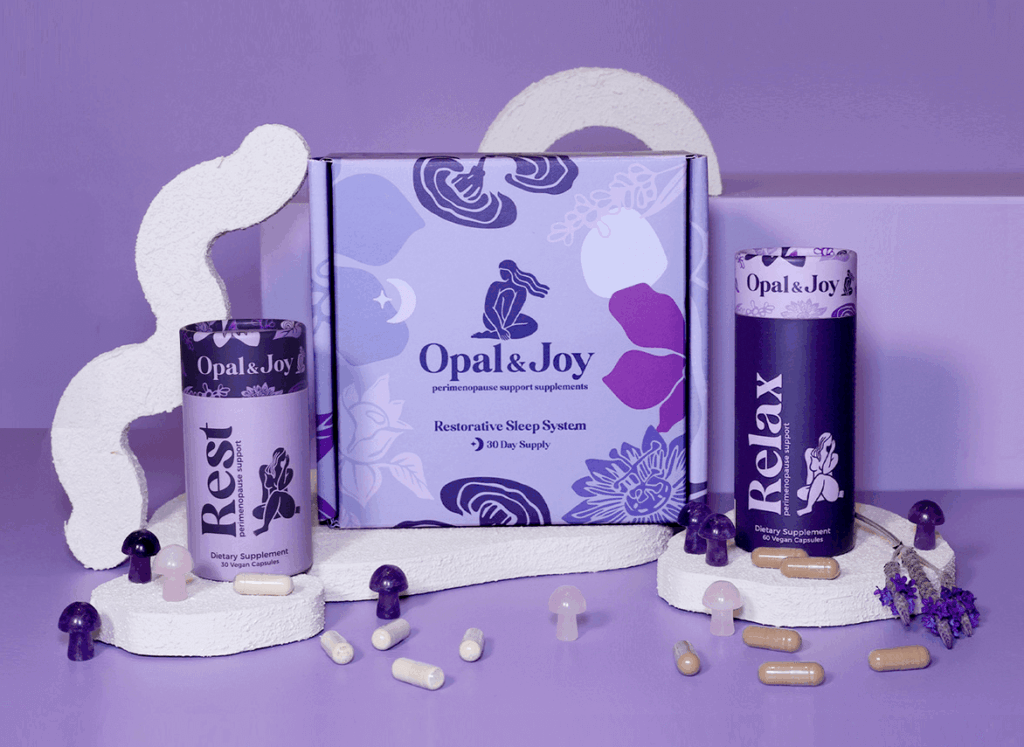
Opal & Joy was co-founded by Tiffany Tompkins and Melissa Zissou, who are passionate about helping women navigate those “WTF is happening to me” moments of perimenopause. Their personal journeys inspired them to create targeted, natural and effective supplements that support the unique challenges of perimenopause. With a strong emphasis on wellness and self-care, their pioneering, clinically formulated products are designed to empower women to be Perimenoproud™.

In this interview, she discusses their entrepreneurial evolution, from early struggles to the achievements that shaped their online business success.

What inspired you to start your business, and what problem were you passionate about solving?

We started Opal & Joy from a deeply personal and urgent place. Perimenopause hit Tiff early, at 38, and her symptoms were relentless. She suffered from depression, insomnia, anxiety, hot flashes, joint pain, weight gain, hair loss, and more. For years, doctors dismissed her concerns, telling her it was “normal” or “in her head.” As any good friend would, Melissa went looking for answers for one of Tiff’s biggest complaints – insomnia. With her background in the cannabis industry, Melissa suggested Tiff try full-spectrum CBD and it helped. But we quickly realized there was nothing on the market that was both effective and designed specifically to address perimenopause sleep disturbances. So, we set out to create it ourselves, with a mission to empower women and end the silence around this stage of life.

How has your business evolved since its launch, and what key decisions have helped drive that growth?

After years of research and development, we launched in January 2025 with three core products: Rest, Relax, and our 100% organic Relief Elixir. We use hemp-based cannabinoids, adaptogens, and Ayurvedic botanicals for targeted, effective support. We committed to eco-conscious packaging using recyclable cardboard tubes and soy-based inks, and we prioritize organic ingredients wherever possible. All of our products are vegan and GMO-free. Very quickly, we realized our mission wasn’t just to sell supplements—it was to spark a movement. Embracing the idea of being Perimenoproud™ became as central to our identity as the products themselves.

In your view, what truly sets your brand apart in today’s competitive market?

We’re not here to jump on wellness trends. We’re here because we lived it. Our formulations are rooted in science, created by women for women, and made with the cleanest, most effective ingredients possible. We pair hemp science with adaptogens and Ayurvedic plants, focus on organic sourcing, and package sustainably. Just as important, we’re changing the conversation around perimenopause.

What has been your most effective marketing strategy to date, and why do you think it worked so well?

Our most effective strategy has been storytelling, sharing real experiences, both ours and those of other women. Whether it’s through our blog, podcast, or social media, our audience connects to authenticity. It works because women trust other women who have been there, not faceless brands making vague promises.

How do you stay connected to your ideal audience and understand their needs or behaviors?

Opal-Joy-Restorative-Sleep-System

We listen, constantly. Our community, email list, and social channels aren’t just places where we post updates, they’re spaces for conversations. We run polls, answer DMs personally, and create opportunities for women to tell us what they’re going through. Our Perimenoproud Posse, made up of women who test our products, gives us valuable firsthand feedback that shapes what we do next.

What’s one branding move or campaign that helped elevate your business to the next level?

Launching our slogan, Be Perimenoproud™, has been important for us. It is our rallying cry and has shifted our brand from being about products to being about identity and empowerment.

What does success look like for you, not just in numbers, but in purpose or impact?

Success is when a woman tells us she finally slept through the night, that she was able to get back to sleep after that dreaded 3 am wake up, or that she feels better. It’s when she feels informed, seen, and supported through a stage of life that’s often ignored. That kind of impact matters more than any sales figure.

How do you personally define success, beyond revenue and growth metrics?

For us, success is about empowerment. It’s knowing that we’ve helped turn misinformation into education, stigma into celebration, and isolation into community. If we’ve made even one woman feel stronger and more confident, we’ve succeeded.

Can you share a challenge or setback that ultimately became a turning point for your brand?

The biggest challenge was the dismissal we faced in the medical system. Being told symptoms were “in your head” is infuriating and disempowering. That experience became our fuel. It pushed us to build a brand that says, “We see you. We’ve been you. We’re here for you.” It made our mission personal and non-negotiable.

What daily habits or rituals keep you focused, creative, and grounded as a leader?

We start each day by setting our top three priorities, so we don’t get lost in the noise. We take time to connect with our community, whether that’s responding to messages or checking in with product testers. We make space for movement, whether it’s a walk or yoga, and we always keep our purpose front and center. Opal & Joy is named after our foremothers, women who inspire us to lead with strength and creativity.

How do you approach innovation and risk in your business strategy?

We take calculated risks rooted in research and guided by our mission. We invest in clean, organic, sustainable packaging, even when it costs more. We formulate with cannabinoids in a market that’s still finding its footing because we believe in the science. We create content and education alongside products because innovation isn’t just about what’s in the tube, but about how women experience our brand.

What advice would you give to someone starting a business in today’s fast-changing digital world?

Start with your “why” and hold onto it tightly. Trends and algorithms will change, but if you’re grounded in purpose and clear on who you serve, you can adapt without losing your identity. Be transparent, lead with value, and build community before you chase scale.

Where can our audience connect with you and learn more about your work or offerings?

You can find us at OpalandJoy, where you can explore our products, read our blog, take our perimenopause quiz, and listen to the Perimenoproud Podcast. You can join our Perimenoproud Posse to be part of our community and test new products. And you can connect with us on Instagram, Facebook, and Pinterest.

Mandy Hawtin on Seadragon Organic, Sustainable Skincare, and Redefining Midlife Beauty

0

As part of the Morning Lazziness series highlighting empowering women who are making a remarkable impact with their ideas, I had the pleasure of interviewing Mandy Hawtin.

Mandy Hawtin is the founder of Seadragon Organic, a certified organic cosmeceutical skincare brand created to support women through the changes of midlife and beyond. A qualified cosmetic chemist, Mandy returned to study in her late 40s with a determination to learn how to formulate technically complex products that were both sustainable and effective.

Her inspiration came from a deeply personal place: as she experienced hormonal changes herself, she saw how many women were overwhelmed by confusing routines and let down by natural products that failed to deliver results. Mandy set out to change that by creating a collection that blends the wisdom of science with the purity of nature, using clinically proven marine bio-actives and organic ingredients to provide visible results.

Since launching in December 2024, Seadragon Organic has already attracted loyal customers drawn to Mandy’s honesty, transparency, and passion for sustainability. She speaks openly about the realities of formulation, ingredient sourcing, and the beauty industry, building trust by sharing knowledge rather than marketing spin. Her philosophy is rooted in balance: mornings devoted to her wellbeing and reflection, afternoons dedicated to creating products that honour the uniqueness of every woman’s skin.

Mandy’s vision extends beyond skincare. She hopes to spark a global movement that reframes midlife as a season of renewal rather than decline. By guiding women with kindness, integrity, and expertise, she is redefining what it means to age with beauty, confidence, and grace.

In this interview, she reflects on the pivotal moments, hard-earned lessons, and defining wins from her journey in building thriving online ventures.

What inspired your leap into entrepreneurship, and what personal experiences sparked the idea behind your current venture?

In the beginning, I wanted an interesting career that blended well with being a mother of three young children. My current venture followed from seeing a need for organic products that were as high performing as synthetic products, married with a low carbon footprint. Seadragon Organic grew from that passion.

What core problem does your business solve, particularly for women or underserved communities—and how does your approach stand out in today’s competitive space?

I simplify skincare for people who want visible results without the overwhelm. Many women feel let down by natural products that do not perform, or brands that promote five or more skincare products morning and night. I’ve focused on formulating organic skincare that works at a cosmeceutical level, and two multipurpose products, both morning and night.

What were some of the toughest obstacles you faced early in your journey as a woman entrepreneur, and how did you navigate through them?

My former business partner left our business and I felt forced to sell. Starting over on my own meant rebuilding my confidence and facing the financial challenges of not having an income for 2 years. I took the time as an opportunity to become a qualified cosmetic chemist and create new and technically more advanced skincare than I could have done previously. 

When the going gets tough, what keeps you grounded and motivated to keep pushing forward?

I come back to why I began: the joy of creating products I love and the vision of supporting women through midlife changes without the greenwashing and deceptive marketing tactics. Delivering products that have the correct input of active ingredients to give customers the best skincare results without compromising on sustainability is a huge driver, and honestly I love being my own boss.

What daily habits or non-negotiable routines help you stay focused, creatively energized, and balanced as a founder?

Morning self-care is non-negotiable. I’ve recently added meditation as soon as I wake up, which has helped me manage anxiety and stay present. That calm focus carries into my work and fuels my creativity. I also try to walk or exercise most days too.

What’s been the most effective growth lever for acquiring new clients or expanding your customer base?

Seadragon Organic is still young, with our first products released last December. Organic sales from my former customers have been a strong starting point, and we’re now on track to reach my previous business’s sales levels. With social media ads starting next quarter, I expect growth to accelerate.

What branding or marketing decision had the biggest impact in elevating your business and building trust with your audience?

Choosing to share the truth about ingredients. Customers value transparency, and by explaining exactly what is in my formulations and why, I build trust and set Seadragon Organic apart.

How do you personally define success—not just as a business owner, but as a woman living a purpose-driven life?

Success to me isn’t large sales figures, it’s being acknowledged by my peers through the awards I have won. Personally, success is when I experience the perfectly balanced day, with mornings dedicated to my wellbeing and growth, and afternoons devoted to my business – sometimes the other way around!

Can you share a mistake or misstep that taught you a lesson you still carry with you today?

Early on, I underestimated how long it takes to bring products to market. It taught me patience, resilience, and the importance of allowing space for innovation to unfold at its own pace. Rushing can result in costly errors. Take your time and get things right.

What’s your best advice for women just starting out—especially first-time entrepreneurs feeling overwhelmed or unsure of their next steps?

Start with what you know and trust yourself to learn the rest. Focus on progress, not perfection, and remember that the journey itself is part of your growth. When you make a mistake, which will happen, don’t dwell on it. Instead, take the lesson and move on.

How do you approach risk and innovation, especially when breaking new ground in a male-dominated or fast-changing industry?

Innovation is less about following trends and more about creating what is truly needed, even if that means doing things differently. Even though I am a solopreneur, I lean on experts around me, such as my ingredient suppliers and marketing agency. Ask for advice and opinions, as innovation is rarely a solo venture.

If you lead a team, how do you foster a culture of trust, inclusivity, collaboration, and growth?

I currently work solo, but when I collaborate with other agencies, distributors, and suppliers, I focus on respect, open communication, and most importantly, shared values. People can learn your culture and brand, but if you are not values aligned, you are bound to have problems at some point.

What are the top 5 mindset shifts or personal practices that helped you overcome self-doubt and grow your confidence as a woman entrepreneur?

  1. Seeing setbacks as part of the process and an opportunity to learn
  2. Trusting the science and my education
  3. Valuing progress over perfection – sometimes you just need to move forward
  4. Building community instead of competition – it’s also more fun, and you will be amazed at how you can benefit each other
  5. When feeling overwhelmed, such as not having enough time, that is the time to step away for a few hours or a day and take a break.

If you could spark a global movement through your work, what would it be—and why is that mission meaningful to you?

I’d love to show the beauty industry that sustainability isn’t just about packaging selection, it’s about every ingredient that goes into skincare products and the manufacturing processes, too. I’d love to show them that reducing our carbon footprint might cost a little more, but it’s a direction we need to move into and one that many customers will embrace.

What’s a quote, philosophy, or guiding belief that shapes how you lead, create, and live every day?

“There is only one way to learn. It’s through action.” – Paulo Coelho. This reminds me to keep moving forward, even when things feel uncertain.

Where can our audience connect with you, explore your work, or follow your entrepreneurial journey online?

You can discover Seadragon Organic or follow my journey on Instagram.

Deborah Haile on Tiny Global Footprints, Family Travel, and Inspiring Young Authors

0

As part of the Morning Lazziness series highlighting empowering women who are making a remarkable impact with their ideas, I had the pleasure of interviewing Deborah Haile.

Deborah Haile is a bestselling author, entrepreneur, and co-founder of Tiny Global Footprints, a platform dedicated to inspiring family travel and global learning. She has traveled to 20 countries with her son, Jonah Seyum, turning their experiences into bestselling children’s books and co-hosting the Global Footprints Stories podcast.

She holds a Master’s degree from George Mason University and a Bachelor’s from the University of Minnesota. Originally from Eritrea, she now lives in California, continuing her mission to make storytelling and travel accessible for all families.

At just 12 years old, Jonah Seyum is an award-winning author, podcaster, and the youngest published Eritrean author. As co-CEO of Tiny Global Footprints, he has co-authored three books with his mother, bestselling author Deborah Haile, and written four solo books. Jonah has traveled to 20 countries, embracing new languages and cultures while turning his experiences into stories that inspire young readers.

Outside of writing, Jonah is passionate about basketball, soccer, martial arts, and video games, and he enjoys spending time with his large extended family. He’s been featured by multiple news outlets via live interviews and articles, including NBC, ABC, Tripadvisor, BuzzFeed, Travel Noire, Billion Success, Thrive Global, and Authority Magazine.

In this interview, she talks about the obstacles she’s overcome, the milestones she’s achieved, and the wisdom she’s gained along the way.

What was the inspiration behind starting Tiny Global Footprints with your son Jonah?

The inspiration came from my desire to create meaningful experiences with Jonah that went beyond the typical parenting experience. Traveling together allowed us to connect deeply while exposing him to the world’s rich diversity. It soon became clear that our stories could inspire other families to embrace travel as a tool for education and empathy, which led to the founding of Tiny Global Footprints.

How did your own upbringing and heritage shape the mission of your brand and books?

Growing up as a first-generation Eritrean-American, I experienced the power of cultural stories firsthand. My heritage instilled in me a strong sense of identity and the importance of representation. This shaped our mission to create books and experiences that reflect diverse voices and teach children to appreciate global cultures from an early age.

What do you believe is the greatest benefit of exposing children to global travel and culture early on?

Early exposure to different cultures teaches children empathy, adaptability, and curiosity. It broadens their worldview, helps them appreciate diversity, and develops critical thinking about their place in the world. Travel is the ultimate hands-on classroom, where lessons are memorable and impactful.

How did you transition your personal travels into bestselling books and a successful family-focused brand?

Our transition was organic—each trip inspired stories we wanted to share. We started self-publishing to maintain authenticity and control. By combining engaging storytelling with educational elements and a mission-driven approach, our brand resonated with families looking for meaningful, multicultural children’s literature.

What challenges have you faced as a mompreneur creating a platform around global learning, and how did you overcome them?

Balancing a demanding career with entrepreneurship and family life is always challenging. Initially, building credibility as self-published authors required patience and persistence. We overcame these challenges by staying true to our mission, leveraging community support, and consistently producing quality content that connects with our audience.

How do you involve your son in the creative and business side of Tiny Global Footprints?

Jonah is a true partner, from co-authoring books to podcasting and business decisions. I encourage him to share his perspective and ideas, which keeps our work authentic and relevant to young readers. His involvement also teaches him leadership, responsibility, and creativity in a hands-on way.

What advice would you give to parents who want to travel more with their kids but feel overwhelmed?

Start small and be intentional. Travel doesn’t have to be extravagant to be educational or memorable. Focus on quality time, choose destinations that spark curiosity, and involve your kids in planning. Preparation and flexibility are key to managing stress and making the experience enjoyable.

You’re also a speaker and advocate—what message do you try to instill when speaking to parents, educators, and families?

I emphasize the power of storytelling and travel in shaping compassionate, globally aware children. I encourage families to prioritize experiences over things and to use travel as a platform for learning and connection. Education should extend beyond classrooms to real-world engagement.

What’s your favorite destination you’ve explored with Jonah, and what made it special?

Each place holds unique memories, but Eritrea stands out due to our personal connection. Visiting family, sharing our heritage, and seeing Jonah embrace his roots made the experience meaningful. It was a blend of culture, history, and family that strengthened our bond and inspired our storytelling.

How do you see storytelling playing a role in education and global awareness for kids today?

Storytelling is a universal language that builds empathy and understanding. Through stories, children can experience cultures, challenges, and values beyond their immediate environment. It’s a powerful tool for teaching global citizenship and inspiring curiosity about the world.

What legacy are you building—not just for your family, but for the families who follow your journey?

We aim to build a legacy of connection, curiosity, and courage. For our family and others, it’s about inspiring a lifelong passion for learning and empathy, showing that understanding the world and diverse cultures enriches lives and communities.

What’s next for Tiny Global Footprints—any upcoming books, projects, or destinations?

We’re excited to launch new books that continue to explore global cultures and stories, including a special focus on collaborative works with young authors in Eritrea. We also plan to expand our podcast content and engage more families through educational programs and virtual events.

Where can our audience connect with you and learn more about your work or offerings?

Our audience can find us on our website, follow our journey on Instagram, and listen to our podcast, Global Footprints Stories, available on all major platforms.

moon d’elle Founders Chandra & Tabitha on Italian Craftsmanship, Sisterhood, and Building a Luxury Shoe Brand

0

As part of the Morning Lazziness series highlighting empowering women who are making a remarkable impact with their ideas, I had the pleasure of interviewing Chandra and Tabitha.

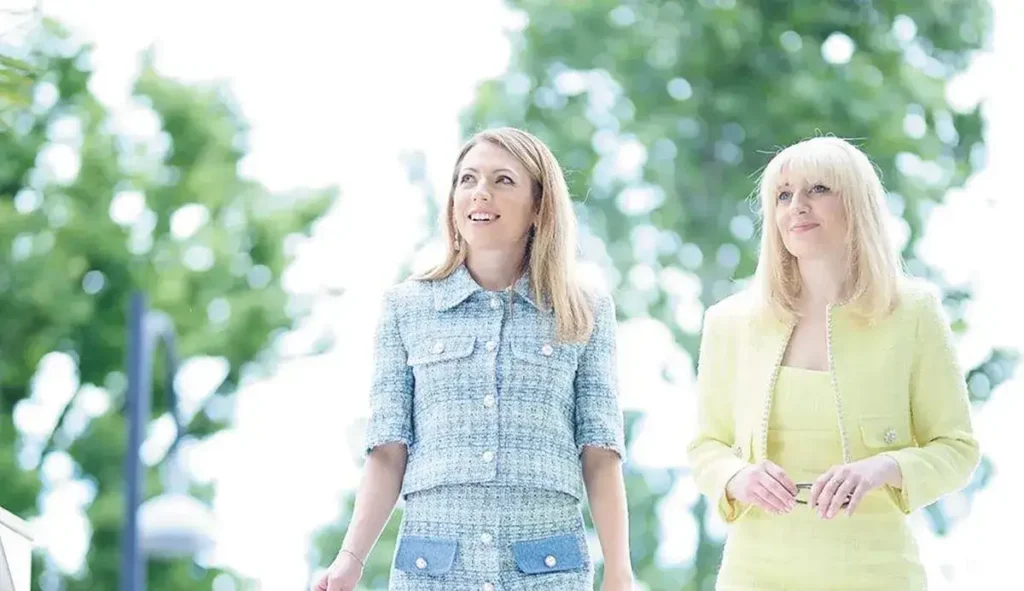
Founded by sisters Chandra and Tabitha, moon d’elle is where Italian heritage meets New York energy. Raised between Milan and New York, the duo bring a unique blend of culture, sophistication, and modern edge to every design.

Each pair of moon d’elle shoes is more than footwear — it’s a statement of authenticity, artistry, and timeless elegance. Designed entirely in Milan, every shoe is handcrafted in Italy by master artisans using locally sourced materials, ensuring uncompromising quality and luxury.

For Chandra and Tabitha, moon d’elle is more than a brand; it’s a celebration of heritage, craftsmanship, and the power of women who walk boldly in style.

In this candid conversation, Chandra and Tabitha share their journey, insights, and the strategies that have helped them build a results-driven business and empower other entrepreneurs to do the same.

What inspired the two of you to start moon d’elle, and how did your Italian heritage and backgrounds in fashion and ballroom dancing shape the brand?

moon d’elle was born out of our shared love for artistry, movement, and style. Growing up, we were surrounded by the elegance and tradition of our Italian heritage, which gave us a deep appreciation for craftsmanship. As two sisters coming from a ballroom dancing background, we combined our passion for fashion to create shoes that embody both beauty and performance—pieces that feel as though you could dance all night, while grounded in timeless Italian design.

What does the name “moon d’elle” represent, and how does it reflect your brand’s story and identity?

The name is a fusion of “moon” (a symbol of femininity, rhythm, and mystique) and “gazelle,” representing elegance, strength, and movement. Together, it captures the spirit of our brand—shoes that empower women to move confidently through every stage of life, with both grace and individuality.

Why was it important for you to produce your shoes in Italy, and what makes Italian craftsmanship so essential to your collection?

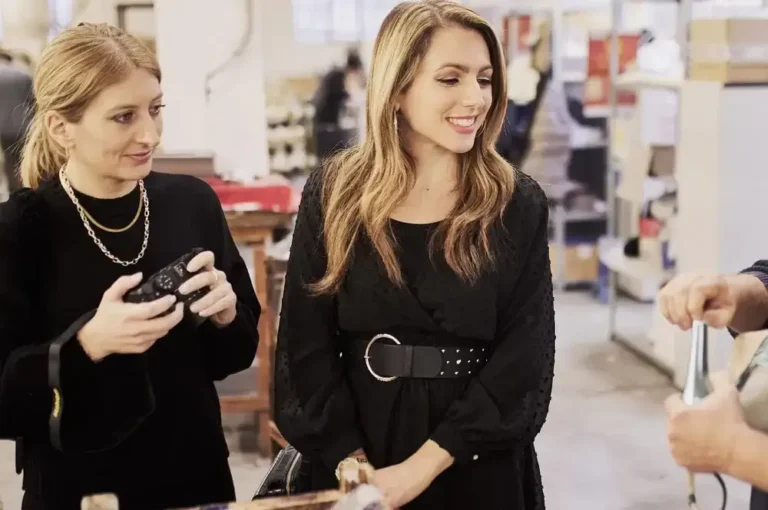
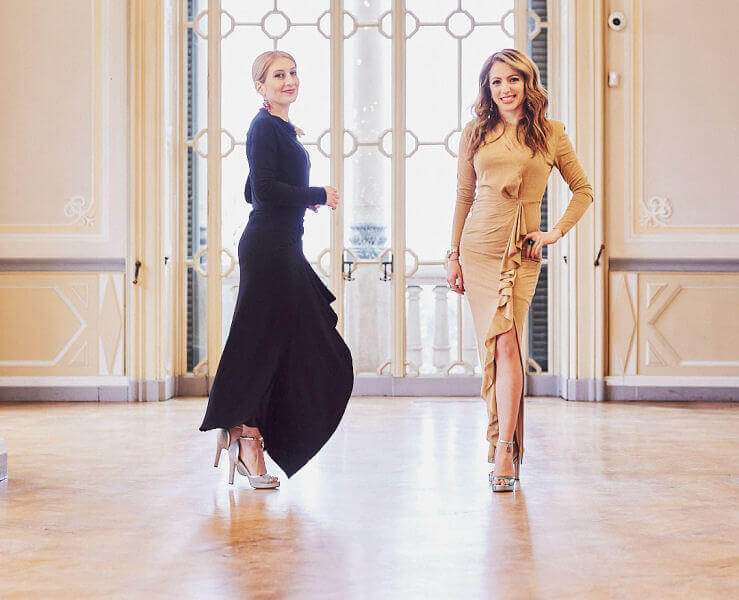
Chandra and Tabitha, moon d’elle

Italy is the heart of luxury footwear. Producing our shoes there wasn’t just a choice—it was a commitment to authenticity, quality, and artistry. Italian artisans bring generations of knowledge and meticulous handcraft to every stitch. That attention to detail ensures our shoes aren’t just stylish, but truly timeless.

Luxury and comfort rarely go hand in hand—how did you strike the balance between high-end design and wearability in your shoes?

We wanted our shoes to feel as good as they look, so you can actually wear them and walk around. To achieve comfort, we use memory foam insoles, lightweight construction, and carefully selected materials, without compromising on design. Every pair is engineered for movement—whether it’s a night out or an all-day wear—so women don’t have to choose between elegance and comfort.

Can you walk us through the design process—from idea to finished shoe—and what makes each pair unique?

It starts with inspiration—sometimes from architecture, our daily lives or our travels. We sketch, refine, and work closely with Italian artisans who prototype each design by hand. Materials are sourced locally, and every detail—from the curve of a heel to the placement of hardware—is considered with both beauty and function in mind. What makes each pair unique is that blend of artistry and intention: they’re designed not just as shoes, but as wearable works of art.

What challenges have you faced launching a luxury brand exclusively online, and how are you building trust with first-time buyers?

Luxury has traditionally been tied to in-person experiences—touching, trying on, and seeing pieces up close. Launching exclusively online meant we had to find new ways to build that same sense of trust. We’ve invested in transparent storytelling, detailed product photography, and direct engagement with our community. Customer feedback and word of mouth have also been key—we thrive on satisfying our customers and love to see the momentum and buzz that we are building through the brand.

How do you envision moon d’elle evolving over the next few years—are there plans to expand into retail or other product lines?

Chandra and Tabitha, moon d’elle

Our vision is to continue growing the brand thoughtfully. While we’re focused on building our online presence now, we see opportunities in selective retail partnerships starting with pop-ups and other in-person events and experiences. We also recently launched a new personalized accessory line and look forward to expanding on that and other creations.

As sisters and business partners, how do you divide roles and maintain harmony both creatively and professionally?

We lean into our strengths and always collaborate together as two minds are better than one. We are very good at bouncing ideas off each other, listening to each other and respecting each other’s perspectives. Our shared vision keeps us aligned, even when we approach things differently.

What advice would you give to other women looking to launch a luxury brand or enter the fashion space with no prior e-commerce background?

Start with your passion and vision, then be willing to learn every step of the way. Surround yourself with mentors, seek feedback, and don’t be afraid to pivot. The digital landscape can feel overwhelming, but it also offers incredible tools to connect directly with your audience. Most of all, stay authentic—your story and perspective are your greatest differentiators.

Where can our readers explore your collection and stay updated on the latest from moon d’elle?

You can explore the full collection at moondelle, and follow along on Instagram for the latest launches, behind-the-scenes moments, and styling inspiration.

Alison Edgar MBE: Entrepreneurial Success Story of the ‘Godmother of Startups’

0

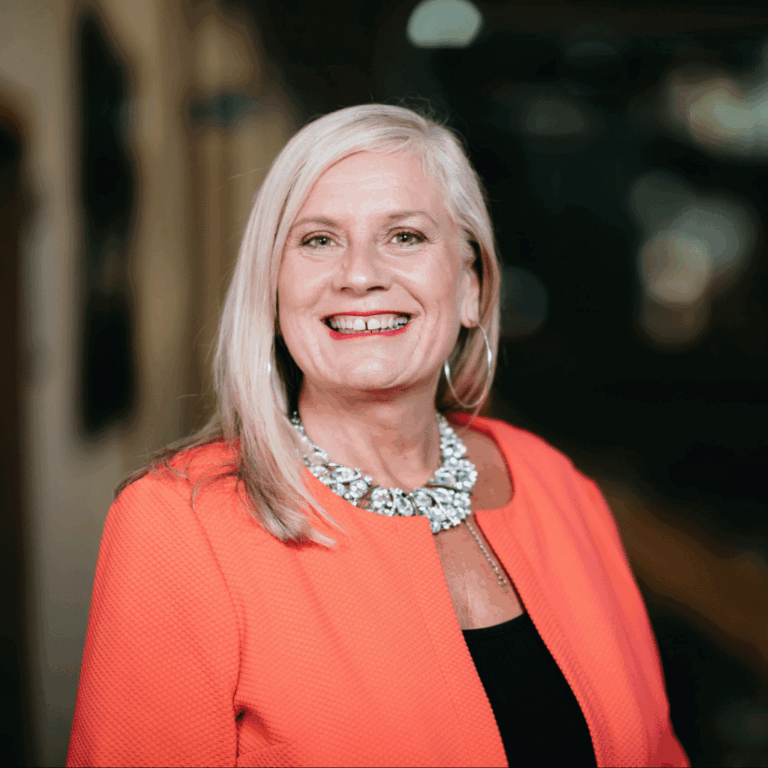
As part of the Morning Lazziness series highlighting empowering women who are making a remarkable impact with their ideas, I had the pleasure of interviewing Alison Edgar MBE.

At age 46, Alison Edgar MBE rewrote her story. After 25 years in corporate performance and leadership roles — from front-of-house management at hotels to sales strategy at major brands — she launched SMASH IT!, a training and coaching platform rooted in behavioural psychology, motivation, and change management. Today she’s known as “The Entrepreneur’s Godmother”, a sought-after keynote speaker, bestselling author, and boardroom advisor. Honoured with an MBE in 2020 for her services to entrepreneurship, she’s also held an Honorary Doctorate of Education and regularly influences entrepreneurial thought at the highest levels.

What makes Alison stand apart is more than her credentials—it’s her ability to smash through barriers. Her bestselling books SMASH IT! The Art of Getting What YOU Want and Secrets of Successful Sales strike a rare balance: practical, relatable, and empowering for everyone from startup founders to corporate leaders.

In this exclusive interview with The Champions Speakers Agency, Alison opens up about why reinvention is one of the most valuable superpowers in business. She shares how SMASH IT! came to life, why intrapreneurship is the growth engine many companies overlook, and how embracing a fearless mindset can transform teams and organisations alike.

In this interview, she reflects on the pivotal moments, hard-earned lessons, and defining wins from her journey in building thriving online ventures.

Alison, you’ve built a reputation as the ‘Entrepreneur’s Godmother’. What inspired you to launch Smash It! training, and how does it stand apart from traditional programmes?

So I think training for me is an interesting topic. I originally set up a sales training company and I focused on sales, but as the business evolved, I realised actually the content is the same in leadership and change, and it’s so integral to everything.

A lot of the people that I do training with are the younger generation, so when it comes to the terminology, a lot of training is dull and boring, revolving on courses that are just dull. And Smash It! is such a contemporary phrase, isn’t it? People say, “Oh, you smashed it!” So I trademarked Smash It! and I own the trademark.

I decided that really it’s time now to put some contemporary things in that do make an impact. And it’s training and coaching, because sometimes training is like a puddle in the hot sun – it just evaporates. But it’s that combination that makes the habit form and changes.

I love to work in the change arena and really get people to enjoy change, embrace change rather than fear it. That was the cause, that’s why I set it up – because what I do works, and it’s just a piece of sort of getting it out to more people.

You’re a strong advocate of intrapreneurship. Why do you believe your intrapreneurship methodology is so important for modern businesses, and how can it transform workplace performance?

I think it’s imperative in business because it gives people autonomy and a chance to create.

One of the things I do in my talks is I bring a picture up and say to the audience, “Who’s this?” Pretty much nobody knows who this man is, but he’s actually Tony Fadell. And I say, “He’s called Tony Fadell, does anybody know who that man is?” And they’ll say, “No, I still don’t know who that man is.”

Then I bring a picture of Steve Jobs. Actually, Tony Fadell was the entrepreneur who developed the Apple iPod. So going from the Walkman to 1,000 songs in your pocket was not Steve Jobs – it was Tony Fadell. And then obviously the iPod developed into the iPhone.

So it’s Tony Fadell’s fault that we spend so much time in screen time! But if you look at that, you know there are a couple of things – I’m pretty sure they didn’t do it right first time. And I think it’s that entrepreneurial space that you give people, the space to be able to create new things.

At Apple they created a real growth space for people to try things and be allowed for it not to succeed. Again, that’s what we see in entrepreneurship all the time, but that doesn’t always happen in bigger organisations. That’s what I try and bring through.

The methodology – I had to come up with a methodology because it’s okay to say, “Oh, you can be entrepreneurial,” but what does that mean to my audience or the people in organisations?

So what we look at is three strands of entrepreneurship:

What would I do if it was my first day? The umbrella question. On our first day, we’re excited, we’ve got our Sunday best clothes on, we’re bringing our A-game. But then a year, two years, ten years down the track, is that energy still there? Getting employees to remember that first-day experience helps to re-motivate them and re-energise them again.

What would I do if it was my best friend? Especially in big organisations, people don’t like everyone they work with, and that’s a big catalyst to the breakdown in communication. I’m a DISC practitioner, so I love psychology and getting to understand the people you work with. If you understand them and why they make decisions, you know how to adapt your behaviour to get the best out of that relationship. It’s about adapting to individuals. People love that part.

What would I do if it was my business? Would you be sustainable? Would you recycle? Would you do things differently? I worked with the European Commission on entrepreneurship projects, and that’s what they tapped into: sustainability, diversity, inclusion, well-being. My research shows the top performers always feel like they’re running their own business, but most people don’t know where to start. Giving them that starting point makes a real difference.

Many leaders struggle with disengaged or demotivated employees. From your experience, what are your top strategies for reigniting motivation and energy within workplace teams?

I think there are a lot of demotivated workplace teams. One of the things is you can’t tell somebody they’re demotivated. If you say, “Are you demotivated?” they’ll probably say, “No, I’m not demotivated, not me.”

It’s about getting them to realise it. When I’m doing a talk or a session under the entrepreneurship model – “What would I do if it was my first day?” – the first thing we do is mindset. There’s a difference between a fixed mindset and a growth mindset, or a first-day mindset versus a 30-year mindset. When you explain that difference, people often identify themselves. Demotivation and fixed mindset go hand in hand.

Once people admit it, you can draw the line in the sand and make the change. If they don’t admit it, it’s really hard. Change is internal, and until people realise that, you can’t make the shift.

Then it’s about working out what motivates them. Today, people want more than money. If you understand someone’s motivators – education, well-being, flexibility – you can use that to re-energise them.

And then it’s about follow-through. A lot of people talk, but they don’t walk the walk. Coaching has to be put in place. Sometimes people aren’t even in the right role or organisation, and you’ve got to know when to move them or let them go.

I use the Kenny Rogers analogy – “Know when to hold ’em, know when to fold ’em.” You can’t re-motivate everyone. A fixed mindset spreads faster than a growth mindset. So you focus on the ones you can re-motivate and make those the catalyst for change.

A company’s culture can make or break its success. In your view, how can businesses cultivate a positive and truly innovative workplace culture that supports both people and performance?

This really comes back to the entrepreneurship model. It’s not about just getting a speaker in to talk – it’s about embedding the change.

During lockdown, I worked with an organisation that was struggling. They were demotivated, had made redundancies, and were spread across offices in Sydney, Hong Kong, the UK, Canada, and both sides of the US. Communication was tough.

We started with the senior leadership team. Too often they say, “It’s them who need to change, not us.” But change has to start at the top and work its way down. Everyone has to go through the same programme, learn about fixed and growth mindsets, and live it.

When leadership models it, people see authenticity. When they don’t, people say, “We tried that and it didn’t work.” But often they only tried it half-heartedly. For real culture change, you go all in – from the top down.

From Teacher to £200M Exit: Juliet Barratt’s Journey Co-Founding Grenade

0

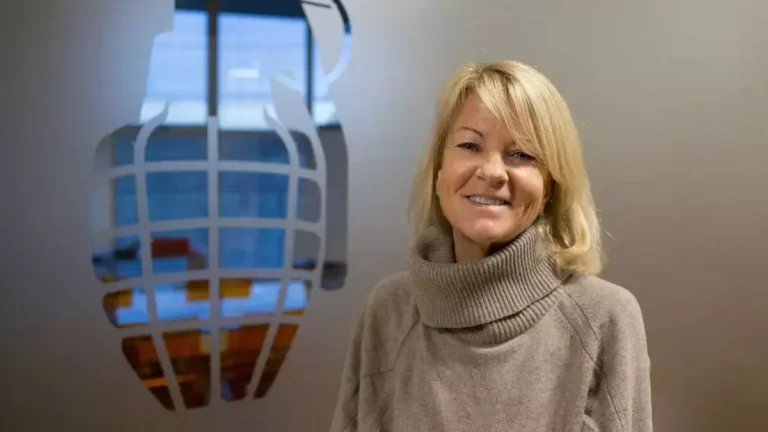
As part of the Morning Lazziness series highlighting empowering women who are making a remarkable impact with their ideas, I had the pleasure of interviewing Juliet Barratt.

Entrepreneur Juliet Barratt’s story is one of bold vision, persistence, and disruption. A former teacher who swapped lesson plans for business plans, she went on to co-found Grenade, the sports nutrition company that shook up the health and fitness industry.

With Juliet as Chief Marketing Officer, Grenade grew from a kitchen-table idea into a global brand sold in more than 80 countries—culminating in its £200 million acquisition.

Today, Juliet channels her experience into mentoring, investing, and advising the next generation of entrepreneurs, while also serving on the boards of emerging consumer brands.

Recognised as EY Entrepreneur of the Year and named among the UK’s Top 100 Influential People, she brings authenticity, humour, and unfiltered honesty to every stage she steps on.

In this exclusive interview, Juliet shares the lessons behind building a category-defining brand, the importance of culture in scaling a company, and why embracing challenges is the hallmark of entrepreneurial success.

Grenade became a disruptive force in a crowded industry. From your perspective, what does it take for a brand to truly stand out?

I mean the one thing that’s so important – and I’m going to apologise for my language here – is you need to make it really clear to consumers, or your customers, your clients, what you stand for.

Because I think the marketplace is so crowded in any industry, whether it be a consumer product, whether it be a service sector, they need to know why they’re going to use you or why they’re going to buy you.

And I think one of the most successful things about Grenade – and it sounds a bit weird – is that there was always a little bit of Al and I in all of the products. So, our personality, the fact that we, you know, we enjoy ourselves, you know, we take business very seriously, but there was a lot of fun in all of our products.

And the marketing messages were very tongue-in-cheek. We never wanted to offend anybody, but we wanted to have a sense of humour. And I think that’s what got so many customers, consumers on board with Grenade – the fact that they had that emotional connection with the founders and with the brand. They knew not only were the products brilliant, but also, they bought into the brand.

I think that’s so important. I always call it the “X factor.” You need to make it really, really clear what you stand for, because as soon as customers or consumers get confused, they switch off and they’ll go and use somebody else.

I’ve looked at loads of different websites or social media and I’ve thought, what do these people actually do? I don’t know whether they can help me. So, I just think it’s setting your stall out and almost, you know, doing what you say on the tin, so that everybody knows exactly what you stand for. It’s so important.

When we launched Grenade, it was in a very crowded marketplace. There were lots of similar products. There were no magic ingredients – it was all about the look and feel of the product.

Everything was in very generic white tubs. They all had very scientific names, and what we found was that as soon as you stepped outside of the gym or the health club, you didn’t know what they were called, you couldn’t remember.

So, by setting Grenade up in a grenade-shaped container, it didn’t matter what language you spoke or where you were in the world – you knew what that product was called by the look and feel of the container. It stood out on the shelf, it stood out on socials, the website looked great – so it was all about grabbing customers’ or consumers’ attention.

Today’s workforce is more diverse and remote than ever. How can entrepreneurs build strong teams and culture in this new environment?

I think with the world as it is today, with everyone working remotely, one thing that we found with Grenade that really worked was that sense of working together in a team.

We had a really, really tight-knit team and this was a lot easier when the business was smaller. When there were like 10, 15, 20 members of staff we all used to go out together.

But as the business grew and some people worked remotely, trying to keep that team spirit was key. So, Alan and I always used to talk to new starters, so they knew about the Grenade journey.

We always showed an interest in the business and what people did. We organised social events so that all the team got together, and I think that’s so important.

But one of the biggest pieces of advice I think for anybody new starting a business is making sure that the people that you employ have got the right cultural fit. Because I think you can train somebody to do a job, but you can’t change who they are.

Sometimes, you know, different personalities just won’t fit into an organisation and that can have a really disruptive effect on a business.

So, it would just be to employ people that are the right cultural fit, which want to work in the team. And again, it’s finding out what they enjoy doing.

We had members of staff that we employed in one role at the beginning, and actually they loved something completely different, so we moved them onto that role. It’s about keeping great people in the business by finding the right roles for them.”

After selling Grenade for £200 million, many would have stepped back. What drives you to keep chasing new challenges?

Oh, I mean every day is a challenge and I’m one of these people that like to challenge myself. One of the things – I didn’t know whether to start another business, which was my plan, to start a brand. But I didn’t want a “second album.”

There are so many people that jump straight into something else and it’s not as successful as their first business. I feel that I went out on a high with Grenade, which was brilliant. But I challenged myself personally – my fitness goals, I travel a lot, but also, I work with a lot of other food and consumer brands helping them on their growth journey.

That’s great because you get the experiences, you can pass on your advice and watch other brands grow. But then, actually, at the end of the day or the end of the week or the board meeting, you can walk away and do your own things.

I think once you’re one of these people, you can’t sit still. So, I can never settle – I have to be busy.”

When you step on stage to share your journey, what do you hope audiences walk away with?

I’m very honest and down to earth, and I’ll say exactly how it is. A lot of people sugarcoat their business journey and talk about how wonderful it was, and you know, all the highs. Whereas actually there were some really difficult, challenging times that you get through because you’ve got a strong team.

But I’ll always be honest about the complete Grenade experience. As I’ve mentioned before, a lot of this was learned on the job, and we were doing something that people hadn’t done before.

We were bringing a product that was typically a US product into the UK market. We challenged the UK grocery supermarkets; we actually created the category.

So, I would hope that they take away that entrepreneurial spirit and how it was really about rolling your sleeves up and getting stuck in. Very honest.

And also, people tell me I’m quite amusing – whether that’s true or not! So, you know, that sense of humour. Hopefully, it will have been enjoyable and a very real experience for people.”

Empowering Diversity in Modelling: An Exclusive Interview with Monique Jeremiah, Founder of Diversity Models

0

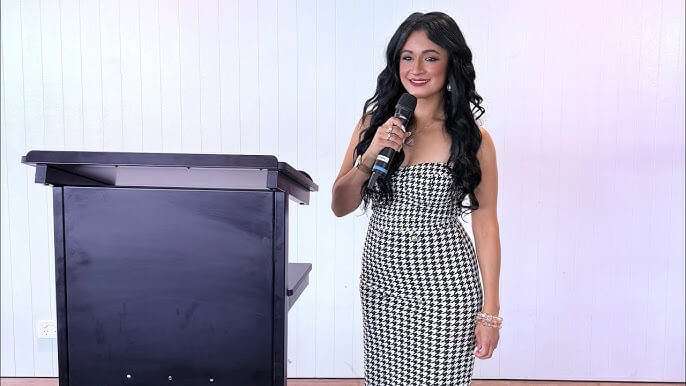
As part of the Morning Lazziness series highlighting empowering women who are making a remarkable impact with their ideas, I had the pleasure of interviewing Monique Jeremiah.

Monique Jeremiah is the founder and innovator behind Diversity Models, Australia’s first-ever NDIS Registered Provider modelling agency for people with disabilities. Driven by her passion for inclusion and mentorship, Monique is reshaping the modelling industry by championing visibility, confidence, and open employment opportunities for people of all abilities.

In addition to the agency, she launched Diversity Models Academy — a unique experiential learning and deportment school designed specifically for NDIS participants. Through immersive weekend workshops, the Academy nurtures social skills, personal confidence, grooming, employability, and industry knowledge, while fostering genuine networks. Her programs are celebrated for being inclusive, empowering, and transformative, giving participants the tools to shine both on and off the runway.

Backed by tertiary qualifications in HR, Industrial Relations, and training, alongside a 13-year entrepreneurial career in education and recruitment, Monique brings together her expertise in PR, marketing, and commercial modelling to drive change with purpose. Diversity Models is not just her business — it is her passion project, dedicated to breaking barriers, challenging expectations, and building a more inclusive future for the fashion and creative industries.

In this interview, she discusses her entrepreneurial evolution, from early struggles to the achievements that shaped her online business success.

What inspired you to start your business, and what problem were you passionate about solving?

I started Diversity Models as no modelling agency in Australia initially specialised in diversity. Diversity Models then evolved to be the first modelling agency in the country specialising in disability models, 6 months later as I realised the lack of inclusion and representation of people with disabilities in the media and modelling industry. The company was started because I knew my strengths and entrepreneurial history lay in commercial modelling, media, marketing, and recruitment. Being a trailblazer entrepreneur, I went all-in to put people with disabilities into the spotlight to create meaningful employment opportunities through modelling, build their personal confidence and start their careers.

How has your business evolved since its launch, and what key decisions have helped drive that growth?

Upon the pivotal moment to specialise in disabilities, we went through full registration process to become an NDIS registered provider as the first modelling agency in Australia with this recognition. This decision was made as I believe wholeheartedly in doing everything 1000%, all in or nothing.  Diversity Models Academy Retreat was developed in 2024 to start our modelling and deportment school for people with disabilities.

In your view, what truly sets your brand apart in today’s competitive market?

Diversity Models is the pioneering Australian agency specialising in casting disability models. We are the most innovative modelling agency, as we not only mentor and train models through Diversity Models Academy, but we also create disability employment opportunities through Diversity Models. Therefore, we are a unique recruitment agency and creative agency combined.

What has been your most effective marketing strategy to date, and why do you think it worked so well?

Our most effective marketing has been through our constant social media content creation and distribution to ensure our models are constantly seen. 

How do you stay connected to your ideal audience and understand their needs or behaviors? 

We constantly communicate with our ideal audience and present opportunities where they can be employed or be engaged direct by and to our potential clients who will book them. We use a combination of marketing and PR in the mainstream and disability sectors to attract attention. We ask them their goals, what they can do and then we respond accordingly to create modelling and media opportunities.

What’s one branding move or campaign that helped elevate your business to the next level?

We created Diversity Models Academy weekend workshops which allow us to mentor our models intensively over a full stay weekend and then we capture the content and then we publish it everywhere across our social media campaigns to build their visibility, engagement, and exposure.

What does success look like for you, not just in numbers, but in purpose or impact?

We are the most purpose-driven modelling agency in Australia as we not only operate as a modelling agency, but we a care agency which goes above and beyond to help build the dreams, goals and confidence of our models through media and modelling and events. Success to us is when our models are booked for employment, when they get the opportunities to shine and when they refer us and share what we do to their networks. We aim for every model within Diversity Models to succeed in their own way.

How do you personally define success, beyond revenue and growth metrics?

Success to me is being remembered for creating a huge change in society, for going against the norm and doing what others never aspired to do and doing it very well. Success is being the innovator and the leader of impact, whilst of course enjoying a good work life balance.

Can you share a challenge or setback that ultimately became a turning point for your brand?

A setback we have faced is when NDIS has tightened the reigns on applications to join our agency. As a result, we have to communicate very clearly to ensure they understand how our modelling agency is making the most positive and incredible in the life of people with disabilities who join us. We may be a creative and social NDIS company, but we are just as powerful and useful as a clinical business in fixing challenges for NDIS participants.

What daily habits or rituals keep you focused, creative, and grounded as a leader?

I always have my 7-day-a-week routine of morning coffee, lunch, and afternoon non-alcoholic drink in 3 different café/restaurants with my laptop attached to my waist, to keep me mentally stimulated and social so I don’t fall asleep staring at a screen (when I’m not on shoots or at events). I stay creative by changing my physical environments and travelling and working from pleasant places to keep me motivated. I also listen to business/entrepreneurial practical training on YouTube almost 5 hours a day to keep me sharp in my marketing, media, PR and business skillset and to push me to achieve and learn constantly. To stay grounded, I do not live outside my means, I stay humble and give everyone my time and respect. I do not call myself a CEO.

How do you approach innovation and risk in your business strategy?

I constantly innovate and I always listen to ideas from my models or businesses around me who make suggestions. I learn from my environment always. I respond to risk immediately and swiftly.

What advice would you give to someone starting a business in today’s fast-changing digital world?

I would say learn organic marketing and social media immediately and focused on producing content every single day, at least 2 to 3 times a day to stay in people’s faces and minds, so they want to meet you in person. Always ask people how did they find out about you or your business so you understand what marketing/ PR is working.

Where can our audience connect with you and learn more about your work or offerings?

Kristyn Want on Building Happy Bear: Safe, Joyful Family Care

0

As part of the Morning Lazziness series highlighting empowering women who are making a remarkable impact with their ideas, I had the pleasure of interviewing Kristyn Want.

Happy Bear is an Australian-born wellness brand on a mission to make everyday care a little kinder, safer, and happier for families everywhere. Founded in Sydney by Kristyn Want, Happy Bear began in 2023 when Kristyn, a mum of two, struggled to find a gentle, non-toxic hand sanitiser that worked for her toddler and growing family.

Determined to create a solution, Kristyn developed a foaming sanitiser that combines 99.999% germ-killing power with a formula that’s safe, soft, and joyful to use — free from harsh alcohol and designed for everyone, from toddlers to grandparents.

What started as one mum’s search for better family hygiene has grown into a movement for everyday wellness. Today, Happy Bear is more than a sanitiser: it’s peace of mind in a bottle, a simple ritual that keeps families protected, and a daily reminder that small moments of care can spark big happiness.

In this interview, she reflects on the pivotal moments, hard-earned lessons, and defining wins from her journey in building thriving online ventures.

What’s the origin story behind your business, and how does it reflect who you are beyond the entrepreneur title?

Happy Bear was born while I was on maternity leave with my second child. I couldn’t find a gentle hand sanitiser safe enough for my toddler — everything stung, smelled harsh, or dried out her little hands. So, I created my own. As a mum first and entrepreneur second, I wanted something that gave families peace of mind without compromise. Happy Bear reflects that part of me — the mum who always looks for safer, happier solutions for her kids.

Your work blends purpose with business — what’s the “why” that still gets you out of bed on tough days?

My ‘why’ is simple — kids deserve safe, gentle products that parents can actually trust. Knowing Happy Bear is making life easier (and healthier) for families keeps me going, even on the tough days. Every message from a mum saying ‘finally, something my kids will use without fuss’ reminds me exactly why I started.

Many brands offer similar services, but few capture hearts — what’s your secret to building deep emotional resonance with your audience?

We connect with families by making sanitising feel less like a chore and more like a moment of care. Happy Bear isn’t just about killing germs — it’s about giving parents peace of mind and kids a product that feels fun, safe, and made just for them. That emotional layer — safety, trust, and a little joy — is what turns customers into a community.

What’s been your most effective marketing strategy, and can you walk us through the creative thinking or risk-taking behind it?

One of our most effective strategies was a playful campaign where we secretly swapped the alcohol-based sanitisers at indoor play centres and cafés for Happy Bear. Parents quickly noticed — no sting, no sticky residue, and kids who actually wanted to sanitise. It was a bold move, but it showed in real time how much better Happy Bear feels, and once families tried it, they didn’t want to go back.

How do you listen to your community — not just in surveys or analytics — but in ways that help you anticipate their unspoken needs?

I listen in the same spaces parents live their daily lives — school gates, daycare pick-ups, mum groups, even casual chats at the park. That’s where the unspoken truths come out: the sting that kids won’t tell you about, the mum who’s tired of sticky hands, or the parent who just wants one less battle in the morning rush. By being part of that community myself, I get to hear and anticipate needs long before they show up in a survey.

Which campaign, collaboration, or strategic shift felt like a true turning point in your brand’s public image?

Kristyn Want Happy Bear Skincare

A real turning point was when I started sharing the behind-the-scenes of building Happy Bear while raising two little ones. People saw the late nights, the kitchen-table planning, the juggle of nappies and new business. It resonated because it was real — and our community felt part of the journey, not just spectators. That honesty built trust and made the brand feel more human than just another product on the shelf.

In your own words, how do you measure success beyond profit, in terms of legacy, influence, or cultural impact?

For me, success isn’t just sales — it’s the messages and photos from parents showing their kids happily using Happy Bear. Knowing we’ve turned something families used to dislike into a product they trust and enjoy feels like the real win. That kind of impact — making everyday moments safer and happier — is the legacy I want to build.

Can you recall a moment when a failure became a story worth telling in your press or brand narrative?

One of my biggest early ‘failures’ was barcodes — they simply wouldn’t scan! What I thought would be a tiny detail turned into months of back-and-forth, new samples, endless testing, and a lot of unexpected costs. At the time it felt like such a setback, but it’s now one of those stories that perfectly captures the reality of starting a business — nothing is too small to trip you up. It taught me resilience, patience, and that even the tiniest details matter when you’re building something from scratch.

What’s a daily or weekly ritual that keeps you grounded and in touch with your brand’s mission, even when business gets chaotic?

Going for a walk outside and spending time with my family is my reset button. It pulls me out of the chaos of business and back into the simple moments that inspired Happy Bear in the first place — protecting and caring for my kids. Those walks remind me that the brand is about more than just a product; it’s about creating safer, happier everyday moments for families.

How do you approach innovation in a way that makes your brand both trend-aware and timeless?

I focus on solving real problems for families rather than chasing fads. Parents will always want products that are safe, gentle, and easy to use — that’s timeless. Where innovation comes in is how we deliver that in a way that feels fresh and relevant: fun packaging kids actually like, social campaigns that spark conversation, and listening closely to what modern families need. That balance keeps Happy Bear both trend-aware and enduring.

If you could pass down only one piece of wisdom to the next generation of entrepreneurs, what would it be and why?

Just give it a go. Start despite the limitations, even if it feels messy or imperfect. You’re capable of more than you realise, and every big achievement starts with tiny baby steps. Progress, not perfection, is what builds something lasting.

Winning recognition in your industry is no small feat — what behind-the-scenes decision or move do you believe made that possible?

I believe recognition came from daring to create a product that truly stands apart. Instead of another ‘boring’ sanitiser, Happy Bear is alcohol-free, gentle, and designed with kids and parents in mind. That decision to back something unique — even when it meant going against the norm — is what helped us stand out and gain traction in the industry.

How have public recognition, awards, or media features shifted opportunities for your brand in unexpected ways?

Public recognition and media features have opened doors we never expected — from being approached by potential stockists to larger brands reaching out for collaborations. It’s created opportunities that would have taken years to build on our own, and it’s shown us just how powerful visibility can be in fast-tracking growth.

If someone hears your name or sees your work just once, what’s the one message or feeling you hope they leave with?

If someone hears my name just once, I hope they see a mum who turned a real-life struggle into a solution for families everywhere. I want them to feel inspired that with courage and persistence, you can create something meaningful — even from the kitchen table with kids running around.

Where’s the best place for our audience to follow your journey and explore your work?

You can follow along on Instagram, where I share the journey behind the brand, family life, and lots of Happy Bear moments. You can also explore and shop the range at Happy Bear Skincare.