


As part of the Morning Lazziness series about empowering women who encourage and do incredible things with their ideas in society, I had the pleasure of interviewing Jessica Koosed Etting.
Jessica Koosed Etting is the co-founder and CEO of Jam, a pioneering family calendar app designed to dismantle mental load and make family life more efficient and equitable. As a parent who understands the challenges of modern family life, Jessica is committed to providing caregivers with tools to navigate the demands of daily life.
Jessica boasts over 20 years of experience in female-forward storytelling. She has sold over a dozen film and television projects, worked with top female talent in Hollywood and is the author of six novels. As Jessica transitioned into motherhood, she broadened her career focus to include more forms of storytelling through branding, content development and marketing, ultimately partnering with her sister to create Jam, the tool she wished she had as a working mom.
Jessica resides in Los Angeles with her family and can frequently be found searching for her sons’ missing shin guards.
What inspired you to become an entrepreneur in the AI industry, and what led to the creation of your current venture?
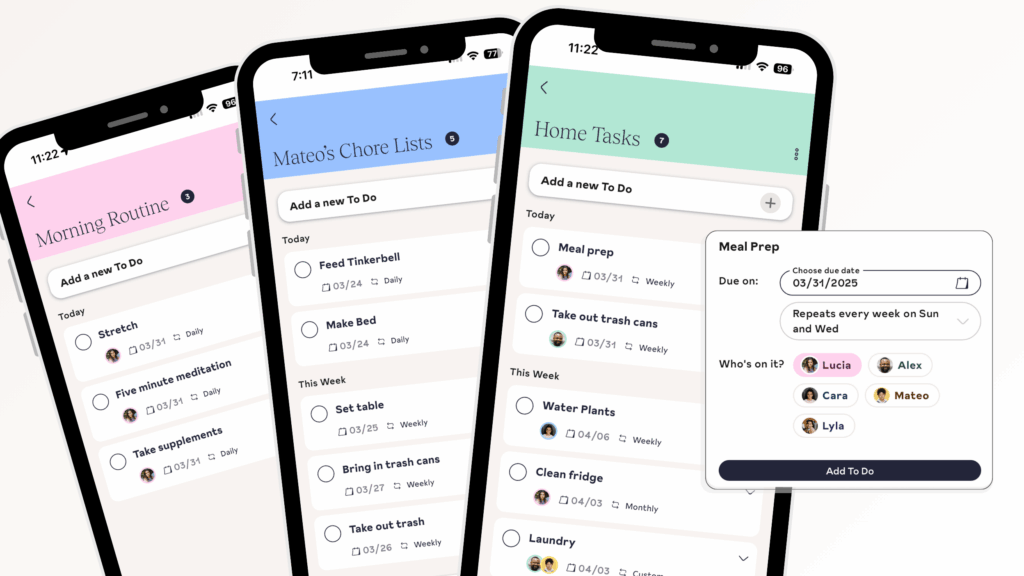
I didn’t set out to become an AI entrepreneur or to create the best family calendar app…I spent almost two decades in the entertainment industry, working primarily as a writer. As a working mom, however, I was brutally aware of how challenging it was to juggle the logistics of modern family life, how taxing it was, and how much was falling on my shoulders. My sister, who worked in product development for enterprise-level project management software, was facing the same challenges as a mom, and we decided we should build the tool we wished we had. We launched Jam, an AI-powered family management app that houses all your family’s logistics and acts as an admin assistant for busy parents, at the perfect time to capitalize on the advancements in AI, allowing us to build quickly and nimbly and deliver an exciting product at the forefront of family and AI.
As a woman in tech and entrepreneurship, what unique challenges have you faced, especially in the AI space, and how did you navigate them?
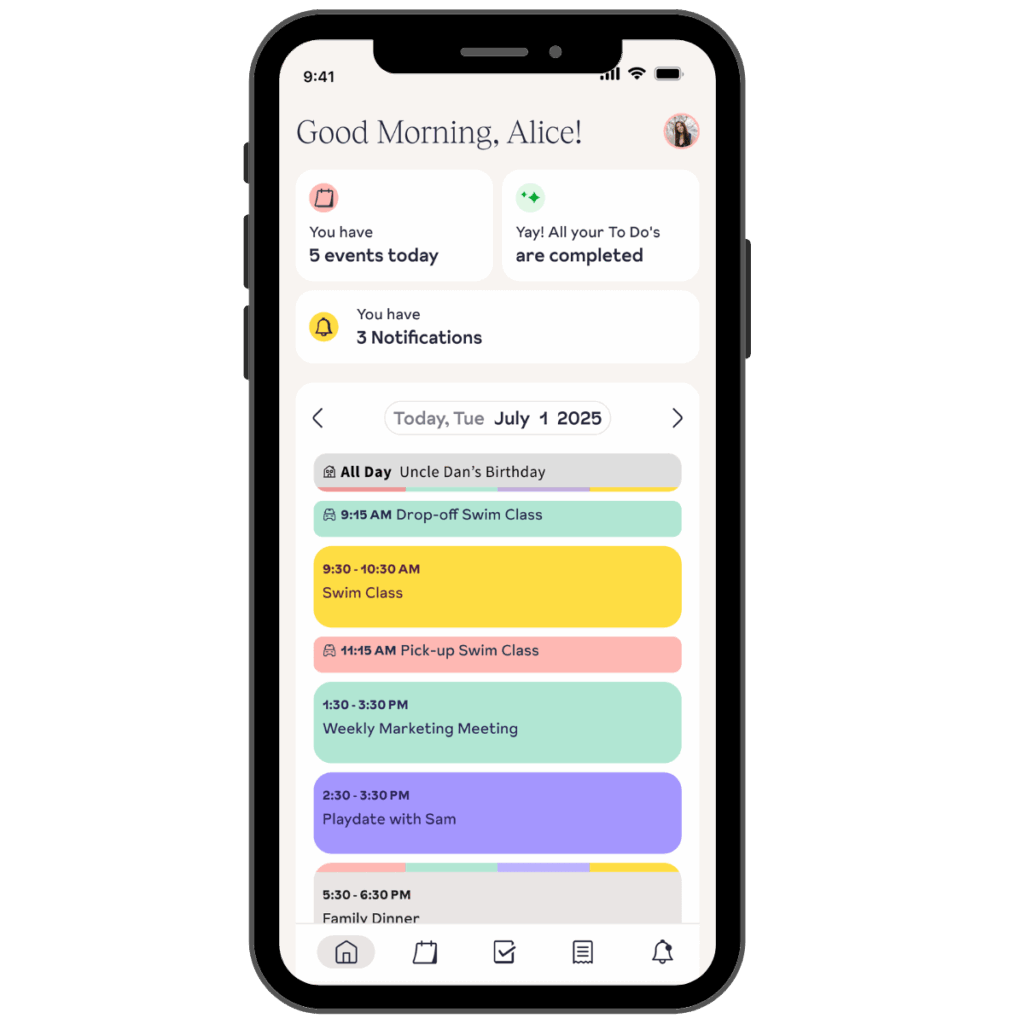
It is challenging building a company that addresses a pain point primarily felt by women – the majority of funders and investors are male, and it can be doubly challenging to get them to understand both the problem and how desperate the market is for a solution as they are not part of it. (Whereas when we pitch women, they often want to know how quickly they can test it out themselves!) We are constantly refining our pitch, finding new ways to talk about Jam and actively creating a network for ourselves of mission-aligned investors and supporters.
How do you manage the intense demands of building an AI-driven business while maintaining personal well-being and balance?
Luckily, this is exactly what we built Jam for! Jam is designed to improve work-life integration, reduce stress and chaos, and improve overall well-being. Using Jam, I save hours every week i because our family’s systems are in check: everyone knows the schedule, we all know what we needs to get done, what needs to be bought, who is in charge of what, and so it streamlines a lot of those daily logistics and friction points on the home front, giving me more time to focus intently while I’m at work, or to refill my cup when I’m at home.
What networking strategies or communities have helped you most in building meaningful connections in the AI and tech ecosystem?
I’m a huge fan of female tech founder communities, as even across different verticals, we’re often facing similar challenges. We’ve gotten valuable introductions to investors, tips on partners and vendors and nitty-gritty operational support from these groups – and we love to pay it forward as well. In addition, the FamTech community (companies using tech and AI to make family life easier) is super exciting to be part of! We all have a common goal of creating better, easier, healthier ways to raise your family, which is unifying and inspiring.
How do you approach mentorship—both receiving it and offering it—and how has that influenced your growth as a founder in this space?
Early on, before we had even raised a dollar for Jam, we attended our first female founder and funder event. We had no idea what to expect, and were blown away by the level of generosity by everyone we met, with offers of expertise, mentorship and connections. As a result, as we have gained so much knowledge and experience in building an AI company, we are always eager to meet with those now seeking our expertise, and we love connecting fabulous people.
What strategies have proven most effective in acquiring customers or clients for your AI product or service?
We are firm believers in product-led growth. Our best way of acquiring customers is through referrals from our customers, partners and affiliates. When a family is excited about how much Jam has helped them get on top of the things and lessen their mental load, they naturally share it with other families in their orbit, and that magic viral sharing network happens.
Which marketing techniques (digital, content, events, etc.) have worked best for your brand, and how do you measure their impact?
As we are a shared digital calendar and organization app, we find that digital Go To Market techniques work best for Jam, where people can click and start using it right away. We like to find people who are already searching for ways to get organized at home, whether in the App Store or on Google, as it signals to us that this is a user who is ready and excited to make a habit change. We also have a strong affiliate and micro-influencer program. The other advantage we have as a digital app is that we have amazing data we can continue to learn from – which ad delivered us better trial conversion, which platform is bringing us customers most likely to become super-users, etc. We measure impact in many ways, but most importantly is whether it improves our overall acquisition and engagement metrics.
Can you share a major setback or roadblock in your AI startup journey, and how you strategically overcame it?
Getting people to change habits (and not just try an app) was harder than we expected.
Families don’t want another tool…they want less work. So we had to design Jam to feel like a habit helper, not a homework assignment. That meant rethinking onboarding, notifications, and what “success” looks like for a tired parent. We looked at the habits of our best “super-users”, and then encouraged everyone using Jam to adopt them. For example, we could see that those using Jam with a partner were more likely to become a super-user, so we pushed everyone to invite their partners to join them on Jam more quickly. Users used to wait almost a week before inviting their partners, but after our onboarding adjustments, the average time became under 1 day. As a result both conversion and engagement rose as well.
What’s one piece of advice you’d offer to women who are just beginning their entrepreneurial journey in AI or emerging tech?
It’s an exciting place to be! Being an entrepreneur can be tough, but it’s also thrilling and never boring. I feel extremely fortunate to have a co-founder that I trust implicitly and who I can face down the challenges with – and enjoy the wins with as well! I would advise anyone who is going down this road to seriously consider working with a co-founder to give yourself the best shot possible for success, and to allow for more progress in a shorter amount of time!
Is there a quote, mantra, or philosophy that consistently guides your decisions as an AI entrepreneur?
Don’t let perfect get in the way of the good. My co-founder and I have the goal of creating the best family calendar app and we can both be perfectionists. However, if we held onto that instinct, we’d still be tinkering and waiting to release the first version of Jam years later! It’s important to be able to move nimbly and be adaptive when you’re building with AI.
Here is our main question. “What Are The 5 Things You Need To Overcome Self-Doubt and Build Confidence?” (If possible, please share a story or example for each one)
1. Build what you know is broken.
For me, confidence didn’t come from having all the answers — it came from being fed up. I knew the invisible labor of running a household was dragging families (especially moms) down, and I couldn’t believe there wasn’t a tool that actually made it easier. That frustration became fuel. When you’re building something that solves a problem you’ve lived, it gives you the kind of conviction that cuts through doubt.
2. Don’t fake confidence — build evidence.
In the early days of Jam, I didn’t pretend I had it all figured out, which is what kept me open-minded. I just kept showing up, asking questions, testing, listening. What gave me confidence was spending hours with beta testers and real parents using Jam and talking about family life, knowing that we were building something that would work for them. That’s the stuff you hold onto when imposter syndrome creeps in. Real feedback. Real people. Real impact.
3. Have a partner in the trenches.
Building Jam with my sister Amanda has been a secret weapon. Not just because she’s brilliant, but because she gets it. We balance each other out, challenge each other, and keep each other grounded. Confidence grows faster when you’re not carrying the weight alone. Whether it’s a co-founder, a mentor, or even a user community — find the people who believe in the mission as much as you do.
4. Stay close to the user, not the hype.
The AI space can feel crowded and loud. What keeps me clear and confident is ignoring the noise and focusing on the real humans we’re serving — families juggling impossible schedules, trying to communicate better, trying to stay sane. Every feature we launch, every message we write, every growth strategy — it’s all built from that lens. That kind of focus is confidence you can come back to daily.
5. Redefine what ambition looks like.
For too long, ambition has been defined in ways that leave parents — especially mothers — out of the narrative. Building Jam is about changing that. Confidence, for me, has come from owning that we’re not just building a productivity app. We’re building infrastructure for a more equal, more supported, more human version of family life. And we’re doing it differently than the status quo –which is a good thing, not a negative.
Ok, we are nearly done. You are a person of great influence. If you could inspire a movement that would bring the most amount of good for the greatest number of people, what would that be? You never know what your idea can trigger.
We are trying to inspire a movement every day at Jam, where we can reduce the mental load on families, and particularly women who tend to carry the bulk of this burden. How can employers help improve life for their caregiving employees? What policies can be put in place at both a state and national level to improve parental well-being? How can we break down the gender-bias of the mental load so that the invisible labor of home life can be more easy and equal?
How can our readers further follow your work online?
Find us on Instagram at @jamfamilycalendar or visit us at www.jamfamilycalendar.com (Or check out Jam in the App Store or Google Play store).
