


As part of the Morning Lazziness series highlighting empowering women who are making a remarkable impact with their ideas, I had the pleasure of interviewing Kari Dowiak.
Kari Dowiak is the founder and designer behind Memorí, a luxury DTC eyewear brand specializing in high-quality, beautifully crafted sunglasses designed for individuals with smaller face shapes—an often-overlooked niche in the industry.
Before launching Memorí, Kari spent 5.5 years as a Buyer for Ross Stores in New York City, honing her eye for design, quality, and market trends. Since founding the brand, she has achieved impressive milestones without a PR budget or marketing team: gifting the first-ever pair of Memorí sunglasses to Ed Sheeran, going viral on TikTok thanks to Bethenny Frankel, and collaborating with fashion icon Rebecca Minkoff in The Hamptons.
By documenting the unfiltered journey of building a brand from the ground up on TikTok, Kari has cultivated an engaged community and driven organic sales. Her unconventional approach to PR and marketing has earned features in Fast Company, while Memorí’s elegant yet edgy designs have been spotlighted in The Zoe Report and other top style outlets.
In this candid conversation, Kari shares her journey, insights, and the strategies that have helped her build a results-driven business and empower other entrepreneurs to do the same.
What inspired your journey into the fashion industry, and why did you choose to focus on sustainability?
It started with a search for sunglasses that actually fit and looked good on my small face. After splurging $650 on a pair of Oliver Peoples, I dropped them the very next day. I was devastated! The lenses shattered, and they wouldn’t replace them. That was my “aha” moment to start an eyewear brand.
Before launching Memorí, I worked as a fashion buyer for Ross Stores. Ross has over 2,000 stores in the US. You can imagine the waste and pollution that comes from cheap, mass-produced fashion at that scale. I knew I wanted to do the exact opposite with my brand.
How do you define sustainability in the context of fashion, and how does your brand reflect that vision?
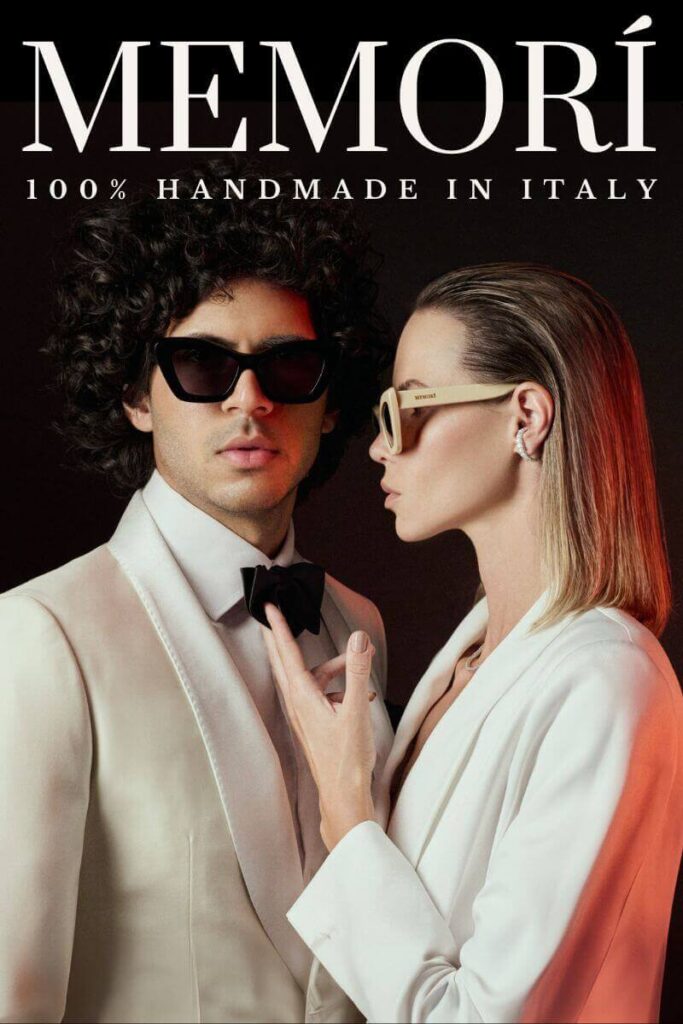
The idea of sustainability is simple: Use fewer resources than you gain… In reality, this is very hard to execute in the fashion industry. Most brands throw around the term as a buzzword and how sustainable a company is has become a spectrum that is very confusing to the average consumer.
My #1 goal isn’t to make the world’s most sustainable sunglasses – if that was the case, our frames would be made of wood and the lenses would be recycled material that wouldn’t be crystal clear to see out of… People don’t want that.
My goal is to make the best— as sustainably as possible, so that instead of buying a new pair of sub-par sunglasses every season, you only need one pair of Memoríes. Once you wear them, there’s no going back to regular sunglasses.
What were some of the biggest challenges you faced while building a sustainable fashion business?
One major challenge is the material we use: cellulose acetate, made from cotton and wood pulp. It’s beautiful and sustainable, we follow an artisanal process of tumbling it for days with natural oils and abrasives to impart a really rich shine. The downside is it has a lower melting point. This means during hot summer months, we’ve had to deal with frames warping. We can mold them back into shape, but it takes a ton of time and hands-on labor. Our clients also have to be careful to not leave them on a hot car dashboard or next to a bonfire or anything like that, or the frames might warp.
How do you balance style, affordability, and sustainability in your product offerings?
You can’t have a high quality, ethically made, sustainable product that is also the most affordable option. The math simply doesn’t work. We don’t design our glasses to be cheap; we design them to be exceptional. To keep prices reasonable, we sell direct-to-consumer. If we sold through department stores, we’d have to double our retail price.
What steps do you take to ensure ethical production and sourcing within your supply chain?
All our sunglasses are handmade in Italy, where labor laws are very strict. Funny enough, our factory is completely off right now… 3 full weeks of paid vacation at the end of August.
Every artisan is paid well, more than I, the owner, make! We source our materials locally in Italy to ensure complete transparency. We would never partner with any vendors who couldn’t share their sourcing practices with us.
How do you educate your customers on the value and impact of sustainable fashion?
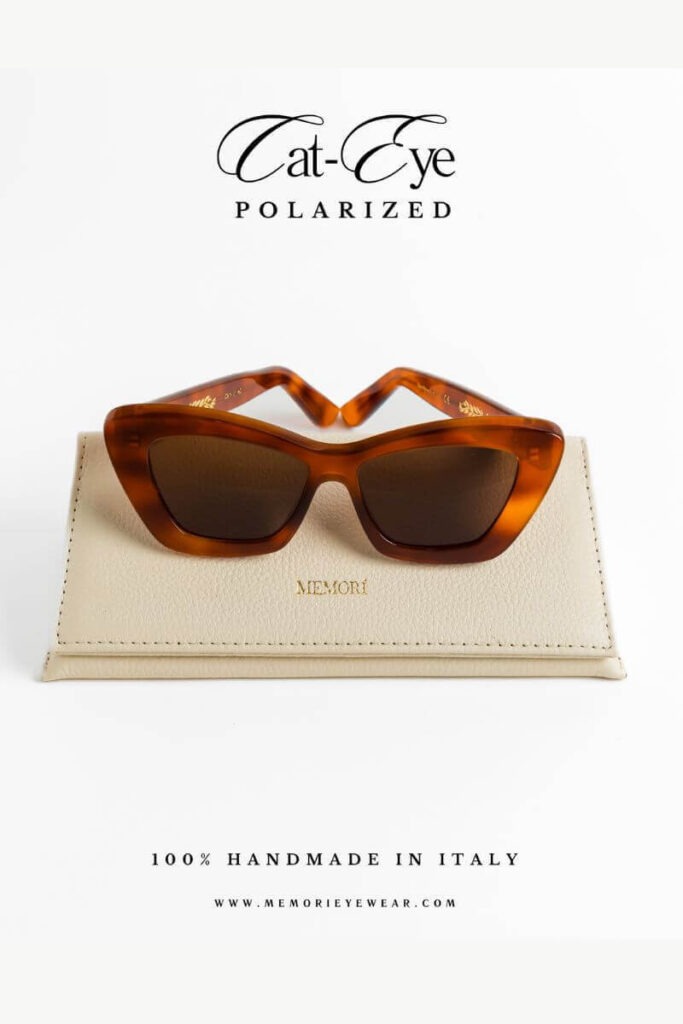
I show them side by side why sustainably made is better. When you hold a pair of our barrel-tumbled acetate frames next to cheap, injection-molded sunglasses, it’s night and day. Once they feel, see, and even smell the difference, they get it. They might not be able to tell you WHY one feels so much better than the other, but they can sense it. Then when you can explain how the nicer one looks better because of all these artisanal, sustainable methods and materials, they feel empowered by that knowledge, and excited to know some basics so they aren’t tricked by greenwashing marketing in the future.
It’s not enough to educate on why sustainability is important for the environment. You need to show them how the more sustainable option will make their life and wardrobe better than anything else on the market.
What’s one misconception about sustainable fashion that you often come across?
People think sustainability is all about the materials. But it’s SO much more than that… How much energy did it take to produce? How far did raw materials travel? How much water was used? What happened to the runoff water with the dye in it? Sustainability is a much bigger picture than just the end product.
In what ways has consumer behavior changed in recent years around ethical fashion, and how has that impacted your brand?
We just had a major shake-up in the fashion industry, sparked by Trump’s tariffs. Fashion Brands are making knee-jerk reactions and stopping or moving production to countries with lower tariff rates, and putting sustainability and ethics on the back burner to help come up with the money for these taxes. As prices for sustainable products rise, consumers who care about sustainability need to be pickier and more mindful of what they buy.
In Trump’s America, it is getting harder and harder to exist as a sustainable brand.
We refuse to move our production out of Italy (Italy makes the best glasses in the world) and we refuse to cut corners on our sustainable materials, so if tariff rates on Italian made goods go up, so will our retail prices.
How do you stay innovative while staying true to your sustainable mission?
Small batches are our secret. We produce no more than 100 pairs per style, by hand. This lets us experiment with materials and shapes that larger brands can’t, plus we can make quick adjustments – or just melt down the lot and start over if something’s not working.
What role does community or collaboration play in your business model?
We don’t do paid ads or traditional retail partnerships. Instead, we focus on building a community of like-minded people who value craftsmanship and rare finds. We do a ton of pop-ups at high end vintage shows and antique/estate jewelry events. The people we meet here are the backbone of our community and drive the organic recommendations that have fueled our success.
What’s your vision for the future of fashion, especially for women-led sustainable brands?
I’d love to see laws that enforce sustainability in large companies. France is making strides, and platforms like Closr should be as popular as Revolve. We need to make it easier for consumers to spot true sustainable brands and put hard definitions and thresholds around sustainability marketing to reduce greenwashing.
What advice would you offer to aspiring female founders seeking to enter the sustainable fashion industry?
If your only selling point is “it’s sustainable,” your business won’t last. People who care about sustainability know that the most sustainable option is reusing or shopping secondhand. They won’t just hand over their money because something’s “green.”
Think of it like an organic restaurant. Being organic isn’t enough; the food has to taste amazing. If it’s truly great, people will pay more for it, even if they can’t clearly see why (as is the case with both sustainability and organic ingredients).
So, design something people will fall in love with! solve a problem, or create something that’s the best in its class. Then, make that sustainably. That’s the winning formula for a sustainable fashion business.
