

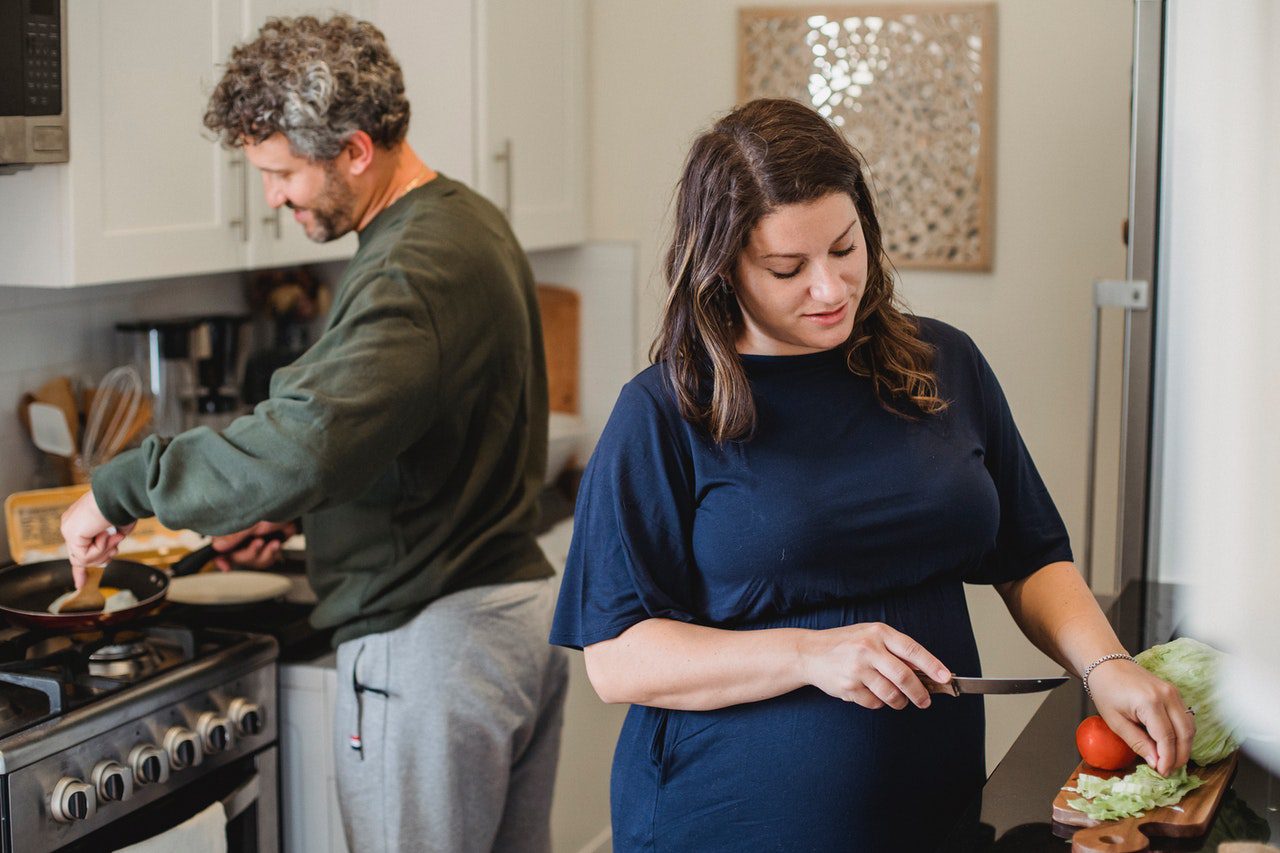
Delayed marriage is increasingly becoming a strategic life choice for Gen Z, reshaping traditional ideas about relationships and commitment. Rather than viewing marriage as a milestone that must happen by a certain age, many younger adults are intentionally waiting to build emotional maturity, financial stability, and healthier relationship patterns first.
Experts reveal that delayed marriage is often tied to deeper motivations such as avoiding unhealthy dynamics, reducing legal and financial risks, and creating stronger foundations for long-term partnerships. This shift reflects a more thoughtful and informed approach to commitment than previous generations typically embraced.
Therapy Makes Delay Productive
From my work with high-achieving professionals in Manhattan, I see delayed marriage less as a lifestyle trend and more as an unconscious response to relational anxiety. Many of my Gen Z clients aren’t avoiding commitment — they’re avoiding repeating patterns they watched play out in their parents’ marriages.
What looks like “strategy” on the surface is often something deeper: an unexamined fear that intimacy will cost them their identity. In my practice, I work with clients navigating what I call relational repetition compulsions — the pull to recreate familiar emotional dynamics even when they’re painful.
The wellness angle here is real and underexplored. Delaying marriage without doing internal work just relocates the anxiety — it doesn’t resolve it. Clients who invest in insight-oriented therapy during this “waiting period” tend to enter relationships with far greater self-awareness than those who simply wait for the “right time.”
If you’re in this phase, the most valuable thing you can do isn’t optimize your career or finances – it’s understand why certain relationship dynamics keep finding you. That’s where the structural change actually happens.
Efrat Gotlib, Founder & CEO, Therapy24x7
Later Marriage Reduces Legal Risk
I’m seeing “delayed marriage” become a strategic choice for Gen Z because they’re treating marriage less like a milestone and more like a legal/financial partnership that should be entered only when the terms are truly workable. After 25 years exclusively in Orange County divorce & family law litigation, I can tell you the people who rush in often pay for it later—emotionally and in court. Gen Z clients are more likely to ask early, practical questions about boundaries, income volatility, debt, and what co-parenting would look like if things don’t work out.
In real cases, the messiest outcomes tend to come from couples who never aligned on basics like spending, family involvement, or how conflict gets handled—then they marry, buy assets, and have kids fast. Delaying marriage gives them time to pressure-test the relationship under real stressors (career changes, relocations, caregiving) before adding the legal glue. It also creates space to build independent stability so neither person feels trapped by finances or timing.
Strategically, it’s also about reducing legal complexity: marrying later often means fewer years of commingled assets, clearer “mine vs. ours,” and less ambiguity if a split happens. I’ve litigated plenty of cases where a privately owned business or premarital property became a war because the couple treated everything as informal until it wasn’t. Gen Z is increasingly intentional about documenting expectations and not relying on “we’ll figure it out.”
If you’re delaying marriage, use that time to talk like adults about custody values, money rules, and what “fair” looks like in a breakup—before emotions run the room. I’ve seen the best outcomes when couples treat those talks as normal planning, not pessimism, and build a relationship that doesn’t need court to define it.
Douglas Pinkham, Attorney, Pinkham & Associates; A Professional Law Corporation
Conclusion
The rise of delayed marriage among Gen Z reflects a broader cultural shift toward intentional living, emotional awareness, and long-term relationship stability. Instead of rushing into commitment based on traditional timelines, many young adults are using this period to strengthen self-awareness, establish financial independence, and clarify relationship expectations. By treating marriage as a major personal and legal decision rather than a social deadline, delayed marriage is helping Gen Z build more resilient and informed partnerships for the future.
