
Home Blog Page 30

Jessica Munday on Turning a Maternity Side Hustle into Custom Neon, a Global LED Sign Brand

0

As part of the Morning Lazziness series highlighting empowering women who are making a remarkable impact with their ideas, I had the pleasure of interviewing Jessica Munday.

Jessica Munday is the Co-Founder and People & Culture Manager at Custom Neon, a global leader in custom-designed LED neon lights and signs, which she launched with her husband, Jake, in 2018. Under her leadership, the company has grown into an internationally recognized brand, earning accolades such as Business of the Year at the 2022 Geelong Business Excellence Awards.

With a demonstrated history in the retail industry and an extensive background in HR and recruitment, Jess combines her passion for people with her business acumen to drive growth, foster a thriving workplace culture, and deliver exceptional customer experiences. She holds a Bachelor of Management (Human Resources) from the University of South Australia, specializing in Human Resource Management, and is widely respected for her strategic approach to business development and team leadership.

In this candid conversation, Jessica shares her journey, insights, and the strategies that have helped her build a results-driven business and empower other entrepreneurs to do the same.

What’s the origin story behind your business, and how does it reflect who you are beyond the entrepreneur title?

Custom Neon, or Neon Collective as it was originally called,  happened quite opportunistically because I struggled to find an LED neon sign for my son Jagger’s nursery.

Realizing a gap in the market, I bought generic signs for my wedding with the idea of renting them out afterwards, as a little maternity leave side hustle. If there wasn’t any interest, I’d sell them on, nothing lost. 

I set up an Instagram page called Neon Collective and posted photos from the wedding. The signs looked incredible, and as more people hired them, I added more images. Within weeks, the account was gaining traction, my hire calendar was booked out, and I was selling more than $10k worth of signage a week, all without spending a single dollar on ads! We knew this would be more than a maternity leave side hustle!

Beyond being a founder, I’m deeply invested in people, our team, our customers, and the culture we’ve built. My role now is more about HR, leadership, and creating a workplace of unity, camaraderie, and ownership. That’s what truly drives me. I am also mum to 3 young children, and my husband Jake runs the business along side me as CEO. I love that we are creating a legacy for our children, showing that you can create something from nothing and they will also never find women in leadership as anything other than normal. 

Your work blends purpose with business, what’s the “why” that still gets you out of bed on tough days?

Our purpose is simple: “Illuminate our world to create unforgettable moments and spaces. 

That might be a wedding day, a new baby, a business launch, or a pop up event. Our signs aren’t just décor, they’re part of someone’s personal story. 

Knowing something we’ve created will be in people’s photos, memories, and milestones forever is a real privilege and never gets old. 

Many brands offer similar services, but few capture hearts — what’s your secret to building deep emotional resonance with your audience?

We let our customers do the talking. When it comes to designing a sign, we want to know what it’s for so we can share in that excitement, we can help them picture feeding their newborn baby under that soothing glow. Or seeing their business name in lights for the first time. We have been there, we know the excitement it brings. Our communications are far from transactional. We’re passionate and enthused. 

We still include a thank-you note in the box, and a follow-up email asking, “How did we do?” Because we always want to strive for excellence and exceed expectations. 

From day one, we’ve encouraged our customers to tag us in their photos, because we genuinely love to share in their magic.  That user-generated content shows our signs in real spaces, full of personality and meaning. It’s authentic, relatable, and far more powerful than anything we could stage.

What’s been your most effective marketing strategy, and can you walk us through the creative thinking or risk-taking behind it?

Organic Instagram growth was, and still is our strongest marketing tool. We had no budget, so the strategy was simple: make the signs the hero, let the customers share their moments, and always respond personally. The result was a constant stream of authentic content that built trust, fuelled community engagement, and led to enquiries from around the world. It’s how we went from a side hustle to a multi-million-pound brand without spending a cent on ads in the early days.

How do you listen to your community — not just in surveys or analytics — but in ways that help you anticipate their unspoken needs?

I monitor customer enquiries, feedback, direct messages and social comments. I notice patterns and this forms the basis of our strategies.

We were noticing a rise in signage Channel letter signage and this month we have actually launched our new product range “Custom Illuminated Signs” We are now offering front lit, backlit and channel signage. 

It was monitoring like this that also led to us being the first to offer fully matchable UV print signage and RGB colour changing, by continually listening to what our customers are asking for.

Which campaign, collaboration, or strategic shift felt like a true turning point in your brand’s public image?

Paris Hilton sending us a voice note in 2021 still feels surreal. We’d gone from running the business from my dining room table to making signs for her wedding, album, and beauty products. It was a huge credibility moment and reinforced that our reach had truly gone global.

In your own words, how do you measure success beyond profit, in terms of legacy, influence, or cultural impact?

If people can look at a sign we made years ago and still feel joy, that’s success.It’s about being part of moments that matter. 

It’s also about building a workplace where our team feels proud, inspired, valued, and connected. When our team members recommend others to join your team, you know you are doing something right! 

Can you recall a moment when a failure became a story worth telling in your press or brand narrative?

When COVID-19 hit, 30% of our business disappeared overnight. We were still in our infancy and had just experienced dizzying first-year growth, so it was uncharted territory. Our core events and weddings sector had halted indefinitely.

I made the call to shut down our hiring arm, redistribute staff, and pivot hard into B2B. We supported local businesses with discounted signage to help them bounce back, and in return, they gave us incredible imagery. That shift became a catalyst for growth, taking us from a seven-figure business to eight figures.

What’s a daily or weekly ritual that keeps you grounded and in touch with your brand’s mission, even when business gets chaotic?

As a team we have a peak or pit of the week. I think its good to also include pit because sometimes things don’t go to plan, you can lose a deal you worked hard on, and we want the team to be able to share that frustration. We dust ourselves down and move on the the next. Peak of the week, we share what’s gone well, a review that made us feel awesome, a customer that has been moved to tears because their sign meant to much, a new sign design, celebrity customer, just anything. The passion, and energy in the room always reinforces our why. It’s so good to see our team grow in skill and confidence and sharing this ignites others. 

I also love reading our customer reviews.

How do you approach innovation in a way that makes your brand both trend-aware and timeless?

We follow trends in events, retail, and pop culture, but we also stick with our core products. We know what works. We speak with industry specialists and leaders in retail and signage design. Nothing we do is flash in the pan. Our products last up to 10 years, we remind customers of this when they are creating something based off a trend. We want to encourage longevity and sustainability. It’s about creating something that feels current now, but also stands the test of time.

If you could pass down only one piece of wisdom to the next generation of entrepreneurs, what would it be and why?

Start before you feel ready. You’ll learn more by doing than by waiting for the perfect moment, which doesn’t exist.

Winning recognition in your industry is no small feat — what behind-the-scenes decision or move do you believe made that possible?

From the start, we invested in customer service, even when it meant higher costs. We use Aircall and have offices in London, LA and Geelong, which gives us 23 hours of coverage. Being accessible almost 24/7 and having team members available across multiple time zones, on multiple channels, with fast response times has solidified our reputation as a brand you can trust.

How have public recognition, awards, or media features shifted opportunities for your brand in unexpected ways?

It’s built instant trust with customers and opened doors with global partners we wouldn’t have reached otherwise.

If someone hears your name or sees your work just once, what’s the one message or feeling you hope they leave with?

That we are a brand built on quality, passion and authenticity. Every signs mean something to us, whether you’re Paris Hilton buying a sign for your wedding, or an entrepreneur illuminating your desk top logo on a budget, we’re excited! We care as much about the story behind your sign as you do.

Where’s the best place for our audience to follow your journey and explore your work?

Instagram is where you’ll see our signs lighting up real-life moments, and our website is the best place to start designing your own.

Joanna Zhang on Redefining Business Growth with the World’s First Fractional VA Service

0

As part of the Morning Lazziness series highlighting empowering women who are making a remarkable impact with their ideas, I had the pleasure of interviewing Joanna Zhang.

Joanna Zhang is the founder of The Operations Genius, creator of the world’s first Fractional VA Service, and recipient of the 2024 Stevie International Business Award for innovation. She broke the rules of traditional operations by turning a team she built for her own ventures into a shared, on-demand resource for growth focused entrepreneurs. Proving that scaling doesn’t require full-time/part-time hires or burnout. Blending high-level systems with empathy, conscious leadership, and a human-centred approach, Joanna is redefining how entrepreneurs grow: with flexibility, accountability, and a deep commitment to uplifting people, purpose, and profit together.

In this interview, she reflects on the pivotal moments, hard-earned lessons, and defining wins from her journey in building thriving online ventures.

What inspired you to start your business, and what problem were you passionate about solving?

I started The Operations Genius because I knew what it felt like to be stuck: brilliant ideas in my heart, but drowning in the daily grind. I saw so many small business owners just like me: exhausted, wearing all the hats, and losing the joy that made them start in the first place. I wanted to change that. My vision was to create a way for entrepreneurs to access world-class operational support without the weight of a full-time or part-time team. Not just to free their schedules, but to restore their energy, their creativity, and their connection to the work they love.

How has your business evolved since its launch, and what key decisions have helped drive that growth?

I began with a dedicated team to support my own business operations. Over time, I realised the systems, structures, and people I had cultivated could help others facing the same struggles I once had. I then started to share these resources with other entrepreneurs. The turning point was formalising this into the world’s first Fractional VA Service, allowing us to offer high-level, on-demand operational support without the cost and constraints of full-time or part-time hires. This decision gave us the flexibility to serve a diverse range of clients while staying deeply accountable to each one.

In your view, what truly sets your brand apart in today’s competitive market?

Our main competitive strengths are flexibility and accountability. We adapt quickly to each client’s evolving needs while holding ourselves fully responsible for delivering what we promise. It’s a partnership built on trust, clients know we’ll be there when they need us, and they can rely on us to keep our word. Combined with our blend of practical systems and genuine care for the human behind the business, we go beyond being a service provider to becoming a trusted ally in their growth.

What has been your most effective marketing strategy to date, and why do you think it worked so well?

A combination of authentic storytelling, networking, and word of mouth. We share real client stories that focus on the transformation, not just the metrics, which allows people to connect with the heart of our work. Networking has opened doors to collaborations and opportunities traditional marketing can’t reach, and word of mouth remains the most powerful trust-builder. When someone shares their genuine experience, it resonates far more than any ad could.

How do you stay connected to your ideal audience and understand their needs or behaviours?

I stay connected by listening, really listening. From casual check-ins to structured feedback, I want to know not just what’s working, but how they’re feeling. Trends are useful, but my compass is always the lived reality of my clients. It’s about sensing their needs before they have to say them out loud.

What’s one branding move or campaign that helped elevate your business to the next level?

Winning the 2024 Stevie International Business Award for innovation was a milestone, but it wasn’t just the recognition; it was what it symbolised. It validated that you can build a business that is both operationally excellent and deeply human. Sharing that win invited others into the story and sparked partnerships that continue to open new doors.

What does success look like for you, not just in numbers, but in purpose or impact?

Success is hearing a client say, “ That was such a relief for me, thank you.” It’s knowing they’ve gained not just revenue, but time, peace, and the ability to live the life they imagined when they started their business. If my work helps them breathe easier and dream bigger, that’s success.

How do you personally define success, beyond revenue and growth metrics?

For me, success is alignment! Running a business that honours my values, supports my family, empowers my team, and uplifts the people we serve. Money follows meaning. If I’m making an impact that feels true to my soul, then I know I’m on the right path.

Can you share a challenge or setback that ultimately became a turning point for your brand?

In the early days, I tried to serve everyone. It came from a good place that wanted to help, but it stretched me thin and left me burnt out. I realised that my best work happens when I work with clients who share my values. Setting those boundaries was hard, but it was the moment my business shifted from survival mode to soul-driven growth.

What daily habits or rituals keep you focused, creative, and grounded as a leader?

I start each day by checking in with myself to ensure my intentions are rooted in love and care to uplift myself, others, and the world around me. From that place, I allow myself to go with the flow, trusting my intuition to guide the day’s priorities. At the same time, I remain determined to deliver on every promise I’ve made. This balance of flow and follow-through keeps me grounded, aligned, and effective.

How do you approach innovation and risk in your business strategy?

I see innovation as an act of growth. Every improvement we make is designed to lift the weight off our clients’ shoulders. Risk, for me, isn’t about chasing trends; it’s about sensing the opportunities that align with our mission and stepping into them with courage and clarity.

What advice would you give to someone starting a business in today’s fast-changing digital world?

Start with soul before strategy. Know who you want to serve, why they matter to you, and what transformation you want to create for them. The tools and trends will change, but if your foundation is rooted in purpose, you’ll adapt with ease and authenticity.

Where can our audience connect with you and learn more about your work or offerings?

You can connect with me via LinkedIn or visit Operations Genius to learn more about our Fractional VA Service and how we help entrepreneurs scale with operational freedom, sustainability, and a human touch.

Aiste Dzikaraite: From Zaha Hadid Architect to Founder of Floa Design — Crafting the Unseen in Architectural Jewellery

0

As part of the Morning Lazziness series highlighting empowering women who are making a remarkable impact with their ideas, I had the pleasure of interviewing Aiste Dzikaraite.

Aiste Dzikaraite is a former senior architect at the world-renowned Zaha Hadid Architects, where she spent over a decade shaping iconic buildings for an elite international clientele. Known for her bold, boundary-pushing approach, Aiste is dedicated to creating the unseen — transforming abstract visions into tangible masterpieces.

Her innovative product designs have been showcased at prestigious institutions and events, including the Serpentine Gallery in London, Maison & Objet in Paris, the Louvre Abu Dhabi, and the Hermitage in St. Petersburg.

Guided by a philosophy of constant refinement, Aiste believes in exploring limitless creative possibilities. “I may make 100 sketches for the same formal research,” she says. “Sketching is my tool to expand thinking and discover new horizons of design.”

In this interview, she reflects on the pivotal moments, hard-earned lessons, and defining wins from her journey in building thriving online ventures.

What inspired your leap into entrepreneurship, and what personal experiences sparked the idea behind your current venture?

After more than a decade at Zaha Hadid Architects, working on projects that take years to complete, I wanted to create something more immediate. Jewellery gave me that freedom—to experience the joy of seeing a design fully finished. At first, I made pieces for myself, just to feel that creative satisfaction and develop further my personal architectural style. Then I began gifting them as a personal, one-of-a-kind gifts. That’s how Floa Design started.

How does your approach stand out in today’s competitive space?

Floa Design is the only architectural jewellery brand where each piece is made to order, engraved with your personal intention, and crafted as collectible architecture for the body.

What were some of the toughest obstacles you faced early in your journey as a woman entrepreneur, and how did you navigate through them?

One of the hardest parts was finding a business partner who could actually produce my innovative designs. As an architect, I understand structure, balance, and form—I knew my pieces would work in small scale too. But most jewellery artisans are trained to think within traditional limits. My designs pushed beyond that and further. It took time to find someone skilled enough—and open-minded enough.

When the going gets tough, what keeps you grounded and motivated to keep pushing forward?

Architectural Jewellery by Floa-Design - Serenity earrings Gold

When you have a clear vision of why you’re doing what you’re doing, challenges feel small in proportion. Without that vision, even small obstacles can seem overwhelming. It’s like walking to the top of a hill and seeing the whole city. Once you see the bigger picture, the buildings don’t seem as big anymore.

What daily habits or non-negotiable routines help you stay focused, creatively energized, and balanced as a founder?

I don’t like routines. They program your mind to repeat the same tasks. This dilutes creative thinking. Innovative ideas don’t thrive in strict schedules. I leave space for curiosity, new perspectives, and unplanned moments. If I have to visit the same place, I choose a different path. When planning my day, I leave gaps of time for the mind to observe and wonder.

What’s been the most effective growth lever for acquiring new clients or expanding your customer base?

Word of mouth. Delighting one person fully often brings three more. My pieces spark conversations, and those stories travel further than any ad.

What branding or marketing decision had the biggest impact in elevating your business and building trust with your audience?

I built Floa’s identity on my own visual language, rooted in fluid, organic aesthetics. I refined this style for over a decade before starting the brand. I used my coding skills to create structural patterns few can replicate, and I’ve always been open about my architectural background. This positioned the FLOA as authentic, innovative, and trustworthy.

How do you personally define success—not just as a business owner, but as a woman living a purpose-driven life?

Quite a lot of women struggle to light up their bold energy, to step up, to speak up, to take the first step toward new opportunities. If one piece of jewellery helps a woman feel powerful within — stronger, seen, and clear in her values — that’s success for me. Confident women create real change.

Can you share a mistake or misstep that taught you a lesson you still carry with you today?

Architectural Jewellery by Floa-Design - Costa Ring Silver (1)

Once, my jewellery pieces were stolen after a shoot with a world-famous music artist for an album cover. It taught me to always protect my work, no matter how big is the name. Whoever has them now, I hope they wear them with the confidence they were made for!

What’s your best advice for women just starting out—especially first-time entrepreneurs feeling overwhelmed or unsure of their next steps?

Don’t follow — flow. When you’re starting out, it’s easy to get lost in other people’s rules and opinions. Listen to your intuition and let it guide your next step.

How do you approach risk and innovation, especially when breaking new ground in a male-dominated or fast-changing industry?

If I believe in an idea, I’m willing to step into the unknown and make a hundred sketches until it meets my high standards. The more you work through a visionary idea, the smaller the risk becomes.

If you lead a team, how do you foster a culture of trust, inclusivity, collaboration, and growth?

I inspire and give a clear final vision, so no one gets lost. This way, people can use their strengths to reach it.

What are the top 5 mindset shifts or personal practices that helped you overcome self-doubt and grow your confidence as a woman entrepreneur?

There are no boundaries. Rules and theories are invented by others. We doubt ourselves because we think we don’t fit into them. But if you remove the concept of rules, there’s nothing left to doubt—only your experience to trust. That’s when confidence takes over.

How do you see the evolution of Floa Design?

I see Floa Design evolving into a universe of objects and spaces that do more than serve a function — they make you think differently, feel inspired and confident, and uplift your day.

What’s a quote, philosophy, or guiding belief that shapes how you lead, create, and live every day?

There are no boundaries, only possibilities yet to be explored.

Where can our audience connect with you, explore your work, or follow your entrepreneurial journey online?

Explore bold jewellery designed to empower women at FloaDesign. Follow on Instagram and Facebook, or connect with Aiste Dzikaraite on LinkedIn.

Aida Rejzovic on Building Sassy Organics: Leading Australia’s Ethical, Vegan & Sustainable Living Movement

0

As part of the Morning Lazziness series highlighting empowering women who are making a remarkable impact with their ideas, I had the pleasure of interviewing Lauren Anders Brown.

Aida Rejzovic is a passionate entrepreneur, advocate for sustainability, and the visionary founder of Sassy Organics, an Australian online store championing ethical, cruelty-free, and eco-conscious living. Her dedication to promoting healthier lifestyles, environmental conservation, and animal welfare has shaped every aspect of her business journey.

Aida’s inspiration for founding Sassy Organics stemmed from her personal commitment to living an organic lifestyle, coupled with her desire to make a positive impact on the world. She recognised a growing need for transparency and accessible ethical alternatives in the market. In 2016, she launched Sassy Organics to empower consumers to make informed choices that align with their values – offering products that are free from harmful chemicals, cruelty, and unsustainable practices.

Under Aida’s leadership, Sassy Organics has flourished into a trusted brand, boasting over 2,500 products curated from ethical suppliers around the globe. Sustainability is at the core of her business, with initiatives including eliminating plastic packaging and supporting nonprofit organisations such as Lamb Care Australia and Sea Shepherd.

Aida’s commitment to purpose-driven entrepreneurship has earned her recognition in Australia’s ethical business landscape. Customers often praise her authenticity and integrity, which have fostered lasting customer loyalty.

Beyond business, Aida is deeply motivated by her vision to inspire others to lead conscious, intentional lives. Her dedication to ethical values continues to drive her mission to create a healthier planet, one purchase at a time.

In this interview, she reflects on the pivotal moments, hard-earned lessons, and defining wins from her journey in building thriving online ventures.

What inspired you to start your business, and what problem were you passionate about solving?

The inspiration for Sassy Organics came from my passion for promoting healthier lifestyles, sustainability, and animal welfare. I wanted to create a business that empowered individuals to make conscious choices. I realised there was a gap in the market for a trusted store offering organic, vegan, and cruelty-free products all in one place, while supporting people’s ethical and wellness journeys. The problem I was passionate about solving was helping consumers break away from harmful chemicals, unsustainable practices, and exploitative industries by providing better alternatives.

How has your business evolved since its launch, and what key decisions have helped drive that growth?

Since launching Sassy Organics, the business has grown immensely, both in product offerings and reach. We started with a smaller selection and have now curated over 2,500 carefully sourced organic, vegan, and cruelty-free products. One of the key decisions that drove this growth was staying true to our values. Transparency and sustainability shaped how we approached every aspect of the business, from packaging choices (eliminating plastic satchels) to partnering with charities like Lamb Care Australia and Sea Shepherd. Additionally, investing in customer education about ethical shopping was pivotal.

In your view, what truly sets your brand apart in today’s competitive market?

Our commitment to organic, vegan, cruelty-free, and sustainable practices sets Sassy Organics apart. Unlike other retailers, we are not just a store – we actively advocate for conscious living and prioritise the health of our customers, the planet, and animal welfare. Every product in our store is thoughtfully curated to align with these values. Furthermore, our focus on building meaningful relationships with customers has led to incredibly loyal repeat buyers who trust us for quality and integrity.

What has been your most effective marketing strategy to date, and why do you think it worked so well?

One of our most effective marketing strategies has been leveraging authenticity and transparency. From sharing our values openly to highlighting the ethical standards of our products, customers feel connected to our brand because they trust us. Collaborations with charities and meaningful content around sustainability have also resonated deeply with our audience – people want to support brands that care about the planet and their health. Word-of-mouth referrals are another vital aspect, as happy customers often spread the word about our offerings to like-minded individuals.

How do you stay connected to your ideal audience and understand their needs or behaviors?

Staying connected to our audience involves continuous engagement through social media, emails, and surveys. By responding promptly to inquiries and actively listening to feedback, we ensure we’re aligned with their expectations. Regular updates on sustainability trends and ethical living tips also keep our audience informed and inspired. Most importantly, maintaining transparency about our processes and values fosters a sense of trust and personal connection that resonates deeply.

What’s one branding move or campaign that helped elevate your business to the next level?

A major branding move was highlighting our dedication to sustainable packaging. Eliminating plastic satchels created a lot of buzz among conscious consumers and positioned Sassy Organics as a leader in ethical retailing. Additionally, receiving prestigious awards and being recognised as one of Australia’s best organic and cruelty-free stores elevated customer trust and increased visibility on a larger scale.

What does success look like for you, not just in numbers, but in purpose or impact?

Success for me is about making a tangible difference – helping customers lead healthier, more sustainable lives while encouraging a shift toward ethical consumerism. It’s incredibly fulfilling to know every purchase at Sassy Organics not only supports customers but also contributes to environmental conservation and animal welfare causes. Numbers and metrics are important, but seeing repeat customers and receiving heartfelt feedback is the true measure of success.

How do you personally define success, beyond revenue and growth metrics?

For me, success is about alignment with my values. It’s knowing that the work we do at Sassy Organics has an impact – whether that’s raising awareness about cruelty-free products, reducing plastic waste, or supporting charitable causes. Building strong relationships with our customers and seeing them return because they genuinely trust our brand is also incredibly rewarding.

Can you share a challenge or setback that ultimately became a turning point for your brand?

Early on, we faced challenges in building trust among customers who were accustomed to conventional brands. The turning point came when we doubled down on educating customers about the harmful effects of certain mainstream products and the benefits of ethical alternatives. By focusing on transparency and value-driven messaging, we were able to carve out a niche and establish Sassy Organics as a trusted source for high-quality products.

What daily habits or rituals keep you focused, creative, and grounded as a leader?

Starting my day with gratitude and mindfulness really helps to keep me grounded. I dedicate time to organising priorities, whether that’s through journaling or checking progress on business goals. Staying connected to the “why” behind Sassy Organics – promoting conscious living – motivates me daily, and engaging with customer feedback or success stories always reminds me why I love what I do.

How do you approach innovation and risk in your business strategy?

I approach innovation by staying abreast of trends in sustainability and ethical consumerism while being open to feedback from customers. Risk is approached with measured confidence – I only make decisions that align strongly with our core values, even if it means stepping away from trends that compromise those values. For example, choosing not to promote certain popular products because they fail to meet ethical standards was a gamble that ultimately reinforced customer trust.

What advice would you give to someone starting a business in today’s fast-changing digital world?

First, stay true to your values and your mission – it’s what will set you apart. Second, focus on building trust with your audience through transparency and authenticity. Finally, invest in creating meaningful connections online, whether through social media, email marketing, or thoughtful content creation. In today’s digital world, customers are looking for brands they can trust and feel personally connected to.

Where can our audience connect with you and learn more about your work or offerings?

I’d love for your audience to connect with me and explore Sassy Organics! Visit our website at www.sassyorganics.com.au or follow us on Instagram and Facebook for updates, promotions, and tips on conscious living. We’re always happy to engage with our community and share ideas about ethical and sustainable lifestyles!

Empowering Voices in Fashion: Amy Cameron on Building STYLE26 and Championing Inclusivity

0

As part of the Morning Lazziness series highlighting empowering women who are making a remarkable impact with their ideas, I had the pleasure of interviewing Amy Cameron.

Amy Cameron is the founder and editor of STYLE26, a digital fashion magazine dedicated to bridging the gap between high-end and accessible style, serving readers of all backgrounds, body types, and budgets. With a background in fashion journalism and digital content, Amy launched STYLE26 during a challenging freelance period—a decision that became one of the best of her career.

In this interview, she delves into the challenges, successes, and wisdom she has gained from over a decade of transforming online businesses.

What inspired your leap into entrepreneurship, and what personal experiences sparked the idea behind your current venture?

I’ve wanted to work in fashion publishing since I was a teenager. It’s cliche but I grew up watching The Devil Wears Prada and Ugly Betty and knew that that is what I was meant to be doing – that passion has never left me. Starting my own fashion magazine was always a dream, but I hadn’t expected to do it so early in my career. But after leaving my full-time job to become a freelancer, I found that it was becoming increasingly difficult to gain consistent work. So I thought, if I can’t break into the system, why not create my own?  I needed an outlet to write what I wanted to write and to keep me busy when I was between jobs. And so, STYLE26 was born.

What core problem does your business solve, particularly for women or underserved communities, and how does your approach stand out in today’s competitive space?

I find that many fashion publications target one specific demographic – usually either mid-range or high end and as someone who buys into both, I wanted my publication to reflect that. It’s also incredibly important to me to represent all women. No matter their age, race, size, income, or how much they already know about fashion. Whether you’re following the latest trends, learning how best to dress for your body shape, or simply interested in the latest fashion news, I want STYLE26 to be a safe, inclusive space where everyone feels seen and welcome.

What were some of the toughest obstacles you faced early in your journey as a woman entrepreneur, and how did you navigate through them?

One of the toughest obstacles I faced early on, and often still do, is imposter syndrome. Especially being relatively young and new to entrepreneurship. It’s easy to question if you are “qualified” enough to be starting something on your own. And I would often get invited to events, surrounded by so many influential people in the industry and just think “why am I here? They must have gotten me confused with someone else.” But I had to learn that I have a perspective and a drive to begin and that is enough. I have built confidence and trust in myself along the way, but as with everything, it’s still a work in progress.

Also as a solo founder without funding, one of the biggest challenges was balancing ambition with limited resources. Starting something from scratch without a team or big budget means I have to wear every hat – writer, editor, web designer, social media marketer. It gets overwhelming at times, but it has taught me resilience and how to make the most of what I have.

When the going gets tough, what keeps you grounded and motivated to keep pushing forward?

That there is nothing else I want to do. Despite the challenges and the many, many breakdowns, there is nothing I would rather be talking about all day than fashion. It’s what my younger self wanted to do, and if I ever have moments of doubt, I think of her and think that I cannot let her down.

What daily habits or non-negotiable routines help you stay focused, creatively energized, and balanced as a founder?

As much as I love working, I have to prioritise rest in order to feel inspired. Otherwise, I reach a point of burnout, and then nothing gets done. Even if it’s half an hour in the morning to read a book or take a walk at lunchtime.

What branding or marketing decision had the biggest impact in elevating your business and building trust with your audience?

I think that I treated it as a serious publication from the start rather than just a hobby. I wanted a professional-looking logo, high-quality images, and a polished tone of voice – everything you would expect from a major fashion publication. I wanted to create a strong and professional-looking identity so that readers knew they were engaging with something credible.

How do you personally define success, not just as a business owner, but as a woman living a purpose-driven life?

For me, being happy means success. I am very lucky to love what I do and that it fulfills me. Going viral or making millions sounds amazing on paper, but none of that matters if you’re miserable or disconnected from your purpose.

Can you share a mistake or misstep that taught you a lesson you still carry with you today?

Early on, I made the mistake of relying too heavily on one form of marketing – Pinterest, specifically. I was seeing great success with it; at one point, nearly 90% of my website traffic came from there. Because it was working, it felt natural to keep pouring all my time and energy into it. But I quickly learned that putting all your eggs in one basket is risky – one change in the Pinterest algorithm was all it took for my traffic to plummet overnight. It taught me a valuable lesson about the importance of diversification – not just in marketing, but in any area of business. It’s crucial to build multiple streams of visibility and not depend entirely on one platform or channel. It helps make your platform more sustainable in the long term.

What’s your best advice for women just starting out—especially first-time entrepreneurs feeling overwhelmed or unsure of their next steps?

It sounds like an obvious answer but my best advice is to take the leap and just do it. It’s so easy to get stuck in a cycle of overthinking. I am guilty of that myself, but honestly, what is the worst that can happen? You try something and it doesn’t work. That’s rubbish, but if you never start in the first place, then it has already failed. I used to think I had to wait for the perfect time to start, that I needed to know everything first. But the truth is you are always going to be learning as you go, so there is never a right time.

How do you approach risk and innovation, especially when breaking new ground in a male-dominated or fast-changing industry?

Breaking new ground in an already saturated industry is something I have struggled with. I felt the pressure to come up with something completely new and ground-breaking and thought that if I didn’t, my magazine would fail. But I have to remind myself that my voice in itself is unique and even if I am covering the same topic as another publication, the way I tell stories, the angles I choose, and the values I uphold make STYLE26 distinct.

What are the top mindset shifts or personal practices that helped you overcome self-doubt and grow your confidence as a woman entrepreneur?

I have a notes page where I jot down all my wins, even the very small ones, so that I can look back at how far I’ve come. It helps to remind me that I am on the right track.

Connecting with people in the industry also helps me. It’s amazing to know how many very successful people still experience self-doubt, and it makes me feel like I am not alone.

Taking time away from social media is also a big one. Social media can be great but it’s so easy to compare yourself to others and feel like you’re not doing enough. I find that when I take a break from it, I feel much more confident in trusting my own abilities rather than second-guessing myself because I am comparing myself to someone who is doing it differently.

If you could spark a global movement through your work, what would it be—and why is that mission meaningful to you?

One of the things I dislike the most about the fashion industry is the expectation to work for free just to get your foot in the door.  It’s become normalised that even if you have a degree, solid skills, and experience, you still need to “pay your dues,” often for years, through unpaid or severely underpaid work. It makes breaking into an already very competitive industry even harder. Especially for those who come from less privileged backgrounds who can’t afford to work unpaid. One thing I promised myself when I started STYLE26 was that I wouldn’t let someone work for me unless I could afford to pay them. I would never want to take advantage of someone’s time and passion just to help my business grow. I’ve been on the other end of it, and it’s not nice. I’m not by any means the only founder to do this, but I hope that if enough have this mindset, then this expectation may shift. It could open the industry up to so many more creative voices.

Where can our audience connect with you, explore your work, or follow your entrepreneurial journey online?

You can read and subscribe to STYLE26 and follow me on Instagram.

Liz Williams: Designing Timeless Wool Coats & Championing Ethical, American-Made Fashion

0

As part of the Morning Lazziness series highlighting empowering women who are making a remarkable impact with their ideas, I had the pleasure of interviewing Liz Williams.

Liz is an instructor of Fashion Design at The College of DuPage, where she teaches fashion design, patternmaking, sewing, and fabric manipulation. She graduated from Parsons School of Design with a degree in Fashion Design and earned her bachelor’s degree at the University of Colorado in Costume Design. Liz worked in New York City as a fashion designer for Martin + Osa and in Chicago as a costume technician for theaters including The Goodman Theatre, Steppenwolf Theatre, and Chicago Shakespeare Theatre. Through The Checkroom, she is dedicated to revitalizing the American supply chain and rebuilding Chicago’s once-strong manufacturing roots, making The Checkroom part of the conversation when people look for the best wool coat brands.

In this interview, she reflects on the pivotal moments, hard-earned lessons, and defining wins from her journey in building thriving online ventures.

What inspired your journey into the fashion industry, and why did you choose to focus on sustainability?

I have always been interested in clothing as a form of personal expression. But after spending years behind the sewing machine, I was pained by the exploitation of garment workers and the flood of low-quality garments entering the market. I wanted to create an American-made wool coat that would stand apart, something made with integrity, designed to last, and respectful of everyone involved in its creation.

How do you define sustainability in the context of fashion, and how does your brand reflect that vision?

It’s difficult to label fashion as “sustainable” given its constant push for change, but we can design with longevity in mind. My focus is on increasing the life expectancy of a garment. A 100 percent wool coat, when made with expert craftsmanship, can last for decades. I design timeless pieces, like a woman’s camel coat, that remain relevant year after year while resisting the fast-fashion cycle.

What were some of the biggest challenges you faced while building a sustainable fashion business?

Price competition with fast fashion is the toughest. I’ve had to educate customers about why a 100% wool coat costs more than a polyester one and why, in the long run, it’s better for the environment, their wardrobe, and even their wallets.

How do you balance style, affordability, and sustainability in your product offerings?

I encourage people to think about the cost per wear. A $1,000 American-made wool coat that lasts 10 years is more affordable—and far more sustainable—than a $200 polyester coat that falls apart in two. Plus, the style is timeless, so it never feels outdated.

What steps do you take to ensure ethical production and sourcing within your supply chain?

I partner directly with RWS-certified U.S. ranches, ensuring high standards of animal welfare and land management. I also collaborate with one of the last remaining wool mills in the United States—something that sets The Checkroom apart from many best wool coat brands that outsource production overseas.

How do you educate your customers on the value and impact of sustainable fashion?

I prefer to spark curiosity rather than guilt. I share the stories behind each coat—where the wool comes from, who wove the fabric, and the craftsmanship involved—so people understand the value of a truly sustainable garment.

What’s one misconception about sustainable fashion that you often come across?

“Eco-friendly” labeling does not tell the whole story. Words like organic or recycled are good steps, but they can’t replace the importance of ethical production, local sourcing, and high-quality materials, like 100% ethical wool. These stories come through with transparency from fiber to finish.

In what ways has consumer behavior changed in recent years around ethical fashion, and how has that impacted your brand?

Consumers today want to look good and feel good about their purchases. Many of my customers are specifically searching for American-made wool coats or asking about classic 100% wool camel coats, pieces that combine beauty with integrity.

How do you stay innovative while staying true to your sustainable mission?

I listen to my customers when it comes to innovation. My customers are busy women who need coats that work for them, pieces that transition from work to weekend effortlessly. This feedback inspires updates in fit, functionality, and design without compromising sustainability.

What role does community or collaboration play in your business model?

Community is everything. From local cutters and sewers to photographers and printers, I work with people in my own community. It’s a joy to keep the production process human and local.

What’s your vision for the future of fashion, especially for women-led sustainable brands?

I believe the future is bright. Women hold the purchasing power in the U.S., and many are using it to support ethical companies. The rise of ethical fashion brands that are women-led and sustainability-focused is proof that values-driven fashion is here to stay.

What advice would you give to aspiring female founders looking to break into sustainable fashion?

There’s no future in fast fashion. Eventually, poor manufacturing and ecological disasters will face stricter regulations. The only path forward is a more sustainable one.

Brittney Bogues on Building a $1M PR Agency, NBA Legacy Branding & Social Impact

0

As part of the Morning Lazziness series highlighting empowering women who are making a remarkable impact with their ideas, I had the pleasure of interviewing Brittney Bogues.

Brittney Bogues is a powerhouse in public relations and brand strategy, and the visionary Founder and Chief Innovation Officer of Bogues Group. In the past year, Brittney has steered her agency through a high-growth phase, with a clear path to surpass $1M in annual revenue within the next two years. Her leadership has been pivotal in expanding her team to meet the growing demand from clients across regulated industries, hospitality, and sports sectors, while maintaining a reputation for exceptional service and impactful results.

Brittney’s ability to create meaningful partnerships is a hallmark of her success. She co-hosted a landmark community event with Yelp for Habitat for Humanity, raising significant funds while earning recognition as one of Yelp’s Top 9 Most Photographed Events of 2024 — a rare distinction among major cities’ events. Her efforts reflect her commitment to blending business success with social impact.

Recognized as a 2024 Business Journal 40 Under 40 honoree, Brittney’s leadership extends beyond her agency’s growth. She, along with trusted partners, launched a grant program to support emerging entrepreneurs, providing them with funding, media training, and advertising support to help them thrive.

Brittney’s vision continues to shape industries and inspire entrepreneurs. She is a relentless advocate for her clients, her team, and the communities she serves, proving that when bold vision meets execution, extraordinary things happen.

In this interview, she reveals the mindset shifts, bold moves, and lessons that helped her turn ideas into impactful online businesses.

I started my business with two key motivations: to help mid-sized businesses and athletes protect their brand and tell their story. Growing up in the industry, I witnessed firsthand how many athletes were taken advantage of or seen solely as meal tickets, and how mid-sized businesses often felt like the underdog. I wanted to change that narrative by giving them a voice that resonates, from a perspective that not many can offer—backed by the skillset and passion to truly make a difference.

I’ve been an entrepreneur for 15 years. My first business closed, and I spent a few years in the nonprofit sector learning from various leaders before launching Bogues Group seven years ago. It’s been a journey of refining systems, measuring the right metrics, and focusing on what truly drives growth. The key decisions that helped us evolve included investing in the right team, optimizing our systems, and strategically identifying growth opportunities within regulated industries, hospitality, and sports.

What sets us apart is our personal touch, out-of-the-box thinking, and the NBA legacy that runs through our brand. We also offer a unique speakers bureau, which gives our clients access to high-profile speakers and celebrities that many firms can’t tap into directly. This gives us an edge in crafting memorable and impactful brand experiences that other agencies can’t replicate.

Earned media and award recognition have been our most effective marketing strategies. We’ve yet to invest in paid advertising, but our earned media coverage and accolades have resulted in national press and valuable business opportunities. This has proven that great PR speaks for itself, and the recognition has brought in new clients and strengthened our reputation.

I stay connected to my audience through regular polling, data reviews, and research. Understanding data is vital in our field; it allows us to track trends, measure sentiment, and continuously refine our approach. Staying in tune with the needs of our clients and audience helps us deliver solutions that are truly impactful.

One of our standout campaigns was partnering with Bleacher Report for Charlotte’s NBA All-Star Weekend as the official local brand activation partner. We activated six major events, including performances by 2Chainz, a Slam Dunk contest, a celebrity basketball game, and comedy shows. With over 30 influencers and 25 nonprofit partners involved, the campaign generated 4.8 million social media impressions, showcasing our strategic planning, deep connections, and PR expertise. It was a turning point that brought national recognition to Bogues Group.

Success, for me, means freedom: not having to answer to anyone, slow mornings, and the ability to create a lifestyle that’s driven by passion rather than routine. It’s about retiring early, spending quality time with loved ones, traveling, enjoying multiple streams of passive income, and making memories that truly matter.

A major turning point for me came when I had to ask myself what kind of business owner I wanted to be, and be brutally honest with myself. It was a realization that I needed to get out of my own way to become the leader I wanted to be. That shift in mindset allowed me to make the bold decisions necessary to propel my business forward. I began to create systems, standard operating procedures, and delegate and hire the necessary roles. 

I keep my mornings dedicated to myself and my creative process before diving into work. I wake up around 4:30 or 5:00 a.m., meditate, pray, work out, and then shower and get ready. I spend time journaling or listening to a podcast or webinar for inspiration. This routine helps me stay grounded and creative before starting my workday at around 10:00 a.m.

As an entrepreneur, risk is inherent—just opening the doors to your business is a risk in itself. I approach risk with a calculated mindset, studying the potential outcomes to minimize uncertainty. When it comes to innovation, I embrace it wholeheartedly, ensuring that it’s infused into everything we do to continuously add value for our clients.

While I hesitate to give advice, I prefer to share my experience. If I were starting a business today, I’d focus on learning AI prompts and identifying a solution that aligns with my passion—something I can see myself doing every day, without needing external motivation. I’d make sure my business strategy was data-driven and rooted in my true interests, allowing me to build something sustainable and meaningful.

To learn more about Bogues Group, visit BoguesGroup, where you can explore our Speaker’s Roster and Small Business Hub for resources. You can also connect with me directly on social media.

Dr. Meghan Garcia-Webb on Transforming Weight Loss Through Concierge Medicine & Mindset Coaching

0

As part of the Morning Lazziness series highlighting empowering women who are making a remarkable impact with their ideas, I had the pleasure of interviewing Dr. Meghan Garcia-Webb.

Meghan Garcia-Webb, MD, is triple board-certified in internal medicine, lifestyle medicine, and obesity medicine.  She produces a weekly YouTube series, “Weight Medicine with Dr. Meghan MD,” and provides life coaching to help people fix the One Big Thing blocking their weight loss.  Her innovative private practice combines concierge weight medicine with life coaching, and she is also an internist at an academic medical center in Boston, MA.

In this interview, she delves into the challenges, successes, and wisdom she has gained from over a decade of transforming online businesses.

What inspired you to start your own coaching/concierge practice, and how did your journey begin?

I really love helping people lose weight, but in the traditional medical model, it’s very medication-oriented. Medications are terrific, but there is so much more to weight loss and I felt that people could get even better results if they were also addressing the underlying reasons why they gained weight in the first place. Medications don’t do everything, and so by creating my own unique practice, I am able to tailor things very specifically to each individual patient or client to get them not only great results, but results that are sustainable. They are not only healthier, but they like their life even more.

Why did you choose to focus your business on serving women, and what does that mission mean to you personally?

I see both women and men, but women are more emotionally plagued by weight issues because of the social messaging we receive about weight and worthiness. Helping women untangle that messaging while getting healthier in the process means everything to me – it’s so win-win for the patient or client.

What makes your offering unique in today’s market?

To start, there aren’t a lot of life coaches who are doctors.  I think that gives my clients a lot of peace of mind – they know they are working with a professional who has deep experience in helping and healing people.  Life coaching is not a regulated industry, and so it can be hard to know who exactly you are working with. Working with a physician life coach immediately eases that concern.

Also I think that a lot of today’s current offerings are very science-based. What’s your weight, how many calories,  what’s the total body weight lost. That’s important but it misses the very significant mindset and identity work that goes into becoming not just the healthiest but the happiest version of yourself.

What’s been one of the most rewarding moments in your entrepreneurial journey so far?

Knowing that I have completely changed how someone will eat for the rest of their life. Knowing that they will no longer have these negative scripts torturing them every day, at every meal.

Being able to help them be physically healthier AND have their mind focused on things other than food.  For me, that’s priceless.

Can you share a customer story or testimonial that reminded you why your work truly matters?

It’s so meaningful to me when I am able to help someone lose weight through lifestyle changes when they thought medication was their only option. I’ve had patients and clients who are literally in tears because they have lost 40 or 50 lbs through habit changes, and they are so grateful that we did not immediately jump to a medication.  Now make no mistake about it, medications are terrific tools for many people. But they’re not for everyone, and I love that patients and clients trust me to help them discover the best path for them.

What gaps or unmet needs did you notice in your industry that motivated you to build your own solution?

People gain weight for so many different reasons, and in an insurance-based, traditional health care model, there is simply not enough time to delve deeply into these root causes. I felt like I wasn’t able to give people all the tools I knew would help them. Now through my own practice, I have the ability to create a very bespoke solution that addresses a patient’s or client’s unique needs.

Also I realized that just because people were on medications for weight loss didn’t mean that their lifestyles were actually healthier. There are a lot of people who are losing weight on GLP-1 medications who still struggle with how to eat healthier, how to get themselves to work out. I saw there were so many people who were leaving results on the table—they could be getting even more out of their medication with a few key changes

What habits or routines help you stay focused, balanced, and productive as a founder?

I am really meticulous with my time. I plan everything out for the whole week ahead of time, and that helps me get everything done, but I never feel that rushed, stressed feeling. I also plan “for” myself – I try to be as realistic as possible and help my “future self” out. I think taking full ownership of your calendar – that your time, your schedule is something that you create, that you are in full control of, whether you work for yourself or someone else, is really important. Whenever I hear people say “I have to” or “I should” – those are red flags that they need to reorient themselves with regards to their own autonomy. You don’t have to do anything. You may not like the consequences, but you are always in charge of yourself.

How do you connect with your audience and build trust with the women you serve?

A lot of it is word of mouth, especially when I am seeing patients in Massachusetts. But a lot of it is also through my videos. I really listen to what my audience is struggling with and focus on what they want to know about.

What has been the most effective way you’ve grown your brand or customer base?

I really cast a wide net. Word of mouth is great, but I also love in-person networking events, people are always so surprised by what I do. Also I have a fabulous publicist (shout out to Little Bird Boston!). And of course, social media too.

What does “women supporting women” look like to you in business—and how do you actively embody that in your brand or leadership style?

I think women are naturally amazing entrepreneurs because we are always looking at systems that, historically, weren’t built necessarily with us in mind. So that creates really innovative solutions. I think my work naturally brings up a lot of messaging that patients and clients received at a young age, so helping women untangle that is a key part of how I work. Also, I always love highlighting women-owned businesses whenever I can, especially on YouTube.

What advice would you give to other women who are just starting out in business?

Keep your focus on the best-case scenario. Take a lot of action. Don’t let yourself get bogged down by confusion. In coach-speak, we call confusion a very indulgent emotion.

Where can our audience connect with you and learn more about your journey or brand?

You can read more about my work and also there is a link there to schedule a consult if you’d like to discuss more directly about how my work can help you.

I work with patients both in Massachusetts (as their doctor and coach) and clients around the world (as their coach) and I’d love to hear more about what you are struggling with!

Also, you can catch me several times a week on my YouTube channel, Weight Medicine with Dr. Meghan MD, where I answer all sorts of weight and weight medication questions, so feel free to ask questions there as well.

Lissele Pratt on Breaking Barriers in Fintech, Serving High-Risk Industries & Empowering Women Entrepreneurs

0

As part of the Morning Lazziness series highlighting empowering women who are making a remarkable impact with their ideas, I had the pleasure of interviewing Lissele Pratt.

Lissele Pratt is a fintech entrepreneur, investor, and speaker with over a decade of industry experience. As the founder of Capitalixe, a multi-million-dollar fintech advisory firm, she has spent the last 10 years helping high-risk sectors secure specialised banking and payment solutions.

In this interview, she reveals the mindset shifts, bold moves, and lessons that helped her turn ideas into impactful online businesses.

What inspired you to enter the fintech space, and what personal or professional experiences led to the founding of your company? 

I fell into fintech working as a junior FX broker in London. I loved the pace, the complexity, and the problem-solving, but I couldn’t ignore a glaring gap. So many high-potential businesses were being shut out of banking just because they were labelled high-risk. It didn’t sit right with me. I knew there had to be a way to connect them with the right solutions, and that’s exactly why I started Capitalixe. 

Fintech is often seen as a male-dominated industry—what challenges did you face breaking into this space, and how did you navigate them as a woman founder? 

When I was working as an FX broker in London, I was spoken over, and even told I didn’t belong, all because I was a woman in a male-dominated space. Those experiences were tough, but they also lit a fire in me. When I started Capitalixe, I knew I wanted to build something different. A place where female talent is welcomed and given the space, support, and opportunities to grow, learn, and succeed. 

What specific financial problem or gap in the market does your product solve, and who benefits most from your innovation? 

We bridge the gap for high-risk businesses that are shut out of traditional banking. From crypto exchanges to regulated investment platforms, these companies often struggle to access trustworthy and reliable payment solutions. This is not because they’re unviable, but because they don’t fit the outdated risk models of mainstream banks. We connect them with trusted, compliant providers. 

How is your approach to financial technology different from others in the space, and what makes your product or platform stand out? 

Most fintechs focus on volume, we focus on fit. Our approach is completely bespoke, matching each high-risk client with carefully vetted, regulated providers who understand their industry. Because we only succeed when our clients do, our incentives are perfectly aligned and that’s rare in this space. 

What’s been the most impactful strategy for acquiring early users or scaling your customer base in such a competitive industry? 

Trust has been our biggest growth engine. In the early days, we won clients by solving the problems no one else could touch and delivering on every promise. In fintech, especially with high-risk clients, word of mouth is the most powerful currency you can have. 

How do you balance innovation, security, and compliance when building or scaling fintech solutions?

For us, innovation, security, and compliance are all interconnected. You can’t innovate responsibly without airtight security, and you can’t grow without compliance at the core. We work closely with regulated providers, build in robust safeguards from day one, and stay ahead of regulatory changes so our clients can move fast without cutting corners. 

How are you using data, AI, or automation in ways that empower your users rather than overwhelm or exclude them? 

We work with a lot of trusted providers that use data, AI, and automation to simplify. Our clients don’t need another layer of jargon. What they need is faster onboarding, smoother payments, fewer manual complications. By connecting clients to the best providers for automating the complex parts of compliance and payments, we give them more time to focus on growth while staying fully protected. 

What does leadership look like for you in fintech, and how do you cultivate trust and transparency in a sector that’s historically lacked both? 

In fintech, leadership means setting the tone for integrity from the top. I’m transparent with my team, my clients, and my partners (even when the truth is uncomfortable) because trust is built on honesty, not spin. 

Trust and credibility are of huge importance in fintech and especially when servicing high-risk industries, this is built from delivering solutions for our clients that actually work, and are reliable. We don’t just sell to make money, we provide solutions to our clients’ problems. 

To me personally, leadership also looks like leading by example, with empathy and emotional intelligence and also being able to take constructive criticism and continuing to learn and grow from it. 

What are the top 3 mindset shifts that helped you overcome imposter syndrome and confidently own your place as a fintech founder? 

First, I realised that confidence isn’t something you’re born with. It’s something you build by showing up every day, even when you don’t feel ready. 

Second, I stopped shrinking to make others comfortable. My voice, my ideas, my ambition all deserved space. 

And third, I got comfortable with imperfection, understanding that waiting for the “perfect moment” or “perfect pitch” is just fear disguised as procrastination. Progress beats perfection every time. 

How do you personally define financial empowerment, and how is your business working to make that more accessible to women or underserved groups?

To me, financial empowerment means having the knowledge, tools, and confidence to take control of your money and your future, no matter where you start from. That’s why I invest in people. I make sure that I focus on hiring women at all levels so our workplace is balanced, and I personally mentor aspiring female founders. It’s about creating real opportunities and smashing the barriers that hold underserved groups back. 

Fintech is fast-moving and highly regulated—how do you stay ahead of trends while staying grounded in your company’s mission? 

Staying ahead means being curious and disciplined. I’m constantly reading industry articles, following key voices on social media, and tuning into what’s happening globally. I like to keep updated with what’s happening in my niche, as well as the broader economy as everything plays a role in how fintech and finance develops. 

What role does diversity and inclusion play in your company culture and product development? 

Diversity and inclusion are the foundation of everything we do. Building a team with different perspectives makes us smarter and more innovative, especially when solving complex problems for high-risk clients. It also means creating a culture where everyone feels valued and heard. That mindset carries over into every aspect of our work. 

If you could spark a global movement through your work in fintech, what would it be—and why does it matter right now? 

I want to see a global push that gets more women into business, especially in tough spaces like fintech. Right now, it feels like the old boys’ club is still holding on tight. But honestly, the future needs women leading the way because diversity is what makes businesses smarter and stronger. If we break down those walls and give women real chances, the whole world wins. 

What’s one financial myth or industry narrative you’re passionate about disrupting? 

The biggest myth I want to smash is that “high-risk” means too risky or not worth the effort. That label shuts the door on businesses with huge potential just because they don’t fit traditional banking capabilities. I’m passionate about proving that with the right tools and partners, high-risk doesn’t mean high-failure, it means high-opportunity. 

What advice would you give to other women looking to innovate or invest in the fintech space? 

“Own your space and don’t apologise for it. Fintech can feel intimidating, especially as a woman, but your perspective is exactly what this industry needs. Trust your instincts, keep learning, and find people who believe in you. Most importantly, start before you feel ready. Confidence grows with action, not waiting.”

Where can our readers connect with you, explore your product, or learn more about your fintech journey? 

The best place is LinkedIn. I share daily content about my journey into entrepreneurship and on fintech developments and trends. I also have a fintech-focused newsletter. Finally, I host a podcast called Success Secrets, where I talk to founders about the real ups and downs of building something.

Emily Demirdonder on Redefining Plumbing Services with Transparency, Quality & Community Connection

0

As part of the Morning Lazziness series highlighting empowering women who are making a remarkable impact with their ideas, I had the pleasure of interviewing Emily Demirdonder.

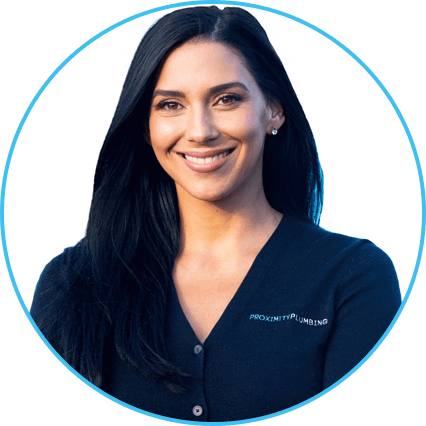
Emily Demirdonder is the Director of Operations and Marketing at Proximity Plumbing, a trusted provider of 24-hour emergency plumbing and comprehensive home, business, and facility services. From blocked drains and hot water repairs to maintenance for schools, restaurants, and commercial properties, she ensures the company delivers reliable, high-quality solutions with exceptional customer care. Combining operational expertise with a strategic marketing approach, Emily plays a key role in driving Proximity Plumbing’s reputation as a go-to partner for both urgent repairs and long-term maintenance needs.

In this interview, she offers a candid look at the realities of entrepreneurship, sharing both the challenges and the victories that defined her path.

What inspired you to start your business, and what problem were you passionate about solving?

I came into the plumbing industry after working as a flight attendant, which gave me a strong sense of how much service quality impacts customer experience. When I met William and learned more about the trade, I noticed there was a gap in Sydney for plumbing companies that treated customers with the same care and transparency as a high-end hospitality service. Many people were frustrated by unclear pricing, unreliable arrival times and poor communication. I wanted to remove that frustration. Offering fixed-price quotes after an on-site assessment, no weekday call-out fees, and a lifetime labor warranty were deliberate decisions to give customers complete confidence in what they were paying for. My goal from the start has been to make plumbing service predictable, trustworthy and professional enough that homeowners feel comfortable calling us first.

How has your business evolved since its launch, and what key decisions helped drive that growth?

When I first joined Proximity Plumbing, we were operating with a smaller team and handling a modest number of jobs each week. Growth came from tightening our systems so every customer interaction was consistent, from the first phone call to job completion. Hiring three full-time office admin staff allowed us to manage scheduling more efficiently, reduce delays, and keep plumbers where they should be on site. Expanding our services to include pipe relining, roof repairs, and 24/7 emergency work opened more opportunities without compromising quality. We invested in branded vehicles, uniforms, and technology to track jobs in real time which improved accountability. Introducing a lifetime labor warranty set a standard in our market and built repeat business. Each of these decisions ensured that as demand increased, we could meet it without losing the personal service our clients expect.

What makes your brand or offering stand out in a crowded market?

Proximity Plumbing stands out because we operate with complete transparency and accountability in an industry where those qualities are often lacking. Every quote is given after a complimentary on-site inspection, with the exact price confirmed before work begins. We never surprise clients with hidden costs. Our plumbers arrive in clean, clearly branded vehicles, wear professional uniforms, and treat each property with the same respect they would their own home. The lifetime labor warranty is another defining feature, giving clients long-term confidence in our work. We maintain a 24/7 emergency service so homeowners know they can reach us any time without paying a weekday call-out fee. These practices have built strong relationships in our local community and positioned us as the company people know they can rely on for both quality workmanship and a professional customer experience.

What has been your most effective marketing strategy to date, and why do you think it worked so well?

Our most effective marketing strategy has been pairing strong local SEO with genuine community involvement. We invested heavily in making sure our website ranked for service-specific searches in our area, which meant homeowners looking for plumbing help could find us quickly. At the same time, we committed to being visible offline through sponsorships, charity events, and educational content for local residents. This dual presence meant people were seeing our brand in multiple places, both online and in their daily lives. The combination worked because it built familiarity and credibility before they ever needed to call a plumber. When that moment came, they already knew who we were, had seen our work in the community, and felt confident in contacting us for service.

How do you stay connected to your ideal audience and understand their needs or behaviors?

I stay connected to our audience by keeping direct communication channels open and active. Every customer interaction, from the initial call to post-service follow-up, is treated as an opportunity to understand what matters most to them. I personally review feedback from job reports, online reviews, and follow-up calls to identify trends in expectations and concerns. Our office team is trained to listen closely and relay insights so we can adapt our services accordingly. Being present in the community through local events and sponsorships gives me face-to-face conversations with residents, which often reveal needs and priorities that digital channels might miss.

What’s one branding move or campaign that helped elevate your business to the next level?

One of the most impactful branding moves was investing in a consistent, professional visual identity across every customer touchpoint. We rebranded our fleet with clean, easily recognizable vehicle wraps, updated uniforms to match our brand colors, and ensured all marketing materials carried the same look and tone. This consistency made us instantly recognizable on the road and in the community. It signaled reliability before we even spoke to a client. Coupled with our commitment to arrive on time and deliver on promises, the visual branding reinforced our reputation. Over time, residents began to associate our brand with trust and professionalism.

What does success look like for you, not just in numbers, but in purpose or impact?

Success for me is seeing Proximity Plumbing become the first company homeowners think of when they need a plumber and knowing that choice comes from trust built over time. It is hearing that a client recommended us to a neighbor because their experience was exceptional from start to finish. It is having our team take pride in their work and in the reputation they have helped shape. Financial growth matters, but the real measure is creating a business that consistently delivers quality, treats people with respect, and leaves every home in better condition than when we arrived.

Can you share a challenge or setback that ultimately became a turning point for your brand?

In our early years, we had a period where demand outpaced our ability to deliver the service standard we promised. Jobs were getting delayed, communication gaps were forming, and I could see the strain on both our team and our clients. It forced me to completely reassess how we were operating. I expanded the office team to handle scheduling and client updates in real time, introduced job-tracking technology, and tightened our booking process so we only committed to what we could deliver without compromise. That shift restored client confidence and gave us the structure to grow without sacrificing quality.

What daily habits or rituals keep you focused, creative, and grounded as a leader?

I start each day reviewing our job schedule and touching base with the office team so everyone is clear on priorities. This sets the tone and prevents small issues from growing. I dedicate time every afternoon to reviewing customer feedback and job reports, which keeps me connected to how our work is received. I make a point to walk into the workshop or speak with our plumbers on site, as those conversations often spark ideas for improvements. Outside of work, I keep my mornings for exercise and quiet time, which helps me stay focused and balanced when the day gets busy.

How do you approach innovation and risk in your business strategy?

I approach innovation by looking at where we can make measurable improvements to service delivery without compromising reliability. Before adopting new tools or processes, I assess how they will impact the customer experience and the team’s efficiency. For example, implementing job-tracking software allowed us to update clients in real time and reduce missed appointments, which improved satisfaction and reduced rebooking costs. Risk is managed by introducing changes in controlled stages, testing them internally before making them part of our daily operations. This way, we adapt to new opportunities while protecting the trust we have built with our customers.

What advice would you give to someone starting a business in today’s fast-changing digital world?

I would advise starting with a clear understanding of the exact problem you want to solve and building every decision around delivering that solution better than anyone else. In a digital-first world, credibility is built through both your online presence and the consistency of your service. Invest early in a professional website, strong SEO, and a content strategy that educates your audience. At the same time, make sure your offline operations match the promise your brand makes online. Digital tools can bring people to your door, but it is the quality of their experience once they engage with you that drives lasting growth.

Where can our audience connect with you and learn more about your work or offerings?

You can email me. Also, you can learn more about Proximity Plumbing and what my husband and the entire team do at our official website.

Here are also our official Social Media pages: