Home Blog Page 31

Fiona Wylie on Building Brand Champions, Flexible Leadership & Campaigns with Meaning

0

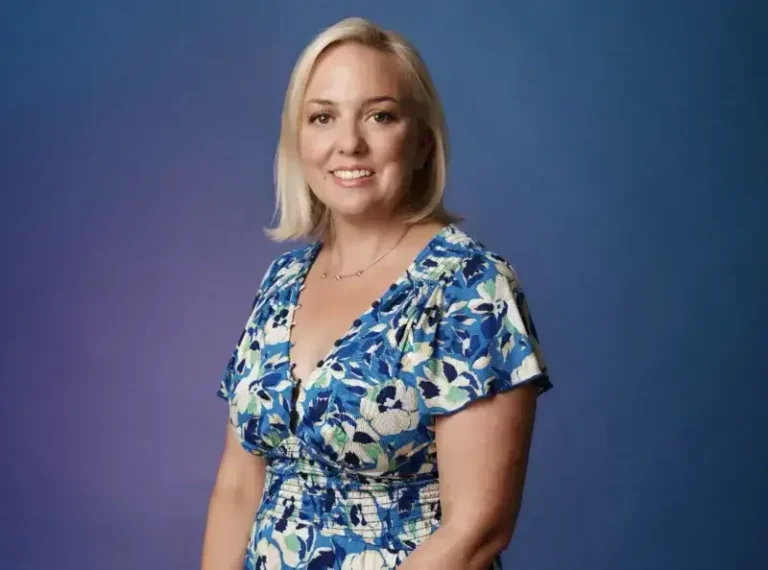
As part of the Morning Lazziness series highlighting empowering women who are making a remarkable impact with their ideas, I had the pleasure of interviewing Fiona Wylie.

With over two decades of professional experience, Fiona has cultivated a wealth of expertise collaborating with renowned household brands such as British Airways, Nestle and Pfizer. Recognised as a ‘Rising Star’ by Marketing Week early in her career, Fiona has been honoured with multiple innovation awards.

In 2018, Fiona identified a unique opportunity to leverage her skills and knowledge to establish an agency that could seamlessly support both agencies and clients. This vision materialised into Brand Champions, a dynamic business specialising in Strategy, SOS and Skills. Brand Champions is dedicated to assisting clients with significant strategic initiatives, addressing short-term resource challenges, and fostering in-house learning and development. In her current role, Fiona is committed to helping others to build champion brands through the comprehensive services offered by Brand Champions.

In this interview, she reflects on the pivotal moments, hard-earned lessons, and defining wins from her journey in building thriving online ventures.

What inspired your leap into entrepreneurship, and what sparked the idea behind Brand Champions?

Part frustration with the lack of opportunities for working Mums and part love and passion for my industry that I wasn’t prepared to walk away from, despite being limited on what I could commit to in terms of hours.

How did your own return-to-work experience after maternity leave influence the way you built Brand Champions and its flexible, remote-first model?

The first role I landed, I was really lucky as I was offered a job share but that was extremely unusual at the time.  It made me determined to prove that Mums were still prepared to give 100% to their work. My team obviously work flexibility but work extremely hard, always putting clients’ needs first, whilst balancing the demands of their family life.

Your “SOS” marketing support is known for its fast, focused results—what makes this model so effective for the brands you work with?

It’s been described as an emergency service.  My team, being all ex-clients, can drop into a business and be hands-on, really quickly, which means the team can feel the weight lift immediately.  It’s often a situation of too much to do and too little time, so this is why it’s so effective.

Brand Champions is a lean yet high-impact team—how do you stay nimble while delivering deep strategic value across projects?

For any team, there’s a difference between delivering day to day and being able to step back and look at a project holistically.  In our initial phase of defining our client’s gritty problem, we will spend time understanding what’s happening and giving a strategic overview before we get stuck into delivering quickly.

What kinds of challenges do clients typically bring to you, and how do you and your team approach solving them?

Every client thinks their problem is different, but there are definitely some themes of not enough time to deliver, not enough experience in a category or market or just needing an outside perspective to make them think bigger.  

Is there a campaign or brand transformation you’ve led that you’re especially proud of? What made it stand out?

We were very lucky to lead on the first menopause product to be sold inside pharmacies rather than through the doctor surgeries and this was really special because the opportunity was so unique, the menopause market was just exploding and an area we feel extremely passionate about and just a great team that all worked hard together.

You’re helping redefine leadership and workplace flexibility in marketing—how do you see that evolving, especially for women returning to work or leading teams remotely?

I am a strong believer in right place right time.  If you need to be in an office for a client, or you need to do a face to face with your team to get a greater output then that’s where you should be.  The thing I don’t agree with is presenteeism, sitting in the office for the sake of it – work smartly to get the most for you, your clients, and your team.

What’s your vision for the future of female-led, remote-first consultancies like Brand Champions? How do you hope to influence the wider industry?

I hope to show that regardless of gender, parents are a capable and determined part of the workforce and drive the exceptional results you want to see with your brand.

What’s your best piece of advice for someone just starting out, especially first-time entrepreneurs feeling overwhelmed or uncertain about their path?

Focus on one thing you’re better at than everyone else, rather than diversifying too quickly as I see many people do this and lose their way.

What are the top 5 mindset shifts or practices that helped you overcome self-doubt and grow your confidence as a founder?

  • Be comfortable asking questions and not being the cleverest person in the room
  • Have a team around you that support and empower you to want to do more
  • Prioritise self care whatever is important to you
  • Keep putting yourself out of your comfort zone 
  • Ask for feedback and learn and adapt 

If you could spark a global movement through your work, what would it be—and why does that mission matter to you personally?

In a world that is building AI, clickbait, copycat lazy briefing to agencies, I’d like to spark a movement of campaigns with meaning, for bold clients and agencies that strive for the best, where ok is never good enough and where the work we do adds real, meaningful value to brands.

What’s a quote, mantra, or philosophy that you live and lead by—something that keeps you grounded and focused?

If you’re a champion, you have to have it in your heart.  Chris Evert

Finally, where can our audience connect with you or learn more about the work you’re doing with Brand Champions?

You can check out our website or connect with us on LinkedIn.

Kristen Allen on Redefining Bust-Friendly Fashion and Building Confidence Through Fit

0

As part of the Morning Lazziness series highlighting empowering women who are making a remarkable impact with their ideas, I had the pleasure of interviewing Kristen Allen.

Kristen Allen is the founder and president of Exclusively Kristen, a fashion brand dedicated to creating stylish, high-quality clothing designed specifically for women with fuller busts. Recognizing the persistent fit challenges faced by this underserved market, Kristen set out to design pieces that combine impeccable tailoring, comfort, and style—without compromise. With a commitment to thoughtful design and premium craftsmanship, she has grown Exclusively Kristen into a trusted destination for bust-friendly fashion, empowering women to look and feel their best in every outfit.

In this interview, she delves into the challenges, successes, and wisdom she has gained from over a decade of transforming online businesses.

What inspired you to become an entrepreneur in the fashion industry, and what led to the creation of your brand or product line?

My journey began with a personal frustration that I’ve had since my teen years, and so many women with fuller busts share. I was tired of the endless cycle of trying on clothes and feeling disappointed. Button-down shirts gaped, knit tops stretched in all the wrong places, and the “solution” was always to size up, leaving me with a waist and shoulders that looked boxy and ill-fitting. It felt like I was constantly compromising my style for a fit that was, at best, a compromise. I remember, as a teen, going to my fashion-trendy store in the mall and trying on a cute bustier top only to frustratingly exclaim, “Why can’t they make shirts for big boobs?!” The seed had been planted…

I realized there was a huge gap in the market for clothing that was specifically designed to solve these problems without sacrificing style. Exclusively Kristen was born out of a desire to create a brand that empowers women to stop compromising. I wanted to build a line of clothing where sophistication starts with the right fit, and where every piece makes you feel polished and confident, not just “covered.”

As a woman navigating the fashion business world, what unique challenges have you faced, and how did you overcome them?

The biggest challenge has been shifting the narrative. The fashion industry often focuses on “plus-size” as a general category, but my mission is much more specific. It’s about designing for a body type—the fuller bust—that often gets overlooked in both traditional and plus-size markets. I’ve had to educate everyone from manufacturers to investors on the unique fit challenges we’re solving. I’ve overcome this by focusing on our core pillars: quality and a deep understanding of our customer. 

Another difficulty is financing. Black women entrepreneurs receive a very small percentage of venture capital funding, less than 1% of total investment. Therefore, scaling the brand has been difficult due to lack of access to capital.

Fashion can be both trend-driven and intensely competitive—how do you maintain your personal well-being while growing your brand?

I do “self-care Sundays,” which encompasses a monthly massage, a weekly ayurvedic hair treatment, learning new things, or relaxing. I try to disengage from social media and any other distractions. The focus is in mental, intellectual, and physical improvement.

Which networking strategies, communities, or industry partnerships have helped you build meaningful connections in the fashion world?

I’ve found immense value in connecting with other entrepreneurs who understand the unique challenges of building a business from the ground up. When I first started Exclusively Kristen, I was living in NYC and became part of The Brooklyn Fashion + Design Accelerator (BF+DA), which is a Pratt Institute initiative that supports ethical fashion and design businesses. At their events, I developed working relationships with an ethical modeling agency, fabric suppliers and even was in the audience for a panel discussion that included the founder of The Lip Bar as a panelist. I credit my relationship with entrepreneurs and my participation in BF+DA events for flattening the learning curve of starting a business from nothing.

How do you approach mentorship—both as someone learning from others and as a mentor to emerging designers or founders—and how has that shaped your journey?

I’ve found mentors in the most unlikely of places. For example, a man I met at a cafe in Cairo, an American sitting at the next table, suggested I make a jumpsuit, which is now part of my spring collection. A former coworker, a British man of about 60, was so enthusiastic about a minted moss-colored swatch that I decided to use it as one of the colors for our full coverage tank dress, even though I had planned on choosing another. That choice paid off, as it has been popular with our customers. Of course, I’ve also had more traditional mentors in the fashion industry. In the first few years of Exclusively Kristen, I did a lot of pop-up shops and am still in contact with many of the shop owners who hosted them. They were instrumental in helping me with styling, fit, and pricing.

What strategies have worked best for gaining loyal customers and building brand identity in a saturated fashion market?

Authenticity and empathy are key. Our customers are tired of ill-fitting clothes and brands that don’t understand their needs. We build loyalty by deeply understanding their frustrations and then showing them, through our designs, that we have the perfect solution. Our strategy isn’t about selling a product; it’s about offering a feeling—the feeling of being perfectly put-together, confident, and polished. Our taglines, “Polish starts with the right fit” resonates with our audience.

Which marketing techniques (social media, influencer collaborations, editorial features, pop-up events, etc.) have been most effective for your business, and how do you measure their impact?

Our most effective marketing has been through high-quality, aspirational visual content on Instagram. We showcase our garments on models with fuller busts, in settings that speak to our ideal customer’s lifestyle. We also use subtle “before and after” stories in our posts and Stories—not to criticize other brands, but to show how our designs solve common problems like gapping and pulling. This visual storytelling, paired with educational content about our high-end fabrics and tailoring, has proven to be incredibly effective.

Can you share a major setback or turning point in your fashion journey, and how you moved through it with resilience?

I took a five-year hiatus to focus on my career in education. In 2018, I was in debt and still unable to pay myself from Exclusively Kristen. I was flat broke and didn’t know how I was going to pay the rent. An opportunity arose from a job at a school in Shanghai with good pay. I was depressed about what I saw as a failure with Exclusively Kristen, and I think, deep down, I was afraid to fail again. So, I did nothing with the business for five years while I worked overseas. No Facebook or Instagram posts, one newsletter a year for Black Friday, and I was still getting sales. I thought about closing, but a voice told me that I was solving an important problem and needed to continue. In 2023, I stopped feeling sorry for myself and got to work revamping the brand. It paid off: in 2024, Exclusively Kristen’s revenue doubled compared to 2023.

What’s one piece of advice you’d give to women just beginning their entrepreneurial path in the fashion industry?

Know your niche and own it. Don’t try to be everything to everyone. Find a problem that you are uniquely passionate about solving and build your brand around that solution. The market is saturated, but a truly unique and well-executed idea will always find its audience.

Is there a quote, mantra, or personal philosophy that guides your decision-making and leadership as a fashion entrepreneur?

My guiding philosophy as a fashion entrepreneur is continuous education. This isn’t just about taking classes; it’s a mindset of being perpetually open to new ideas, feedback, and inspiration. I believe that in the fast-paced world of fashion, the moment you stop learning is the moment you start falling behind.

For me, this philosophy manifests in several ways. I actively seek out feedback from my customers, not just about what they like, but also what they dislike and what they wish they could find. I pay attention to trends, not just in fashion, but also in technology, social media, and consumer behavior. This constant intake of information allows me to stay agile and make informed decisions.

A great example of this came from an unexpected conversation with a colleague who suggested a small design change, a small side slit, to our best-selling One and Only Shirt. At first, I was hesitant because I had just done a pattern change and didn’t want to do another one. However, after thinking it through and seeing the value in her idea, I implemented the change. The revised design was even more successful in decreasing returns, proving that the best ideas can come from anywhere.

Here is our signature question: “What Are The 5 Things You Need To Overcome Self-Doubt and Build Confidence?”

Acknowledge the Problem and Believe in Your Solution.

  • Story: In the early days, I would second-guess if the fuller-bust market was big enough to build a business around. I’d have moments of doubt, wondering if I was just creating a solution for my own problem. Then, I’d talk to a friend or a stranger, and they would tell me a story about a shirt that didn’t fit, a dress that pulled across the bust, or a bra strap that was always visible. Their frustration was my validation. I realized this wasn’t just a “me” problem—it was a shared experience. Also, the most sold bra size at the lingerie boutiques that I did pop ups at was a 34G or 34H, which added supporting data to my anecdotal evidence. Researching and believing in the need for our solution was the first step to overcoming my self-doubt.

Focus on Craftsmanship Over Compromise.

  • Story: We had a moment where we were considering using a less expensive fabric to reduce our production costs, giving into those “these shirts are so overpriced” comments. It would have meant a slightly thinner knit and less resilient stitching. The voice of doubt said, “No one will notice.” But my inner voice, guided by our brand’s mission, said, “We will notice and our loyal customers will notice.” We stayed with our premium, breathable, and durable cotton knit and double stitching. When a customer wrote to us later, raving about the quality and how her tank top held its shape perfectly, I knew we had made the right choice. Our commitment to quality became a source of pride, not a point of negotiation. Note that those people who complain about your prices are not your customers. We focus on those who appreciate a premium tailored garment.

Embrace the “Why” and Let it Guide You.

  • Story: There have been countless times when I’ve felt overwhelmed by the business side—the logistics, the finances, the endless to-do lists, and juggling a full time job on top of it. In those moments, I take a step back and think about the woman who is tired of feeling frumpy or ill-fitting. I think about the professional who needs to feel polished and confident for a big meeting. My “why” is helping her find that confidence. That purpose refocuses my energy and gives me the resilience to tackle the next challenge.

Prioritize Self-Care: Confidence starts from within. 

  • To overcome self-doubt, it’s crucial to nurture yourself emotionally, mentally, and physically. Self-care isn’t a luxury; it’s a necessity for building a strong foundation of self-worth. One effective way to do this is by dedicating time each week for a “Self-Care [fill in the blank day].” This is a time to work on yourself from the inside out. For instance, you could use this day to unplug from social media, meditate, read a book, exercise, or journal about your accomplishments and fears. By consistently taking time to recharge and focus on your inner well-being, you reinforce the message that you are valuable and worthy of attention, which directly combats self-doubt.

Practice Positive Self-Talk and Acknowledge Achievements.

  • Self-doubt often stems from a negative inner voice. To combat this, you need to consciously replace negative self-talk with positive affirmations. Instead of thinking, “I can’t do this,” reframe it as, “I’ll give this my best shot and learn something new.” Additionally, make a habit of acknowledging your accomplishments, no matter how small. Keeping a victory journal or a running list of your successes, like a completed project, a tough conversation handled well, or even a personal goal met, can serve as powerful evidence against self-doubt. When you feel a moment of doubt creeping in, you can refer back to this list to remind yourself of your capabilities and resilience.

Almost done! If you could inspire a movement that brings the most good to the most people—through fashion or beyond—what would it be? You never know what your story could spark.

I would inspire a movement called “Fashion with a Purpose.” It’s a movement that encourages both brands and consumers to see clothing as more than just a passing trend. For brands, it’s about designing with a specific, thoughtful purpose—whether it’s solving a fit problem, using sustainable materials, or empowering a community. For consumers, it’s about making mindful, intentional purchases that align with their values and serve them for years, not just one season. This movement would champion quality over quantity, craftsmanship over fast-fashion, and confidence over compromise.

How can our readers further follow your work or support your fashion brand online?

  • Readers can explore our collection and discover their perfect fuller bust fit by visiting our website.
  • For daily style inspiration, behind-the-scenes glimpses, and to join our empowering community, follow us on Instagram.

Alexia Abreu, Founder of Lumara, on Leveraging AI to Transform Boutique Hospitality, Drive Economic Growth, and Preserve Local Culture

0

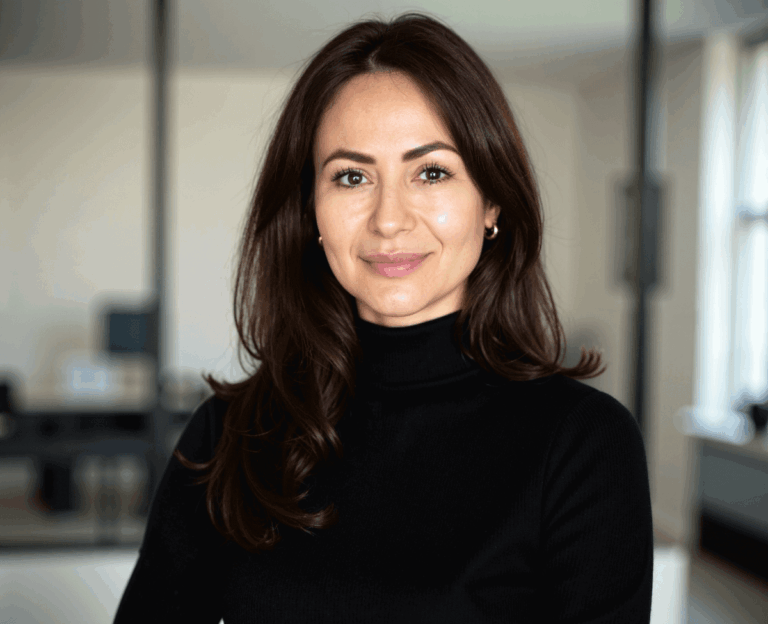
As part of the Morning Lazziness series highlighting empowering women who are making a remarkable impact with their ideas, I had the pleasure of interviewing Alexia Abreu, Founder & CEO of Lumara.

Alexia Abreu is the Founder & CEO of Lumara, a U.S.-based AI-powered SaaS platform transforming the boutique hospitality industry. With over a decade of experience in marketing, analytics, and hospitality, she blends creativity with data-driven strategies to solve real-world challenges faced by small hospitality businesses.

After working closely with independent hotels across Latin America and the U.S., Alexia saw firsthand how many struggled with limited access to technology, staffing shortages, and an overreliance on costly Online Travel Agencies (OTAs). Driven to level the playing field, she launched LUMARA Smart Hospitality to democratize AI-powered hotel websites, offering boutique hotels commission-free booking tools and 24/7 AI concierge support. Her mission is to help small U.S. businesses stay competitive on a global scale—without sacrificing their unique identity.

In this candid conversation, Alexia Abreu shares her journey, insights, and the strategies that have helped her build a results-driven business and empower other entrepreneurs to do the same.

How does your work contribute to solving critical challenges in the U.S. hospitality and small business landscape?

LUMARA addresses two urgent U.S. challenges:

  • Labor shortages in hospitality – AI automation reduces the need for repetitive staffing, enabling hotels to maintain high service quality with fewer resources.
  • Eroding margins from OTA commissions – Independent hotels often lose up to 25–30% of each booking to large platforms. LUMARA gives them the tools to retain more revenue, strengthen direct guest relationships, and remain competitive.

What inspired you to create LUMARA, and what personal or professional experiences led to its founding?

While Lumara is hospitality-focused, it empowers small businesses economically. My background in marketing, analytics, and hospitality revealed an imbalance in the industry – small operators had to depend on expensive third-party platforms to survive. I saw a way to restore autonomy and profitability to these businesses through accessible AI tools.

What specific problem does your product solve, and who benefits most from your innovation?

Boutique hotels and independent lodging lose up to 30% of revenue to OTA commissions. LUMARA replaces that dependency with commission-free, AI-powered websites and concierge automation that increase direct bookings and operational efficiency.

How is your approach different from other solutions in the market?

We’re not just building software,  we’re building independence. LUMARA is designed for non-tech-savvy owners but delivers premium, enterprise-grade functionality that’s easy to use and visually compelling.

What has been your most impactful strategy for acquiring early users and scaling?

We built a visual intake flow where hotels can see their website prototype instantly. This reduced onboarding friction, increased conversions, and proved highly effective even during our MVP stage.

How are you using data, AI, or automation in ways that empower your users rather than overwhelm them?

Our AI concierge works quietly in the background, answering questions, managing bookings, and automating guest workflows. Owners get the benefits of automation without feeling burdened by complex tech.

What challenges have you faced as a woman founder in the tech/AI space, and how did you navigate them?

I built credibility through action. I learned the tools, built the product, and led with measurable results. That approach earned respect and attracted the right collaborators.

What does leadership mean to you in a high-growth tech environment?

Leadership is empathy over ego. It’s about understanding user needs, supporting your team, and building systems that make people feel confident, valued, and seen.

How do diversity and inclusion influence your work?

LUMARA was built to serve diverse markets across the U.S., from multilingual support to culturally aware UX design. Inclusion isn’t an afterthought – it’s part of our product DNA.

How do you overcome impostor syndrome as a founder?

Done is better than perfect. Ask instead of assuming. And remember – many breakthrough ideas looked “too ambitious” before they became obvious successes.

How do you stay ahead of industry trends?

I read, build, and test constantly, but I also listen to real users. Trends inform us, but mission and execution sustain us.

If you could spark a global movement through your work, what would it be?

To champion technology that respects and preserves local culture. Tools should empower businesses without erasing what makes them unique.

What industry myth would you like to disrupt?

Small businesses must rely on big platforms to survive. They don’t, they just need the right tools.

What advice would you give to women entering AI, SaaS, or hospitality tech?

You don’t need to be a coder to lead in tech. Care deeply about a problem, commit to solving it, and learn the rest along the way.

Have you received recognition or mentorship invitations for your work in AI or entrepreneurship?

Yes, my work with LUMARA Smart Hospitality has led to invitations from senior engineers, startup founders, and ecosystem leaders to collaborate, receive mentorship, and share insights on AI automation for small business competitiveness. These recognitions validate both the technical innovation and market relevance of my work.

What is your long-term vision for how LUMARA Smart Hospitality will impact the U.S. economy and innovation ecosystem?

The long-term vision for LUMARA is to scale AI-driven tools that help small hospitality businesses remain financially independent, retain jobs, and compete on a global level. By strengthening local business resilience, we also contribute to broader economic stability and innovation adoption across service industries in the U.S.

Where can readers connect with you?

You can learn more about LUMARA Smart Hospitality and its mission to empower boutique hospitality businesses by reaching out via hello@lumara.ai. Alexia Abreu, Founder & CEO of Lumara, welcomes opportunities to connect with fellow innovators, investors, and changemakers who share her vision for AI-powered tools that strengthen local economies while preserving cultural authenticity.

Rasheda Kamaria Williams on Amplifying Purpose-Driven Leaders and Closing the Visibility Gap

0

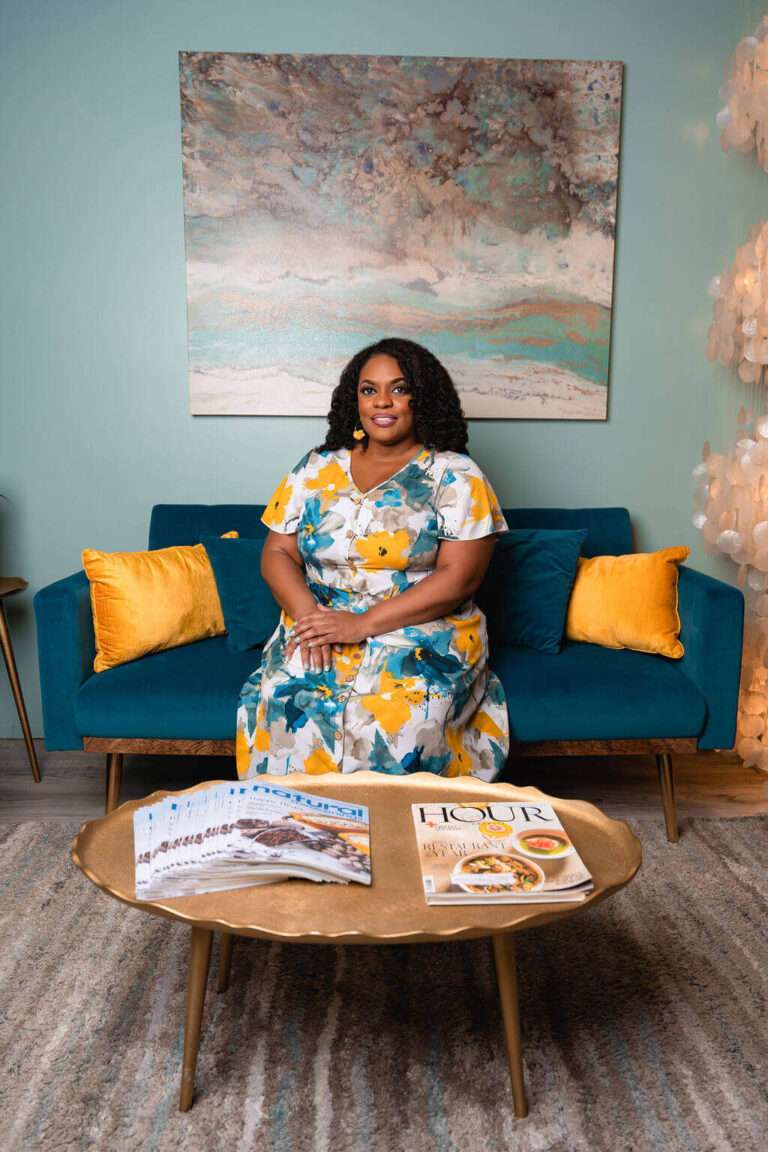
As part of the Morning Lazziness series highlighting empowering women who are making a remarkable impact with their ideas, I had the pleasure of interviewing Rasheda Kamaria Williams.

Rasheda Kamaria Williams is an award-winning mentor, author, empowerment speaker, and the visionary founder of Empowered Flower Girl, a social enterprise dedicated to transforming the way young people relate to themselves and one another. A passionate advocate for women and youth, she has spent over a decade creating programs and initiatives that foster connection, confidence, and community.

Leveraging her extensive background in PR and communications, Rasheda has earned numerous accolades for her ability to craft compelling narratives and elevate important causes. Through her work with Inspired Life Professionals, she helps changemakers and social impact founders amplify their missions, expand their reach, and get their voices heard—whether on stages, in magazine features, or through other thought leadership platforms.

At her core, Rasheda is a social entrepreneur driven by a commitment to inspire, uplift, and equip the next generation of leaders. Her work blends strategic storytelling with genuine purpose, making her a trusted guide for those ready to create meaningful change.

In this interview, she reflects on the pivotal moments, hard-earned lessons, and defining wins from her journey in building thriving online ventures.

What inspired you to launch Inspired Life Professionals, and how did your background in freelancing and consulting shape the mission behind it?

I launched Inspired Life Professionals in December 2024 after years of working behind the scenes as a freelancer and consultant for nonprofits, education institutions, and changemakers. What I consistently saw was the brilliance and impact of leaders (especially BIPOC founders and youth changemakers) going unnoticed. My background shaped the company’s mission to change that. I know that visibility equals viability for clients. ILP was born to bring tools to the people who often don’t have access to big PR firms but have powerful stories that deserve to be told.

You’ve worked closely with nonprofits, educators, and changemakers—what patterns did you notice that led you to focus on amplifying overlooked voices?

I noticed that so many changemakers were doing transformative work but were too busy serving their communities to advocate for themselves. Many lacked the bandwidth or resources to pitch their stories or navigate the media landscape. Time and again, I saw youth leaders and small grassroots organizations being overlooked despite their incredible impact. That’s when I realized visibility is also a form of equity.  

ILP is rooted in storytelling for impact. What does it mean to you to “amplify purpose-driven leaders,” and how do you bring that to life through your work?

To amplify purpose-driven leaders means making sure the world sees and values the work of those leading with integrity and intention. I bring that to life through strategic storytelling, which involves helping clients shape their own narratives, secure media coverag,e and share those stories on stages with confidence. 

You mention that BIPOC founders and youth leaders are often underrepresented in traditional media. Why do you think that gap still exists, and how does ILP aim to close it?

That gap persists because systemic bias still shapes whose stories are seen as “worthy.” Traditional media often centers familiar names or narratives and sometimes leaves out emerging leaders, especially those from marginalized communities. I am grateful to see independent news outlets and podcasts that focus on uplifting the stories of BIPOC and youth leaders. But it shouldn’t only be the niche publications and outlets doing this which is one of the reasons I advocate for my clients to take advantage of their owned media to tell their stories. They can use their websites, blogs, and social channels to share the good they’re doing in the world.  

Can you share a recent success story where your work helped a grassroots organization or leader gain the visibility they deserved?

One recent success story I’m proud of is my work with Tia Russell, founder of Take My Hand, a Detroit-based nonprofit dedicated to supporting youth, families and individuals through essential services and empowering community programs. Although Tia had been making a significant difference for years in her community, her organization wasn’t getting the media attention or financial support it truly deserved. 

I worked with Tia to provide strategic support like media training and consultation around speaking opportunities and grant/award submissions. We focused on refining her message, promoting her Generational Givers initiative for youth and building her confidence as a spokesperson for her cause.

When Tia was featured in SEEN Magazine’s “Changemaker” series in October 2024, I was floored. I wanted to cry tears of joy because folks around the world got to see what I already know about Tia, she is a force. That feature truly elevated her profile as a recognized community champion.

As a purpose-driven entrepreneur, how do you stay inspired and grounded, especially when working in spaces that can be emotionally demanding or underfunded?

Whew! Great question. I stay grounded by returning to my “why.” I’m doing this work to help people at the end of the day (and not just my clients). I think about the young people watching, the founders who’ve never seen themselves in national media and the grassroots organizers who keep going despite limited resources. I also prioritize boundaries and the things that bring me joy like time at the beach (which you’ll notice as an ILP brand element), dancing, mentoring youth and deliberate rest. I also surround myself with other purpose-driven folks who keep me motivated. We remind each other that this work matters, but our peace also matters.

What advice would you give to other women, especially women of color, who are building mission-led businesses but struggling to be seen or heard?

If I’m speaking directly to them, I would say: Your work is valid even if it hasn’t gone viral. You are doing the work and it is recognized even if not by the local TV station. Those you serve, your family and God know your heart. But don’t let humbleness keep you from shining. So don’t be afraid to toot your own horn or allow others to toot it for you. Get the support and mentorship you need to grow and expand your territory. There is a good vibe tribe out there waiting for you to join. 

What have been the biggest challenges in building ILP since its launch, and how have you navigated them with intention?

The biggest challenge over these past few months has been building while still supporting others’ visibility and navigating limited capacity. As a solopreneur who works with other freelancers, it can be hard to balance client work with growing my own brand. I’ve navigated it by embracing systems to streamline how I work. I’ve also learned to ask for help and lean into community. 

If you could lead a global movement through ILP, what would it stand for—and what kind of legacy do you hope to leave through your work?

If we led a global movement, it would center visibility as a form of equity. It would stand for amplifying purpose-driven leaders and lightworkers. The legacy I want to leave is one where stories that were once overlooked are front and center. I want people to remember Inspired Life Professionals as the spark that helped light the way for others.

Mary Winkenwerder on Crafting Premium Wax Products with Purpose and Passion

0

As part of the Morning Lazziness series highlighting empowering women who are making a remarkable impact with their ideas, I had the pleasure of interviewing Mary Winkenwerder.

Mary Winkenwerder is the founder of BON LIFE, Premium Wax Products, a brand dedicated to creating high-quality, artfully crafted wax goods that elevate everyday moments. With the tagline “It’s time for a new flame,” Mary blends craftsmanship, style, and sensory experience into each product, delivering candles and wax creations that burn beautifully and transform any space.

Her vision is simple yet powerful—to reimagine wax products as more than functional items, making them a source of comfort, atmosphere, and personal expression. Whether for relaxation, celebration, or gifting, Premium Wax Products embodies Mary’s passion for quality, design, and the subtle luxury of a perfect flame.

In this interview, she discusses her entrepreneurial evolution, from early struggles to the achievements that shaped her online business success.

What inspired your leap into entrepreneurship, and what sparked the idea behind your current venture?

At the age of 12, I launched my first business to finance my art studies. Coming from a military family with three active-duty military parents forced me to think outside the box given to me to accomplish goals. I resided in central Europe, where my stepdad served in the military. We were not wealthy, but we micromanaged our finances and optimized the currency exchange rate to live a quality life regularly. My stepdad’s family lost everything due to WW2 and relocated to the USA; my bio father, who lived very well, had a similar situation returning from Mexico to the USA growing up, and my mother was raised in extreme poverty. I fully understand the value of money and situations to the point it’s almost neurotic for me. Nothing is wasted. Up to a certain point, my parents paid for all the art study trips, allowing me to travel and study with friends and other familiar faces I felt safe with. The one trip that turned the tide and changed everything was Vienna. I pitched the trip to my dad, who told me that they were saving for our return trip to the US, and I could go to Vienna and study or not have something I needed when we got back to the States. I did not express my frustration overtly; however, informing my school friends that I would not be participating in the trip was quite disheartening. Instantly, I got to work coming up with ideas that could generate money and made an inventory of my working assets. I had an awesome 10-speed bike with basket connection hardware. I had clean baskets and flip-top jars and parchment paper. I had a captive schoolmate clientele who loved German sour gummy candy they could not get on the base. It was the first sunny day of a long, wet German spring, and I asked my mother for $20 and told her what it was for. She gladly handed it over, and off I went to my supplier to purchase $20 worth of German sour gummy candy. When I got home, I reviewed the daily exchange rate from German marks to US dollars and set my price. School was busy with studies and selling candy the next day. The next day I sold the entire stock at a 100% profit, then paid my mother back her $20. She was amazed and congratulated me. We did not share the story with Daddy until we were halfway through dinner. He too was amazed. 

From that point, I continued my process while diligently monitoring the currency exchange rate for any fluctuations. After about two months of solid diligence, I was prepared to resume my art studies with local and out-of-country trips to study some of the outstanding artistic masters in Europe. I recall studying Albrecht Dürer, Van Gogh, Rembrandt, and others. In addition, I developed an affinity for Indonesian spring rolls that, to this day, I cannot shake! That spring I clearly remember my mother being in Paris with a friend, Daddy was in England and then Italy with the military, and I was in Amsterdam studying art. What an incredibly long dinner conversation when everyone returned from their adventures! In summary, necessity was the driving force behind invention. 

Fast forward to 2023, 2024.  Both my dads passed away after incredibly full lives, some could only hope to live. Wading through the shock of back-to-back deaths, I found solace in the fact that I come from a multicultural family, grew up with extensive multicultural surroundings in daily life, experienced flavors, scents, and textures from various parts of the world, enjoyed candles and cosmetics, have been a wellness enthusiast from the beginning, and have wonderful childhood memories involving various members of my family. For me, these events were marked by scent and light. I had so much to be grateful for. As the layers of despair peeled off, I found myself recounting scents in relation to experiences throughout life. These were the moments that defined certain points in life that stood out boldly from most others. After surviving a pandemic and losing both my dads, I still have so much to be grateful for; this gratitude includes heritage, endless culture, food exploration, an incredibly solid work ethic, a quality life, their time investment developing my life, and their caring. Looking through relics tying me back to my dads, I remembered my biological dad calling me Bon, which means good in Spanish. He always told me that most times, I was a good kid and did not give him grief.

Up to the point I had to start helping my mother take care of my dad before his death, and more so the house and property, I was ramping up my press presence to launch a different type of consumer product line. Consistently for an entire year I engaged in press opportunities as a contributing writer and blogger, totalling over 40 collaborations for the entire year. This number includes syndication in the US and internationally. Out of nowhere, my dad’s health worsened to the point he could not walk on his own. I had to face the fact that this may be the beginning of his end, and it was. This break in time forced me to realize that a different route may be better in terms of a product launch, one that pulled together all the good times in my life experienced with various members of my family. If I enjoyed positive moments in life associated with scent and light, others may do so as well. The more I researched, the more information I found to support my theory. For the time being, the other business is still an entity, just one on hold. After undergoing grief and loss therapy, changing my direction significantly helped me heal from the loss of my two dads.

There are many candle and wax products in today’s consumer market. In fact, the market is skewed to meet the various needs of a well-defined, multi-tiered, and highly diverse financial consumer demographic; in other words, there is something for everyone, and in candle offerings, people buy candles of all price points in exploration of what they truly desire. This genre of consumer tends to form bonds with certain scents and wax blends. These scents are measured by the value of fragrance and wax quality versus price, and then there is the layer of emotional connection involved. Understanding these facts and knowing what I sought, it was time to get busy. Producing quality natural wax products that retain their original scent (if scented) and burn a long time was my goal. 

Candles hold special meaning for each person who experiences them. Scented or unscented, they mark moments in life that amplify positive emotional experiences. Candles are the one product in life that draws perfect strangers together in heightened agreement or pleasant disagreement. Openly discussing candle and wax product experiences is a space where people provide insight into their character without saying much. These simple wax and scent experiences place us all on equal footing almost instantly. Candle and wax product experiences are good intentions brought to life in real time.  

What core problem does your business solve, and how does your approach stand out from others in the space?  

We are a premium natural wax products company. I love the idea of natural wax products, but I was unable to connect with products that allowed for longer than normal burn time and enhanced fragrance experiences. It took almost a year to develop a wax combination that would allow this to happen in vessel use. My time spent in skincare, cosmetic, and spa spaces is a vital part of this new business makeup. Yes, we offer customization!

What were some of the toughest obstacles you faced early on, and how did you navigate through them?  

Paying for extra educational expenses led to starting my first business at age 12. Connecting with quality sourcing leads to creative discovery; spending extra time in discovery yields many viable results. Creating a wax blend I could present to the general public that performed up to the standard I set took a while longer than anticipated. Right when I thought I had it all figured out, the official launch date was pushed back another 1-3 months. By diving into the middle of the problem and thoroughly testing my ideas, I developed a product that I like and believe others will appreciate as well.

  • Unofficial mentorship and honoring what exists.  Manners matter and be reasonable where you can. 

 While exploring my way through videos to learn about my chosen industry and how I want to move in this space, I came across one particular mentor. They, like some candle producers, have incredible media platforms that serve educational purposes on many fronts. The founder said they weren’t good at marketing and wish they had been from the start. Throughout my career, marketing has been a strong suit of mine, yielding great rewards, so I watched a few videos to obtain a fix on all they offered in terms of information. Connecting with an unofficial mentor from a different and younger media source helped me better understand that I was on track in a positive way. My self-assessment revealed that while I wasn’t always perfect, I was consistently on track and generating powerful results. As I further explored the offerings of this unofficial mentor, I discovered that we both had a candle called Brunch or something similar. Out of common courtesy I changed my candle name to BRUNCH THINGS, end of story. Sincerely, I hope that one day I can do something solid to help their business. Another similar situation involved a media publisher who published me twice over the past 5 years up to that point. They interviewed a book author with a book of the same name as one of my candle names. Without hesitation, I mapped out how I could legally change my product name while retaining the meaning of the name as it pertained to the experience one may have when enjoying the candle. The new name is similar but so much better for my product and brand. Will I do this for everyone? No, not at all. I am prepared to hold the line where it concerns my brand. Will I do it for someone I have worked with successfully? Possibly. In these two cases, I acted without hesitation because the media sources had previously elevated my profile in positive and beneficial ways. Again, manners matter, and be reasonable where you can. 

When the going gets tough, what keeps you grounded and motivated to keep pushing forward?

 I have a pure passion for my projects. Understanding that consistency is key on all fronts. Meeting personal needs. My flexibility. Making my bed. Breaking out of my mainstream to enrich my thoughts from time to time. Nature walks. Engaging scent. Yoga. Recognizing unhealthy or toxic noise and avoiding it completely is crucial. Educational pursuits: having a solid business background does not prepare anyone for today’s business climate. This being said, I am in business school learning about the educational basics as well as more about today’s business climate from an educational POV. The collective experience places terms with actions in order to better communicate needs in general. Developing this common language is priceless.

What daily habits or non-negotiable routines help you stay productive, focused, and creatively energized as a founder?  

Exercising. Tea, coffee, and electrolyte water, not in this order. Experiencing essential oils regularly. Eating well while understanding I can try new flavors and textures. I diligently adhere to non-negotiable lists. Setting reasonable goals. Meditation. Nature walks. Observing and feeding wild animals at times. Understanding that sometimes doing the laundry is considered a vacation from the work norm. Courtesy and good manners? Yes, always! 

What’s been the most powerful growth lever for acquiring new customers or expanding your client base?  

Affiliation and referrals, in addition to consistent forward-moving productivity on all fronts, have always been mainstay practices in my movements. Bending before breaking for balance. Good service is always in style.

What branding or marketing move made the biggest difference in elevating your business?  

In terms of making the biggest difference, understanding the core communication components of public relations and general online amplification, consistency is key here. Understanding that while I can do some of it, I cannot do all of it and need help from time to time.

How do you personally define success, both as an entrepreneur and as a human being?  

As an entrepreneur, there are various ways to define and measure success. Emotional intelligence is important.

As a human being, maintaining a belief system you can live with that does not include hurting others is a good place to start. This is a must in any wellness and wellness product space. Always keep moving forward. Always pursue personal and other interests.

Can you share a mistake or misstep that taught you a lesson you still carry with you today?  

Always research everything pertaining to your business, even if it does not seem important at the time. This gives a fully comprehensive insight into your industry and everything encompassing. When I started my candle business, I skipped one crucial research element. This one element forced me out of an accidental one-track mindset and into better understanding offerings and positioning. As I dove deeper into market demographics and psychology, it became clear to me what I needed to offer.

What’s your best advice for someone just starting out—especially first-time entrepreneurs feeling overwhelmed or uncertain?

  •  Create an organization system and stay organized.  
  • This simple movement phases out miscommunication while moving your projects forward.
  • Learn to bend and how before breaking.  

How do you approach risk and innovation in your decision-making process?  

Understand that a product costs money to manufacture. Micromanaging the numbers is paramount for overall success. Start mapping things out immediately when the idea strikes. If you produce consumer products, sourcing is paramount; sourcing costs are equally important; always keep your eye on the ball and understand that costs shift from time to time. Adjust accordingly. You can create that product you crave, but you may have to do it in a different way according to sourcing and market need.

If you lead a team, how do you foster a strong culture of trust, collaboration, and growth?

Consistency in acceptable common courtesy and solid forward productivity actions is a fantastic way to start. Right now, I’m a one-person shop. Maintaining these consistencies is important for my brand across the board.

What are the top 5 mindset shifts or practices that helped you overcome self-doubt and grow your confidence as an entrepreneur?

  • If you’re producing, keep moving forward.  Do it quietly if you must, but keep producing.
  • Always revert to something positive in your collective  life in order to ground you; my steady date is connecting with Shel Silverstein poetry, usually!  Yes, I read other authors, too!
  • Be open to trying new things that do not force you out of your value system. 
  • Learn how you can bend so you don’t break. 
  • Live like no one now so you can live like no one tomorrow.  

If you could spark a global movement or mission through your work, what would it be—and why does it matter to you?

Focus on what’s important, not on all the noise around you; burn the noise of life away with a simple flame! Focus on becoming centered and solid. A nurturing product is a powerful and inspirational company; find your scent(s) and don’t let go! Safety first! When we connect with ourselves, we do more ; we produce better in life.

What’s a quote, philosophy, or guiding belief that shapes how you lead and live every day?

 Good manners, always. Solid work ethic and gratitude, always. All three of my parents came from extremely unique socioeconomic backgrounds. Both my dads educated me on the rigors of living well, then losing it all at some point due to changes in the world as they knew it. Sometimes changes in world history are not kind to those within reach. They also told me that we should be grateful for what we have: the food on our table, the clothes on our back, the roof over our heads, and our satisfactory health. My biological father was born in Texas and raised in Mexico in an oil villa with his family. His mother, at one time, was given a courtesy title from a European royal court based on her father’s service to that country. Excellent manners kept them in good graces with those around them, while service (A.K.A. work) kept their titles current. My stepfather and his family were refugees approaching the end of WW2 and relocated to the US under a sponsorship program through a Protestant denomination church in Virginia. Courtesy, good manners, and gratitude, coupled with a solid work ethic, pulled the family out of extreme poverty after war loss into self-sufficiency and a better quality of living. Later in life he joined the military and became a decorated war hero.

In my opinion, he’s a total ninja with one heck of a backstory. My mother, from the southern US, was raised in extreme poverty. Being from the South, manners and courtesy are a mainstay in daily life. This, coupled with her gratitude, tireless work ethic, and constant curiosity, led to her elevation, first academically, then professionally in publishing, and in other spaces. I am fully convinced based on her personal background that there is nothing this woman cannot do! I’ve seen her rewire an Italian onyx telephone for immediate use one morning while cooking a three-course German meal from scratch throughout the day for dinner that evening.

Yes, the phone worked well, and dinner was fabulous. My son, who worked summers through high school in addition to his school work and activities and who worked two jobs through college, fully understands the value of working hard, consistently, and smart. While excellent manners are not always heralded in the mainstream, my son manages to keep them in style; he is courteous wherever he goes and grateful for the support he has and the life he has created. Sometimes I drive the first used truck he bought and paid for on his own because it reminds me of how solid he is in his values and how proud I am of him for upholding these values. Me, in part, I’m grateful to be from such a diverse family, a culturally enriched family with many worldly experiences. When my family members are polite and respectful, we are just being ourselves, not flirting.

Where can our audience connect with you or follow your journey online?

You can follow me on Love Bon Life or connect on Instagram.

Kari Dowiak on Building Memorí Eyewear: Sustainable Luxury Sunglasses for Smaller Faces

0

As part of the Morning Lazziness series highlighting empowering women who are making a remarkable impact with their ideas, I had the pleasure of interviewing Kari Dowiak.

Kari Dowiak is the founder and designer behind Memorí, a luxury DTC eyewear brand specializing in high-quality, beautifully crafted sunglasses designed for individuals with smaller face shapes—an often-overlooked niche in the industry.

Before launching Memorí, Kari spent 5.5 years as a Buyer for Ross Stores in New York City, honing her eye for design, quality, and market trends. Since founding the brand, she has achieved impressive milestones without a PR budget or marketing team: gifting the first-ever pair of Memorí sunglasses to Ed Sheeran, going viral on TikTok thanks to Bethenny Frankel, and collaborating with fashion icon Rebecca Minkoff in The Hamptons.

By documenting the unfiltered journey of building a brand from the ground up on TikTok, Kari has cultivated an engaged community and driven organic sales. Her unconventional approach to PR and marketing has earned features in Fast Company, while Memorí’s elegant yet edgy designs have been spotlighted in The Zoe Report and other top style outlets.

In this candid conversation, Kari shares her journey, insights, and the strategies that have helped her build a results-driven business and empower other entrepreneurs to do the same.

What inspired your journey into the fashion industry, and why did you choose to focus on sustainability?

It started with a search for sunglasses that actually fit and looked good on my small face. After splurging $650 on a pair of Oliver Peoples, I dropped them the very next day. I was devastated! The lenses shattered, and they wouldn’t replace them. That was my “aha” moment to start an eyewear brand. 

Before launching Memorí, I worked as a fashion buyer for Ross Stores. Ross has over 2,000 stores in the US. You can imagine the waste and pollution that comes from cheap, mass-produced fashion at that scale. I knew I wanted to do the exact opposite with my brand. 

How do you define sustainability in the context of fashion, and how does your brand reflect that vision?

Memori Poster

The idea of sustainability is simple: Use fewer resources than you gain… In reality, this is very hard to execute in the fashion industry. Most brands throw around the term as a buzzword and how sustainable a company is has become a spectrum that is very confusing to the average consumer.

My #1 goal isn’t to make the world’s most sustainable sunglasses – if that was the case, our frames would be made of wood and the lenses would be recycled material that wouldn’t be crystal clear to see out of… People don’t want that. 

My goal is to make the best— as sustainably as possible, so that instead of buying a new pair of sub-par sunglasses every season, you only need one pair of Memoríes. Once you wear them, there’s no going back to regular sunglasses.

What were some of the biggest challenges you faced while building a sustainable fashion business?

One major challenge is the material we use: cellulose acetate, made from cotton and wood pulp. It’s beautiful and sustainable, we follow an artisanal process of tumbling it for days with natural oils and abrasives to impart a really rich shine. The downside is it has a lower melting point. This means during hot summer months, we’ve had to deal with frames warping. We can mold them back into shape, but it takes a ton of time and hands-on labor. Our clients also have to be careful to not leave them on a hot car dashboard or next to a bonfire or anything like that, or the frames might warp.

How do you balance style, affordability, and sustainability in your product offerings? 

You can’t have a high quality, ethically made, sustainable product that is also the most affordable option. The math simply doesn’t work. We don’t design our glasses to be cheap; we design them to be exceptional. To keep prices reasonable, we sell direct-to-consumer. If we sold through department stores, we’d have to double our retail price.

What steps do you take to ensure ethical production and sourcing within your supply chain?

All our sunglasses are handmade in Italy, where labor laws are very strict. Funny enough, our factory is completely off right now… 3 full weeks of paid vacation at the end of August. 

Every artisan is paid well, more than I, the owner, make! We source our materials locally in Italy to ensure complete transparency. We would never partner with any vendors who couldn’t share their sourcing practices with us.

How do you educate your customers on the value and impact of sustainable fashion?

Memori

I show them side by side why sustainably made is better. When you hold a pair of our barrel-tumbled acetate frames next to cheap, injection-molded sunglasses, it’s night and day. Once they feel, see, and even smell the difference, they get it. They might not be able to tell you WHY one feels so much better than the other, but they can sense it. Then when you can explain how the nicer one looks better because of all these artisanal, sustainable methods and materials, they feel empowered by that knowledge, and excited to know some basics so they aren’t tricked by greenwashing marketing in the future. 

It’s not enough to educate on why sustainability is important for the environment. You need to show them how the more sustainable option will make their life and wardrobe better than anything else on the market. 

What’s one misconception about sustainable fashion that you often come across?

People think sustainability is all about the materials. But it’s SO much more than that… How much energy did it take to produce? How far did raw materials travel? How much water was used? What happened to the runoff water with the dye in it?  Sustainability is a much bigger picture than just the end product.

In what ways has consumer behavior changed in recent years around ethical fashion, and how has that impacted your brand?

We just had a major shake-up in the fashion industry, sparked by Trump’s tariffs. Fashion Brands are making knee-jerk reactions and stopping or moving production to countries with lower tariff rates, and putting sustainability and ethics on the back burner to help come up with the money for these taxes. As prices for sustainable products rise, consumers who care about sustainability need to be pickier and more mindful of what they buy.

 In Trump’s America, it is getting harder and harder to exist as a sustainable brand. 

We refuse to move our production out of Italy (Italy makes the best glasses in the world) and we refuse to cut corners on our sustainable materials, so if tariff rates on Italian made goods go up, so will our retail prices.

How do you stay innovative while staying true to your sustainable mission?

Small batches are our secret. We produce no more than 100 pairs per style, by hand. This lets us experiment with materials and shapes that larger brands can’t, plus we can make quick adjustments – or just melt down the lot and start over if something’s not working.

What role does community or collaboration play in your business model? 

We don’t do paid ads or traditional retail partnerships. Instead, we focus on building a community of like-minded people who value craftsmanship and rare finds. We do a ton of pop-ups at high end vintage shows and antique/estate jewelry events. The people we meet here are the backbone of our community and drive the organic recommendations that have fueled our success.

What’s your vision for the future of fashion, especially for women-led sustainable brands? 

I’d love to see laws that enforce sustainability in large companies. France is making strides, and platforms like Closr should be as popular as Revolve. We need to make it easier for consumers to spot true sustainable brands and put hard definitions and thresholds around sustainability marketing to reduce greenwashing.

What advice would you offer to aspiring female founders seeking to enter the sustainable fashion industry?

If your only selling point is “it’s sustainable,” your business won’t last. People who care about sustainability know that the most sustainable option is reusing or shopping secondhand. They won’t just hand over their money because something’s “green.”

Think of it like an organic restaurant. Being organic isn’t enough; the food has to taste amazing. If it’s truly great, people will pay more for it, even if they can’t clearly see why (as is the case with both sustainability and organic ingredients). 

So, design something people will fall in love with! solve a problem, or create something that’s the best in its class. Then, make that sustainably. That’s the winning formula for a sustainable fashion business.

Tayelor Kennedy on Holistic 360™: Blending Ancient Wisdom & Modern Science for True Beauty and Wellness

0

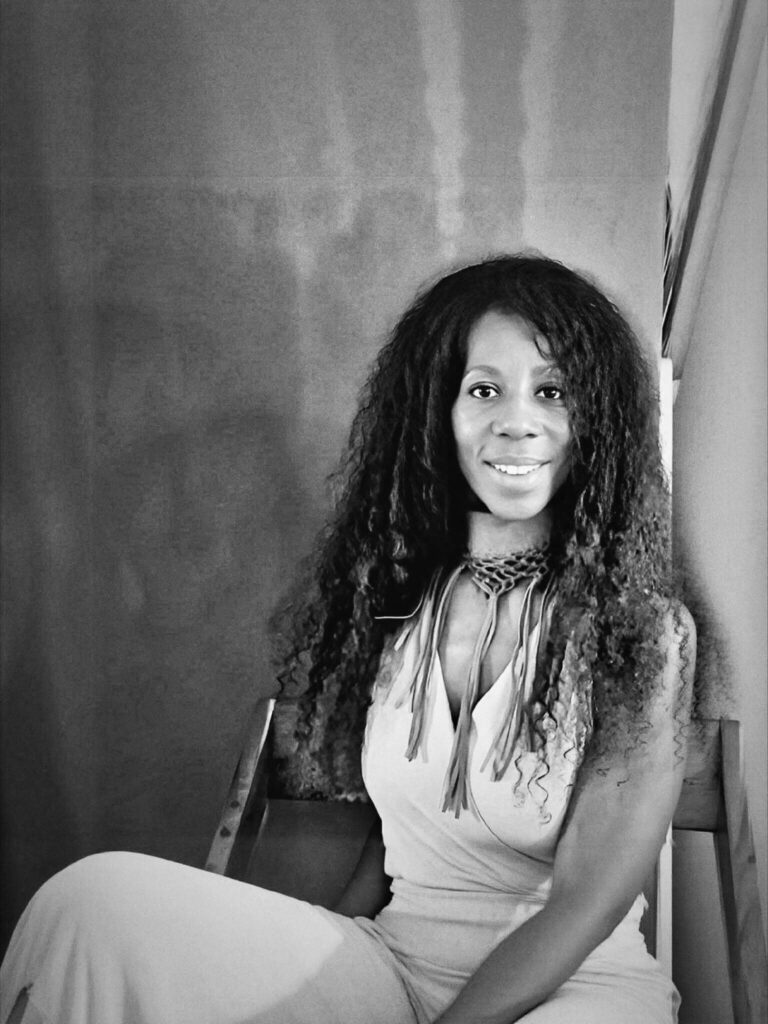
As part of the Morning Lazziness series highlighting empowering women who are making a remarkable impact with their ideas, I had the pleasure of interviewing Tayelor Kennedy.

Tayelor Kennedy is the founder of Tayelor Kennedy Wellness and creator of the Holistic 360™ Method, a signature approach that blends ancient wisdom with modern science to help women achieve radiant beauty, vibrant health, and deep alignment. With a background in Ayurvedic wellness, nutrition, and beauty, Tayelor empowers high-achieving women to transform from the inside out through her programs, products, and retreats.

In this interview, she delves into the challenges, successes, and wisdom she has gained from over a decade of transforming online businesses.

What was the defining moment that led you to create Kennedy Beauty and Wellness?

The defining moment came when I realized that so many women were chasing beauty as an external goal without addressing the internal foundation—mental well-being, nutrition, and self-connection. I wanted to create a space where beauty and wellness were not treated as separate industries, but as interconnected forces. That’s how Tayelor Kennedy Wellness was born—to help women embody confidence, radiance, and vitality from the inside out.

How did your personal wellness journey shape the development of your signature method, Holistic 360™?

My own journey was one of trial, error, and deep learning. I spent years exploring Ayurvedic practices, nutritional science, mindset work, and beauty rituals. Holistic 360™ emerged from blending these disciplines into a complete, 360-degree framework that addresses physical health, emotional balance, and self-image simultaneously. It’s the method I wish I had when I started my own transformation.

What core belief drives the mission behind your 21-Day Transformation program?

The belief that meaningful transformation doesn’t have to be overwhelming or time-consuming. In just three weeks, you can see and feel real changes when you have the right structure, tools, and guidance. My mission is to show women that small, consistent shifts—done with intention—can lead to life-changing results.

You blend ancient practices with modern science—how do you strike that balance in your offerings?

I see them as complementary, not competing. Ancient practices like Ayurveda or breathwork hold timeless wisdom about balance and healing. Modern science validates and refines these approaches, making them more accessible and measurable. I design programs that honor tradition while applying today’s best research for results that are both soulful and scientifically sound.

What does “beauty from the inside out” mean to you on a personal and professional level?

It means cultivating a deep sense of self-worth, emotional well-being, and physical vitality first, then letting that energy radiate outward. Professionally, it’s my guiding principle. I’m not just helping clients look better in the mirror; I’m helping them feel better in their bodies, which naturally reflects in their outer beauty.

As a founder in the wellness space, what’s one myth you wish more women would let go of?

The myth that self-care is selfish. True self-care—when done consciously—strengthens your ability to show up for your career, relationships, and community. It’s not indulgence; it’s a necessity for sustained success and well-being.

What are some daily rituals or practices you personally rely on to stay grounded and radiant?

I start my mornings with warm lemon water and coffee. I add Ayurvedic self-massage with herbal oils, mindful movement—whether yoga or a walk outside—and nourishing meals that support my dosha. At night, I disconnect from screens an hour before bed and use calming breathwork to signal my body it’s time to rest.

How do you define conscious self-care, and why is it essential for high-achieving women?

Conscious self-care is about intentional, aligned choices that replenish your energy and support your long-term goals. For high-achieving women, it’s the antidote to burnout. Without it, success becomes unsustainable and often comes at the expense of health and happiness.

What has been the most powerful transformation you’ve witnessed in a client’s journey?

One client came to me feeling completely disconnected from her body and self-esteem after a difficult life transition. Through the Holistic 360™ method, she not only regained her physical vitality but also rebuilt her confidence, launched a new business, and began showing up in her relationships with a joy she thought she’d lost forever.

How do you ensure your brand stays aligned with your values as it continues to grow?

I filter every decision through three core values: authenticity, empowerment, and holistic integrity. If a new opportunity doesn’t align with those, I say no, no matter how tempting it looks on paper. Staying values-driven keeps my brand consistent and my impact genuine.

What advice would you give to women who feel disconnected from their bodies and are seeking alignment?

Start with one simple daily practice that reconnects you, whether that’s a mindful walk, journaling, or a nourishing meal eaten without distraction. Don’t try to overhaul everything at once. Presence and awareness are the first steps to alignment, and from there, transformation becomes much more natural.

If you could spark a wellness movement worldwide, what would its core message be?

That true beauty and vitality are not things you chase—they are states you cultivate from within. My movement would encourage people to see wellness as a joyful, everyday practice rather than a future destination.

Where can our audience connect with you and learn more about your work or offerings?

You can connect with me at Tayelor Kennedy or on Instagram. I share wellness tips, beauty rituals, and insights on living a more radiant and aligned life.

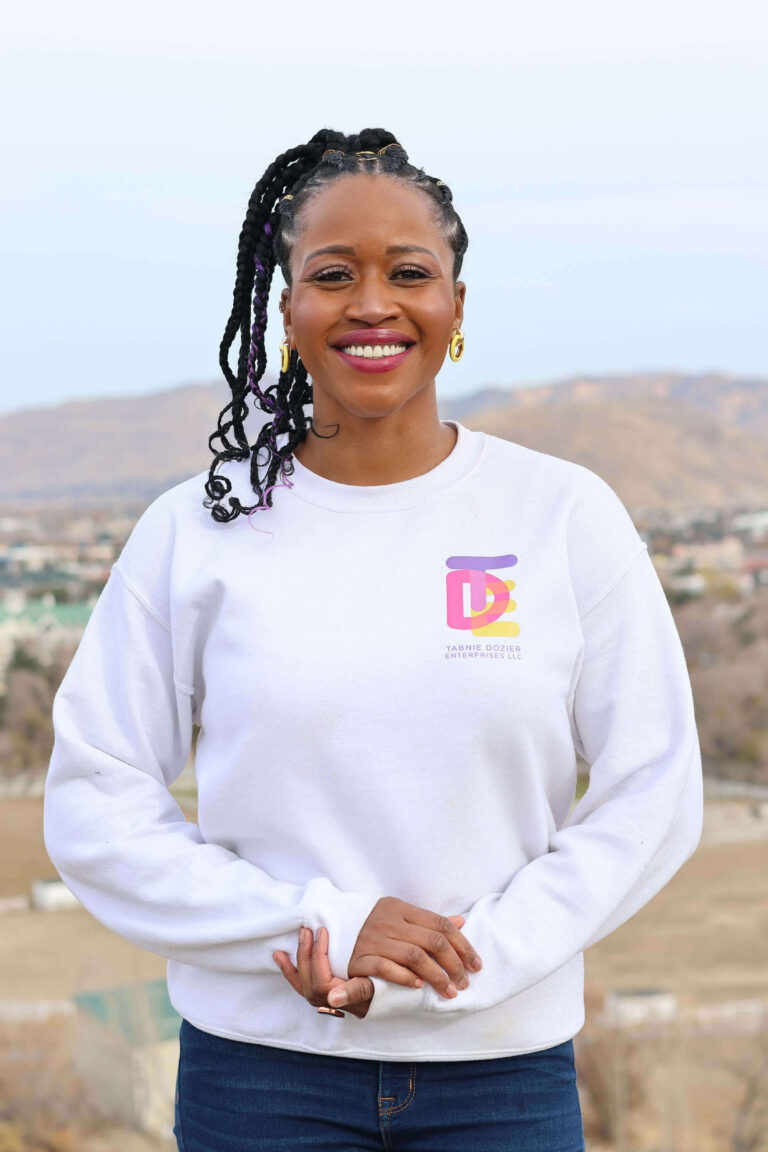
Empowering Stories: Tabnie Dozier on Advocacy, Storytelling, and Building Her Own Media Company

0

As part of the Morning Lazziness series highlighting empowering women who are making a remarkable impact with their ideas, I had the pleasure of interviewing Tabnie Dozier.

Tabnie Dozier is a dedicated Emmy-Award-winning journalist and supporter of women’s and minority equality. Storytelling is Tabnie’s passion, and being a proponent for marginalized and silenced voices is what led her to pursue a successful and dynamic career as a Local News Anchor. The eloquent chronicler, who is a Lexington, KY native, has pivoted away from heavy headlines and has propelled her producing, hosting, copywriting, exquisite writing, and leadership skills into a more positive realm of education and advocacy. She has launched her own media company, Tabnie Dozier Enterprises LLC, offering Media & Public Speaking Training, Visual and Written Storytelling Production, Crisis Communication, Marketing Consulting, and more. She’s a graduate of Western Kentucky University, a member of Delta Sigma Theta Sorority Incorporated, and served as a Founding Board Member for Dress for Success Reno-Northern Nevada. 

In this interview, she delves into the challenges, successes, and wisdom she has gained from over a decade of transforming online businesses.

What inspired you to start your own PR agency, and how did you get your first client?

I’m an accidental entrepreneur; this was never my dream. My background is a Local News Anchor. I’m an Emmy Award-winning Journalist. After a devastating loss of a loved one, Stavon Williams, in 2021, I received no bereavement or mental health support from the news agency I worked for. Even after enduring racial unrest, a global public health crisis and creating unique and historical content as the market’s only Black Main Anchor. 

It was clear I was just a number and not a human, so I pivoted and knew that no one would ever tell me how to grieve or who I could grieve, ever again. I now utilize my journalistic expertise in a multitude of positive realms, it is the freest and most impactful I have ever felt. Visual and Written Storytelling, Press Release Distribution, Red Carpet Hosting, Media Consulting and Public Speaking Training are a few avenues of my media company. What I recognized was viewers tuned in daily, not for the heavy headlines but for me, they felt a connection. My angel, Stavon who passed away, he always used to encourage me to own something of my own. I wasn’t listening to him on Earth, but I heard him loud and clear once he transitioned to the Divine. He’s my guiding force and it’s clear God was molding me during my TV career to be bolder, bigger and storytell on my own terms.

What unique challenges have you faced as a woman entrepreneur in the PR world, and how did you overcome them?

As a Black-woman owned company, traditionally agencies like ours receive less than 3 percent of federal and private funding initiatives. The biggest challenge we’ve faced since launching is securing capital. I can’t say that we’ve overcome this hurdle just yet. This country has a habit of trying to silence and reduce the excellence of Black women. My faith is my foundation. Being fearless in the pursuit of a life that gives me autonomy of my time, storytelling with no limits or commercials and bringing joy to client’s faces when they view the finished product are why we’re entering our third  year and have remained afloat the entire time. Tenacity, consistency, faith and being a company rooted in integrity are why our clients return and refer us!

How do you stay ahead of trends in an industry that’s constantly evolving with media and technology?

By doing what works for us and our clients. We can’t spend every moment jumping on the bandwagon of the latest app or trend. It’s incredibly overwhelming. That’s not to say we aren’t modern and don’t explore new outlets. But what works for one agency may not be the right fit for another. We assess and focus on our client’s needs first and pursue the best technology, work flow and results that match our style.

What’s your go-to strategy for building strong, lasting relationships with clients and the press?

I have the immense blessing of being a former News Anchor, and I’ve built connections all over the nation. The trust I’ve maintained amongst colleagues and also viewers around the U.S. means that people value and believe in me. That’s a privilege I know many PR professionals may not have. The pitch is key. Knowing the outlet, the community benefit, timeliness and respecting the craft of journalism are critical. Journalists are not commercial tellers, if you’re looking to promote your client and there’s no community benefit, then go to a sales department. If you’re a PR specialist that values meaningful storytelling, you’ll have much better success curating relationships in the earned media spaces with print, radio and news journalists.

Can you share a campaign or media moment you’re especially proud of—and why it stands out?

TDE has the immense honor of being the leading media agency for the inaugural Northern Nevada Black Business Month celebration in August 2023. This stands out to me because my agency was barely a year old, we curated press conferences, news releases, meaningful storytelling, and elevated awareness for Black owned businesses in our area. Northern Nevada holds less than a 5% Black population, the response from the community was spectacular. To lead a press conference where the news agency I used to work for, showed up and covered the event, was surreal. It gave me the boost to know that I wasn’t solely successful due to giant corporation call letters behind my name. My validity, expertise and media excellence can shine brighter under my own brand with less restrictions and more storytelling freedoms!

Which platforms or tactics have been most effective for growing your own brand visibility?

Instagram and Facebook are our strongest platforms of followers and engagements. Consistency is the tactic that works best. We always post 2-4 reels or pictures a week, while simultaneously reporting and engaging with our clients, sharing inspirational content in our stories. The reels could be company promos, client spotlights, or meaningful storytelling that we produce. The best posts for us are the ones that feature our team in action, working events, hosting, consulting and leading public speaking training sessions.

What role has mentorship played in your journey, and how do you pay it forward to others in the industry?

Mentorship means so much to me. It’s my mission to give love to my teenage and young adult selves. I wish I had a Tabnie when I was entering high school and navigating academics, sports and part-time work and volunteer opportunities. I wish I had a Tabnie in college to help me with money management, mental health, and exploring my career fields. It is my absolute pleasure to uplift the generations after me. During the spring semesters of 2024 and 2025, Tabnie Dozier Enterprises signed up as an employer partner for the University of Nevada Reno’s Pack Internship Grant Program. Both of our paid interns graduated in May 2025 from the university with degrees in Journalism. 

We led them through 120 hours each of real world video editing, television and digital script writing, on camera mechanics and other foundational journalism skills that will serve them in their careers. These are meaningful methods to pay it forward to others who have desires to enter the industries of public relations, communications, journalism, and video production.

How do you handle high-pressure situations or crises, whether for a client or your own business?

Crisis communication is one of our avenues of service. We are calm, factual, and strategic when it comes to producing an official statement, emergency press release or consulting for behind-the-scenes issues. High-pressure situations are eaten for breakfast by my team because the majority of us are professional journalists, we’ve garnered decades of experience in breaking news, severe weather, high-profile court cases and deaths, political corruption and more. Our clients trust our professionalism and know that we will never steer them into the dark. 

When it comes to my agency, I release the same calmness I’ve leaned on during my years as a TV News Anchor. I breathe, assess and consult my team instead of making rash decisions based on my emotions. I’m grateful for my media training that taught me to ‘never let ‘em see you sweat,’ it’s been a tremendous force in keeping my agency afloat.

What’s one piece of advice you’d give to women entering the PR or communications industry today?

A dedicated piece of advice I’d share with women desiring to enter the PR or comms industry would be to not come into these spaces for glitz and glamour. Companies are trusting you with their image, reputation and inner workings. If this is a self -serving desire of yours to be on camera, receive tons of social media likes and follows, then the entertainment industry might be the way to go. This is a path for storytellers, changemakers and truth-tellers. Women who want to elevate voices that aren’t often heard, who want to amplify the excellence of a brand, product or mission. You may have to respond to a crisis outside of business hours, or work events on weekends, these are variables to consider before entering this field.

What are the 5 things you believe are essential to overcome self-doubt and build confidence in this field?

In order to overcome self-doubt and build confidence in this field, you must; have a strong knack for research and fact-checking. Public relations specialists don’t follow rumors, they focus on facts. If you don’t have the space to ask where a source came from or search it on your own, this will be a hard field to find success. Prepare and practice. Whether you’re a spokeswoman going on camera for a brand or prepping your client with talking points, practice, practice, practice! Practice your pitch, your answers, your client’s responses, and make sure the responses are concise and on point. Love yourself. If you’re a woman who deals with insecurities and is harshly critical, this field may eat you up. You must have thick skin. In the PR space, your writing is critiqued, video editing, strategizing, on camera appearance, knowledge, are all brought into the light for your clients and the public to criticize. Make sure you’re extra kind to yourself and arm yourself with affirmations and the security that you are capable and chosen for this moment!

A strong support system is also key. That could be former or current colleagues, mentors, following the accounts of people you look up to and those in your field, childhood and adulthood friendships, healthy eating, exercise, trust me! You need other non-judgemental and caring women in your corner, life is more enjoyable that way. Finally, find a positive outlet. Is it walking? Pilates? Painting? Volunteering? Journaling? Vlogging? Singing? Find something that makes you smile, those spaces help keep you lifted and can greatly contribute to an improved mental wellness state.

Ok, we are nearly done. You are a person of great influence. If you could inspire a movement that would bring the most amount of good for the greatest number of people, what would that be? You never know what your idea can trigger.

I’d love to inspire a movement that creates a general fund for creatives, entrepreneurs and the like. Being brave enough to pursue your passions instead of working a bland 9-5 in the name of capitalism is so admirable. I left my childhood dream of being a TV anchor because it no longer served my mental health and was leading to a reduced quality of life. I wish I had a supportive service that offered to help pay for my agency’s business license, or cover a month’s worth of rent or groceries when I was struggling to secure deals. I know there are hundreds of grants out there, but very few are geared toward Black entrepreneurs and sometimes those application processes come with fees. I’d love to see an emergency fund for women creatives to let them know their ideas matter, they are important and that life is so much more than paying bills and clocking in. 

How can our readers further follow your work online?

You can follow my media company on Instagram, TikTok, and Facebook.

Aimée Carr on Creating VOODOO MAKEUP & Redefining “Clean Beauty”

0

As part of the Morning Lazziness series highlighting empowering women who are making a remarkable impact with their ideas, I had the pleasure of interviewing Aimée Carr.

Aimée Carr is the creator and founder of all-natural VOODOO MAKEUP, the industry’s first paleo cosmetic collection featuring award-winning, high-performing products that are vegan, cruelty-free, and formulated without mycotoxins or major allergens. Carr is an expert Medical Esthetician and Celebrity Make Up Artist whose holistic approach to beauty has earned her a stalwart reputation among fashion designers, models, national beauty pageants, and more. After ongoing skin and health problems prompted her to craft the initial VOODOO products at home in her own New Orleans kitchen, a fiercely loyal fan base has developed around an expanding line of top-quality beauty essentials that take “clean” to a whole new level.

In this interview, she delves into the challenges, successes, and wisdom she has gained from over a decade of transforming online businesses.

What inspired you to start your business, and what problem were you passionate about solving?

Voodoo Makeup was born from a desire to create truly clean beauty without compromising performance. After years in the beauty industry, I saw how “clean” often meant sacrificing pigment, wear, or quality — and how so many products still contained allergens or harmful ingredients. Out of not a need but necessity, after living in a house with Black Mold for three years, my health depleted, and I needed to solve that by creating cosmetics that are high-performing, rich in color, safe for sensitive skin, and free of toxins and allergens.

How has your business evolved since its launch, and what key decisions helped drive that growth?

We started with a custom blend bar in the heart of New Orleans’ French Quarter and a small collection of clean makeup products. Since then, we’ve expanded to a full line of lip, face, and eye products with buildable pigments, skincare benefits, and transparent ingredient lists. A key growth driver was committing to ingredient transparency and leaning into our New Orleans roots to build a strong, authentic brand story.

What makes your brand or offering stand out in a crowded market?

There’s clean beauty — and then there’s Voodoo Clean. Our products are free of mycotoxins, allergens, and harmful chemicals, all while delivering bold pigments and luxurious textures. We merge beauty with skincare, making each product as nourishing as it is beautiful, and infuse our brand with the vibrant, soulful energy of New Orleans.

What has been your most effective marketing strategy to date, and why do you think it worked so well?

Storytelling. Sharing the “why” behind Voodoo Makeup — from the founder’s personal journey to the inspiration behind each shade name — has created deep connections with our customers. People aren’t just buying makeup; they’re buying into a story and a set of values they believe in.

How do you stay connected to your ideal audience and understand their needs or behaviors?

We listen online and in person. Social media engagement, customer reviews, and conversations at events help us understand what our customers love, what they need, and where we can improve. We also test new ideas directly with our community before launching them widely.

What’s one branding move or campaign that helped elevate your business to the next level?

Reframing our messaging to highlight the Voodoo Makeup Clean Promise — emphasizing safety, performance, and transparency — shifted the way people saw us. It turned “clean beauty” from a nice-to-have into a must-have for our audience.

What does success look like for you, not just in numbers, but in purpose or impact?

Success is knowing we’ve created products people trust on their skin every day. It’s hearing from customers who say they can finally wear makeup without irritation, or who feel confident knowing exactly what’s in their products.

Can you share a challenge or setback that ultimately became a turning point for your brand?

In our early days, we faced skepticism that truly clean makeup could perform like traditional cosmetics. Instead of lowering our standards, we doubled down on product innovation — refining formulas until they delivered the rich pigment and long wear our customers expect. That commitment turned critics into loyal fans.

What daily habits or rituals keep you focused, creative, and grounded as a leader?

I start each day reviewing our customer feedback and creative projects. Staying close to the customer experience and allowing time for creative exploration — whether testing shades or brainstorming campaigns — keeps me inspired and focused on our mission.

How do you approach innovation and risk in your business strategy?

We take calculated risks that align with our values. Every new product or campaign is tested to ensure it meets our clean standards and resonates with our community. We see innovation as essential, but never at the cost of our integrity.

What advice would you give to someone starting a business in today’s fast-changing digital world?

Be authentic and consistent. Trends will come and go, but if your brand story, values, and quality remain strong, you’ll build loyalty that lasts. Also, invest in digital storytelling — it’s your bridge to the world.

Where can our audience connect with you and learn more about your work or offerings?

Visit us at Voodoo Makeup and follow us on Instagram, Facebook, and LinkedIn for product launches, behind-the-scenes content, and tips on clean, high-performance beauty

Kristin Marquet on PR Mastery, FemFounder® & Empowering Women Entrepreneurs

0

As part of the Morning Lazziness series highlighting empowering women who are making a remarkable impact with their ideas, I had the pleasure of interviewing Kristin Marquet.

Kristin Marquet is an experienced publicist, entrepreneur, and creative director with over 17 years in public relations, branding, and digital marketing. She founded Marquet Media (now Curated Perception) in 2009, a PR and branding firm specializing in helping businesses, particularly female entrepreneurs, grow and gain visibility through innovative, data-driven strategies. In 2017, she launched FemFounder.co, an online platform dedicated to empowering women in business by providing resources, community, and inspiration. Kristin holds academic credentials from Boston University, New York University, and MIT, and is a member of the Young Entrepreneur Council and the Fast Company Executive Board. Her work has been featured in major outlets, including Forbes, Inc., Fortune, and The Wall Street Journal.

In this interview, she delves into the challenges, successes, and wisdom she has gained from over a decade of transforming online businesses.

What inspired you to launch FemFounder® and (formerly Marquet Media, Curated Perception™)? Was there a pivotal moment that pushed you into entrepreneurship?

I’d spent years helping women founders get press through my agency, but I noticed the same questions—and the same hurdles—kept coming up. My “aha” arrived at a roundtable I hosted: watching ten female CEOs lean in as we co-created PR templates convinced me there was demand for a scaled, community-driven platform. FemFounder was born as a sisterhood of shared resources; Curated Perception followed to bring our proprietary visibility frameworks into the enterprise space, but it was Marquet Media before we changed the name to fit our updated brand identity and positioning.

You’ve helped land 9,000+ media placements and grown a massive online following—what’s been your most effective visibility strategy?

Turning high-value, downloadable assets into “link magnets” has been my secret weapon. By packaging proprietary frameworks (like PRISM Ascend™ summaries) into evergreen guides that anyone can embed—with a live snippet and credit back to me—I’ve earned thousands of backlinks, driven millions of page views, and fueled viral social snippets without paid ads.

Tell us more about the PRISM Ascend™ framework—what makes it unique and impactful for female founders?

PRISM Ascend™ is built around five pillars—Positioning, Research, Influence, Story, Measurement—each customized for the female founder journey. Unlike generic PR roadmaps, it zeroes in on the visibility gaps women face (from funding narratives to personal brand equity) and stitches in tactical playbooks—email pitches, byline templates, media list puzzles—that solve real-world obstacles in bite-sized sprints.

How do you balance being a mother, running multiple businesses, and studying at Harvard? What systems or habits keep you grounded?

My days revolve around micro-rituals: a 10-minute walking brainstorm every morning, quarterly micro-retreats to reset, and a locked-in “no-screen” hour each evening with my toddler. I batch my deep work into 90-minute sprints, delegate ruthlessly to my “Empowerment Pods,” and use a shared Miro board to keep track of family, Harvard deadlines, and business milestones — all in view, so nothing slips through the cracks. Some days the workload seems impossible, but I just push through. 

What branding mistake do you see entrepreneurs make most often—and how can they fix it?

They chase the “obvious” aesthetic trend instead of a clear promise. Instead, start with a one-sentence Brand Promise (“We help X do Y by Z”) and build each visual and word around that North Star. When messaging aligns before design, every color choice and icon simply amplifies your story rather than competing with it.

As someone who’s shaped countless personal brands, how did you approach building your own?

I treated my own launch as a case study: rapid-fire testing of headlines on Instagram Posts, mini surveys on Instagram Stories, and iterative optimization of my “Celebritypreneur” positioning. I leaned into third-party validation—logos of awards, media mentions, and other accolades—and incorporated them into every bio element, allowing my credibility to do the heavy lifting.

In today’s crowded digital landscape, what does it truly take to stand out as a thought leader?

You need a unique edge plus a consistent amplification plan. Originate a proprietary methodology (like PRISM Ascend™), then lock it into a multi-channel cadence: weekly micro-videos, monthly podcasts, quarterly webinars, and a yearly summit. That orchestrated frequency embeds your concepts into the conversation, so you become the go-to reference.

How has the PR industry evolved since you started, and how do you stay ahead of trends?

PR has gone from reactive press releases to real-time engagement. Reporters break news on social before wires exist, so I monitor emerging storylines via AI tools and train my team in social listening sprints. Staying ahead means continuous learning—my Harvard coursework, weekly industry roundtables, and a living “Trend Dashboard” that ties emerging platforms to client strategies.

What’s one media placement or project you’re especially proud of—and why?

Landing the cover story in Forbes last year still thrills me: it wasn’t just a byline, but a deep dive on AI’s role in PR—my first major piece marrying my tech advocacy with PR tactics. That cover generated a 40% spike in inbound speaking inquiries and validated my vision of blending organizational behavior with AI.

What advice would you give to women who want to get press but feel intimidated by pitching themselves?

Start by pitching a friend. Draft a mock email to a trusted peer, outlining your hook, why it matters, and a suggested angle, then iterate until it feels confident. Once you can sell the idea to someone who already loves you, sending it to a reporter feels like a natural next step.

How do you define success today, and how has that definition changed since you began?

I used to measure success by media counts and follower numbers; now it’s about catalytic impact—how many founders launch their first PR campaign because of my frameworks, or how many women say a single “aha” from my content changed their trajectory. Impact over impressions.

What legacy do you hope to leave for women in media, business, and beyond?

I want to normalize women owning their visibility systems—building generational frameworks that can be licensed, taught, and scaled so that no founder feels they must wing their PR or brand storytelling alone.

Where can our audience connect with you and learn more about your work or offerings?

They can find me on Instagram, join the FemFounder newsletter at FemFounder, tune into the FemFounder podcast, or explore our frameworks at Marquet.company. I am always grateful to connect with fellow entrepreneurs!