Home Blog Page 32

Heather Holmes on Purpose-Driven PR, Media Wins & Building Confidence as a Woman Entrepreneur

0

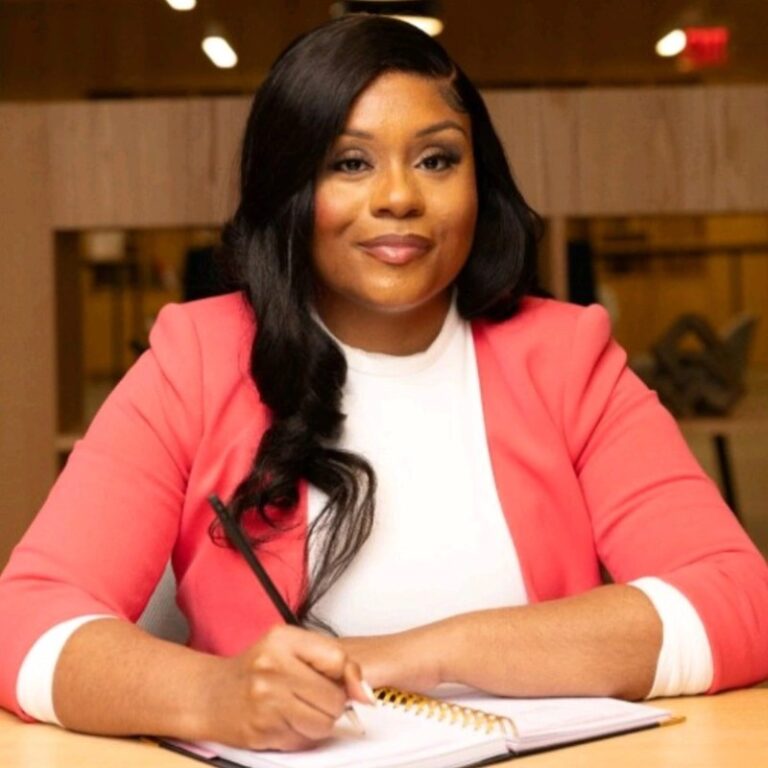
As part of the Morning Lazziness series highlighting empowering women who are making a remarkable impact with their ideas, I had the pleasure of interviewing Heather Holmes.

Heather Holmes is CEO of Publicity For Good, a PR agency for purpose-driven CPG brands. She blends data, storytelling, and mission-first strategy to help clients earn media, stand out, and lead in food, wellness, and lifestyle spaces.

In this candid conversation, Heather shares her journey, insights, and the strategies that have helped her build a results-driven business and empower other entrepreneurs to do the same.

What inspired you to start your own PR agency, and how did you get your first client?

I started Publicity For Good because I saw a gap no one was filling: mission-driven brands were doing meaningful work but lacked the media presence to match it. I wanted to bridge that disconnect with strategy, speed, and substance. My first client came through a results-only offer. I landed two national TV segments in days. That early win wasn’t just validation, it became the blueprint: deliver fast, deliver big, and build trust through performance.

What unique challenges have you faced as a woman entrepreneur in the PR world, and how did you overcome them?

In the early days, the biggest challenge wasn’t access, it was being underestimated. I didn’t have the traditional network, the big-city office, or a long client list. What I did have was clarity, work ethic, and a zero-excuse mindset. I built credibility one media placement at a time. Being a woman in PR meant I had to lead louder through execution and results, until the industry stopped questioning and started paying attention.

How do you stay ahead of trends in an industry that’s constantly evolving with media and technology?

We don’t just follow trends: we track them, test them, and translate them into impact for clients. My team runs on speed, relevance, and data. We’re constantly refining our media intelligence, testing AI-driven workflows, and adapting to how journalists actually work today. But it’s not just about tools, it’s about understanding culture. Knowing when to lean in, when to pivot, and when to double down on what works.

What’s your go-to strategy for building strong, lasting relationships with clients and the press?

Serve first, pitch second. Whether it’s a client or a journalist, we lead with value. I train my team to listen better than they speak and to always show up with relevance, not noise. Relationships in this space are built on trust, timing, and results, so we prioritize clarity, follow-through, and never overpromise. That’s how you earn the callback and the long-term partnership.

Can you share a campaign or media moment you’re especially proud of—and why it stands out?

We ran a campaign that landed 200+ earned media placements in less than three months for a challenger CPG brand. But what made it powerful wasn’t the number: it was the intentionality. We aligned messaging, found the right media hooks, and moved with precision. It became a case study for how purpose, press, and performance can scale when strategy leads and storytelling connects.

Which platforms or tactics have been most effective for growing your own brand visibility?

LinkedIn has been key for B2B credibility, especially when leading an agency. I also leverage podcasts to facilitate longer conversations about purpose-driven leadership. Qwoted is great for connecting directly with journalists. But the most effective tactic has been walking our own talk, we apply the same visibility strategy to ourselves that we use for clients, and that authenticity scales.

What role has mentorship played in your journey, and how do you pay it forward to others in the industry?

Mentorship has been a cornerstone of my leadership growth. I’ve been fortunate to learn from individuals who challenged me to think bigger and execute smarter. Today, I pay it forward by mentoring team members inside the agency and guiding early-stage founders through Signal Raptor, our low-cost PR platform. As a mom of three, I’m deeply invested in showing the next generation, especially young women, that purpose and performance can coexist at the highest level. Building a business while building a family gives mentorship a whole new layer of meaning.

How do you handle high-pressure situations or crises, whether for a client or your own business?

Crisis management starts with clarity. I believe in moving fast, communicating transparently, and always anticipating the next three steps. We train regularly for high-stakes scenarios so that our responses feel instinctive rather than reactive. Personally, having children has taught me how to stay grounded and make decisions under pressure without emotion taking over. Whether it’s a client recall or a reputational challenge, I focus on facts, timelines, and the path forward, never on panic.

What’s one piece of advice you’d give to women entering the PR or communications industry today?

Own your seat at the table, don’t wait to be invited. The PR industry is built on relationships, agility, and storytelling. If you can master those three, your potential is limitless. Don’t underestimate the value of consistency and follow-through. And never let a lack of experience silence your ideas. This field rewards clarity and confidence more than perfection.

Is there a quote, mantra, or philosophy that guides your decision-making and leadership as a beauty entrepreneur?

“I’m building a business my kids will be proud of and the world won’t ignore.” That line keeps me grounded. Every decision, every campaign, every hire – I filter it through that lens. It reminds me that legacy isn’t just what we build, but how we build it. Leading a purpose-driven agency means balancing ambition with intention, and always staying aligned with the bigger picture.

Here is our signature question: “What Are The 5 Things You Need To Overcome Self-Doubt and Build Confidence?” 

  • Clear wins: Track your results. Confidence grows when you can measure your impact.
  • Mentorship: Learn from people who’ve been where you want to go.
  • Repetition: The more you pitch, lead, and speak, the stronger your voice gets.
  • Preparation: Walk into every meeting overprepared. It turns anxiety into authority.
  • Purpose: When your work aligns with your values, doubt fades. For me, showing my kids that I lead with purpose fuels everything.

Ok, we are nearly done. You are a person of great influence. If you could inspire a movement that would bring the most amount of good for the greatest number of people, what would that be? You never know what your idea can trigger.

I’d amplify mission-driven entrepreneurship at scale. Imagine a global network where purpose-led founders get access to the media exposure, resources, and mentorship they need to compete with legacy corporations. Empowering those voices, many of them women and parents, could shift industries and impact culture in ways we haven’t seen yet.

How can our readers further follow your work online?

You can follow me on Instagram and @PublicityForGood on Instagram, or visit Publicity For Good for our latest insights, client wins, and media opportunities.
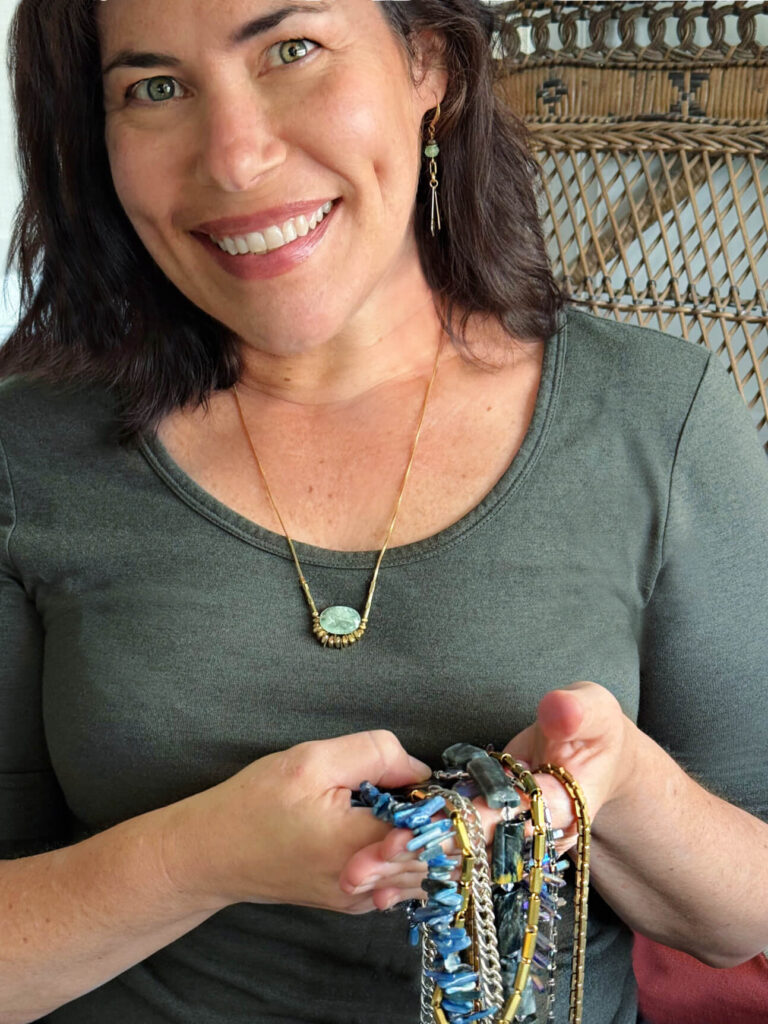
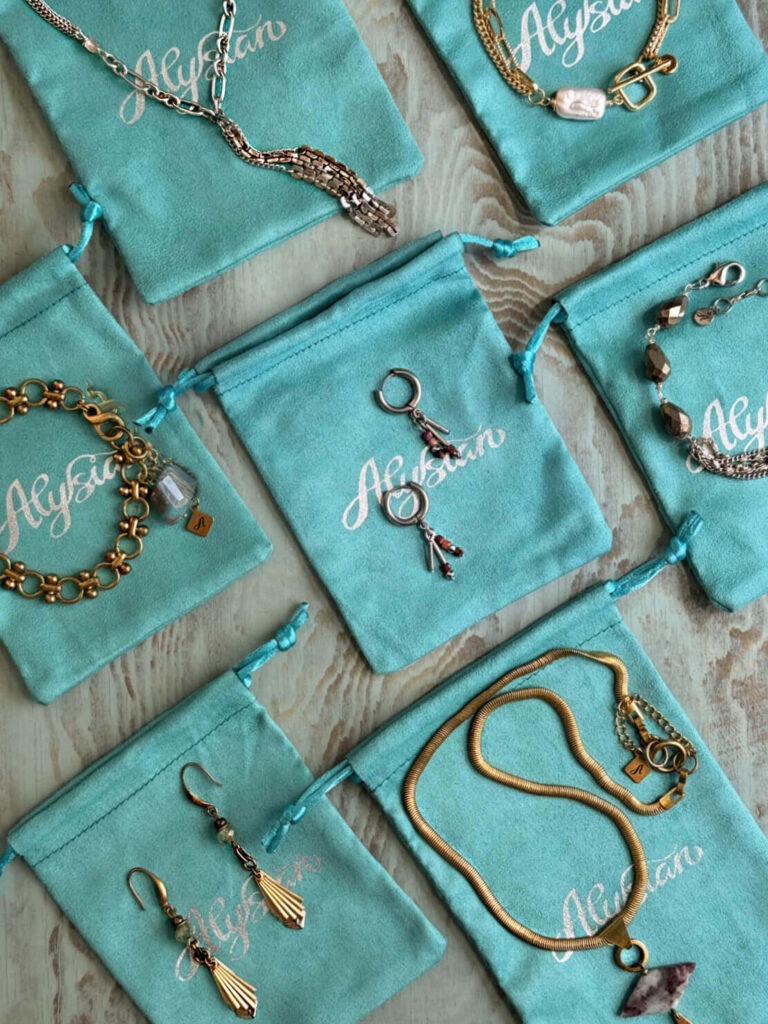
Jennifer Walters Anstendig on Alysian, Sustainability, and Redefining Personal Style in Jewelry

0

As part of the Morning Lazziness series highlighting empowering women who are making a remarkable impact with their ideas, I had the pleasure of interviewing Jennifer Walters Anstendig.

Jennifer Walters Anstendig is the founder and designer behind Alysian — an indie jewelry and accessories brand built on the belief that personal style should never feel generic, out of reach, or like it belongs to someone else.

A former women’s magazine editor and private label designer, Jennifer’s career has spanned mass-market fashion and editorial worlds — both of which she eventually left behind in search of something more intentional, more personal, and more authentic. Alysian was born out of that creative rebellion: a handcrafted jewelry and small accessories line that celebrates individuality, self-expression, and the beauty and meaning of natural gemstones, all while embracing sustainability in ways both obvious and subtle — like her use of vintage deadstock elements and saved supply remnants that find new life in future designs.

Today, Jennifer designs go-to, wear-with-everything pieces made to quiet the overthinking and underscore personal expression. Alysian’s gemstone-forward jewelry and accessories offer a thoughtful alternative to mass-market sameness through original silhouettes, elevated details, and a refined edge. Whether it’s a bold pair of earrings or a semi-precious key ring, Alysian empowers women to feel stylish, grounded, and confident, without trying too hard.

In this interview, she delves into the challenges, successes, and wisdom she has gained from more than 15 years of designing jewelry, including over a decade creating pieces for major fashion brands, before founding Alysian.

What inspired your journey into the fashion industry, and why did you choose to focus on sustainability?

I’ve always been artistic and interested in fashion and pop culture. I was a magazine fiend growing up in the ‘80s and ‘90s. I started my career in magazine publishing, but I was always more creatively aligned with the photographers, makeup artists, and art directors. After 9/11 and while my mom was going through breast cancer treatment, I turned to hands-on creative projects to help me cope. I began making jewelry — just beading at first, teaching myself, and giving pieces to friends. 

Eventually, I went back to school at Fashion Institute of Technology (FIT) of New York to pursue a degree in jewelry design. I actually began working, while still a student, as a private label designer for a variety of large brands and stayed in private label (at a few different companies) for years. Seeing my designs in stores and magazines was always thrilling, but what happened behind the scenes in each of those environments felt off. Beautiful samples and components were thrown out because they broke or weren’t quite right. Loose stones and metal elements would fall to the floor and literally get swept up and tossed out by cleaning crews. So many inspired designs were reduced to junky, mass-produced pieces. This was disheartening and disturbing — and those feelings stayed with me. When I started my own line, I knew that sustainability had to be a priority and that my process would be more personal and thoughtful.

How do you define sustainability in the context of fashion, and how does your brand reflect that vision?

To me, sustainability means designing jewelry creatively and conscientiously. I want Alysian customers to love and keep their pieces for years, not just for a season. It means only utilizing materials as needed and avoiding overproduction. It requires mindful sourcing, utilizing existing vintage components, rejecting synthetic materials and intentionally limiting waste in my packaging supplies. I am continually assessing my business, knowing I can always improve as I seek to make responsible choices across our supply chain to minimize our social and environmental impact. Sustainability, for Alysian, is about intentionality.

What were some of the biggest challenges you faced while building a sustainable fashion business?

COVID disrupted everything. My trusted wholesale suppliers in NYC closed down, forcing me to reinvent my supply chain overnight. Finding new sources for vintage materials and traceable gemstones became a critical but challenging priority. Transparency isn’t always easy, and while complete traceability can sometimes be elusive, I’m committed to ethical sourcing and transparency as much as possible.

How do you balance style, affordability, and sustainability in your product offerings?

I keep Alysian’s pieces stylish, sustainable, and accessible by designing and producing everything in-house and making most pieces to order. This way I’m not overproducing or stockpiling inventory that may never sell. I also use every leftover chain snippet, stone, or metal part to create one-of-a-kind pieces. I love a good design challenge, and some of my favorite designs have come from working with excess raw materials to create something really unique. I am increasingly incorporating more unused vintage materials from jewelry manufacturers (known as “deadstock”) that would have otherwise gone into a landfill. These components truly enhance the originality of each design while reducing waste. Nothing is mass-produced. It’s all about working creatively within limitations — and never over-producing anything just for the sake of scale.

How do your production choices reflect your values around ethical and responsible design?

My production process is intentionally small and hands-on. I design and assemble each design myself, so I know exactly what’s going into each piece. I try to source materials domestically whenever possible to be better informed of their origin and to reduce the carbon footprint of international shipping. I also make a point to thoroughly use the materials I purchase and I incorporate vintage deadstock whenever I can, which reduces demand for newly mined or manufactured materials and keeps perfectly good supplies out of the landfill. Alysian will soon be introducing a new product of wood trinket trays with gemstones. I prioritized sourcing sustainable wood in the development phase. They are made from Acacia, a highly renewable wood. 

How do you educate your customers on the value and impact of sustainable fashion?

I don’t lead heavily with education, but I do try to communicate our philosophy and efforts along the way. For instance, I do explain what deadstock materials are on my website and make reference to them on social media when describing a specific piece or collection. I’ll highlight and explain our sustainability practices on the site and in our newsletters. Alysian customers tend to be curious and thoughtful, so they notice and appreciate the details, like our sustainable packaging. 

What’s one misconception about sustainable fashion that you often come across?

Jennifer Walters Anstendig

People may assume that sustainable jewelry has to mean a macramé bracelet of hemp​ ​and petrified wood. It doesn’t. I design pieces that are edgy, polished, and personal, and I do it while selecting materials responsibly and limiting waste. You can care about the planet and still love a good statement earring!

In what ways has consumer behavior changed in recent years around ethical fashion, and how has that impacted your brand?

I’ve definitely seen a shift. People are more aware of the environmental impact of their shopping habits and are growing tired of “fast fashion” …both for its wasteful impact on our planet but also when it comes to all the generic sameness that comes with so many brands chasing and interpreting the same trends (which is what I saw so much of in private label.) My customers value pieces that are made with intention and designs that are more unique and reflect their individuality. They love that we incorporate vintage deadstock materials, but they also love knowing their jewelry is made in limited quantities and is distinctive — something they won’t come across at the mall or fast fashion site.

How do you stay innovative while staying true to your sustainable mission?

I actually think limitations drive creativity. Designing from leftover parts and existing deadstock materials forces me to think differently and often leads to some of my most original pieces. That said, I’ve had to rein in my ‘shiny object syndrome’ when sourcing. It’s easy to get excited by every beautiful stone or component. I’ve learned to make more mindful investments and am currently working on consolidating and modifying how I present my collections. I tend to have a million ideas and have to stop myself from overdesigning. I am currently scaling down my current product assortment. I will be curating a permanent core collection called “Always Alysian” and will have small limited-release capsule collections at specific times throughout the year. Offering tighter collections and introducing newness at a more intentional pace should help me stay aligned with my values without losing creative momentum.

What role does community or collaboration play in your business model?

Community is actually where Alysian began. At a career crossroads, burned out and unsure of my next move, I was invited by a local entrepreneur to join a hyper-local designer collective that blended e-commerce, in-person pop-ups, and a co-op retail space. It was low-risk but also terrifying — I had no big brand name to hide behind. I created the Alysian name and launched my very first branded collection, all one-of-a-kind pieces, in just a few weeks.

Being surrounded by other makers, artists, and mission-based retailers pushed me creatively and sharpened my focus. One of the anchor businesses was Good Bottle Refill Shop, NJ’s first refill shop (still thriving in that location), which inspired another refill shop to join the space. Sadie’s, an ethical clothing boutique, also had a presence there. Vintage pop-ups were regular. That environment helped me realize that sustainability wasn’t just a nice-to-have — it had to be part of my brand’s DNA. While that space eventually shifted and I now sell exclusively through my own website, that early collaborative energy had a lasting impact on my brand values.

What’s your vision for the future of fashion, especially for women-led sustainable brands?

Fast fashion is inherently anti-feminist — it exploits labor, violates human rights, and is so destructive for the planet. But women-led eco-entrepreneurship is disrupting that model in powerful ways. I hope we continue to see more support for small-batch design, local manufacturing, and brands that are focused on thoughtful, intentional production.

It’s important for both brands and consumers to know that there are so many different avenues to becoming more sustainable and everyone can start somewhere. Also, while many people may say they care about sustainability — and they genuinely do at their core — the number of people who can afford to pay more for sustainably made products is still small, especially in today’s economy. Accessibility matters. If we want real change, we need more sustainable fashion options that are within reach for more people.

What advice would you offer to aspiring female founders seeking to enter the sustainable fashion industry?

There’s no set handbook for how to build a sustainable brand. The first thing I’d say is: narrow your product offering. What are you actually designing? What will you be known for? Once you’ve clarified that, then you can get clear on the specific challenges you’ll need to solve to make that offering more responsible and sustainable. Narrowing your focus makes it easier to make thoughtful, intentional design decisions.

People buy fashion to express themselves and to feel confident, cool, and seen. Sustainability is important, but emotional connection is what creates lasting brand loyalty. Through that connection, you can reinforce your values and help inform and inspire your customers to care about the impact of their purchases. Build a brand that reflects what matters to you — your people will find you. You can explore the full collection at Alysian.

Empowering Stories in PR: How Tenyse Williams is Redefining Digital Marketing & Brand Visibility

0

As part of the Morning Lazziness series highlighting empowering women who are making a remarkable impact with their ideas, I had the pleasure of interviewing Tenyse Williams.

Tenyse Williams is a nationally recognized digital marketing visionary and the Founder & CEO of Verified Consulting, a Certified Minority and Women-Owned Business Enterprise by the City of New York. She is renowned for her expertise in social media, influencer relations, and brand building, delivering measurable results for companies, nonprofits, and celebrity personalities across industries.

With a client roster that includes Samsung Live Events, Google NYC, The Nelson Mandela Foundation, BET Awards, The Museum of Food and Drink (MOFAD), and Farmacares, Tenyse has built a reputation for creating strategic awareness campaigns, high-impact partnerships, and initiatives that elevate profiles and drive growth.

An Adjunct Instructor in Digital Marketing at Columbia University, George Washington University, and the University of Central Florida, she is also a sought-after event producer and moderator, having led sold-out panels for Samsung, FSR Magazine, and MOFAD. As a restaurant journalist, she authors a bi-monthly Q&A series for FSR Magazine, spotlighting Black-owned restaurants nationwide.

Her expertise has been featured in leading outlets including Forbes, Business Insider, TIME, American Express, and TODAY.com, making her an influential voice shaping the future of marketing and brand storytelling.

In this interview, she delves into the challenges, successes, and wisdom she has gained from over a decade of transforming online businesses.

Why did you want to start your own PR agency, and how did you land your first client?

It was created from a desire to share those stories that typically didn’t get shared. I saw the brilliance in small business and community leaders who were not getting their voices heard—and I wanted things to change. I saw the power of storytelling and how PR could leverage visibility into opportunity.

My first paying client was the CEO of one of the largest Black-owned airlines in the Bahamas. That was through a referral after doing several media outlets, including NY1, Inside Edition, and an online outlet where I booked talent like Keke Palmer. That first client launched me into starting my own boutique agency, Verified Consulting, in addition to instructing digital marketing and public relations at Columbia University, George Washington University, and UCF.

What are some of the unique challenges you’ve faced as a woman entrepreneur in the PR field, and how did you overcome them?

While they are so many women in the PR industry ( which is amazing!) , breeching the gatekeepers as a Black woman agency founder and not working for a fortune 500 agency has been a  journey. The majority of big, high-profile campaigns are funneled to larger agencies with greater infrastructural backing, and budgets. I bypassed that by making my work screams louder than any résumé—I focused on providing results-driven work and building long-term relationships. Word-of-mouth, consistent wins, and strategic partnerships became my superpowers. This is how I was able to land major corporate partnerships for my clients including, Pepsi, Samsung, Google and more.

How do you stay ahead of the curve in a constantly evolving industry that’s constantly evolving with media and technology?

I stay connected to cultural moments and emerging tech by teaching digital marketing, active usage of platforms like LinkedIn and TikTok, and ongoing trend-watching for clients. I also believe it’s helpful to *make friends with journalists and influencers prior to pitching*—so I’m not following along with trends; I’m an early participant.

What is your go-to method for building intimate, long-term relationships with clients and the media?

Listening. Too many pitch without knowing. I take time to listen for the client’s “why” and match it with the media’s “what.” With press, I take special care to pitch stories that align with their beat and provide value—over volume. I believe in authentic storytelling over performative buzz.

What is a campaign or moment in the media that you’re most proud of—and why is it memorable?

My proudest moment was managing the PR and strategic partnerships for the Marcus Garvey Institute for Human Development. We worked to secure President Joe Biden’s posthumous pardon of Marcus Garvey, and we spread awareness of his legacy with press coverage across the country.

Another highlight: being commissioned by Samsung to develop and host “Culinary Chronicles” in their NYC office, the start of NYC Restaurant Week. Our event consisted of restaurant owners and influencers where we  were all featured on a Samsung billboard in Times Square. To see community, culture, and corporate synergy align in this manner was a moment of special meaning. To add this past Black History Month I hosted a sold out event at MOFAD ( the musuem of Food and drink) where I featured Black-owned CPG startups/ and restaurant owners for an evening of networking and live tastings. 

Currently I have my own bi-monthly column for FSR magazine where I talk about Black-owned restaurants nationwide.

What platforms or strategies have been most effective in building your own brand visibility?

LinkedIn, Instagram, & Tiktok has been one of my greatest tools for thought leadership and networking. Speaking engagements, online seminars, and being an active contributor  in publications like FSR Magazine have helped build credibility. I also spend time building relationships in person—it’s not all online, it’s personal too.

How has mentorship enriched your career, and how do you pay back others in the industry?

Mentorship has played a central role. From boardrooms to newsrooms, individuals have opened doors and encouraged me to lead. I return the favor by teaching, offering internships, and mentoring rising entrepreneurs—especially women of color in public relations—how to box their genius and position themselves in this arena.

How do you handle high-pressure situations or crises, for a client or your own business?

I analyze the landscape, see through the real vs. perceived crisis, and focus on managing the manageable. I have guided press crises, brand transformation, and crisis digital reputations. My approach: stay calm, communicate clearly, and always lead with openness and empathy.

What’s one piece of advice you’d give to women entering the PR or communications industry today?

Don’t chase the press, chase purpose!  The media industry is shifting, and the people who succeed are those who know “what” they stand for and “who” they’re talking to. Stay rooted in values, build authentic relationships, and always be present with integrity.

What are the 5 things you think are most important to breaking through self-doubt and building confidence in this space?

1. Start before you’re ready.

I launched Verified Consulting on a laptop and $300 in my Brooklyn apartment. If I had waited until I was “ready,” I’d have overlooked all the opportunities that drove my company.

2. Track your victories.

Whether client feedback, press mentions, or behind-the-scenes wins—document them. Confidence grows when you look back at how far you’ve traveled.

3. Identify your tribe.

Surround yourself with people who make you feel like you’re worth it and push you to think bigger. Community is a cure for imposter syndrome.

4. Invest in your skillset.

Competency builds confidence. Keep learning—be that through classes, mentors, or even tutoring.

5. Lead with your story.

Your story, your culture, your journey—they are not roadblocks; they are your power. Own them.

Do you have a quote, mantra, or philosophy that guides your decision-making and leadership?

“Visibility creates opportunity.”But not easy visibility—intentional, thoughtful visibility. For myself or for my clients, I am determined to tell stories that leave a legacy.

If you could initiate a movement that would do the most good for the greatest number of people, what would it be?

I would create a community of underrepresented business owners—specifically in food and hospitality—with a focus on strategic partnerships, tailored eco-systems,capital, affordable marketing access, and long-term business stability. So many of our restaurants and food businesses are cultural institutions, and they deserve a complete menu of support.

How can our readers keep following your work online?

You can follow me at:

Denise Chakoian on Reshaping Fitness in Rhode Island: Leadership, Resilience, and Women’s Wellness

0

As part of the Morning Lazziness series highlighting empowering women who are making a remarkable impact with their ideas, I had the pleasure of interviewing Denise Chakoian.

Denise Chakoian is the founder of CORE Cycle and Fitness LaGree in Providence, Rhode Island, and a nationally certified fitness expert with nearly 30 years of experience. A cancer survivor and certified Cancer Exercise Specialist, she’s known for her dynamic teaching style, deep knowledge of movement, and commitment to helping people regain strength at every stage of life. Denise serves on the boards of Rhode Island Hospital and Hasbro Children’s Hospital and remains a passionate advocate for evidence-based wellness, both in and out of the studio.

In this interview, she delves into the challenges, successes, and wisdom she has gained from over a decade of transforming online businesses.

What inspired you to become an entrepreneur, and how did your journey begin?

I have always loved being a “boss.” I felt like a leader at a young age, and not a follower, so when the time was right to make the leap, I did.  I was working in corporate America and while I loved my job, I was never really happy.  I loved movement and fitness from a young age and just felt like I could not risk everything to open my own place, simply because it was just too scary.  Someone in my life in a leadership role, who I viewed as a mentor, encouraged me to do it and open my own place.  

Why did you choose to focus your business on serving women, and what does that mission mean to you personally?

My business caters to everyone; however, there is a particular focus on women. Whether you are a young teenage athlete or a woman going through menopause, positive reinforcement is important for women and their personal self-growth.  Personally, from my own past experiences, having a positive woman as a mentor was vital to me in most stages of my life.  I encourage all women to have that one person in their life who can be a positive influence, rather than the negativity that might be powerful on our social channels.

What makes your business or brand unique in today’s market?

From the time I began my business, I chose a model that I felt would resonate with me as both the owner and a former customer of someone else’s business.  From the beginning, I never had a membership.  People might say, and have said, “How can you survive that?”.  I felt that clients should have the freedom to take classes and use them within a reasonable time frame for everyday life.  I can remember starting out with just a punch card made of paper!  I also felt that having more than one modality provided clients with an overall fitness experience.  I feel like I set that trend long ago..  While cycle studios thrived, they also suffered during COVID-19.  We also suffered in Cycling during COVID, however, we had many more modalities to offer clients, so it was manageable.  We now offer over 65 classes per week, as well as Personal Training for every age and fitness level, looking for a personalized experience.  

What’s been one of the most rewarding moments in your entrepreneurial journey so far?

I think there have been many great moments; however, the most memorable is a fundraiser that I hold every year on Thanksgiving morning.  This event started small; however, last year, it was the largest so far.  We had 150 people show up on Thanksgiving Morning to support Hasbro Children’s (a hospital here in R.I.) for children.  We raised 65,000 for our local kids battling a terminal illness.  

What challenges have you faced as a woman building a business for women, and how have you turned those challenges into fuel? 

As a woman in fitness, and more of a senior, I feel I have faced a tremendous amount of challenges. First, the fitness industry is tough, and while we should all work together for one cause, it is not always like that.  Many women can put other women down; therefore, you feel that you have to prove yourself to those who are doubting you.  I have had the same plan from the beginning of my fitness career, but more so, when I opened my own place.  I do not worry about what others are doing in their businesses, but rather, I lead a trend that allows others to follow.  I am fueled by innovation, creation, and leadership. 

Can you share a customer story or testimonial that reminded you why your work truly matters?

Over 19 years, I have had so many great client stories, but one that comes to the forefront is a woman whom I have trained for about 10 years now.  She is someone who came to me with very low self-esteem, never exercised before, and was in a very bad relationship personally.  This client has not just grown strength by working out, but has grown and built confidence within herself to make better decisions in her life 

What gaps or unmet needs did you notice in your industry that motivated you to build your own solution?

I think what I noticed was that big box gyms were eventually going to lose popularity or become less personal.  I feel we were the first studio in R.I. to have what we had when we opened 19 years ago.  In those years, we have grown, rebranded, changed modalities, removed modalities, and brought new and innovative fitness classes to this state.   I think many people have followed suit with more than one modality in fitness under one roof.  We offer multiple modalities under one roof, eliminating the need to visit multiple studios to pursue your passions.  

How do you stay motivated during the tough times or moments of doubt?

I can honestly say my most challenging times in business was Covid.  I doubted, but also did not have answers as to what would happen next. I moved forward every day, but showed up at my business most days alone.  In a 7,000-square-foot empty studio, coming up with ideas to bring people in or how to connect with them during this difficult time.  I had ideas, I shared them with other fitness owners, and led a movement to open our doors, with safety measures. As I have mentioned, I am motivated by leadership. 

What habits or routines help you stay focused, balanced, and productive as a founder?

I have a habit of getting up early every day, with quiet time before I start my day.  I organize my thoughts, have coffee, and plan my day’s calendar, then I do a workout for myself.  This helps me stay focused and feel that I did something for myself so I can be a better leader.  I also finish my day at night, with more quiet time, reflecting on the day and checking what was accomplished and what was not completed for the day.  I am a planner and need quiet to focus as a leader.  When owning a business, there can be a lot of noise daily; therefore, creating space for yourself is what a true leader needs. 

How do you connect with your audience and build trust with the women you serve?

We do a lot of outreach into the community, and that community is tight here.  Those women, tell other women how supportive we are and that we are not a place that is judging what you are wearing, or what you look like.  I think this sets us apart and makes people feel comfortable.  Our workouts are challenging, effective, and motivating. While all this is true, we are not an intimidating place.  We typically check in after your first visit and ask what your needs are for future workouts.

What has been the most effective way you’ve grown your brand or customer base?

I have had a lot of practice trying all different things over the years.  The most effective approach has been showing who we are and being more genuine on social media, as well as utilizing a “word of mouth” method.  It took us a while on social media to be honest, we were so focused on just personal attention that we were not as focused on social media.  We are seeing much more movement on social media now but our most effective is still word of mouth to this day.

What does “women supporting women” look like to you in business, and how do you actively embody that in your brand or leadership style?

My business is extremely supportive of women.  Not only in our staff, but our clients.  When we know a client or even a staff member has an important milestone approaching or a goal they are about to achieve, we show up to support them.  My business feels more like a family to most by the way we support and encourage one another.  We have many weeks where a group of women will show up together for a workout, and then go for a coffee together.  Friendship is something we encourage in my studio.

What advice would you give to other women who are just starting out in business?

I am also a fitness consultant, and I have helped a few people start their businesses, make changes, or make adjustments to their existing businesses.  First, the operations of your business are critical to how the day-to-day runs. Having a plan, preferably a well-crafted business plan, is essential before opening any business.  There are so many things you might not even think about that make a difference in your business to a consumer.  A manager, and a great team, is what makes a great business.  

Where can our audience connect with you and learn more about your journey or brand?

You can find me at Core Fit Prov, Instagram, and Denise Chakoian.

Hala Shamas on Building Sipsy: How Authenticity and Curation Drive E-Commerce Success

0

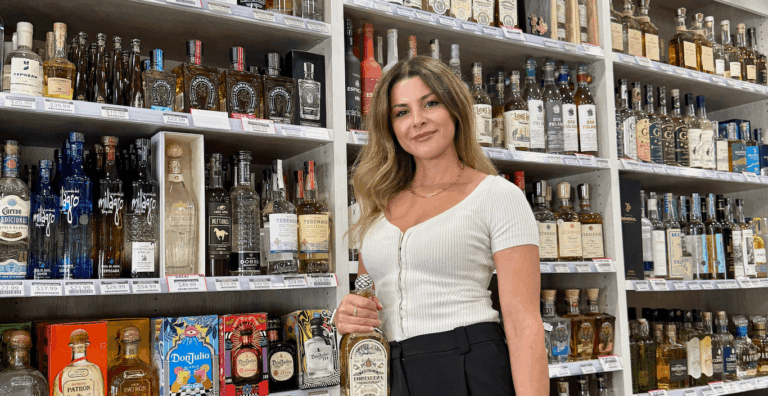
As part of the Morning Lazziness series highlighting empowering women who are making a remarkable impact with their ideas, I had the pleasure of interviewing Hala Shamas.

Hala Shamas is a dynamic entrepreneur and business strategist with a proven track record of launching, scaling, and transforming businesses across tech, media, and e-commerce. Over the course of her career, she has built companies from the ground up, developed high-performing teams, and implemented strategies that have driven revenues of up to $50 million annually.

In 2019, Hala co-founded Sipsy, an innovative alcohol e-commerce service, bringing convenience and curated experiences to consumers. A proud double Trojan, she holds both a Bachelor’s degree and an MBA from the University of Southern California.

With deep expertise in growth acceleration, strategic planning, operations management, and emerging markets, Hala excels at turning ambitious visions into scalable, profitable realities.

In this interview, she delves into the challenges, successes, and wisdom she has gained from over a decade of transforming online businesses.

What inspired you to start your business, and what problem were you passionate about solving?

I started Sipsy because there wasn’t a single platform offering affordable, accessible alcohol delivery directly to consumers. Most services relied on third-party retailers, which caused fees to skyrocket, making delivery unaffordable for the average person. My goal was to create a direct-to-consumer solution that made celebrating with the drinks you love easy, accessible, and reasonably priced for everyday Americans.

How has your business evolved since its launch, and what key decisions helped drive that growth?

We’ve evolved from a hyperlocal delivery service into a content-forward, community-driven brand with national reach. One of our smartest moves was investing early in educational content—especially around tequila and mezcal—which positioned us as a trusted voice in a space that often feels intimidating or exclusive.

What makes your brand or offering stand out in a crowded market?

Our edge is our obsession with curation and our customer-first approach. While most platforms focus on speed, we put just as much care into what we offer—and why. We talk to our customers daily to understand what they love, dislike, or want more of. Their feedback directly informs our buying decisions. We’ve also built micro-communities around niche interests like additive-free tequila and natural wine, creating not just a product catalog, but a place for discovery and connection.

What has been your most effective marketing strategy to date, and why do you think it worked so well?

Short-form social video has been a game-changer. We use it to break down spirit knowledge in a way that’s casual, educational, and fun. It works because we show up as ourselves—sharing what we love, what we’re learning, and even what we don’t like. Staying authentic and engaging is core to our brand.

How do you stay connected to your ideal audience and understand their needs or behaviors?

We connect through daily interactions—comments, DMs, and in-person chats at our brick-and-mortar locations. People constantly tell us what they want, often without realizing it, so we’ve learned to listen for patterns and adapt quickly. Every team member is empowered to surface customer insights, making feedback a company-wide asset.

What’s one branding move or campaign that helped elevate your business to the next level?

Launching curated, Sipsy-branded cocktail gift sets during the pandemic was a major turning point. It blended convenience with meaning—perfect for birthdays, virtual happy hours, or client gifting. It also introduced our brand to new audiences who may not have discovered us otherwise.

What does success look like for you, not just in numbers, but in purpose or impact?

Success is knowing we helped someone celebrate—whether that’s a milestone birthday or a casual Tuesday night toast. The numbers matter, but it’s even more fulfilling to know we’re part of the moments that bring people together.

Can you share a challenge or setback that ultimately became a turning point for your brand?

Competing with massive, well-funded platforms was intimidating. We couldn’t outspend them on ads, so we leaned into storytelling and education, sharing behind-the-scenes content and building trust through transparency. That pivot helped us grow organically and build a loyal, engaged audience.

What daily habits or rituals keep you focused, creative, and grounded as a leader?

Every morning starts with a quiet walk with my dog—no phone, no distractions. It helps me clear my mind. After that, I jot down any ideas or themes that came to me. It’s a simple habit, but it keeps me aligned creatively and mentally.

How do you approach innovation and risk in your business strategy?

I believe in small experiments with quick feedback loops. Whether it’s a new product line or marketing angle, we test before scaling. Innovation doesn’t have to be bold—it just needs to be useful and intentional.

What advice would you give to someone starting a business in today’s fast-changing digital world?

Just launch—things are changing too fast to wait for perfect timing. Get your product out there and start engaging with real customers immediately. No matter how much research you do, your customers will prove you wrong in the best ways. Listen closely, stay flexible, and be ready to pivot quickly based on what you learn. That’s how you build something that actually works.

Where can our audience connect with you and learn more about your work or offerings?

You can find us at Sipsy or follow us on Instagram and TikTok. That’s where we share new product drops, tequila education, gifting inspo, and a behind-the-scenes look at building the brand.

From Stuck to Thriving: How Theresa White Helps Women Step Into Careers They Love

0

As part of the Morning Lazziness series highlighting empowering women who are making a remarkable impact with their ideas, I had the pleasure of interviewing Theresa White.

Theresa White is a Career Clarity Expert and 5x Certified Career Coach who helps high-achieving women leave misaligned jobs and step into careers they actually want, without starting over or taking a pay cut. As the founder of Career Bloom and creator of the Career Clarity Formula, she’s helped hundreds of professionals gain clarity, build confidence, and land roles that align with their values, lifestyle, and strengths.

In this interview, she delves into the challenges, successes, and wisdom she has gained from over a decade of transforming online businesses.

What inspired you to start your business, and what problem were you passionate about solving?

I started Career Bloom because I lived the problem myself. I had a steady career in recruiting and HR, great benefits, a company car, and still felt empty. I kept thinking, “I’ve come this far, I can’t just throw it away.” I’d scroll job boards during lunch breaks and feel more discouraged with every listing. I knew I had potential but didn’t know what to do with it. When I finally got clear on my strengths and transferable skills, everything changed. I wanted to give other women that same clarity and confidence to make a change, without starting over or shrinking themselves to fit a job that wasn’t right.

Since then, I’ve helped hundreds of women do the same, many of them burned out, underpaid, or stuck in roles they’d outgrown.

How has your business evolved since its launch, and what key decisions helped drive that growth?

At first, I was doing one-on-one coaching while juggling motherhood and a full-time job. I built the Career Clarity Formula out of what I wished I’d had during my own transition. Creating that step-by-step framework was a game-changer. It helped me deliver consistent results and scale my impact. I also decided early on to root my business in real conversations. I show up as myself, mom, coach, immigrant, former recruiter, and that authenticity helped build a loyal client base.

What makes your brand or offering stand out in a crowded market?

Career Bloom is grounded in both strategy and self-awareness. I don’t believe in vague career advice or telling women to “follow their passion” without a plan. My approach blends mindset, personal branding, and job search strategy into one framework. I’ve coached clients across four continents, and I bring that global perspective to the table. I also meet clients where they are, many of them are balancing caregiving, burnout, or cultural expectations, and help them move forward with clarity and integrity.

What has been your most effective marketing strategy to date, and why do you think it worked so well?

Being honest online. I don’t pretend career change is glamorous or easy. I talk about what it’s really like to question your path, negotiate a raise, or make a pivot in your 30s or 40s. That honesty creates trust. Most of my clients come through word of mouth, social media, SEO, or free workshops where they’ve already experienced my coaching style before they ever pay me.

How do you stay connected to your ideal audience and understand their needs or behaviors?

I stay in constant conversation with them. I read every intake form, listen during every clarity call, and regularly ask what they’re struggling with. I watch how they talk about their work, what words they use, where they feel stuck, what makes them light up. I also track what content they engage with most. That real-world feedback shapes everything I create.

What’s one branding move or campaign that helped elevate your business to the next level?

Launching my free Career Change Masterclass completely shifted how people found and connected with my work. It gave potential clients a clear way to engage with me, learn something useful, and see that I wasn’t offering vague advice, I have a real framework that works. The masterclass walks people through the exact steps I use to help women move from stuck to finding a fulfilling career without starting over. It became my most shared resource and brought in some of my most aligned clients.

What does success look like for you, not just in numbers, but in purpose or impact?

Success looks like a client sending me a message saying, “I got the job and I finally feel like myself again.” Or someone saying they’re no longer afraid of Mondays. Numbers matter, but what drives me is seeing women go from playing small to owning their value, making bold decisions, and leading with confidence, in careers that truly reflect who they are.

Can you share a challenge or setback that ultimately became a turning point for your brand?

There was a time early in my business when I lost a big contract and questioned everything. I had a newborn at home, and it felt like the worst timing. But that moment forced me to take ownership of my brand and focus on my own offers, not just external partnerships. It pushed me to develop the Career Clarity Formula and get visible in a bigger way. That shift allowed me to grow on my own terms.

What daily habits or rituals keep you focused, creative, and grounded as a leader?

I always start my mornings with quiet reflection and planning before checking any messages. I block time for deep work and creative projects so I’m not reacting all day. I also prioritize movement, especially early runs and time in nature, which help me reset. And I dance Argentine Tango with my husband. It’s the one space where I’m fully present and not thinking about business.

How do you approach innovation and risk in your business strategy?

I test small and pivot fast. I don’t overthink new ideas. I try them in a low-stakes way first. If something works, I build it out. If not, I let it go. I’ve learned not to stay attached to offers that no longer fit just because they once worked. Innovation for me is about staying close to my client’s evolving needs and permitting myself to grow too.

What advice would you give to someone starting a business in today’s fast-changing digital world?

Don’t chase trends before you understand your message. Get clear on the problem you solve, who you help, and what makes your work different. Then show up and share that message consistently.  You need to be clear, honest, and useful.

Where can our audience connect with you and learn more about your work or offerings?

You can visit our website, connect with me on LinkedIn, or schedule a complimentary clarity call. If you’re feeling stuck or ready for a shift, I’d love to connect.


Barbara Gomes on Inventing Cuticle-B-Gone, Overcoming Doubt, and Building a Beauty Brand with Love

0

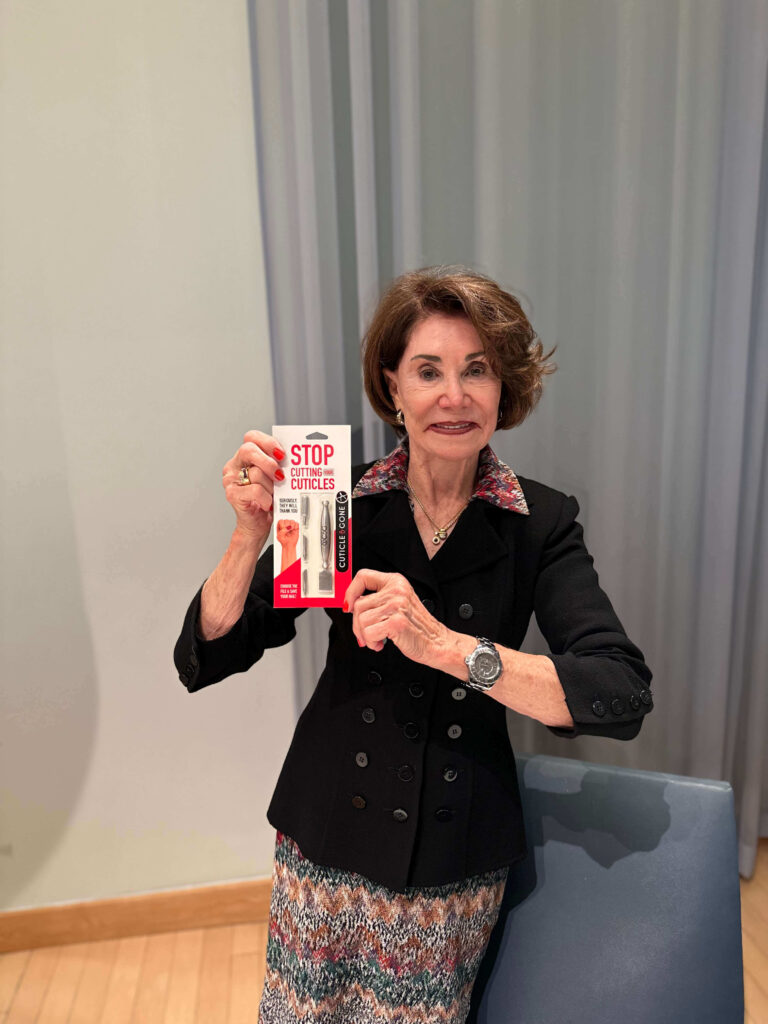
As part of the Morning Lazziness series highlighting empowering women who are making a remarkable impact with their ideas, I had the pleasure of interviewing Barbara Gomes.

Cuticle-B-Gone was invented by an all-female powerhouse team. Inventor, Barbara Gomes, created this nail tool out of need for her own family. Barbara’s mother, a Breast Cancer Survivor who was left with a lymphedema arm, put her at a high risk for infection. Unable to cut her mother’s painful hangnails, Barbara filed them. Years later, Barbara found filing our cuticles was a better option and created a longer-lasting manicure. Cuticle-B-Gone is a safer and more effective way to manicure your nails as cutting cuticles leads to damage and risk to infection. Barbara now runs the brand alongside her two daughters, Danielle and Gabrielle. Due to the powerful story behind the product, the brand continues to donate a percentage of their profits to breast cancer awareness to this day.

In this interview, she delves into the challenges, successes, and wisdom she has gained from over a decade of transforming online businesses.

Is there a quote, mantra, or philosophy that guides your decision-making and leadership as a beauty entrepreneur?

We try to base every decision that we make in business and life on a quote my late husband would always say, “Love is the most powerful force in the universe.” We believe that when you operate from a foundation of love, it’s hard to make a bad decision. The whole reason I invented the Cuticle-B-Gone tool is because I felt that it could help people. When we added the nail oil, it was essential that only safe ingredients were used and that it was packaged in glass containers. 

Here is our signature question: “What Are The 5 Things You Need To Overcome Self-Doubt and Build Confidence?” 

  1. Do not be afraid to do something wrong, you will only learn from it. 

This was a lesson that I learned in my previous career as a ballerina and dancer, and I’ve tried to carry it with me throughout my life and teach it to my children. Everyone makes mistakes, everyone falls down, it’s how you get back up that matters. I performed in two shows a night for the Folies Bergere in Las Vegas, I was a founding member of the Nevada Ballet Theatre, and I danced in Liberace’s Residency at the Hilton, among several other shows. I didn’t fall often, but it happens. It happens to everyone. Dancers are taught to get back up as quickly and gracefully as possible. Most of the time, people didn’t even notice that I had made a mistake or fallen. If I had pounded the ground, or stomped around upset, or run off the stage—the audience would’ve known that I made a mistake. Instead, you need to get up, remember what step tripped you up, and get on with the show. 

  1. Surround yourself with supportive people. 

When I told my daughters that I wanted to move forward with the Cuticle-B-Gone idea, they told me to go for it and asked how they could help. If they had said, “I think you’re too old”, “How do you even know where to start?”, or “That’s going to be too hard”; I probably wouldn’t have done it. You can’t silence the naysayers, but you can share your ideas with the people you know will support you.

  1. Focus on the progress that you’ve made and don’t dwell on the mistakes.

Cuticle-B-Gone didn’t come to life overnight—it’s been a journey built on persistence and small, steady steps forward. Like any growing business, we’ve faced our share of setbacks. We’ve poured time and resources into events that didn’t deliver the results we hoped for, but each experience taught us something valuable and brought us one step closer to where we are today. Rather than focus on what was lost, we took an analytical look at our process. We asked ourselves: is there a better way to approach events like this? What worked? Did we gain social media followers? How are our displays looking? What drew people to our product? This way we are able to learn from each situation, even if it didn’t deliver the results we had hoped. Building a company is a growing process, and this is how you grow, pains included.

  1. Ideas are great, but it’s action that matters.

You can have a million great ideas, but you won’t truly know their value until you take action. And once you finally take that leap, all the fear that surrounded it begins to fade.

When I first came up with the idea for Cuticle-B-Gone, it didn’t feel like some grand lightbulb moment—it was more like decades of quiet frustration. I was tired of rigging cuticle and nail tools that either didn’t work, weren’t safe, or damaged the nail and manicure. I figured if I was struggling with this, other people probably were too.

Still, the thought of creating and launching a product from scratch was overwhelming. I had doubts. What if no one else cared? What if it failed? But eventually, I reached a point where I realized sitting on the idea was more uncomfortable than the risk of trying. When Covid hit and our lives came to a halt, I knew that it was now or never. I could either have a great idea or take action and have a nail care tool that provided a better, safer, longer-lasting way to care for your nails.

  1. Always be open to change and the input of others within your trusted circle.

When I first came up with the idea for the Cuticle-B-Gone tool, it was just a single attachment—the paddle head. I shared it with my daughters, and while they loved the concept, they immediately saw ways to improve it. They suggested expanding the design to include more functionality, and I listened. Together, we reimagined the tool, eventually creating the four unique attachments that make Cuticle-B-Gone what it is today.

To bring our idea to life, we had a prototype 3D printed. Then, we cut out file templates of the attachments and glued them onto the prototype so we could test it out. It was such a surreal and exciting moment—far from the final version, but it was real. Holding something I had only pictured in my mind was incredible. What made it even more special was that it had evolved into our idea. My daughters’ suggestions didn’t just improve the tool—they made it better than I could have imagined. It became a true family collaboration, and that made the entire process even more meaningful.

You are a person of great influence. If you could inspire a movement that would bring the most amount of good for the greatest number of people, what would that be? You never know what your idea can trigger.

I’ve always tried to teach my children that happiness is a personal choice. It doesn’t come from a relationship, a new car, or a promotion—those things might bring temporary joy, but true happiness has to come from within. You have to choose it, every day.

If I could inspire any kind of movement, it would be a self-love movement. I’d encourage people to give themselves grace, to embrace the little (or big) acts of care that nurture love from the inside out. I truly believe that love is the most powerful force in the universe—and it has to start with how we treat ourselves. Because when we genuinely love ourselves, there’s less space for hate, judgment, or fear.

So take time for the small things that bring you closer to yourself—whether it’s five quiet minutes, a walk in the sunshine, or yes, even a little cuticle care 😉. Self-love doesn’t have to be extravagant. It just has to be intentional.

How can our readers further follow your work online?

Holly Mitton on Building a Boutique Agency and Balancing Life as a Woman Entrepreneur

0

As part of the Morning Lazziness series highlighting empowering women who are making a remarkable impact with their ideas, I had the pleasure of interviewing Holly Mitton.

Holly Mitton is the owner of Little Bird Boston Marketing & PR, where she helps startups and small to mid-sized businesses boost their brand presence and drive growth through strategic marketing and PR initiatives. With a rich background in corporate marketing, public relations, advertising, and consulting, Holly has guided brands in lifestyle, health and wellness, and B2B industries toward achieving their goals. Known for creating tailored strategies that inspire connection and deliver measurable results, Holly is passionate about helping businesses tell their stories, amplify their visibility, and thrive in competitive markets.

In this interview, she dives into the challenges, wins, and wisdom she’s gained from over a decade of transforming online businesses.

What inspired you to start your own PR agency, and how did you get your first client?

I was working in corporate marketing when my son (now almost 14) was born and I quickly realized that corporate life wasn’t conducive to the flexibility I wanted to have in order to balance my work and family life. I had a very close friend who helped me learn the ropes of what it meant to work for yourself and thankfully she helped me get started and we worked together in the beginning. I was working full-time while also picking up smaller freelance clients and it grew from there so I was able to quit my full time job and work for myself. Since then I’ve built up my business and expanded into what I call a boutique agency (Personalized, dedicated one-on-one attention to clients with the expertise and capabilities of a bigger agency), specializing in supporting small businesses through PR/Media services.

What unique challenges have you faced as a woman entrepreneur in the PR world, and how did you overcome them?

PR is a pretty female heavy industry which is nice, but I think my biggest challenge was balancing my work and family time. As a mom, I am very protective over my time with my kids – especially when they were younger. In PR, there are always professional events on off hours and sometimes I would have to miss those, so it’s just always a challenge to balance work and life – in any industry. But, I think for me, planning out my “work time” in advance and having boundaries in terms of participating in evening/weekend events is just always an ongoing struggle!

How do you stay ahead of trends in an industry that’s constantly evolving with media and technology?

PR is an industry that is constantly evolving and has changed so much since I started, so it’s vital to stay ahead of trends so that my clients reap the benefits. I do that by being in tune with colleagues and journalists – I am part of many networking groups, Facebook/social industry groups and join every industry and relevant newsletter I can. I follow everyone and everything relevant on social channels and embrace what’s new and changing. I look at it as a learning experience to stay on top of the latest trends. I strive to always be learning and continuing to expand my own skills, so I love continuing to see how PR evolves and being part of that progression.

What’s your go-to strategy for building strong, lasting relationships with clients and the press?

I think being authentic and genuine in my actions and ensuring that I am a helpful resource to clients and press goes a long way. My clients can feel comfortable with my transparency and they know I am working with their best interest at heart and really care about helping them grow their brand. And Journalists know I am trying to be helpful to them as they develop their stories, rather than pushy or promotional. And also I think that being responsive is key. And lastly, actually following through with what I say I’m going to do is vital. Following up and following through is so important and builds trust with both clients and media contacts.

Can you share a campaign or media moment you’re especially proud of—and why it stands out?

Last year I supported the launch of the inaugural Whitefish Food & Wine Festival in Montana through PR coverage. It was co-founded by Chef Todd English, an amazing talent that I had been eating at his restaurants for over 20 years here in Boston. It was such a great experience helping them get coverage and seeing the results drive brand awareness and ticket sales for the event. Since it was the first year of the event and I also was hired relatively late in the game, it was especially challenging not having any previous photos or examples of the event. It felt as though I was going into the project a little blind in what I was pitching to the media, but I was able to secure over 80 articles with website audiences of over 1.4 Billion unique views per month!

Which platforms or tactics have been most effective for growing your own brand visibility?

I’ve (finally) recently taken my own professional advice and started to promote my own brand. Previously, all of my clients have been word of mouth and I haven’t done any type of promotion or marketing for my brand, but lately I’ve been posting more on my social channels, as well as doing podcast interviews geared towards helping small business owners and marketers learn more about PR. I’m excited to see the work paying off with organic growth on social and Google/SEO, as well as more prospective clients coming my way. Using PR to promote my PR services is a fun way to show that it really does work!

What role has mentorship played in your journey, and how do you pay it forward to others in the industry?

Mentorship has been huge for me, as that’s how I got my start as a freelancer/entrepeneur. I try to pay it forward by always taking informational meetings for anyone wanting to chat and I always share my knowledge with other friends/colleagues who are interested in moving from corporate life to being out on their own. It can be a huge step to quit a full-time job with a steady paycheck, so I try to share all of the ins and outs with anyone interested in taking that leap.

How do you handle high-pressure situations or crises, whether for a client or your own business?

In my line of PR, thankfully I don’t get a lot of crisis situations. When I have run into them, I think it’s vital to keep a steady head and don’t rush into anything. Don’t rush “putting out a statement” without thinking it through and getting advice from others and making sure you think through all angles. It can feel like you need to act ASAP but it’s important to take a quick breath and don’t get caught by acting without thinking.

What’s one piece of advice you’d give to women entering the PR or communications industry today?

Surround yourself with experts. Always try to learn. Say yes to any networking opportunity. And surround yourself with people you trust – you never know where a potential partnership or opportunity may come up.

Is there a quote, mantra, or philosophy that guides your decision-making and leadership as an entrepreneur?

“Great is the enemy of Good.” Don’t be perfect, or don’t wait on everything to be perfect – waiting until something is absolutely perfect can hold you back. There is no such thing as perfect.

Here is our signature question: “What Are The 5 Things You Need To Overcome Self-Doubt and Build Confidence?”

Fake it Till You Make It. Imposter syndrome is so common and when you realize that other people are also overcoming their own self-doubt and normalizing it, it can help your own self-confidence.

Surround Yourself with People Who Build You Up. This one is pretty obvious – cultivate a network of people who make you feel good about yourself.

Mental Health/Self-Care: Take time to make sure you are ok. Do whatever it is that helps you – whether it’s taking a daily walk, spending time in nature, mindfulness, or whatever helps you to calm your mind.

Avoid Social Media Comparisons – Social media can be really tough mentally when you see other people with so many “successes” and can make you feel not good enough. Keep in mind that someone’s social channel is a carefully cultivated story that they want to portray – it’s not their full story. Try not to compare yourself or follow accounts that make you feel good.

Positive Affirmations/Self-talk: Talk to yourself as you would a friend. Give yourself some grace and talk positively to yourself to build yourself up. That voice in your head can really help build your confidence!

Ok, we are nearly done. You are a person of great influence. If you could inspire a movement that would bring the most amount of good for the greatest number of people, what would that be? You never know what your idea can trigger.

For me, the movement I’d love to see continue to take off is around mental health, along with self-care and self-love. Mental health is so important and while I see the conversation evolving and becoming more prevalent in society, I think it’s an ongoing issue that our culture needs to deal with. For example, finding a mental health professional is extremely difficult in our society but it’s much needed. And for some people it’s out of their budget even if they are able to find a practitioner to help them. Accessibility to mental health resources is a huge issue and our culture needs to fix this issue. 

How can our readers further follow your work online?

Follow me on all the socials and visit my website- I love to connect!

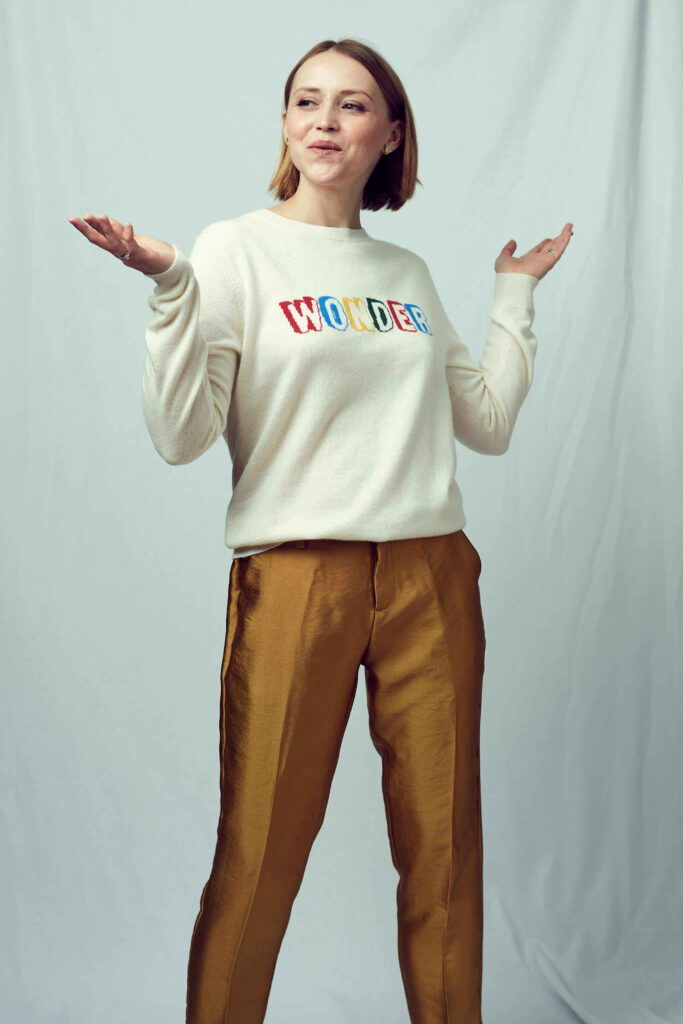
Daria Andronescu on Building Wonder Wardrobe, Fighting Fashion Waste, and Empowering Women Through Sustainable Style

0

As part of the Morning Lazziness series highlighting empowering women who are making a remarkable impact with their ideas, I had the pleasure of interviewing Daria Andronescu.

Daria Andronescu is the founder of Wonder Wardrobe. Over the past 15 years she’s been working as an international personal stylist, creating multifunctional seasonal capsule wardrobes for clients worldwide. For the last 10 years, she’s also been educating women through her sustainable fashion community platform.

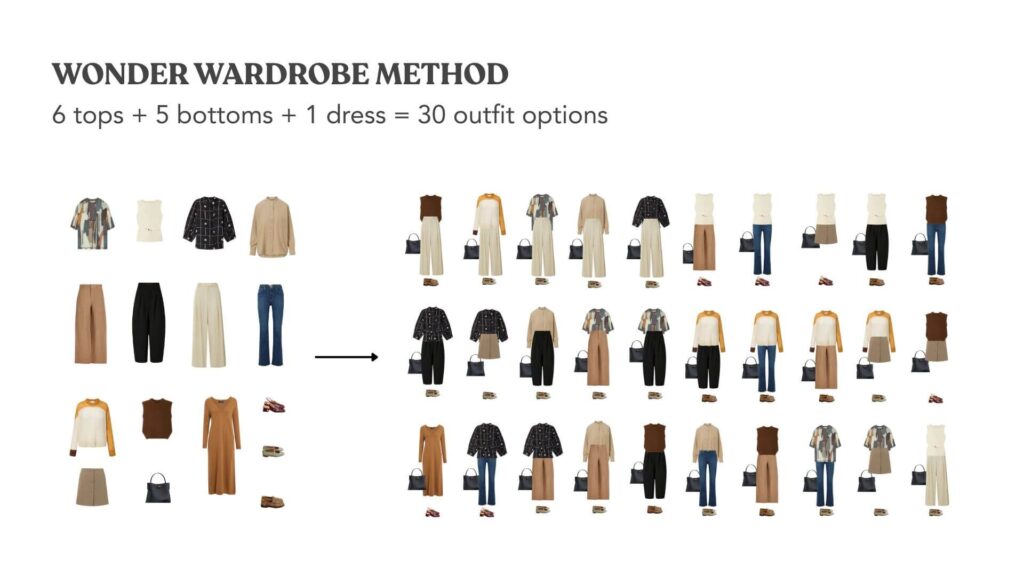
After gathering this experience, she developed the Wonder Wardrobe method. Now she shares this proven approach with thousands of women. They learn to curate stylish and versatile wardrobes with clothes they already have. The result? Beautiful style that reduces fashion waste and supports the sustainable fashion movement.

In this candid conversation, Daria shares her journey, insights, and the strategies that have helped her build a results-driven business—and empower other entrepreneurs to do the same.

What inspired your journey into the fashion industry, and why did you choose to focus on sustainability?

My mother made costumes for theatre actors. Watching her choose materials mindfully and make the most of what she had were the first seeds that were planted in terms of sustainability. After that I went to Milan to study fashion and styling. The real turning point came during a wardrobe decluttering session when I discovered 80% of my client’s wardrobe was unwearable. She sat down looking at this huge pile and said “I don’t even know how this happened – this was on sale, this from a vacation, these were gifts I never liked.” Seeing all that waste really bothered me – it was so wrong and wasteful. Fashion education back then didn’t include anything about sustainability, so that’s when I started researching and learning about it by myself.

How do you define sustainability in the context of fashion, and how does your brand reflect that vision?

Sustainability means meeting our present styling needs without compromising future generations’ ability to meet theirs. 

For me, it’s simple: choose better quality, wear what you have for longer, buy less. Wonder Wardrobe reflects this by teaching women to fall in love again with what they already own first, then make thoughtful additions. We’ve helped over 15000 women worldwide reduce fashion waste through education. It’s about giving women better knowledge about what actually works for their lives.

What were some of the biggest challenges you faced while building a sustainable fashion business?

The biggest challenge? People thinking I’m an influencer trying to sell them clothes. No matter what styling principle I teach on YouTube, someone will always ask where my top is from! Even “slow fashion” influencers are part of the problem – I had a client with 10 unworn blouses because she followed someone doing sponsored hauls every two months. It’s the consumerism culture and fashion influencers treating clothes as disposable that I’m fighting against. Social media algorithms feed us fear-based content that creates insecurity and pushes consumption.

How do you balance style, education, and accessibility in your program offerings?

Daria Andronescu Wonder Wardrobe

I start with making education accessible. Our Wonder Wardrobe app is completely free with no ads or brands trying to sell you clothes. 

The Wonder Wardrobe method works regardless of budget because it’s about understanding what you actually need for your lifestyle. Some students create 20-outfit wardrobes, others have 100 outfits. Both get beautiful results. Our new Studio+ program adds personalized color and body analysis because true style comes from understanding yourself, not blindly copying others.

How do you ensure your educational content promotes truly ethical fashion practices?

I curate only sustainable brand recommendations, and I’m very thorough while checking their materials and practices. I teach about natural fabrics, second hand, vintage, fair labor practices, and environmental impact in our community app. But honestly, the most ethical garment is the one already in your closet. You just have to fall in love with it and wear it again. That’s why most of my content focuses on maximizing what you already own before buying anything new.

How do you educate your customers on the value and impact of sustainable fashion?

I show women the concrete benefits of having a Wonder Wardrobe. Smart savings come first – you make planned purchases, buying only clothes you need and will actually wear. You learn what, where and when to shop for the best quality at the best price, shopping only 1-4 times per year instead of constantly. Personal curation means discovering your authentic style that fits any body shape and age. The multifunctional aspect is huge – everything is tailored to your lifestyle with interchangeable items that you might need for work, leisure, vacation or more. You know exactly what you have and how to wear it, divided by seasons so you never get bored. The sustainable impact comes from the fact that now your wardrobe lasts 5-10 years, includes only eco-friendly materials and creates minimum waste. When women see these real benefits in action, they understand sustainable fashion isn’t just good for the planet – it’s better for their lives.

What’s one misconception about sustainable fashion that you often come across?

That it’s boring or lacks variety. This misconception exists because toxic fashion content has trained us to equate style with constant newness – we’ve been brainwashed to think we need fresh purchases every week to stay interesting. But I have app members creating incredibly diverse, personal styles with their wardrobes through creativity and discovering new styling techniques. Real sustainable fashion is about breaking free from that cycle that feeds on newness and instead enjoying what you have, caring for it, and feeling genuinely confident in your own style.

In what ways has consumer behavior changed in recent years around ethical fashion, and how has that impacted your brand?

Women are finally asking “Will I actually wear this?” instead of just “Does this look good?” But they’re still getting manipulated. Even after watching “shop your closet” videos, algorithms show them ads for similar items until they buy. That’s why we launched our ad-free app in late 2024. It’s been growing rapidly with new members since then which proves women crave education over consumption, but they need safe spaces away from algorithmic manipulation.

How do you stay innovative while staying true to your sustainable mission?

Daria Andronescu Wonder Wardrobe

Every innovation I make asks one simple question: “Does this help women wear more of what they own and buy less of what they don’t need?” That’s why my newest Studio+ program focuses on personalized styling because I realized one-size-fits-all advice doesn’t work for everyone. Or, for example our mobile app creates a community without consumption pressure. If something doesn’t serve that core mission of helping women love what they already have, I simply don’t do it.

What role does community building play in your business model?

Community is everything. What social media calls “community” is just monologue – you leave a comment, maybe get a like. That’s not a community. Real community is dialogue where your voice matters and can actually help other women. Many times, inspiration comes from connection. Our app members do this daily. They share outfit solutions and support each other’s style experiments without judgment. When you realize your style struggles aren’t unique, solutions become clearer. That’s why I spend more time in our app than on social media, away from all the noise.

What’s your vision for the future of fashion, especially for women-led sustainable brands?

I can’t sit around waiting for the fashion industry to change. Big companies lobby politicians to protect their profits while I focus on women who want real change. The future lies in community-driven businesses empowering women to break free from consumption manipulation. Women leading sustainable brands understand the emotional relationship with clothes. We’re changing mindsets from quantity to quality, from algorithm-driven trends to personal authenticity.

What advice would you give to aspiring female founders looking to break into sustainable fashion?

Start by asking “Who are you helping today?” – genuinely helping, not selling to. Don’t let external factors dictate what you think people need. I believed women needed to reconnect with fashion, see it less as a dopamine hit and more as a tool they can use daily to empower themselves, to express their values. Be generous with your knowledge, find your people, and lead them somewhere better. Trust your own conviction about what women actually need, not what the market tells you they want.

Where can our audience connect with you and learn more about your work or offerings?

The best place to start is our free Wonder Wardrobe app. You’ll find our community and lots of educational content there. You can also check out my YouTube channel for practical styling tips and follow me on Instagram for daily inspiration. Everything connects through our website.

Samantha Cross on Embracing Curls, Building Curl Warehouse, and Redefining Hair Care Access

0

As part of the Morning Lazziness series highlighting empowering women who are making a remarkable impact with their ideas, I had the pleasure of interviewing Samantha Cross.

Samantha Cross is the founder of Curl Warehouse, a Canadian-based online shop dedicated to making curly hair care products accessible without the hassle of customs fees or expensive cross-border shipping.

Sam’s journey began with a complicated relationship with her curls. Growing up, she battled puffy, frizzy hair that drew teasing and unwanted attention, leading her to hide it away or chemically relax it — unaware of the long-term damage. Everything changed when she discovered the Curly Girl Method and its empowering message to love your natural hair. Through years of research, ingredient deep-dives, and trial-and-error techniques, she learned how to nurture her curls and embrace them.

Frustrated by the lack of access to quality products in Canada, Sam launched Curl Warehouse in 2019 to connect fellow “curlies” with the tools, products, and accessories they need to care for their unique textures. Since then, the company has served over 70,000 customers across North America, becoming a trusted destination for curl education and product curation.

In this candid conversation, Samantha shares her journey, insights, and the strategies that have helped her build a results-driven business and empower other entrepreneurs to do the same.

What inspired your leap into entrepreneurship, and what personal experiences sparked the idea behind your current venture?

I always knew I’d build something, but I never would have guessed it would be in this industry. It’s kind of funny that I have a career in beauty because I rarely wear makeup and don’t care or know much about things like fashion or skincare. For me it’s just all haircare, all the time!

I had my first business as a teenager in high school, designing websites for small businesses. I have owned multiple businesses since and am always happiest with multiple projects on the go.

I started Curl Warehouse in 2019 to solve my own problem. I couldn’t easily find products suitable for my hair type, and when I tried to purchase some from beauty supply stores no one could answer any of my questions about caring for curly hair. I was pointed at the handful of textured hair care products (no more than 5 to choose from, and all from the same brand) and essentially left to my own devices to figure it out. It was frustrating and almost enough to make me give up on embracing my curls. I knew there had to be a way to provide a better experience for people like me: people who wanted to get the best out of their curls but didn’t have family members or friends with a similar hair type to show them the ropes.

What core problem does your business solve, particularly for women or underserved communities, and how does your approach stand out in today’s competitive space?

We don’t just provide products, we provide education and support for our customers. Where we can’t compete on price, we compete with personalized customer service and being able to truly understand many of the unique struggles our customers are facing with their hair. So much of getting the most out of your hair is understanding what it needs. It’s not just product choice when it comes to curls – it’s also how those products are applied and what they’re applied with that can make or break a good hair day. Curl Warehouse gives customers the whole package so they can be confident in creating consistent results.

How do you navigate through your toughest obstacles?

The best way for me to solve any problem is just to try something – anything. Decision fatigue is real and a lot of time can be wasted doing research and trying to come up with the best way forward. The best path is the one I’m actually taking, not the one I’m agonizing over. As business owners we have to be less married to individual ideas and more committed to the bigger picture. If something isn’t working I just try something else.

When the going gets tough, what keeps you grounded and motivated to keep pushing forward?

My husband. He motivates me because he is also very motivated. I feed off that energy a lot more than he probably realizes. I find his “how hard could it be?” mentality and ability to figure out just about anything very inspiring. 

I also can’t ignore how motivating it is to have salaries to pay. That lights a fire under you unlike anything else!

What daily habits or non-negotiable routines help you stay focused, creatively energized, and balanced as a founder?

If I’m in the warehouse I love having the opportunity to speak to our amazing customers face-to-face. They energize me more than anything.

I’m not a particularly balanced person as an individual or as a business owner. It’s something I’d like to improve upon, but I also have reached a point where I’m trying to accept that I’m not zen or chill or go-with-the-flow at all and that’s just who I am.

What’s been the most effective growth lever for acquiring new clients or expanding your customer base?

Word of mouth brings us our best customers. We’ve noticed so many people love shopping with their friends or family and sharing their tips and recommendations for great curl products.

What branding or marketing decision had the biggest impact in elevating your business and building trust with your audience?

Having a physical store adds legitimacy to a business that operates primarily online. It adds faces to the brand, and we love having conversations with our customers in person. It also gives us the opportunity to host amazing events to support our curly community! I wouldn’t suggest it unless your niche would appreciate it and utilize it. Ours does, so it has worked extremely well for us.

How do you personally define success, not just as a business owner, but as a woman living a purpose-driven life?

Success, to me, is being able to walk away from the business for a few hours or days and not worry about it because I’ve hired people who can think on their feet and handle anything that comes up. This is a spectrum depending on what is going on with the business at any given time, but having a business that can still thrive when I am not actively working in it or on it is my goal. So much of being able to do that is based on hiring decisions, automations, and regular recurring revenue from loyal customers. 

What’s your best advice for women just starting out—especially first-time entrepreneurs feeling overwhelmed or unsure of their next steps?

Just do it. There are so many business ideas that can be tested out in as little as a weekend and with minimal investment. If one idea doesn’t work, learn from it and try the next one. Even if you fail – repeatedly, which you might – you’ll never regret trying, and you’ll learn something valuable from each false start.

How do you approach risk and innovation, especially when breaking new ground in a fast-changing industry?

I make quick decisions if I know that the decision won’t cost us much in time or money. Everything is worth trying if it can be done fast or cheap and I can abandon it without consequences if it isn’t working. It’s knowing when to pull the plug on an underperforming idea that is the most valuable part of the decision-making process, in my opinion.

If you lead a team, how do you foster a culture of trust, inclusivity, collaboration, and growth?

I try to hire people I can trust to get on with things without my oversight. It takes responsibility off my plate and hopefully empowers them too. It’s a small team so we pitch in where needed. The team frequently brings me great ideas to improve the business, especially our customer experience. I love going to work with them every day.

What are the top 3 mindset shifts or personal practices that helped you overcome self-doubt and grow your confidence as a woman entrepreneur?

I abandoned perfectionism and stopped trying to please everyone. It took me a long time to stop taking everything personally. I still have days where it is a struggle when I am dealing with a difficult customer, but I’m getting better at separating myself from the business.

I don’t waste hours doing business tasks I’m not good at anymore. I’ve accepted that I’m not the best person for every job which was tough for me in the beginning. I now outsource some to professionals who are much better at them than I am and focus instead on things I am good at and that benefit the business.

I’m trying to get better at celebrating our wins. It’s easy to focus on what isn’t working and what needs to be improved, but we’ve hit some incredible milestones in our business. I am so proud of what Curl Warehouse has become.

If you could spark a global movement through your work, what would it be—and why is that mission meaningful to you?

I think we have sparked a local movement for embracing curly hair. As a kid I didn’t really have any role models who had beautiful curls. I didn’t know what I was doing with my hair as I grew up. I love it when parents bring their kids in to learn how to care for their curls from a young age so they can grow up loving them in a way that I didn’t, or when parents come to us to learn to care for their own hair so they can be that role model for their child. That makes it all worth it to me.

What’s a quote, philosophy, or guiding belief that shapes how you lead, create, and live every day?

“Done is better than perfect” is my motto, and it has served me very well.

Where can our audience connect with you, explore your work, or follow your entrepreneurial journey online?

Follow her on Instagram, where she proves that every day can be a good hair day.