

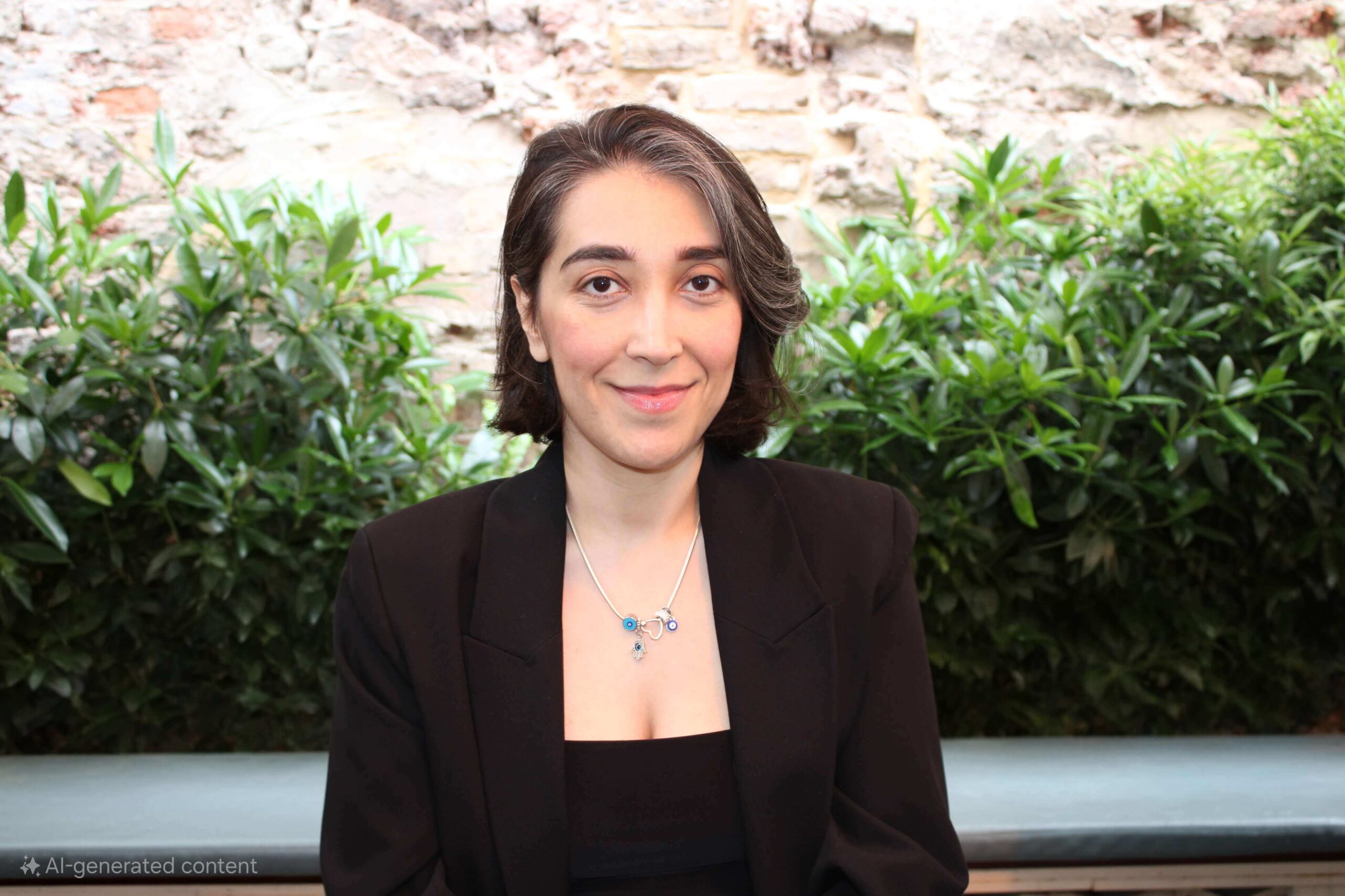
As part of the Morning Lazziness series about empowering women who encourage and do incredible things with their ideas in society, I had the pleasure of interviewing Jasmine Sayyari.
Jasmine Sayyari is an exited founder, CEO of New Generation Network, and a 2025 InspiringFifty UK winner—an award recognizing leading women in tech. Originally trained as a medical doctor, Jasmine transitioned from clinical practice in 2020 to pursue her passion for startups and innovation. Since then, she has carved out a dynamic career in business development and tech entrepreneurship.
Currently, she is building Chanci AI, a data-driven career intelligence platform that helps individuals uncover hidden job opportunities and upskill strategically, while enabling employers to benchmark talent and promote internal mobility.
What inspired you to become an entrepreneur in the AI industry, and what led to the creation of your current venture?
When I graduated from business school, many people approached me, curious about my journey from medicine into the world of startups and business development. That got me thinking: how could I create something that helps others on a similar path? As I delved into research, I quickly realised that the future of work would be drastically transformed by AI advancements over the next five years. Initially, creating an AI product wasn’t my main intention, but as I dug deeper, I realised it was the best way to help people navigate the changes in the job market. That’s how I found myself diving into prompt engineering and, before I knew it, I was on the path to becoming a tech entrepreneur.
As a woman in tech and entrepreneurship, what unique challenges have you faced, especially in the AI space, and how did you navigate them?
Like many other women working in this sector, access to funding is one of the main challenges. There are many initiatives from the UK government and private organisations aimed at including more women in tech, and some of these initiatives are quite successful and helpful. However, the core issue still remains: only about 2% of VC funding goes to women, and that poses a huge challenge when it comes to scaling a tech company. Many women founders end up using their own resources to grow their products, and while there are a lot of conversations around this issue, there’s still a need for more concrete action.
How do you manage the intense demands of building an AI-driven business while maintaining personal well-being and balance?
For me, it’s all about having a routine. I love starting my mornings with Pilates or a swimming class, and that sets a positive tone for the rest of my day. It’s also important to take weekends off and spend time with friends, making sure you’re not constantly thinking about work. Another thing that helps is having a team that can check in on you and make sure you’re not overloaded with meetings or tasks. It’s all about finding that balance between productivity and well-being, and these routines really help me maintain that balance.
What networking strategies or communities have helped you most in building meaningful connections in the AI and tech ecosystem?
I have two main strategies for finding people who align with my goals. One is attending conferences and private networking events, which are fantastic for meeting like-minded people and discovering new opportunities in the tech ecosystem. The other strategy is hosting events myself. As a founder, I also organise panels and discussions, which is a great way to bring together founders and professionals who share similar interests. Both approaches have really helped me build a network of people I can collaborate with in future projects.
How do you approach mentorship—both receiving it and offering it—and how has that influenced your growth as a founder in this space?
Mentorship is incredibly important for any founder, especially as a non-technical CEO in the tech sector. I prefer to think of it as seeking guidance from people who have been through similar journeys, but from different backgrounds. There are so many opportunities for founders in London to access great mentorship. For example, I was part of the JP Morgan Startup Scheme, which really helped me with pitching and refining my pitch deck. On the other hand, I also believe in giving back. I participated in Kingston University’s mentorship program for master’s students, where I guided medical students who wanted to venture into business. I even held workshops focused on helping professionals improve their personal branding and presence on social media. So, I’m very active in both seeking and providing mentorship, and it’s been a huge part of my growth as a founder.
What strategies have proven most effective in acquiring customers or clients for your AI product or service?
Since we’re still in the early stages of Chanci AI, our most effective strategy so far has been building a strong waitlist by clearly communicating the value of our product. We’ve had over seven thousand people sign up, which shows there’s real demand for personalised career guidance using AI.
I’ve also leaned into building my personal brand across platforms like LinkedIn and Instagram. That’s helped attract people who trust the journey and want to be part of the product as it evolves. Moving forward, we’re exploring partnerships with universities, career coaches, and job boards to expand our reach and connect with the right users.
Which marketing techniques (digital, content, events, etc.) have worked best for your brand, and how do you measure their impact?
I’m a huge fan of personal branding and growing your customer base through social media. I used this strategy with one of my earlier startups, and I still use it now with my tech product. I spend a lot of time each week creating content, engaging with people, and sharing behind-the-scenes insights. It’s one of the most authentic and cost-effective ways to build trust and grow awareness, especially for early-stage products. I measure its impact by tracking how many people sign up after interacting with my posts, the messages I receive, and how often people mention the brand in conversation.
Can you share a major setback or roadblock in your AI startup journey, and how you strategically overcame it?
We were developing our MVP and, like many early-stage startups, we faced a big challenge when our initial version didn’t meet user expectations. We had built what we thought people needed, but after testing, it was clear we needed to go back and listen more closely to our early users. Instead of pushing ahead, we paused, restructured our roadmap, and built a waitlist to better understand what features mattered most. That shift allowed us to design something that was more aligned with real user needs and ultimately helped us gain traction faster.
What’s one piece of advice you’d offer to women who are just beginning their entrepreneurial journey in AI or emerging tech?
Do not be intimidated by the number of men in the room. There is always space for you. Your opinion is valid, even if it goes against others’. Keep refining it, keep learning, and know that you belong. And above all, never give up on your mission. If it matters to you, it’s important.
Is there a quote, mantra, or philosophy that consistently guides your decisions as an AI entrepreneur?
One mantra I come back to often is, “Start before you’re ready. The clarity comes from action.” Especially in the AI space, things move so quickly that waiting for everything to be perfect just means falling behind. I’ve learned to trust the process, take action, and refine along the way.
Here is our main question. “What Are The 5 Things You Need To Overcome Self-Doubt and Build Confidence?” (If possible, please share a story or example for each one)
Overcoming self-doubt and building confidence is an ongoing process, but here are five things that have really helped me:
- Take small risks often. When we launched Chanci AI, we didn’t start with the full product. Instead, we built a waitlist and tested different ideas. Taking those small steps gave me confidence without the pressure of being perfect from day one.
- Surround yourself with believers. Having people around you who understand your vision and believe in you makes such a difference. In moments of doubt, those voices remind me that what I’m building matters.
- Build in public. I share a lot of my journey on social media. It’s helped me feel seen, connect with others going through similar things, and track how far I’ve come.
- Accept failure as data. Our first MVP didn’t work out the way we hoped, but I didn’t treat it as a failure, I treated it as feedback. That mindset shift helped me stay confident through tough pivots.
- Keep your mission front and centre. At the end of the day, I remind myself why I started. Helping people navigate the future of work with AI isn’t just a product idea—it’s something I deeply care about. That purpose keeps me going.
Ok, we are nearly done. You are a person of great influence. If you could inspire a movement that would bring the most amount of good for the greatest number of people, what would that be? You never know what your idea can trigger.
If I could inspire a movement, it would be about democratising access to data and AI tools, especially for people in developing countries. There’s so much untapped potential in those communities, but often they’re excluded from the resources and technologies shaping the future. I’d love to see a world where access to AI isn’t limited to big companies or wealthy countries, but where young people anywhere can use these tools to learn, build, and create real change.
How can our readers further follow your work online?
I’m very active on LinkedIn at the moment, they can follow me, Jasmine Sayyari, and get access to all sorts of right resources for their career growth!
