
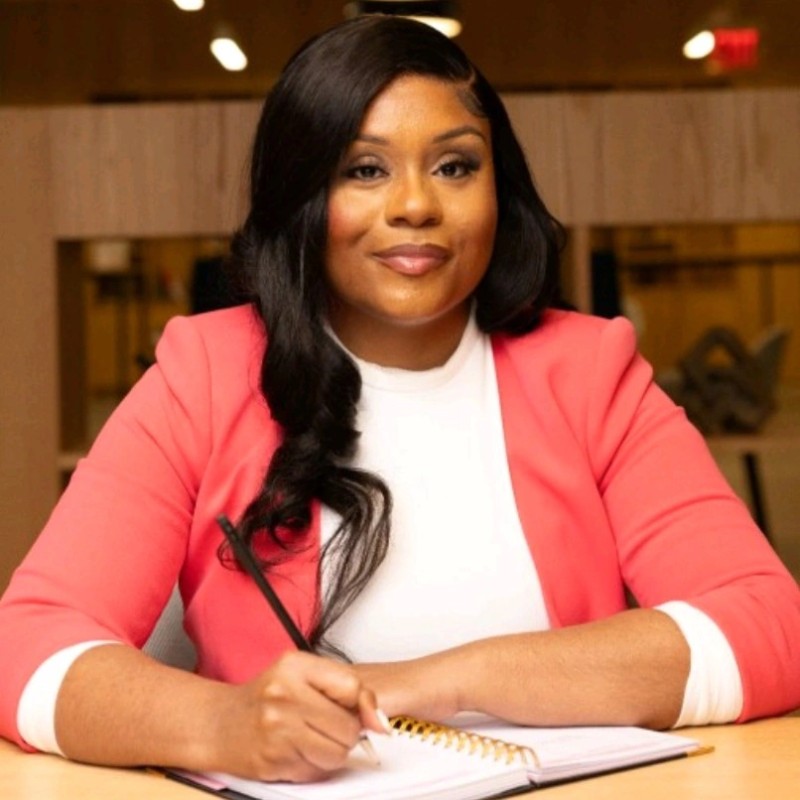
As part of the Morning Lazziness series highlighting empowering women who are making a remarkable impact with their ideas, I had the pleasure of interviewing Tenyse Williams.
Tenyse Williams is a nationally recognized digital marketing visionary and the Founder & CEO of Verified Consulting, a Certified Minority and Women-Owned Business Enterprise by the City of New York. She is renowned for her expertise in social media, influencer relations, and brand building, delivering measurable results for companies, nonprofits, and celebrity personalities across industries.
With a client roster that includes Samsung Live Events, Google NYC, The Nelson Mandela Foundation, BET Awards, The Museum of Food and Drink (MOFAD), and Farmacares, Tenyse has built a reputation for creating strategic awareness campaigns, high-impact partnerships, and initiatives that elevate profiles and drive growth.
An Adjunct Instructor in Digital Marketing at Columbia University, George Washington University, and the University of Central Florida, she is also a sought-after event producer and moderator, having led sold-out panels for Samsung, FSR Magazine, and MOFAD. As a restaurant journalist, she authors a bi-monthly Q&A series for FSR Magazine, spotlighting Black-owned restaurants nationwide.
Her expertise has been featured in leading outlets including Forbes, Business Insider, TIME, American Express, and TODAY.com, making her an influential voice shaping the future of marketing and brand storytelling.
In this interview, she delves into the challenges, successes, and wisdom she has gained from over a decade of transforming online businesses.
Why did you want to start your own PR agency, and how did you land your first client?
It was created from a desire to share those stories that typically didn’t get shared. I saw the brilliance in small business and community leaders who were not getting their voices heard—and I wanted things to change. I saw the power of storytelling and how PR could leverage visibility into opportunity.
My first paying client was the CEO of one of the largest Black-owned airlines in the Bahamas. That was through a referral after doing several media outlets, including NY1, Inside Edition, and an online outlet where I booked talent like Keke Palmer. That first client launched me into starting my own boutique agency, Verified Consulting, in addition to instructing digital marketing and public relations at Columbia University, George Washington University, and UCF.
What are some of the unique challenges you’ve faced as a woman entrepreneur in the PR field, and how did you overcome them?
While they are so many women in the PR industry ( which is amazing!) , breeching the gatekeepers as a Black woman agency founder and not working for a fortune 500 agency has been a journey. The majority of big, high-profile campaigns are funneled to larger agencies with greater infrastructural backing, and budgets. I bypassed that by making my work screams louder than any résumé—I focused on providing results-driven work and building long-term relationships. Word-of-mouth, consistent wins, and strategic partnerships became my superpowers. This is how I was able to land major corporate partnerships for my clients including, Pepsi, Samsung, Google and more.
How do you stay ahead of the curve in a constantly evolving industry that’s constantly evolving with media and technology?
I stay connected to cultural moments and emerging tech by teaching digital marketing, active usage of platforms like LinkedIn and TikTok, and ongoing trend-watching for clients. I also believe it’s helpful to *make friends with journalists and influencers prior to pitching*—so I’m not following along with trends; I’m an early participant.
What is your go-to method for building intimate, long-term relationships with clients and the media?
Listening. Too many pitch without knowing. I take time to listen for the client’s “why” and match it with the media’s “what.” With press, I take special care to pitch stories that align with their beat and provide value—over volume. I believe in authentic storytelling over performative buzz.
What is a campaign or moment in the media that you’re most proud of—and why is it memorable?
My proudest moment was managing the PR and strategic partnerships for the Marcus Garvey Institute for Human Development. We worked to secure President Joe Biden’s posthumous pardon of Marcus Garvey, and we spread awareness of his legacy with press coverage across the country.
Another highlight: being commissioned by Samsung to develop and host “Culinary Chronicles” in their NYC office, the start of NYC Restaurant Week. Our event consisted of restaurant owners and influencers where we were all featured on a Samsung billboard in Times Square. To see community, culture, and corporate synergy align in this manner was a moment of special meaning. To add this past Black History Month I hosted a sold out event at MOFAD ( the musuem of Food and drink) where I featured Black-owned CPG startups/ and restaurant owners for an evening of networking and live tastings.
Currently I have my own bi-monthly column for FSR magazine where I talk about Black-owned restaurants nationwide.
What platforms or strategies have been most effective in building your own brand visibility?
LinkedIn, Instagram, & Tiktok has been one of my greatest tools for thought leadership and networking. Speaking engagements, online seminars, and being an active contributor in publications like FSR Magazine have helped build credibility. I also spend time building relationships in person—it’s not all online, it’s personal too.
How has mentorship enriched your career, and how do you pay back others in the industry?
Mentorship has played a central role. From boardrooms to newsrooms, individuals have opened doors and encouraged me to lead. I return the favor by teaching, offering internships, and mentoring rising entrepreneurs—especially women of color in public relations—how to box their genius and position themselves in this arena.
How do you handle high-pressure situations or crises, for a client or your own business?
I analyze the landscape, see through the real vs. perceived crisis, and focus on managing the manageable. I have guided press crises, brand transformation, and crisis digital reputations. My approach: stay calm, communicate clearly, and always lead with openness and empathy.
What’s one piece of advice you’d give to women entering the PR or communications industry today?
Don’t chase the press, chase purpose! The media industry is shifting, and the people who succeed are those who know “what” they stand for and “who” they’re talking to. Stay rooted in values, build authentic relationships, and always be present with integrity.
What are the 5 things you think are most important to breaking through self-doubt and building confidence in this space?
1. Start before you’re ready.
I launched Verified Consulting on a laptop and $300 in my Brooklyn apartment. If I had waited until I was “ready,” I’d have overlooked all the opportunities that drove my company.
2. Track your victories.
Whether client feedback, press mentions, or behind-the-scenes wins—document them. Confidence grows when you look back at how far you’ve traveled.
3. Identify your tribe.
Surround yourself with people who make you feel like you’re worth it and push you to think bigger. Community is a cure for imposter syndrome.
4. Invest in your skillset.
Competency builds confidence. Keep learning—be that through classes, mentors, or even tutoring.
5. Lead with your story.
Your story, your culture, your journey—they are not roadblocks; they are your power. Own them.
Do you have a quote, mantra, or philosophy that guides your decision-making and leadership?
“Visibility creates opportunity.”But not easy visibility—intentional, thoughtful visibility. For myself or for my clients, I am determined to tell stories that leave a legacy.
If you could initiate a movement that would do the most good for the greatest number of people, what would it be?
I would create a community of underrepresented business owners—specifically in food and hospitality—with a focus on strategic partnerships, tailored eco-systems,capital, affordable marketing access, and long-term business stability. So many of our restaurants and food businesses are cultural institutions, and they deserve a complete menu of support.
How can our readers keep following your work online?
You can follow me at:
