

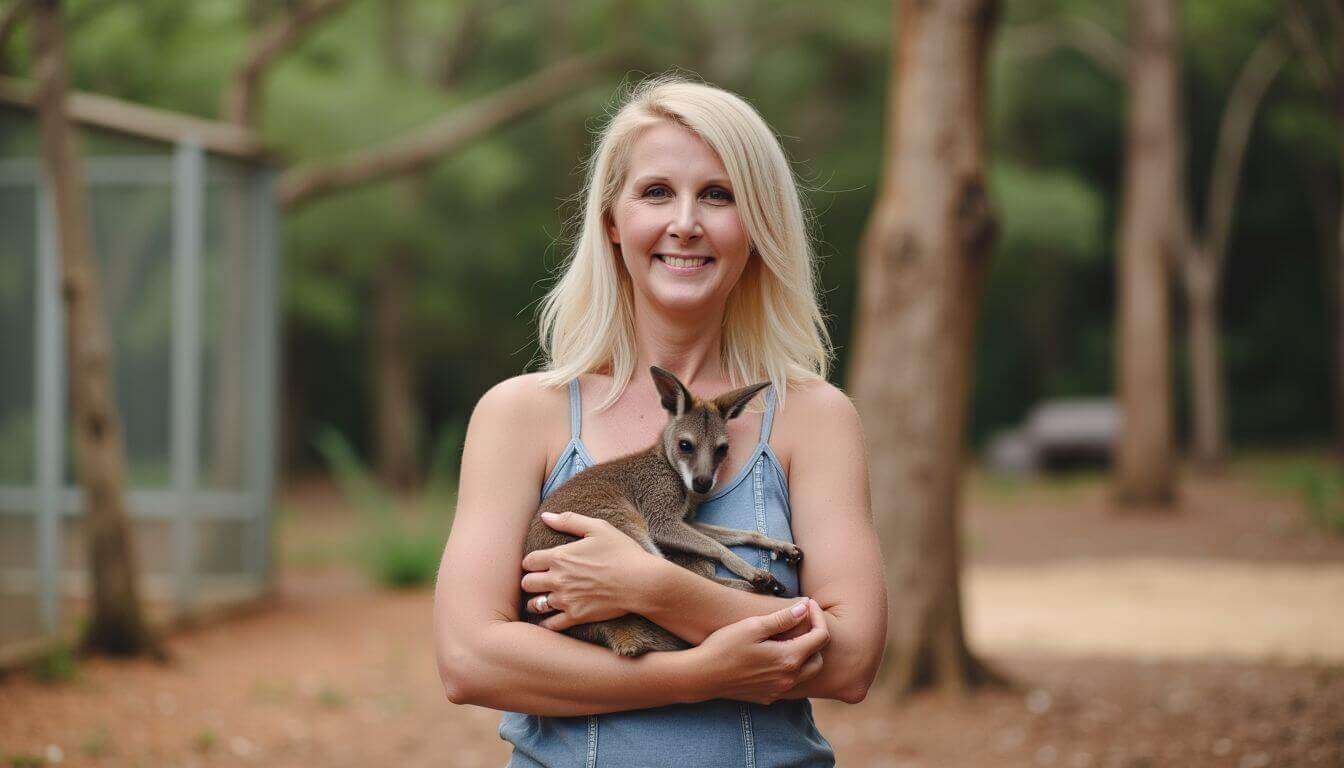
As part of the Morning Lazziness series highlighting empowering women who are making a remarkable impact with their ideas, I had the pleasure of interviewing Tracy Leske.
Tracy Leske is an award-winning entrepreneur, conservationist, and passionate advocate for ethical travel. As co-founder of Oceans 2 Earth Volunteers, Tracy’s journey began with a transformative experience volunteering with rescued elephants in Thailand, igniting a lifelong commitment to animal welfare and environmental protection. With her sister Cassie by her side, Tracy turned this inspiration into action, building an organization that empowers people to make a meaningful difference through hands-on volunteering in wildlife and marine conservation.
Under Tracy’s leadership, Oceans 2 Earth Volunteers has received accolades including multiple Gold Stevie Women in Business Awards and the REIQ Community Services Award, and has been featured on Morning Sunrise. Tracy’s proudest milestones range from welcoming the first volunteer to a Victorian wildlife shelter, to expanding programs that document over 50 unique wild turtle sightings and deliver vital citizen science data to the Great Barrier Reef Marine Authority.
Tracy is known for her unwavering integrity, community spirit, and a leadership style grounded in gratitude—not just for recognition, but for the everyday contributions of volunteers who carry their experience into broader conservation advocacy. She believes that sustainable impact comes from combining passion with purpose, and she encourages other young women entrepreneurs to harness the power of the digital world to share their message, connect with changemakers, and build ventures that matter.
For Tracy, success is measured not just by growth or awards, but by the ripple effect of kindness, courage, and real change she helps foster for the planet and its wildlife.
In this interview, she reveals the mindset shifts, bold moves, and lessons that helped her turn ideas into impactful online businesses.
What inspired you to start your business, and what problem were you passionate about solving?
The spark for Oceans 2 Earth Volunteers came when my sister Cassie and I volunteered with rescued elephants in Thailand. Witnessing their resilience and the impact of ethical care, we were moved to create opportunities for others to make a real difference—ensuring every volunteer experience genuinely benefits animals, the environment, and local communities. We wanted ethical travel to be accessible and purposeful, countering exploitative tourism and providing authentic ways for people to be part of meaningful conservation.
How has your business evolved since its launch, and what key decisions helped drive that growth?
We began with one wildlife shelter in Victoria and have grown to offer marine, animal, and environmental programs Australia-wide and beyond. Each step of expansion was deliberate—always choosing partners who share our ethical standards and only selecting projects with tangible and ethical impact. Our decision to focus on citizen science and direct conservation efforts has made our marine programs not just immersive, but truly valuable for contributing to the protection of vulnerable species and habitats.
In your view, what truly sets your brand apart in today’s competitive market?
Our unwavering commitment to ethics and transparency. Every program is designed first and foremost for the welfare of animals and ecosystems, not profits. We ensure that volunteers receive honest information, that our actions are accountable, and every project leaves a positive legacy. We’re proud to be a woman-led, values-driven family business making real change in conservation, with volunteers as part of our extended family.
What has been your most effective marketing strategy to date, and why do you think it worked so well?
Storytelling—sharing real-life impact stories and authentic volunteer experiences has been incredibly powerful. Whether it’s a turtle sighting, a beach clean-up, or a heartfelt testimonial, these personal stories foster genuine connections and inspire our audience to take action. People want to know their time and energy create ripples of change, and we show them exactly how.
How do you stay connected to your audience?
We stay connected to people who aim to travel with purpose and contribute meaningfully to conservation and those volunteers who have donated their time freely to join one of our programs, whether it’s working at a wildlife shelter or surveying the Great Barrier Reef. For us, it’s not just about one trip; it’s about fostering a community of changemakers who carry their experience with Oceans 2 Earth Volunteers far beyond the project itself.
The stories and feedback our volunteers share are invaluable—they help us understand what inspires them and what global challenges matter most to them. Many of our alumni stay involved by spreading the word, returning to new projects, or collaborating on fresh conservation initiatives.
What’s one branding move or campaign that helped elevate your business to the next level?
Our game-changing branding move was the launch of our ethical calculators—EthicCheck and GreenGauge. In an industry often clouded by glossy voluntourism marketing, these tools gave our brand a unique voice of radical transparency.
Instead of asking people to take our word for it, we built interactive calculators that let volunteers measure the ethics of a project or their own travel choices—factoring in animal welfare, environmental sustainability, community benefit, and financial transparency. Each project on our website now carries an Ethical Score, derived from these calculators, so volunteers can see exactly how impact is measured, not just promised.
This shift elevated our business by transforming branding into proof. It positioned Oceans 2 Earth Volunteers as a thought leader and disruptor in the sector—where marketing isn’t just storytelling, but an invitation for travellers to make informed, values-driven choices. For our audience, it signalled that we’re not selling an experience—we’re safeguarding their ethics and their impact.
What does success look like for you in purpose or impact?
Success, for me, is when a volunteer leaves one of our programs not only knowing they’ve made a hands-on contribution to conservation, but also feeling changed in their outlook on the world. It’s about seeing someone become more connected to nature, developing new habits that support animal welfare and sustainability, and sharing what they’ve learned with others back home.
The real impact goes far beyond numbers. It’s in the stories—volunteers who stay involved in conservation, who start new eco-friendly initiatives in their own communities, or who come back to join us on another project because they want to keep making a difference.
How do you personally define success?
True success for me is seeing more animals cared for and released back into the wild, habitats protected, and people inspired to make ethical choices in travel and daily life.
Can you share a challenge or setback that ultimately became a turning point for your brand?
One of our biggest challenges was trying to compete with large, profit-driven volunteer travel companies. They had big marketing budgets, glossy campaigns, and the ability to dominate search and social channels. As a small, ethical non-profit, we quickly realised we couldn’t—and shouldn’t—try to outspend or outshine them on their terms.
That realisation became our turning point. Instead of chasing their style of polished promotion, we leaned into what made us different: radical transparency and authenticity. We built tools like our ethical calculators (EthicCheck and GreenGauge), reshaped our message around being ethical, transparent, impactful, and charity-led, and openly shared fee breakdowns. This reframe turned our size into an asset—showing volunteers we weren’t selling them a packaged product but inviting them into a movement.
What began as a setback—limited resources—ultimately became our strength. Competing on ethics, not budgets, allowed us to redefine what leadership in volunteer travel looks like.
What daily habits or rituals keep you focused, creative, and grounded as a leader?
One of my most important daily habits is practicing personal gratitude—especially for our volunteers, whose dedication and compassion inspire me every day. Taking time each morning to reflect on the difference they’re making keeps me grounded and reminds me why this work matters. I often revisit volunteer stories or messages that highlight their growth or the positive changes they’ve sparked both on our projects and in their own communities.
I also stay mindful that the challenges facing wildlife and the environment are ongoing—the problem isn’t going to disappear overnight. People and development will always put pressure on our natural world, and it’s crucial not to turn a blind eye to the harm being done. Instead, I try to stay engaged and proactive, using this awareness to fuel my creativity and commitment to real solutions. By acknowledging the scale and complexity of these issues each day, I stay focused on growing Oceans 2 Earth Volunteers as part of the answer, while encouraging our community to keep caring, acting, and never giving up.
How do you approach innovation and risk in your business strategy?
For us, innovation begins with asking: how can we do this differently, and more ethically, than the industry norm? In volunteer travel, the greatest risk isn’t financial—it’s ethical. Cutting corners with animal welfare, transparency, or community benefit can erode trust overnight. That’s why we take calculated risks only when they reinforce our values.
We’ve built ethics directly into our governance framework through our Ethical Standards and Wildlife Codes, which guide decisions as much as traditional business methods. Alongside this, we maintain a thorough and detailed risk mitigation model for all our programs—ensuring volunteer safety, safeguarding communities and wildlife, and protecting the integrity of our projects.
We also apply structured processes to manage risk in growth and innovation. Every potential new project goes through a three-step audit system to assess fit, safety, and alignment with our ethical standards, and we publish annual impact reports to hold ourselves accountable. This approach allows us to remain agile and pioneering while ensuring every innovation strengthens our mission, our credibility, and the trust of our volunteers.
What advice would you give to someone starting a business in today’s fast-changing digital world?
If I could share any advice with young women entrepreneurs, it’s this: build your business on what excites and moves you. Combine your passion with your values—when those two things line up, the work never feels like a chore. Keep learning and surround yourself with people who support and inspire you. Don’t be afraid of setbacks. The digital world gives you countless tools to share your story, connect with like-minded people, and amplify your message far beyond what was possible before. Embrace social media, online communities, and virtual collaboration to build real connections and find your audience wherever they are. Keep experimenting, refine your approach based on feedback, and use technology to turn your passion into genuine impact. Above all, remember that even small actions online can spark big change—so be authentic, keep your values front and centre, and let the digital world help you leave your mark.
Be brave, be kind, and follow your heart. Success isn’t just about awards or numbers—it’s about making a real difference and enjoying the journey along the way. If my story shows anything, it’s that with commitment, passion, and a strong sense of purpose, you can build something meaningful not just for yourself, but for your whole community and the world.
Where can our audience connect with you and learn more about your work or offerings?
You’ll find us at Oceans 2 Earth Volunteers and on Instagram. Reach out any time—whether you want to learn, volunteer, collaborate, or just chat about how ethical travel and conservation can change lives. I always love hearing from people who care!
