Home Blog Page 23

Jordan Cracknell on Women in Finance, Confidence, and Inspiring the Next Generation

0

As part of the Morning Lazziness series highlighting empowering women who are making a remarkable impact with their ideas, I had the pleasure of interviewing Lauren Anders Brown.

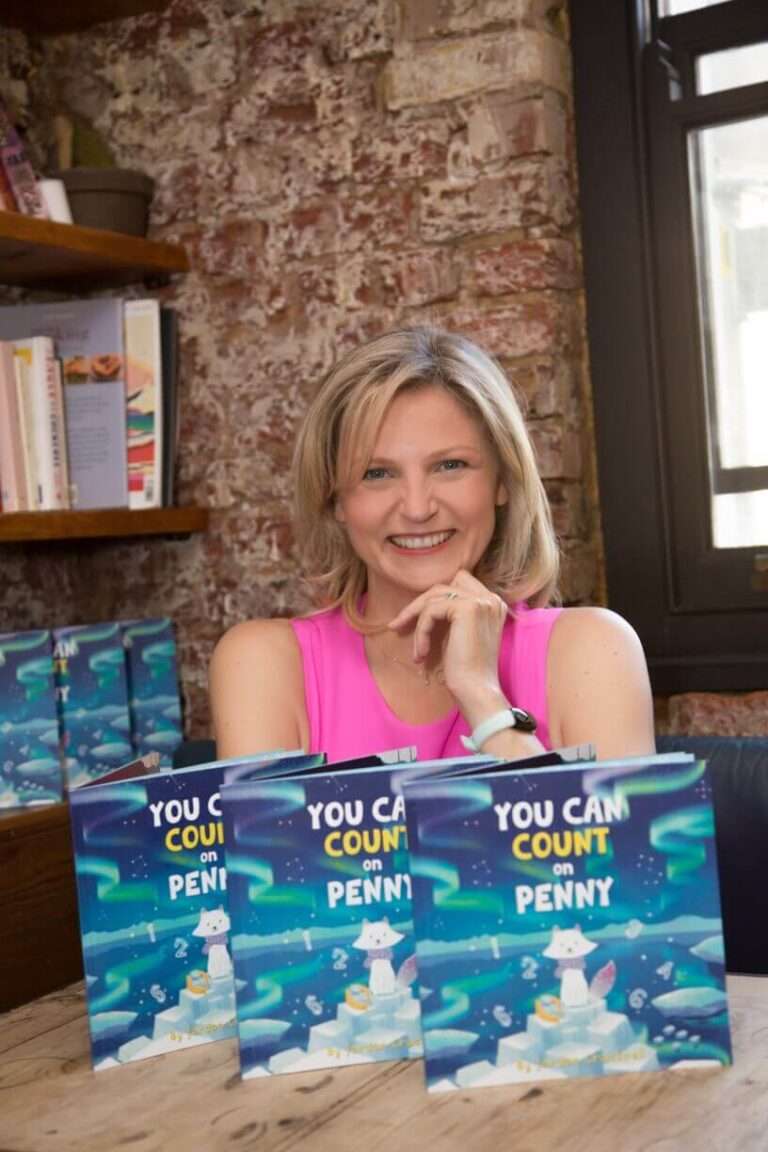
Jordan Cracknell is a UK-based financier, author, and advocate for women in finance. She is the author of You Can Count on Penny, a children’s book designed to spark a love of mathematics in young readers, and her opinion pieces have appeared in leading publications including TODAY.com, Metro.co.uk, and City AM.

A native New Yorker, Jordan holds an MBA from the University of Cambridge and an MSc in Finance from Baruch College. Her passion for finance was first ignited during “Take Your Daughter to Work Day” with her father at the World Trade Center, an experience that inspired her to pursue a career in the industry.

Jordan’s career spans investment banking and trading, with experience at global firms such as Deutsche Bank and Renaissance Capital. From building pitch books straight out of university to thriving on fast-paced trading floors, she has forged a dynamic career while championing greater representation for women in finance.

Now living in the UK with her husband, double Olympic gold medalist James Cracknell, Jordan balances her professional pursuits with stepmotherhood, writing, and mentoring. She is dedicated to empowering the next generation to confidently manage money, pursue careers in finance, and break barriers in the industry.

In this interview, she reveals the mindset shifts, bold moves, and lessons that helped her turn ideas into impactful online businesses.

What first drew you to the world of finance, and how did you find your path to becoming CEO of a global financial services company?

My father worked in finance, and so when I was younger, he would take me to the office. During my university years, it wasn’t on my radar as a potential career path. At that time, I worked in event planning for large-scale events, for clients such as Land Rover and the US Open. Our office happened to share an office with an investment bank. After graduating, my mom suggested I ask them for a job. So I marched on over to the head guy and I got hired! It was kismet. I loved working in finance, and through networking, I found the job I have today! 

As a woman leading in a male-dominated industry, what have been the biggest challenges—and how have you turned them into opportunities?

You have to be confident and sure of yourself, even when internally you don’t feel that way. Everyone has self-doubts, and it took a while for me to figure that out. I thought it was just me! During my first year of work, I mostly felt awkward and out of place. I was my own worst enemy. Over time, those feelings disappeared. There are only so many times you can feel uncomfortable about things. It is similar to exposure therapy; the more you do something, the less scary it becomes. 

You’re often the only woman in the room—what mindset shifts or strategies have helped you thrive in those moments?

I viewed the men I worked with as brothers and treated them as such. It helped immensely with interpersonal dynamics.

What misconceptions do you think hold young women back from exploring careers in finance?

That it is for men only. This is only from years of social conditioning. The reality is there are many intelligent and capable women working in finance already. There are incredible women who speak multiple languages, who run large teams, from countries all around the world working in finance right now. Go onto LinkedIn and start networking and reaching out to these amazing women! You will learn so much! 

How can women become more financially empowered, even if they feel intimidated by investing or managing their finances?

The internet is your friend! YouTube and The Khan Academy have amazing and free resources for those new to the world of finance. The library is always another option. 

What are some practical, everyday actions women can take to build financial literacy and independence?

Be inquisitive and take action, whether by asking someone for help, taking a class, watching a video. Believe in yourself! 

In your view, what untapped opportunities currently exist for women in the finance industry?

Fintech and crypto-related segments in financial services are worthwhile learning about only because the regulatory environments for these are changing in certain countries such as the United States.  Major banks now have divisions focused on these.  Similarly, AI applications within the financial sector are being embraced in day to day to operations.  Anytime there is a new technology, it engenders opportunity.  And even if the segment itself fails, going after a new opportunity is a way to get one’s foot in the door.

What inspired you to write You Can Count On Penny, and why was targeting young audiences important to you?

We know already that children start thinking about career goals surprisingly early, around the age of seven. Having conversations about careers in the lead up to this can be inspiring and help them discover a career they might not be aware is possible for them.

I undertook some research via a OnePoll survey. A third (32%) of the parents I studied have a child that loves maths. Yet more than eight in ten parents have never discussed with them their children how maths can lead to a career in finance. They Parents described a lack of the right resources and role models available to help them feel more comfortable to do so. Over a quarter of parents (27%) also believe that the finance industry is better suited to men than women.

Having looked into books available, and finding a lack of a ‘little miss banker’-type stories for children, I decided to combine my love of writing with my passion for advocating for more women in finance and created You Can Count on Penny as a tool for both parents and stepparents to open up conversations about careers, in a fun way with a book that children can love.

How do you hope your book will shift perceptions about who “belongs” in finance-related careers?

I hope readers are encouraged by little Penny and her love of numbers and math! At the end, she saves the day! 

The proceeds from your book go to Education and Employers—why was it important for you to align with this cause?

I liked what they stood for. They run the “Primary Futures” programme, which helps children understand the link between their education and future careers. I felt it was a good fit! Their vision is providing children and young people with the inspiration, motivation, knowledge, skills, and opportunities they need to help them achieve their potential.

After two decades in finance, what are three key money lessons you wish everyone—especially women—knew?

Build a detailed budget encompassing every possible expenditure. Make certain your expenses are in line with your income and stick to it. Revisit it every year, preferably with your financial advisor.

What role do you think confidence plays in financial decision-making?

I think it is massive. One must be confident when it comes to making your own financial decisions. Otherwise, it invites others to make those decisions for you, and at the end of the day, you are your own best cheerleader. 

How do you balance your demanding career with your personal life, especially as the spouse of a high-profile athlete?

I try to keep a very organized schedule! It helps that James also has that same mind-set. We have a good flow between us in managing home stuff and work stuff. James loves to go food shopping and cook, while I do more cleaning. We make a good team. 

If you could give one piece of advice to your younger self about money and career, what would it be?

Be more confident.

For those inspired by your mission, where’s the best place to connect with you, follow your journey, and learn more about your work? 

My Instagram and website.

From U.S. Diplomat to Visa Coach: How Della Helps Applicants Succeed at Visa Interviews

0

Della is a former U.S. Visa Officer with over 17 years of experience conducting visa interviews and leading international exchange programs, including academic and cultural initiatives. As a U.S. Diplomat fluent in Spanish and Mandarin, Della served in high-volume consulates across the globe—including Santo Domingo, Guatemala City, Lima, Taipei, Beijing, and Manila.

Her deep expertise in F-1 student and J-1 exchange visas makes her exceptionally skilled at helping applicants navigate the visa process with confidence. At VisaSuperior, Della provides personalized coaching to ensure clients are fully prepared, understand what visa officers look for, and know how to communicate their story clearly and effectively. She can help you prepare for success with U.S. visa practice interviews.

If you want expert guidance from someone who’s been on the other side of the visa window, Della is your trusted ally for a successful interview.

What inspired you to start your business, and what problem were you passionate about solving?

My husband Robert and I are the co-founders of VisaSuperior.com, an online consulting service for U.S. non-immigrant visa applicants. We’re both former U.S. visa officers with over 35 years of combined experience at the U.S. Department of State, where we approved and denied thousands of visa applications.

We launched VisaSuperior after retiring because we wanted to continue helping people—just as we did during our diplomatic careers. I previously managed international exchange programs and saw firsthand how transformative travel and cultural exchange can be. Now, we use our insider knowledge to help clients prepare for the high-stakes visa interview, increasing their chances of success and creating strategies for those facing possible denial.

Starting a business after decades in government service has been both a challenge and an adventure. We’ve learned web development, SEO, and social media from scratch, constantly adapting and growing. It’s been rewarding to reinvent ourselves while empowering others to achieve their U.S. travel dreams.

How has your business evolved since its launch, and what key decisions have helped drive that growth?

When we first started VisaSuperior, we thought it would be relatively easy to attract attention to our website through video posts on social media.  We had not previously managed social media marketing and were surprised to learn how difficult it is to rank highly in Google Search so that people who are looking for visa consultants can find our business.  I took the free online classes from Hubspot Academy on Search Engine Optimization and learned quite a few pointers that have helped us improve our searchability.  One of the key insights has been about the importance of earning backlinks.  We have been steadily working at it, but it’s been a slower process than we’d hoped. Nonetheless, we established specific SEO goals and have seen improvement over the past few months. Fortunately, we’re also beginning to see an uptick in customers. It’s not yet where we want it to be, but we will keep working at it.

In your view, what truly sets your brand apart in today’s competitive market?

Did you know that 1 out 4 U.S. tourist visa applications are denied and 1 out 3 U.S. student visas are denied?  Those aren’t very good odds.

But why does this happen?  It’s not because the applicants are not qualified for the visa.  It’s usually because they didn’t prepare well for their U.S. visa interview.

As prior U.S. visa officers and diplomats who have approved and denied thousands of visas and who have supervised visa officers, we understand the decision-making process for visa approvals and denials.  We know what factors are most important to the visa officers making these decisions. We use that inside knowledge to help our customers fill out their DS-160 U.S. visa application form correctly and practice for their visa interview. We don’t use templates or generic guides, but instead provide a one-on-one consultation with each of our clients so we can provide them with specific advice for their situation. 

Utilizing this approach, we’ve helped students, professionals, businesspeople, and tourists from around the world to successfully obtain their U.S. non-immigrant visa and achieve their American Dream!

What has been your most effective marketing strategy to date, and why do you think it worked so well?

Our most effective marketing strategy so far has been to offer free consultations with businesses and organizations whose customers rely on having a U.S. non-immigrant visa.  For instance, there are international exchange program sponsor organizations whose clients need U.S. visas in order to participate in the program. We’ve met with several of them and provided a free overview of the U.S. visa process. In exchange, they’ve provided us with client referrals.  This has provided the most reliable and effective source of customers so far.

How do you stay connected to your ideal audience and understand their needs or behaviors?

To understand the current concerns and needs of our customers, we monitor Facebook groups where our target customers tend to go to ask questions about the U.S. visa process.  We reply to their questions and then use that information to plan new videos and blogs.  We also carefully review any comments left on our social media pages to note trends in what our viewers are asking about the U.S. visa process.  We pride ourselves on a timely and thorough response to all audience comments and e-mails.

What’s one branding move or campaign that helped elevate your business to the next level?

One mistake I made early on was focusing exclusively on my target customers, thinking that direct outreach was the only path to growth. I overlooked the power of building relationships with other businesses and organizations that serve similar audiences. It wasn’t until much later that I realized how much opportunity I’d missed by not collaborating. It’s the difference between fishing with a pole and casting a wide net—when we pool our networks, we create ripple effects that benefit everyone.

If I could go back, I’d prioritize strategic partnerships from day one. The boldest move I made was reaching out to a non-profit organization with a similar target audience to co-host a webinar. It felt risky, but it doubled our reach and built unexpected trust with our audience.

One surprising lesson? Your “competitors” aren’t always competition. Sometimes they’re your most valuable allies. Conventional wisdom says protect your turf, but I’ve learned that generosity and shared goals often lead to significant growth.

What does success look like for you, not just in numbers, but in purpose or impact?

Beyond the goal of earning enough profit to fully support my family, my goal is to provide a high quality service that helps our clients to achieve their American dream.  I have seen the power of international travel and what it can do to change negative perspectives of another country’s people and culture.  Travel opens doors and minds and I’m very glad to do what I can to assist people in their quest to visit the United States.

How do you personally define success, beyond revenue and growth metrics?

Have you ever done anything that caused your friends and family to think you had lost your mind?  After two decades of serving as a U.S. Diplomat, I decided to quit my job and start my own business, VisaSuperior.com. This was not an easy decision.  I loved my career at the U.S. Department of State where I had the great joy of managing international exchange programs. Every day, I witnessed people courageously traveling abroad, experiencing new cultures, and coming away with a completely altered view of the world and their own place in it. I truly enjoyed my work, and I had many reasons to stay.  I was scared to make the change from having a consistent, reliable income, and doing what’s familiar and easy.   However, the work was no longer a challenge for me.  I was stagnating and needed something to take me out of my comfort zone so I could continue to learn and grow. Since starting VisaSuperior, an online U.S. visa consulting company, I have been learning completely new skills – web development, search engine optimization, social media marketing, and sales and marketing. Much of it has been terrifying because whatever I do, there is no one to blame for mistakes except for myself.  At the same time, it’s been deeply gratifying because I have so much latitude to learn, be creative, experiment, evaluate and make changes along the way.  Despite the financial risks, I have been enjoying the adventure of owning my own business and I am glad I had the courage to make this change. 

Can you share a challenge or setback that ultimately became a turning point for your brand?

When we started VisaSuperior, we did not fully understand the importance of Search Engine Optimization.  This was not something we had ever worried about as U.S. Diplomats, so it was a completely new concept to us.  Fortunately, we were able to learn more about this from free online courses and we have been able to make significant progress toward moving up in the search engine results. 

What daily habits or rituals keep you focused, creative, and grounded as a leader?

Every day, in addition to getting through my to-do list for VisaSuperior, I try to keep in the habit of getting exercise, eating healthy food, spending time with my husband and two kids, learning something new, reading, and getting enough sleep.  I find that it can be easy to let work take over everything, especially as a small business owner.  There is always more work to do.  So it’s vitally important to carve out time for each of these activities each day.  On the other hand, if I don’t get to all of these things in one day, which happens often, I don’t beat myself up about it.  After all, there are only 24 hours in every day!

How do you approach innovation and risk in your business strategy?

One of the best aspects of owning a family-run small business is that whatever we think of as an approach to our business or new idea for how to market our services, we can try it out.  We don’t need to ask permission or get a committee to approve it. If it doesn’t work, then we try something else.  We set goals, we measure results, and we adjust our strategy.  We love having the latitude to innovate, be creative, and try new things!

What advice would you give to someone starting a business in today’s fast-changing digital world?

On the positive side, in today’s fast-changing digital world, there are many tools and applications that are free or low-cost that are super helpful for small businesses just starting out.  It is quite a difference from just five or ten years ago.  Also, it’s incredibly easy to make and edit videos and to get them out in front of people quickly and for very little cost. In addition, AI tools can significantly save time on editing and creating graphics.  We’ve been impressed and grateful for all these changes which have allowed our startup costs to be quite low.  For anyone who is starting a business right now, I encourage you to look carefully into all the free and low-cost options available before you sign up for expensive subscriptions or head right into paying for big ad campaigns.  You can get quite a bit done through bootstrapping!

On the other hand, it’s been challenging in this media rich environment to get as much attention on our website and social media posts as we’d like to see.  It’s so difficult to break through and get seen by our ideal target market. We are spending our savings to make this enterprise work, so we have been reluctant to pay for advertising.  But it’s a direction we need to think about so we can grow our business further. 

Where can our audience connect with you and learn more about your work or offerings?

Please check out our website for free information and resources – Visasuperior

If you’d like us to help you practice and prepare for your U.S. visa interview.

For questions, feel free to e-mail us anytime at Info@VisaSuperior.com

We continually release new videos about the U.S. visa process and any new visa policies that may impact you, on all of our social media accounts.  

Follow us to stay up to date!

YouTube
Instagram
Facebook
LinkedIn
TikTok

Empowering Beauty & Ambition: Queen Mide on Building WINSOME by TAH

0

As part of the Morning Lazziness series highlighting empowering women who are making a remarkable impact with their ideas, I had the pleasure of interviewing Queen Mide.

Queen Mide, also known as Iyimide Shola-Shittu, is the visionary founder of WINSOME by TAH, a beauty brand redefining what it means to shine from the inside out. An advocate and entrepreneur passionate about empowering women, Queen Mide created WINSOME to celebrate the modern professional woman—her ambition, elegance, and individuality.

WINSOME by TAH goes beyond lip gloss. Every product is clean, inclusive, and unapologetically elegant, designed to inspire confidence, self-expression, and authenticity. Under Queen Mide’s leadership, the brand champions the belief that beauty and ambition go hand in hand.

With a mission to empower women everywhere to pursue their goals and embrace their unique glow, Queen Mide and her dedicated team of dreamers and beauty enthusiasts are building more than a brand—they’re nurturing a community where women connect, uplift, and shine together.

In this interview, she reflects on the pivotal moments, hard-earned lessons, and defining wins from her journey in building thriving online ventures.

What inspired you to become an entrepreneur in the beauty industry, and what led to the creation of your brand or product line?

Winsome by TAH was born from a personal gap I kept seeing — and feeling — in the beauty space. As a Black woman, I often found myself mixing shades, compromising on pigment or comfort, or feeling like I was never truly the intended customer. I wanted something that represented softness, richness, joy — and boldness. I’m an engineer by training, but a creator at heart, and building this brand allowed me to merge both worlds. Winsome is my love letter to women like me — a space where confidence meets care.

As a woman navigating the beauty business world, what unique challenges have you faced, and how did you overcome them?

Whew. So many. One of the hardest parts has been working with creatives or collaborators who may not truly believe in the brand — or worse, try to take advantage of it. Finding people who align with your values and genuinely want to help you build (not just benefit) is tough, especially when you’re just starting.

Another challenge has been getting people to believe in the authenticity of what we’re creating. The market is saturated, and even when you’re clearly addressing an unmet need, people often overlook you because you’re new, or because your story doesn’t fit the typical mold. I’ve had to be incredibly intentional — staying grounded in the brand’s purpose, showing up consistently, and letting the work speak for itself. Winsome isn’t a trend. It’s a truth.

Another big challenge has been access — to funding, networks, and clear information. Beauty can be gatekept, and starting as a bootstrapped, Black woman-led brand meant I had to build a lot from scratch. I overcame that by being resourceful, leaning into my community, and asking for help even when it felt uncomfortable.

The beauty industry can be both competitive and demanding—how do you maintain personal well-being while growing your brand?

I delegate — a lot. I’ve learned that I can’t (and shouldn’t) do it all. I rely on my operations lead, community manager, and virtual assistant to keep things moving.

I also try to take advantage of support where I can, whether it’s from family, friends, or community members who genuinely want to see me win. And most importantly, I’ve learned that rest and boundaries are part of the work. Resting doesn’t mean I’m not committed — it means I’m preserving the energy I need to sustain this vision.

Which networking strategies, communities, or collaborations have helped you build meaningful connections in the beauty space?

To be honest, I’m still navigating that space. Some communities feel more like closed circles — expensive to access, or full of unspoken expectations that don’t make room for emerging brands. Other times, you give and give, and don’t receive value in return.

I’ve found that organic connections and peer collaboration go a long way. I’ve been blessed to have friends, fellow founders, and women who pour into the brand without asking for anything back. I’m still on the lookout for spaces that are genuinely inclusive — and if anyone reading this knows of any, I’d love to be pointed in the right direction.

What strategies have worked best for gaining loyal customers and building trust in your beauty brand?

We prioritize clear, honest communication. If there’s a delay, we say so. If someone has a concern, we respond thoughtfully. That personal touch — even in our DMs — has helped us build early trust.

We also involve our audience in the process. From pre-launch surveys to feedback requests, we let our community know: this is your brand, too. And slowly but surely, that’s how we’re building a base of loyal, invested customers.

Transparency. Sharing the journey — not just the polished end product — has helped people buy into the why behind the brand.

Which marketing techniques have been most effective for your business, and how do you measure their success?

Social media has been key — especially Instagram. Our content that feels personal, real, and community-oriented always performs best. But we’re also testing email funnels and in-person brand activations. 

As we grow, we’re testing pop-up experiences in different cities — starting with our launch event. Being in the same room with potential customers, letting them touch, feel, try the product — that’s where the magic is. If you see us coming to your city, please pull up. We’re bringing the glow to you.

Success, for us, looks like engagement, feedback, and connection — not just sales.

Can you share a major setback or turning point in your beauty entrepreneurship journey, and how you navigated through it?

A major one was right before our launch — our event planner dropped out just a week before. I had to scramble, rebuild, and rally the team to pull it off. And we did. That moment taught me that willingness beats perfection.

Another moment was dealing with some creative partners who weren’t transparent or aligned with the vision. It reminded me why contracts matter, why clear communication is key, and why discernment should never be rushed. I truly pray for creatives with integrity — because this space needs more of them.

However, the biggest turning point was realizing I couldn’t wait for perfection to launch. I was holding back waiting on funding, more content, better timing. But the truth is — momentum builds from movement. I decided to launch with what I had, and that decision unlocked everything.

What’s one piece of advice you’d offer to women who are just starting their entrepreneurial journey in the beauty industry?

Build something real before you build something big. There’s so much pressure to scale fast, look polished, or mimic other brands. But the brands that last are rooted in clarity, purpose, and consistency.

Start with what you have, refine as you go, and don’t be afraid to ask for help. You don’t need to have it all figured out to take the first step. And don’t wait for permission. Create what you wish existed.

Is there a quote, mantra, or philosophy that guides your decision-making and leadership as a beauty entrepreneur?

Absolutely. My mantra is: “Be soft and audacious.” “Softness is strength.”

You don’t have to be hard to lead. You don’t have to shrink to win. There’s power in tenderness — in building something beautiful with heart and strategy. I carry that into everything I do.

I remind myself that leading with care — for myself, my brand, and my people — is not a weakness. It’s actually the secret sauce.

What Are The 5 Things You Need To Overcome Self-Doubt and Build Confidence?

  • Clarity of Vision – Knowing your why keeps you anchored when everything else feels shaky.
  • Action – Even small steps build momentum. Doubt thrives in inaction.
  • Community – You need voices that remind you who you are. Keep your encouragers close.
  • Proof – Document your wins, even the small ones. They’re receipts for when imposter syndrome shows up.
  • Permission to Grow – Don’t wait until it’s perfect. Confidence builds through doing, not overthinking.

If you could inspire a movement that would bring the most amount of good for the greatest number of people, what would that be?

I’d start a movement rooted in radical visibility and softness for women of color — especially Black women. We’ve carried so much for so long, and we’re still rising.

Imagine a world where we’re not just surviving, but thriving — in luxury, in ease, in creativity, and in community. Winsome by TAH is a glimpse of that. I want us to have spaces that reflect our full range — not just our resilience, but our radiance.

How can our readers further follow your work online?

You can find me and follow the brand at:

Adriana Herrera on Founding JustVerdict: Redefining How We Find the Right Lawyer

0

As part of the Morning Lazziness series highlighting empowering women who are making a remarkable impact with their ideas, I had the pleasure of interviewing Adriana Herrera.

Adriana Herrera is a seasoned tech entrepreneur, growth strategist, and writer who has spent over 15 years scaling mission-driven companies. She is the founder of JustVerdict, a soon-to-launch platform designed to make finding the right lawyer simpler, more transparent, and based on expertise, not ad spend. With tools like the Legal Clarity Kit and Lawyer Match algorithm, JustVerdict helps users feel confident navigating one of life’s most stressful systems.

Adriana is one of the 0.27% of Latinas to secure institutional venture capital and has a track record of delivering transformational growth. She has scaled SaaS startups from $120K to $9.5M ARR in three months, negotiated and closed a $38M enterprise contract, and driven 241K visitors to a new domain using her Zero-to-Hero SEO methodology. Her campaigns have generated millions in earned media value and secured Tier 1 coverage in NPR, Fast Company, Forbes, TechCrunch, and Business Insider.

Her work building tech for social good earned her a Facebook-funded scholarship to an Engineering Bootcamp, recognition from NBC Universal as a “Top 10 Latino Innovator,” and global features in Entrepreneur Magazine as a “Do Good Business Entrepreneur to Watch.”

After navigating a major health crisis, Adriana continues to focus her career on creating tools that serve people over systems. A former New York Times columnist, she blends editorial expertise, product innovation, and a deep commitment to equity, proving that it’s possible to build companies with impact, integrity, and scale.

When she’s not building JustVerdict, Adriana can be found cooking for loved ones, improving her surfing skills, mentoring underestimated founders, training in the dance studio, and helping underperforming companies unlock growth through strategic consulting. 

In this interview, she offers a candid look at the realities of entrepreneurship, sharing both the challenges and the victories that defined her path.

What inspired you to start your business, and what problem were you passionate about solving?

My first experience needing a lawyer was when I was just 13 years old. I was driving with my father to a dentist appointment when we were rear-ended by a semi-truck on the highway.

The accident left me with injuries that still impact me today. My parents did their best to navigate the legal system, but unfortunately, the settlement didn’t reflect the true extent of my injuries, largely due to not having the right legal guidance.

As I became a business owner, I’ve had to hire lawyers for various needs, from employee agreements to contracts, among other things. The process is always overwhelming, and I’ve learned that not all lawyers are created equal. 

Fast forward several years, and I’ve seen how amusing personal injury billboard ads have become. The thing is… After a car accident, we don’t hire our doctors from a billboard, so why hire a lawyer off one? 

After conducting research, I discovered how tricky some lawyer ad campaigns and websites can be, with websites targeted to Spanish communities being the trickiest.

My inspiration for JustVerdict came from a mix of research and personal as well as professional experiences. I wanted to create tools that: 1.) empower people to confidently find and hire the right lawyer for their specific needs, and 2.) match them with lawyers based on their preferences and needs rather than who happens to spend the most on advertising.

How has your business evolved since its launch, and what key decisions have helped drive that growth?

JustVerdict is still pre-launch. We are testing the tools we’ve built prior to releasing them publicly. This decision was made thoughtfully to ensure the platform not only works seamlessly but also truly solves the challenges people face when hiring a lawyer. Rather than rushing to market, we’ve prioritized user feedback, market research, and building trust as the foundation of our brand.

Key decisions that have shaped our growth include investing in a high-quality matching algorithm, designing an interactive Legal Clarity Kit to guide people through their legal needs, and committing to transparency over ad-driven recommendations. These steps position us to launch with a product that delivers real value, earns trust from day one, and sets us apart in a crowded market.

In your view, what truly sets your brand apart in today’s competitive market?

What sets JustVerdict apart is that we’ve built it entirely around trust and empowerment rather than clicks and ads. So many legal platforms are designed to serve lawyers first. Other companies prioritize whoever pays the most for placement, while leaving people to figure out if they’re actually choosing the right attorney for their needs. I wanted to flip that model.

I see JustVerdict as the big sister who’s been there, done that, and is here to guide you with both personal insight and professional expertise. I’ve been through the stressful legal process myself. I know how overwhelming it can feel. That’s why JustVerdict has built tools like the Legal Clarity Kit to simplify the process, help you define your legal needs, and connect you with the right lawyers based on expertise, location, and personal preferences, not advertising dollars.

It’s this blend of empathy, real-world experience, transparency, and a matching algorithm built around user input that makes JustVerdict far more than just a directory, it’s a trusted partner helping people make legal decisions with confidence and ease.

What has been your most effective marketing strategy to date, and why do you think it worked so well?

Our most effective marketing strategy so far has been leading with transparency and education. Instead of pushing ads or making empty promises, we’ve focused on creating resources like the Legal Clarity Kit and helpful thought-leadership content that truly helps people understand the legal system and feel more in control of their decisions.

This approach has worked because trust is everything in this space. People aren’t just looking for a lawyer; they’re looking for reassurance, clarity, and guidance during stressful moments. By positioning JustVerdict as the “big sister” who’s been there and knows how to navigate the process, we’ve been able to connect with our audience on a human level.

This strategy has naturally attracted organic interest from both users and lawyers, built credibility, and set the tone for how we’ll grow, by being a trusted, expert voice rather than a faceless platform.

How do you stay connected to your ideal audience and understand their needs or behaviors?

Staying connected to our audience is at the heart of everything we build. I spend a lot of time talking directly with people who are searching for lawyers, hearing their stories, frustrations, and fears, and those conversations guide every feature we create.

Given that I’ve been on both sides, hiring lawyers as a founder and working closely with legal professionals, I understand the pressure points for both clients and attorneys. This personal insight, paired with ongoing user feedback, helps us design solutions that are practical and empathetic.

What’s one branding move or campaign that helped elevate your business to the next level?

One of the most impactful branding moves we made was leaning fully into our “big sister” identity, the idea that JustVerdict is here to guide people through legal challenges with empathy, expertise, and honesty. Instead of using intimidating legal jargon or flashy ads, we built a brand voice that feels approachable, trustworthy, and genuinely helpful.

This choice shaped everything: our content strategy, the design of our Legal Clarity Kit, and the way we talk about legal decisions. It also made it easier for journalists and partners to connect with our story because it’s rooted in real experiences and a clear mission.

By positioning ourselves as a guide rather than just another directory, we’ve created a brand people trust and want to share. That’s been key in helping us stand out in a crowded market and earn early media attention even before our official launch.

What does success look like for you, not just in numbers, but in purpose or impact?

For me, success isn’t just about growth metrics or revenue, it’s about creating a platform that truly changes how people experience the legal system. I’ve been on the other side, feeling overwhelmed and unsure of the attorney I hired, and I know how scary it can feel. If JustVerdict can give people confidence, clarity, and a sense of control during those stressful moments, that’s success.

We measure our impact by the trust we build. I want users to feel like they have a big sister in their corner, someone who’s been there and can guide them with both expertise and empathy. If we can make legal help feel accessible and transparent, and help people connect with the best attorney for them, then we’ve done something meaningful.

Ultimately, success looks like empowering people to navigate one of life’s most intimidating systems with dignity, confidence, and support. That’s the impact I’m building for.

How do you personally define success, beyond revenue and growth metrics?

For me, success is about impact and integrity. It’s knowing that the work I’m doing is making life easier for people who feel overwhelmed, lost, or intimidated by the legal system. I’ve been in their shoes, so building a platform that truly empowers people rather than exploiting someone’s stress is deeply personal.

Success also means creating something I’m proud of, that reflects my values of transparency, empathy, and empowerment. 

On a personal level, success is also having the freedom to take care of my family, prioritize my health, and actually enjoy life while making a positive impact. I want to prove that it’s possible to build something meaningful and world-changing without burning out or sacrificing what matters most.

Can you share a challenge or setback that ultimately became a turning point for your brand?

One of the biggest challenges that shaped JustVerdict was actually stepping back from my work to focus on my health. I went through a major health crisis and had to pause everything, which felt like a setback at the time. However, it was that experience that gave me perspective. It reminded me why I wanted to build something meaningful in the first place and pushed me to design a business that values people’s needs and well-being, not just profits.

That pause became a true turning point. It gave me space to reflect on the biggest personal and professional challenges I’ve faced, the tools that made a difference, and the ones I desperately wished existed. That reflection ignited my passion for solving this problem and became the foundation for building JustVerdict.

It also created a stronger foundation, a clearer vision, and a focus on creating tools that genuinely help people, not overwhelm them. It taught me how important it is to design a business that allows me to care for my health and my family while having a positive impact.

What felt like a setback ended up being one of the most important parts of my journey as a founder. It gave me empathy for the people we serve, many of whom are navigating stressful, life-changing situations, and reinforced that our mission is about more than just building another tech product.

What daily habits or rituals keep you focused, creative, and grounded as a leader?

One of my most grounding daily rituals is how I start my mornings. I wake up and meditate with a loving-kindness practice while I’m still in bed, half-asleep. I have a strong inner critic, and this meditation format helps me soften that voice. It’s a way to empower myself, cultivate gratitude for even the hardest parts of my life, and extend compassion to the people who’ve made my journey difficult because, in truth, they gave me lessons that continue to shape and strengthen me.

This simple ritual sets the tone for my day, allowing me to lead with empathy, clarity, and resilience no matter what challenges come up.

How do you approach innovation and risk in your business strategy?

I approach innovation and risk with a balance of courage and intention. As a founder, I’ve learned that true innovation isn’t just about moving fast or chasing trends. To me, innovation is about deeply understanding the problem you’re solving and being willing to challenge the status quo. At JustVerdict, this means rethinking how people find attorneys, prioritizing transparency over ad dollars, and building tools that empower users rather than overwhelm them.

My philosophy is to “go slow to go fast.” This means taking time upfront to deeply understand the problem, analyze data, and lay the groundwork with thoughtful strategy. By doing so, we can scale quickly and effectively once our solutions are proven and optimized.

When it comes to risk, I see it as a necessary part of building something meaningful, but I approach it carefully. We test ideas in small, intentional ways, gather feedback early, and iterate based on what we learn. My personal journey has also taught me that some of the hardest risks, like stepping back to care for my health, removing negativity and what doesn’t align who I am, or pivoting when something wasn’t working have led to the biggest breakthroughs.

What advice would you give to someone starting a business in today’s fast-changing digital world?

My biggest piece of advice is to slow down before you speed up. In today’s fast-changing digital world, it’s tempting to chase every trend or rush to launch, but real success comes from deeply understanding the problem you’re solving and the people you’re serving. Take the time to do the research, gather data, and build a thoughtful strategy. That’s how you create something that can truly scale once it’s proven.

I also believe in building with integrity from the start. Your brand and reputation are everything, so prioritize trust, transparency, and delivering real value over flashy marketing or quick wins. Also, make sure to hire the best. A small compromise can become a weak link that loses you valuable time and money.

Another piece of advice: don’t compare yourself to others. So much of what you see online isn’t the full story, it’s a highlight reel. Every founder’s journey is unique, and comparing yourself to someone else’s “perfect” version of success can be discouraging and misleading.

Finally, don’t forget to care for yourself. Entrepreneurship can be all-consuming. It is your health, relationships, and well-being that sustain your creativity and resilience. Some of my biggest breakthroughs came when I stepped back, replaced what wasn’t adding value to my life, and created space to think clearly.

In a world moving at lightning speed, the founders who stay grounded, intentional, and human will always stand out.

You’ve scaled startups to millions in revenue, built brands from scratch, and navigated major personal health challenges. How have those experiences shaped the way you lead and make decisions today?

Those experiences completely reshaped how I lead and make decisions. Scaling startups so quickly taught me the power of clarity and focus. When you know exactly who you’re serving and the value you provide, growth becomes much easier to achieve. Building brands from scratch showed me that trust is everything, and that every decision you make should reflect your values, not just your metrics.

Going through major health challenges added another layer of perspective. It taught me that success is meaningless if it costs you your health or relationships. I make sure to lead with empathy, prioritize sustainability, and create space for rest over constant hustle. I’ve learned that slowing down actually helps you to scale fast later.

Those lessons guide every choice I make with JustVerdict. I’m not just building a product; I’m building a company that empowers people, challenges an outdated industry, and proves that you can have both impact and balance as a founder.

Where can our audience connect with you and learn more about your work or offerings?

The best way to connect with me and explore what we’re building is through JustVerdict. There, you’ll find updates on our upcoming Legal Clarity Kit and  Lawyer Match tool, both designed to make navigating the legal system easier and less intimidating. Anyone can send a message through the contact page and it’ll get delivered straight to me. I also love connecting with people on LinkedIn

Whether you’re navigating your own legal questions, building your own company, or just curious about what we’re creating, I’d be thrilled to connect. Say hi, I’d love to hear your story.

Dr. Meg van Gennip on Building Banana Passion: Redefining Intimacy & Connection

0

As part of the Morning Lazziness series highlighting empowering women who are making a remarkable impact with their ideas, I had the pleasure of interviewing Meg van Gennip.

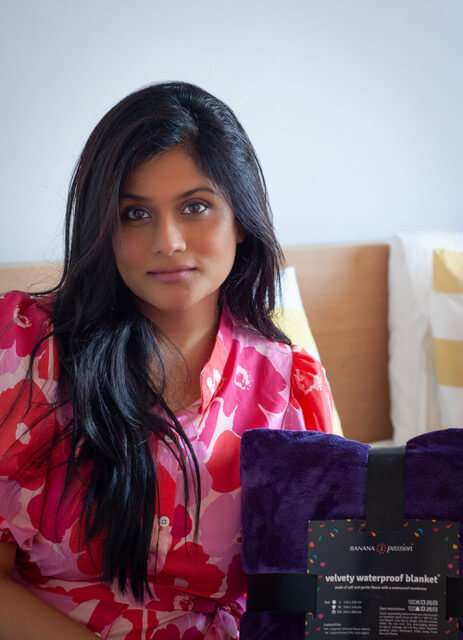
Dr Meg van Gennip is the owner and founder of Banana Passion, an intimate wellness brand selling massage products and other items to support intimacy and maintain a sexual connection. She frequently discusses intimacy online and in her blog posts.

In this interview, she offers a candid look at the realities of entrepreneurship, sharing both the challenges and the victories that defined her path.

What inspired you to start your business, and what problem were you passionate about solving?

I actually stumbled into my business. Like many new mums, I started a baby brand during maternity leave. I had the time (well, sort of), the ideas, and the passion. But truthfully, it wasn’t generating a lot of revenue or really going anywhere.

Then one night, while rocking my baby to sleep, I got a message from a customer via Facebook. We were chatting casually when she suddenly said: “I didn’t actually buy it for my children. I bought it for myself.”

At first, I assumed she meant incontinence. What else would a mum need an absorbent blanket for?

She left me with this cryptic little suggestion: “You should look into the adult space — there’s nothing like your product out there.” It didn’t click rightaway and to be honest, it was my husband who told me what the customer meant. She was using it to deal with the messy side of sex.

I was learning at the time how to sew as a hobby. So I bought some satin fabric and made some bags to go along with an adult product to test the product and put up a page on Etsy. The product kicked off without any marketing and that’s how I started my business.

Over time, I realised one thing: me not understanding that cryptic message was loud and clear about 2 things. One, my own sex education was very poor. I’m aware of that, as I think many people think sex education might encourage children or people to have more sex. On the contrary, good sex ed stops people from being taken advantage of. Second, it also challenged my own beliefs. Growing up in an Indian household, those beliefs were part of me. It took me time to see and read about what was actually happening. I’m passionate about making sex education an important part of my brand. Because it shouldn’t stop at 14, but can continue throughout one’s life. People learn from their own and others’ experiences.

Some people think women cannot enjoy it like men do. And I think the important part here is about connection. Connection is what matters, you can’t just look at a person and say lets have sex and they will be ready for it. Women enjoy sex as much as men do, but they get bored quickly. It’s because couples sometimes don’t know how to enjoy the moments together. I’m passionate about providing products that can help with this connection. Like our waterproof blankets are there so people don’t worry about getting up and start changing sheets, instead, they can cuddle and enjoy the afterglow.

How has your business evolved since its launch, and what key decisions have helped drive that growth?

Well after Etsy kicked off, we made our own website for the business. I guess understanding the customer helped too. Also, omnichannel marketing is important to meet customers where they are, which in our case meant taking the business to Amazon to get more eyes on the business.

In your view, what truly sets your brand apart in today’s competitive market?

What truly sets the business apart is that it focuses on connection, so people who enjoy sex but are not into the kinky vibe often association with sex products, so they can enjoy intimacy products too, and not feel that sex is dirty. 

What has been your most effective marketing strategy to date, and why do you think it worked so well?

We didn’t do Black Friday sales until last year and for the first time, we gave our best offer in the market. It was one of our best months just because of that sale. 

How do you stay connected to your ideal audience and understand their needs or behaviors?

Our simple rule is to talk to the customer. I have made phone calls to a customer, do TikTok livestreams to understand what is the type of product they are after or what are their pain points. When the owner themselves calls, it makes a huge difference than just asking an employee to do it. Ask it from a customer and they will let you know. Treating every customer, whether they bought something for $5 or $500 – treating them fair and the same.

What does success look like for you, not just in numbers, but in purpose or impact?

Success looks like when I started paying myself this year. It sounds strange but that was the first milestone I reached. It felt great! Next, success means knowing the fact that you have made a (new) connection blossom between 2 people. I don’t know others, but I believe in Karma. It means whether intentional or unintentionally you do something good or bad, you will bear the fruits of it. So, that’s why getting the best quality to a customer and making their experience the best is what success looks like to me.

How do you personally define success, beyond revenue and growth metrics?

Success looks like my first paystub to myself. My next goal is spending more time with my daughter and getting some help in the business to cover my time. Success means doing things that matter to me. And every time I achieve a business goal, I see it as one step towards my life goal of starting my own philanthropy work.

Can you share a challenge or setback that ultimately became a turning point for your brand?

Going to China. I went there thinking I was about to sign a deal with a new supplier. But visiting their factory and looking at the apparent lies from that group, and trusting my gut there and then, meant I never went with them. As a setback we ran out of stock temporarily, but that gave us an opportunity to explore new suppliers, and new products, which I may not have done had it not been for that initial disappointment. The lesson learnt was to never go with the cheaper price. Also inspect it with your own eyes and really trust your intuition.

What daily habits or rituals keep you focused, creative, and grounded as a leader?

Doing daily 10-15 minutes meditation and sometimes spending less time on dressing. I bought 5 sweat shirts the same – all black, seriously, that saved me 10 minutes of thinking every day what to wear. Also replying to messages straight away. If I read it and act on it straight away, sometimes it’s better. As I have sorted one more thing in the same time frame of just reading it when I am sitting on public transport or in my car, etc. 

How do you approach innovation and risk in your business strategy?

Innovation is our blood. We are always looking at ways to improve, whether processes, implementing new technology, developing products. I love looking at new fabrics and their development.

What advice would you give to someone starting a business in today’s fast-changing digital world?

Don’t leave your job if you are starting out. Hire someone to do tasks for you. And when you can pay yourself then leave the job. Businesses don’t get to the next level by 1 person. Also, remember businesses can come and go, family cannot, so remember to spend time with them and your partner. 

Where can our audience connect with you and learn more about your work or offerings?

Our website

Instagram

Tiktok

Facebook

Diane Tipper on Creating SleepKeeper: The Travel Essential for Better Sleep Anywhere

0

As part of the Morning Lazziness series highlighting empowering women who are making a remarkable impact with their ideas, I had the pleasure of interviewing Diane Tipper.

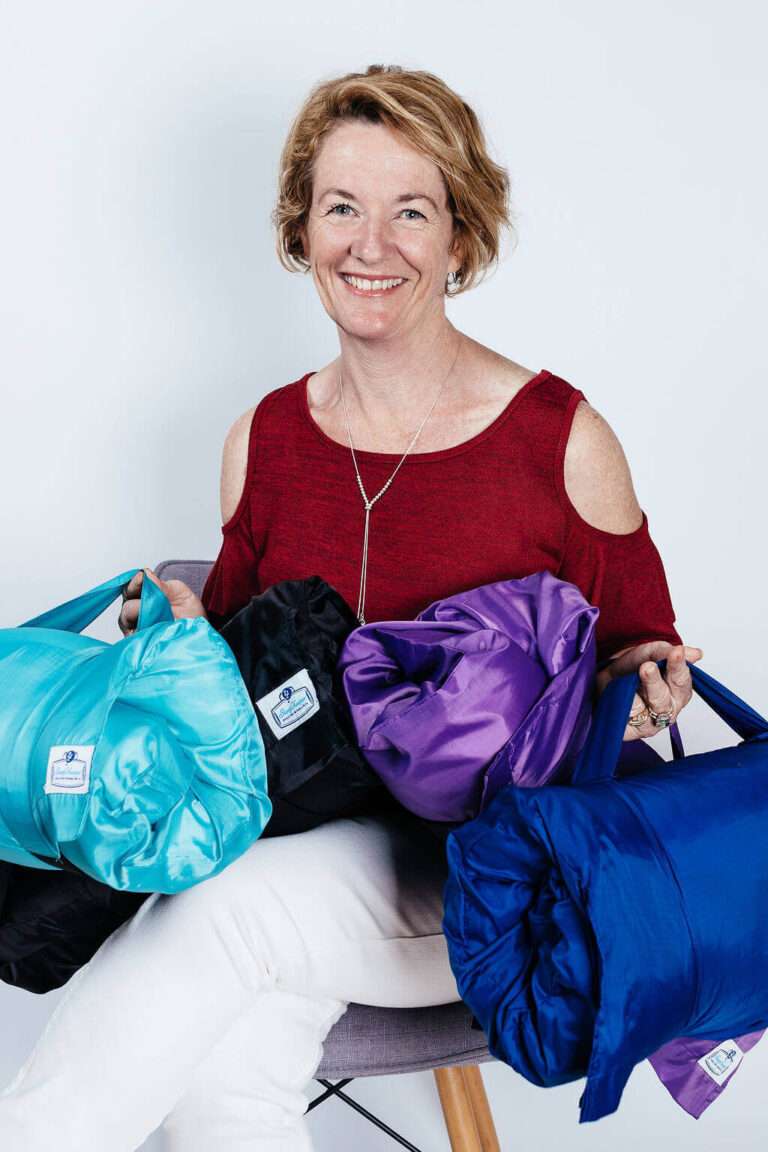
Diane Tipper is the founder and creator behind SleepKeeper, a unique travel accessory designed to help people travel with their own comfy pillow anywhere in the world. An avid traveller herself, Diane found that nothing compares to the restful sleep that comes from your own pillow. With a request and help of a friend, she set out to design a compact, water-resistant pillow carrier that could easily slip onto luggage or clip to a backpack. The result was SleepKeeper—a simple yet clever travel essential now enjoyed by families, business travellers, wellness professionals, skiers, and adventurers alike.

With a keen eye for design, Diane has grown SleepKeeper into a recognizable travel brand. She is constantly innovating—introducing new colours, multi sizing and stylish printed pillowcases, that cater to different lifestyles and preferences.

Diane’s entrepreneurial journey reflects her belief that comfort and wellness are integral to modern travel. Highlighting the convenience, hygiene, and peace of mind that SleepKeeper provides, she has positioned it as more than just a travel accessory—it’s a lifestyle upgrade.

Outside of building her brand, Diane continues to travel widely, drawing inspiration from real experiences on the road and on overseas adventures. Her mission remains clear: to help travellers everywhere sleep better, feel at home, and wake refreshed—no matter where their journey takes them.

In this interview, she opens up about the strategies, challenges, and key turning points that have fueled her decade-long career in the digital business space.

What inspired you to start your business, and what problem were you passionate about solving?

A few incidental things, really. Starting with a girl friend wanting me to create a bag for her pillow  to travel with (my background is in sewing), and a mum asking if I could make a water-proof one for her son in scouts. (this is when I really liked the concept) It was now possible to easily travel with your pillow, conveniently in all types of weather.

How has your business evolved since its launch, and what key decisions have helped drive that growth?

I began with 2 basic colours, Black and Navy, to now eight fun colours in standard and king sizes, and a variety of printed pillow cases so your pillow stands out and never gets left behind! Decisions for growth were to listen, listen, listen to what my customers were saying and asking. Never say no to someone offering help or advice. And a lot of work.

In your view, what truly sets your brand apart in today’s competitive market

There is nothing that truly compacts your pillow, keeps it protected and dry and can leave your hands free while you travel like SleepKeeper. There are many, many people that love their pillow.

What has been your most effective marketing strategy to date, and why do you think it worked so well?

Arranging reviews, editorials, and blogs to be written about SleepKeeper. There is nothing better when someone else writes about your product with rave reviews.

How do you stay connected to your ideal audience and understand their needs or behaviors?

I have great SEO on my website, social media (I’m still improving haha!) and I also travel a lot… with my pillow, which I love.

What’s one branding move or campaign that helped elevate your business to the next level?

I’m not sure there was one defining moment but having a write up for SleepKeeper in Escape Travel certainly let me know there are many travellers that want their pillow. Whether it’s to help with neck issues, allergies, hygiene (sick people always go to bed and lay on a pillow…Yikes) or for pure comfort.

What does success look like for you, not just in numbers, but in purpose or impact?

Success to me is about enjoying myself in what I do, hearing from my customers and reaching the people that need to travel with a pillow whether they’re on a plane, road trip or camping adventure. The big goal is for all travellers to travel with their pillow as there is nothing like the comfort and smell of your own pillow when in a strange bed. Priceless!

How do you personally define success, beyond revenue and growth metrics?

Learning what makes you happy and puts a smile on your face everyday.

Can you share a challenge or setback that ultimately became a turning point for your brand?

That’s an easy one COVID, wow the whole world stopped. Luckily the US started travelling before anyone else and kept the sales going, slowly. At this point I was importing the SleepKeepers but with all the shipping delays once things got going and not to mention cost, I did a full circle and brought all production back to Australia. So now we are 100% Australian made and it feels so right.

What daily habits or rituals keep you focused, creative, and grounded as a leader

I love my yoga and meditation to keep focused and grounded, and  I love being in nature.

How do you approach innovation and risk in your business strategy?

With any innovation, there is usually risk…plan as much as possible and it’s gotta feel right.

What advice would you give to someone starting a business in today’s fast-changing digital world?

Realise it’s not easy, all good things take time and don’t forget to stop and smell the roses.

Where can our audience connect with you and learn more about your work or offerings?

For more information, you can visit our website

Libby Cupitt on Building Cupitt’s Estate into a Premier South Coast Wine & Hospitality Destination

0

As part of the Morning Lazziness series highlighting empowering women who are making a remarkable impact with their ideas, I had the pleasure of interviewing Libby Cupitt.

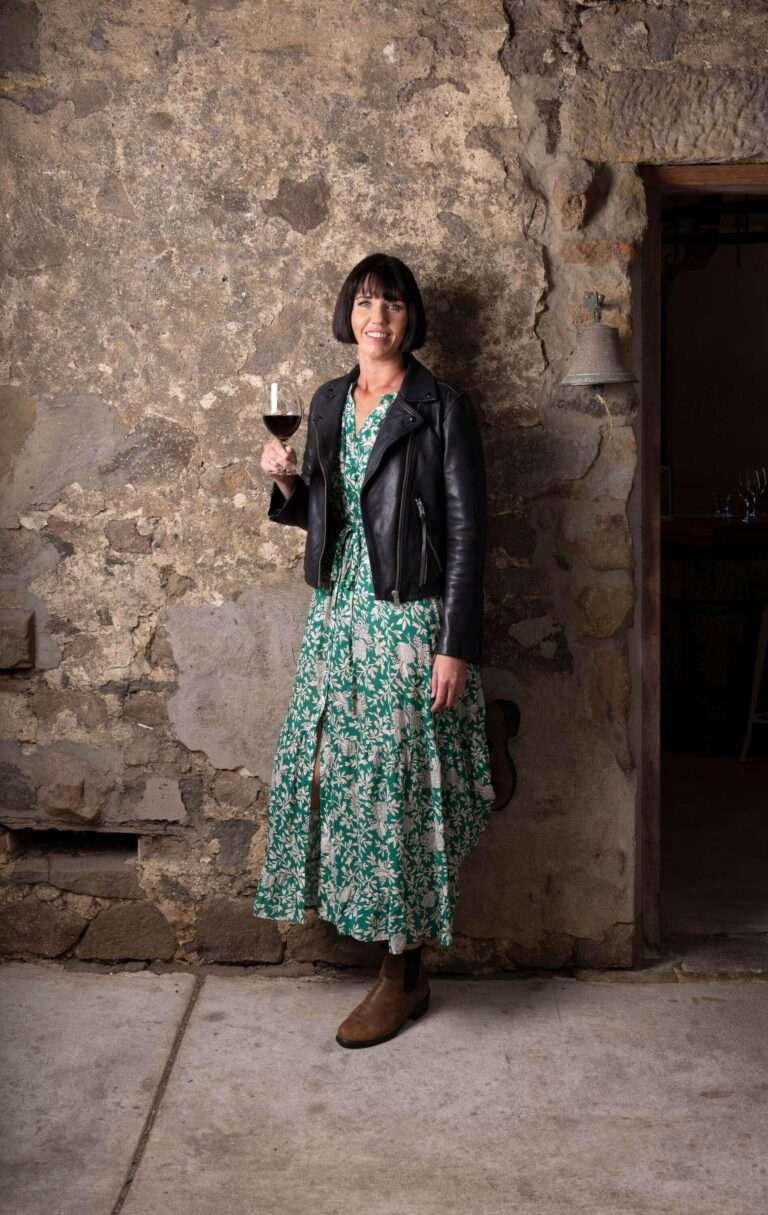
Libby Cupitt is the co-owner of Cupitt’s Estate, a family-run winery and hospitality business on the NSW South Coast. She has helped grow the estate from a small cellar door into a destination known for small-batch wines, a farm-to-table restaurant, boutique stays, and events that celebrate the South Coast lifestyle. Libby is especially passionate about the wine industry from championing Italian varietals like Fiano, Vermentino, and Sangiovese to creating experiences that connect guests with winemaking. She also contributes to the wider visitor economy as a Director of Destination Sydney Surrounds South and as President of the Shoalhaven Coast Wine Association, where she supports regional collaboration and growth. Her leadership combines sustainability, storytelling, and a strong connection to place, positioning Cupitt’s Estate as one of the region’s most celebrated destinations.

In this interview, she delves into the challenges, successes, and wisdom she has gained from over a decade of transforming online businesses.

What inspired you to join the Cupitt’s family business, and what problem were you passionate about solving?

Cupitt’s Estate is nestled between Milton and Ulladulla on the stunning NSW South Coast. A winery, restaurant with luxury accommodation onsite, Cupitt’s Estate is surrounded by rolling vineyards, the Burrill Lake wetlands, and the Budawang Mountain ranges, it’s magical. 

I sometimes joke that I married a family business, but I definitely chose to join it officially. I met my husband Tom at university in the early 2000s, while I was studying town planning and working in hospitality on the side. In those jobs, I loved the feeling of exceeding people’s expectations and giving them a great time. In my social life, I loved restaurants and dinner parties even more.

When Tom’s parents, Rosie and Griff, bought the farm in 2001 and started planting vineyards, we didn’t think too much about it at the time, we thought they were adventurous maybe a little crazy as they were somewhat retired but we were young and planned to soon move to London so there was no thought about working in the business then.

We lived and worked in London for five years. That’s when my obsession with food and wine really took off. I researched every restaurant before our holidays, started lunch and supper clubs with friends, and worked through endless bucket lists in London.

We came back to Australia in 2011 thinking we’d just help out for a summer before returning to careers in town planning and engineering. But the more time we spent at Cupitt’s, the more potential we saw. Tom’s parents were carrying a lot, and we realised that with the right structure, we could turn the estate into something truly special.

The problem we were most passionate about solving was how to create a hospitality experience that matched the memorable moments we’d had overseas, an experience that would really stand out in our region. We wanted to build a place where guests felt cared for, where wine, food, and a sense of community came together.

So we threw ourselves in 100%. Tom took on understanding the business finances, I focused on shaping the guest experience, and together we worked every job in the business, sought advice from mentors, and built a team around us. It felt like raising a newborn; you learn everything from scratch and give it your all. Looking back, it wasn’t a strategic career move so much as a passion-led decision to create joy for others and to grow Cupitt’s into the best example of hospitality in the area.

In your view, what truly sets your brand apart in today’s competitive market?

We’ve always been evolving. What started as a small restaurant and cellar door with 15 staff has grown into a business that brings together hospitality, wine, and tourism, three very competitive industries. We stand out by putting wine first and then weaving it into a complete lifestyle experience. Cupitt’s isn’t just a winery or a restaurant or a place to stay; it’s everything coming together to give people an experience they’ll remember.

What makes us different is the way our guests carry that experience with them. When they see our wines on a shelf in Sydney or on a restaurant list, they don’t just recognise the label, they remember the joy of their time on the South Coast. That emotional connection is powerful. Our layered offering allows us to tell richer stories, connect with people in multiple ways, and build loyalty. At the heart of it all is one simple belief: creating joy. Every guest interaction, big or small, should feel memorable and meaningful.

What has been your most effective strategy to date, and why do you think it worked so well?

For us, the most effective strategy has been investing in people. You’re only ever as good as your team, and I can’t imagine our success without the staff who have grown with us on the journey. Hospitality is about people, both those you serve and those who serve alongside you.

Another key decision was to position Cupitt’s as a true destination on the South Coast. We committed early on to being open seven days a week, offering food, wine, and accommodation year-round. That consistency built trust and made us a reliable part of people’s lives, whether locals or travellers.

We also embrace a “fail fast” mindset. We try new ideas, learn quickly, and keep moving forward. That willingness to experiment keeps us relevant and fresh. Finally, we constantly strive for excellence from our guest experience to our wines, which is why we regularly submit to industry awards. The process pushes us to reflect, improve, and benchmark ourselves against the best.

How do you stay connected to your ideal audience and understand their needs or behaviours? 

In travel and hospitality, you’re always in conversation with your guests. We stay connected by listening, not just talking. Sure, we use social media, newsletters, and our wine club, but the real gold comes from the floor every day. It’s those chats at the cellar door or during a long lunch that matter most. You see what people light up about, and that tells you far more than a spreadsheet ever will. For us, it’s about building relationships, not transactions, and when people feel seen, they come back or they recommend us to a friend, it’s how and why we built an award-winning winery, restaurant and luxury accommodation villas. 

What’s one thing that helped elevate your business to the next level?

Strangely enough, COVID was a turning point. Before the pandemic, Cupitt’s was largely an indoor experience. When health rules pushed us to expand outdoor dining, it completely changed how people experienced the estate, long lunches on the lawn, wine and cheese tasting in the garden. That shift opened up a whole new way for guests to connect with us.

On top of that, with borders closed, travellers who might have gone overseas or interstate discovered the South Coast instead. It put Cupitt’s Estate on the map for a new market, and a lot of those first-time visitors have since become loyal guests. What could have been a huge setback ended up reshaping our brand and elevating us to another level.

What does success look like for you, not just in numbers, but in purpose or impact?

For me, success is about people. I get the most joy out of seeing our team grow, watching shy kids who start with us at school turn into confident communicators, or seeing emerging leaders step up and become true leaders. The way our team works together honestly fills my cup more than anything.

I’m also proud of the contribution Cupitt’s makes to the South Coast as both an employer and part of the tourism industry. We’ve helped create a destination that doesn’t just benefit us but supports local suppliers, wedding vendors, and other businesses across the region. Knowing we’re strengthening the local economy while building something that brings joy to guests feels like real success to me.

How do you personally define success, beyond revenue and growth metrics?

For me, success is about loyalty and connection. Awards are wonderful, but nothing compares to seeing families who have been visiting us for over a decade, or loyal supporters in our Wine Club who’ve been with us from the start. That kind of long-term relationship means more to me than any trophy.

I also count it as a success that, as a family business, we all still genuinely enjoy each other’s company. We work hard together, but still have family dinner every week, and I think that’s pretty impressive. At the end of the day, success is knowing we’ve built something that lasts, not just for our guests but for our family too.

Can you share a challenge or setback that ultimately became a turning point for your brand?

Right now feels like a turning point for us. Over the past year, we’ve done a deep dive into everything we stand for as a business; what we want to be known for, who we want to connect with, and how we express that. That process came from a realisation that we’d outgrown parts of our old identity. The business had evolved, but our brand hadn’t fully caught up. 

It’s been a challenge because it forced us to step back, ask some tough questions, and make big decisions. But it’s also been energising. We’re now rolling out a new look and feel across our wines and guest experience, and it feels like the start of the next chapter for Cupitt’s. It’s scary in some ways, but it’s also exciting, because it’s about stepping into who we really are. 

We are redefining the South Coast as a destination for wine lovers with a range of New Southern Wines and are now embarking on a bold new chapter for South Coast winemaking with the release of a range of six distinctive new signature varietals: Vermentino, Arneis, Fiano, Montepulciano, Sangiovese and a Nebbiolo. We wouldn’t be in this position if we hadn’t reached that pivotal turning point last year. Wine making is at the core of everything we do and we are proud to say our wines are now available from the Cupitt’s Estate cellar door, online via the Cupitt’s website and in select venues across NSW.

What daily habits or rituals keep you focused, creative, and grounded as a leader?

With three small children, not every day runs perfectly, but I try to keep a few rituals in place. I like to get to the gym early, then walk the dog in the bush opposite our house. Coffee with my husband Tom and a quick chat about our day is non-negotiable, it sets us both up before things get busy. Family dinner with the kids each night and a glass of wine with Tom at the end of the day are two other constants (an occupational hazard, but one I enjoy).

During the week we’ll often do wine tastings with the team, pairing food and wine and talking through ideas. It sparks creativity for events, marketing, or even training, but more importantly, it’s something I love. I think it’s important to make time for the parts of your work that light you up, even if they don’t always move the dial.

On my own time, I always have a podcast or two on the go, and I try to fit in yoga at least once a week. Those little rituals keep me grounded and give me the energy to lead well.

How do you approach innovation and risk in your business strategy?

I’m the one who loves coming up with big, sometimes crazy ideas. Luckily, I’ve got a few colleagues I really trust who run them through the “risk filter” for me. Every business needs that mix, the people who throw ideas around and push the envelope, and the ones who slow things down long enough to ask the tough questions.

When you build a team with both, that’s when the magic happens. You’ve got the dreamers and the detail-checkers working side by side. It means we get to chase bold ideas without completely losing the plot.

What advice would you give to someone starting a business in today’s fast-changing digital world?

Know your strengths and your weaknesses. If digital isn’t your strength, don’t ignore it; start learning and get help while you do. Don’t let it stop you in your tracks. There are so many people and tools out there that can help you get moving while you’re still building your own skills.

My view is: if you can’t beat it, join it. Digital is how people find you, decide to visit you, and stay connected. You don’t need to master it all at once, but you do need to be open to learning and experimenting. And remember, digital is just a channel; what really matters is the story you’re telling and the human connection behind it.

Where can our audience connect with you and learn more about your work or offerings?

You can find Cupitt’s Estate on Instagram and Facebook, that’s where we share what’s happening across our winery, restaurant, accommodation, and events. For more professional updates and thoughts, I’m also on LinkedIn.

Susan Nefzger on Faith, Resilience & Conscious Living: Lessons from Her Journey as an Entrepreneur

0

As part of the Morning Lazziness series highlighting empowering women who are making a remarkable impact with their ideas, I had the pleasure of interviewing Susan Nefzger. 

Susan Nefzger is a Global Communications Consultant, Writer, Author, and Coach with over three decades of experience building brand awareness through strategic communications, public relations, and storytelling. She is passionate about connecting people and brands in vibrant, authentic, and collaborative ways, while guiding executives through professional transitions with custom coaching, strategy, and access to her global network.

Her career spans diverse industries including healthcare, tech, SaaS, hospitality, legal, nonprofit, B2B, B2C, and corporate communications. Susan has curated a powerful international network across the U.S., Hispanic markets, the UK, Australia, France, Spain, Israel, and the Caribbean Islands. She has led impactful campaigns and consulting projects for clients such as Tenet Healthcare Florida, University of Miami Sylvester Cancer Center, Paley Limb Lengthening Institute, CyberKnife Centers, Florida & Georgia State Government, Beyondish.com, Chesterfield Auto Parts, and numerous nonprofits and private corporations.

As an author, Susan has published several books including A Practical Guide to Living Fearlessly, A Practical Guide to Awareness, Putting Awareness Into Practice, and Believe You Can Live a Life You Love at 50+.

In this interview, she offers a candid look at the realities of entrepreneurship, sharing both the challenges and the victories that defined her path.

What inspired your leap into entrepreneurship, and what personal experiences sparked the idea behind your current venture?

Having worked in highly responsible positions for 16 years, and as my son was going to primary school, I wanted two things. First, I wanted to be available for my son as he was diagnosed with a learning disorder. And second, after thorough discussions with colleagues and peers, I wanted to work for myself in order to have a flexible schedule.

I became successful at doing both—volunteering in my son’s classroom while also starting a business that helped small businesses market themselves and increase visibility for their brands, non-profits, and healthcare operations.

What core problem does your business solve, particularly for women or underserved communities—and how does your approach stand out in today’s competitive space?

Currently, my business is twofold. I continue my communications expertise through consulting, and I am also a non-fiction writer and coach. My coaching and writing business helps women learn to become self-aware through daily exercises, breathwork, and conscious living practices. By guiding them through self-discovery, I help women connect with their purpose and step into a more fulfilling life.

What were some of the toughest obstacles you faced early in your journey as a woman entrepreneur, and how did you navigate through them?

Some of the obstacles were personal. I was in a committed relationship with my son’s father that ended and included a lengthy litigation. It impacted my public professional reputation by its very nature, given the publicly available information. However, instead of harming me, it emboldened me. I chose to focus on my work and my resilience, which only strengthened my reputation.

When the going gets tough, what keeps you grounded and motivated to keep pushing forward?

My faith has always been a great source of strength for me. My resilience comes from knowing I can depend on myself. I see the bigger picture and understand my role in the world. I know nothing lasts forever, and I have gifts to share that can help others live with more purpose and joy. That belief keeps me moving forward.

What daily habits or non-negotiable routines help you stay focused, creatively energized, and balanced as a founder?

My daily rituals are threefold:

  • As soon as I wake up, I say a few of my favorite prayers and express gratitude for whatever comes up—whether it’s the love in my life, a roof over my head, or the beauty of the sky.
  • I visualize the world I am creating through my work, then meditate and write in the mornings.
  • I go for a long daily walk in nature, taking photos and sharing them. I believe the light I capture carries a vibration that can uplift others.

A mantra I return to often is Julian of Norwich’s: “All shall be well, and all shall be well, and all manner of things shall be well.”

What’s been the most effective growth lever for acquiring new clients or expanding your customer base?

It evolves with the times. I’m active on LinkedIn and within niche groups that provide referrals. I also expand through retreats in the South of France and my books, which draw from my spirituality. Podcasts, articles, and speaking engagements have also been powerful in building visibility and trust.

What branding or marketing decision had the biggest impact in elevating your business and building trust with your audience?

Becoming involved with my local Chamber of Commerce was hugely impactful. When I launched my first book, my town provided overwhelming support. That experience showed me the power of community. Since then, book signings, events, and a sustainable communications career have all boosted visibility.

How do you personally define success—not just as a business owner, but as a woman living a purpose-driven life?

Success is defined by how many people I help awaken to self-awareness and conscious living. Seeing clients realize “it’s so simple, why didn’t I see it before?” and then watching them live their purpose—that is success.

Can you share a mistake or misstep that taught you a lesson you still carry with you today?

I don’t really believe in mistakes. Every decision shapes our path. If we’re aligned, things flow. If not, we face challenges that ultimately guide us toward clarity and growth. What looks like a mistake in the moment often reveals itself as a blessing later.

What’s your best advice for women just starting out—especially first-time entrepreneurs feeling overwhelmed or unsure of their next steps?

Lean on mentors. Don’t be afraid to ask for help. We have a responsibility to support each other, especially younger women. There are so many organizations, women’s chambers, and networks dedicated to professional growth—use them.

How do you approach risk and innovation, especially in fast-changing or male-dominated industries?

Risk and innovation are part of my DNA. That said, I look to others who’ve walked the path before me to learn from them. The pace of today’s world means we must always be learning, researching, and adapting so we don’t fall behind.

If you lead a team, how do you foster a culture of trust, inclusivity, collaboration, and growth?

I lead by listening. Everyone must feel seen and heard. Work becomes purposeful when individuals bring themselves fully to their roles. When collaboration is inclusive, it sparks innovation, growth, and the courage to ask hard questions and try new things.

What are the top 5 mindset shifts or personal practices that helped you overcome self-doubt and grow your confidence as a woman entrepreneur?

  1. Strong work ethic.
  2. Learning from successful people.
  3. Volunteering with meaningful organizations.
  4. Staying neutral and avoiding judgment.
  5. Leading with positivity and self-belief.

If you could spark a global movement through your work, what would it be—and why is that mission meaningful to you?

A movement prioritizing self-awareness through joy. When we live in awareness, we see the beauty in all things, even challenges. This reduces conflict, increases peace, and allows us to act from compassion rather than selfishness. We are all connected—self-awareness makes that truth visible.

What’s a quote, philosophy, or guiding belief that shapes how you lead, create, and live every day?

“Live consciously and positively.” Flow happens when we stop resisting life. My leadership is rooted in presence and positivity, inspiring others through passion and example. Again, Julian of Norwich’s words anchor me: “All shall be well, and all shall be well, and all manner of things shall be well.”

Where can our audience connect with you, explore your work, or follow your entrepreneurial journey online?

Dr. Puroshini Pather on Breaking Barriers in Hair Restoration & Redefining Patient Care

0

As part of the Morning Lazziness series highlighting empowering women who are making a remarkable impact with their ideas, I had the pleasure of interviewing Puroshini Pather.

Dr Puroshini Pather is a Hair Transplant Surgeon at Treatment Rooms London, making waves as one of the youngest female surgeons in a male-dominated industry. She achieved her Bachelor of Science from the University of St Andrews, completing her clinical years at the University of Manchester. From her background in General Medicine and Surgery, Puroshini moved over to the field of hair transplants, and she’s now an Affiliate Medical Member of the British Association of Hair Restoration Surgery. She uses her position in the clinic to advocate for mental wellbeing, emphasising holistic, patient-centred care. 

In this interview, she offers a candid look at the realities of entrepreneurship, sharing both the challenges and the victories that defined her path.

What inspired you to join your business, and what problem were you passionate about solving?

I come from a long line of both female and male pattern hair loss, and it has been a constant source of family conversation throughout my lifetime as I progressively watched my father and uncles lose their hair entirely by their 40s, as well as watched how my mother, aunts and grandmothers battled to keep their hair. 

Hair can be such a defining feature for humanity and society, and throughout my medical training I found my interest in the aesthetic side growing. This led me down the path of hair restoration surgery and into the welcoming arms of The Treatment Rooms London.

How has your business evolved since its launch, and what key decisions have helped drive that growth? How has the business grown in the time you’ve been there?  

During my time here, I have been surrounded by continued quality improvement and at the centre of this growth, with a focus on pre and post-operative care, streamlining communication, staff training and raising our standards above and beyond what is required. We have focused recently on areas of patient education and providing up to date knowledge for those looking at treatment options, to make the hair restoration world more easily understood, accessible and thought-provoking for our patients.  

In your view, what truly sets your brand apart in today’s competitive market?

What continues to inspire me during my time at The Treatment Rooms London is the drive for excellence. We polish our standards of care until they gleam, and every team member works seamlessly together like a well-oiled machine. This perfected routine is only possible through dedicated hard work and a warm, empathetic, communicative mindset that is shared amongst all of us at the clinic. Our collective desire to provide patients with an unbeatably high-quality experience continues to drive us, and myself, to new heights. 

What has been your most effective marketing strategy to date, and why do you think it worked so well?

Providing patients thoroughly with the information they need to make well-informed decisions about their hair journeys is at the forefront of The Treatment Rooms London. Hair restoration can be a big undertaking, and we wholly recognise what an impact this journey can have on one’s quality of life. Our marketing strategy focuses on continuously strengthening the link between surgeon and patient, so that patients truly feel looked after by qualified, registered medical professionals with a passion for hair restoration.

How do you stay connected to your ideal audience and understand their needs or behaviors?

We create many opportunities for patients to stay connected with us, both digitally and in-person. Social media can indeed help drive awareness, but we pride ourselves on making prime connections by inviting patients to the clinic, exploring their concerns face to face and examining their hair loss with our own hands-on expertise. You can only experience so much behind a screen, and in today’s digital landscape, seeing and meeting patients in person is more important than ever before.  

What does success look like for you, not just in numbers, but in purpose or impact?

Success is measured in good quality outcomes and patient satisfaction. There is no such thing as perfection, but rather understanding balance, progress and boosting quality of life is the key to achieving that satisfaction. Success can also be measured in how well we, as hair restoration surgeons, are able to reduce the stigma around the procedure. With time, dedication and education, we will continue to move forward into an era where men and women suffer less from the psychological impact of hair loss and can feel confident in themselves as they navigate the world around them.  

What daily habits or rituals keep you focused, creative, and grounded as a leader?

Life is about enjoying a variety of labour’s fruits, to avoid becoming sick of just one. When not improving my medical and surgical practice, I work as a commissioned neoclassical composer for a variety of media to keep my mind free-flowing, colourful and creative. Regular exercise keeps my blood flowing and clears my mind so that I can make clear, communicative decisions and guide my team effectively throughout the workday. Surgery can be strenuous, so keeping limber both in body, mind and spirit is a must when operating for one of the UK’s leading hair restoration clinics.  

How do you approach innovation and risk in your business strategy?

The hair restoration world continues to rapidly progress, so keeping a finger on the pulse of innovation is vital to this industry. A combination of conferences, newsletters, research papers, memberships and personal searches is what keeps our clinic at the forefront. Due to a variety of medical and environmental factors, weighing risks versus benefits is the bread and butter of a doctor’s job. Our skillset allows us to condense information and weigh these decisions on a scale with the ultimate goal of ‘Do No Harm’ for our patients. Technological strides in the hair restoration field continue to be exciting, and we are always happy to learn more about what can be offered to provide an even higher quality of care.

What advice would you give to someone starting a business in today’s fast-changing digital world?

Courage is not the absence of fear, but rather the ability to triumph over it. Entering the cosmetic industry can be daunting at first, due to its high-paced nature and high patient standards. However, meeting those quality standards and generating patient satisfaction is also the beauty of a career in cosmetics. Surgery is slowly but surely becoming more female-dominated as more women take assured steps into less explored and male-orientated fields. I would encourage all forward-thinking women to be bold, and grasp something worthwhile with both hands. Whatever you wish to pursue, be hungry for it, and it may reward your career in ways you never thought possible.

Where can our audience connect with you and learn more about your work or offerings?

The Treatment Rooms London is available and open to any individual looking to explore their hair restoration options, or those who are unsure where to start on their journey towards better hair. To learn more about our work and the work of our surgeons, we can be found on our website, social media tags and offer consultations to all seeking expert, medical advice on hair loss.  

Isabella Loneragan on Redefining Skincare with Touch-Led Therapies & The Skinformé Academy

0

As part of the Morning Lazziness series highlighting empowering women who are making a remarkable impact with their ideas, I had the pleasure of interviewing Isabella Loneragan.

Isabella Loneragan is a leading authority in touch-led facial therapy and holistic skincare, combining over two decades of hands-on experience with a strong academic foundation.

She holds a Bachelor of Behavioural Health Science & Psychology, alongside a Diploma in Beauty Therapy and Dermal Science, giving her a unique perspective on the mind-body-skin connection that underpins her treatments.

Before founding her multi-award-winning Isabella Loneragan Skin clinic, Isabella successfully ran and sold two skin businesses, showcasing her entrepreneurial expertise and business acumen. Today, her clinic in Bowral and Sydney NSW, deliver results-driven, touch-led therapies that prioritise skilled hands over machines – a philosophy that has earned Isabella multiple industry awards and widespread acclaim.

Isabella is also the creator of a premium cosmeceutical skincare range, reflecting her commitment to evidence-based, holistic results.

Building on this expertise, Isabella launched The Skinformé Academy, a world-class education platform offering in-person and online training, structured certification pathways, and mentorship for aspiring and experienced therapists. The Academy is designed to elevate standards in facial therapy, teaching both technical excellence and business skills, while fostering community and professional support.

A recognised media figure, Isabella serves as the Resident Skin and Beauty Expert on Ch7 Sunrise and contributes regularly to national media outlets. Her hands-on approach, award-winning education, and media presence position her as a thought leader shaping the future of touch-led skincare.

In this interview, she reveals the mindset shifts, bold moves, and lessons that helped her turn ideas into impactful online businesses.

What inspired you to start your business, and what problem were you passionate about solving?

My journey to founding Isabella Loneragan Skin and The Skinformé Academy was driven by a passion for hands-on, results-driven skin therapy and a desire to solve a long-standing industry problem: the over-reliance on machines and the lack of structured support for touch therapists.

Across my two decades in skincare, I’ve seen how devices dominate too many clinics, often leaving clients underwhelmed. Yet it’s hands – skilled, intentional touch – that create lasting results, emotional connection, and client loyalty.

The Skinformé Academy is my solution. It’s a world-class training institution designed to elevate facial and facial massage education, offering globally accessible, expert-led courses, clear certification pathways, and ongoing community support.

It took me years of international study to craft my own title. The Skinformé Academy is my students’ shortcut

The Academy blends hands-on techniques with business mastery, empowering professionals, from aspiring beginners to seasoned therapists, to deliver transformative, touch-led experiences while building thriving businesses.

At Isabella Loneragan Skin, I apply the same philosophy: holistic health, wellbeing, and education underpin every treatment.

By teaching the science behind touch therapies and fostering community, The Skinformé Academy solves isolation, equips therapists with essential skills, and sets a new standard in facial massage education, which is the education I wish I had when I started.

How has your business evolved since its launch, and what key decisions helped drive that growth?

Since launching my clinic, Isabella Loneragan Skin, my focus has always been on delivering hands-on, results-driven skincare that prioritises skilled touch over machines. Over the years, the clinic has evolved not only in reputation, becoming multi-award-winning, but also in the scope of what I could contribute to the industry.

Working closely with clients and industry colleagues highlighted a persistent challenge: while therapists are highly skilled, many feel isolated after training, lacking the guidance to translate their hands-on expertise into thriving businesses.

This insight sparked the creation of The Skinformé Academy. Drawing on two decades of international study, multiple business successes, and hands-on clinic experience, I designed The Skinformé Academy to fill this gap.

The Academy offers globally accessible, expert-led courses, structured certification pathways, and ongoing community support, empowering therapists to elevate both their technical skills and business acumen.

Key decisions driving this growth included prioritising education as a natural extension of the clinic, investing in world-class training and mentorship, and building a platform that merges technique with emotional client connection.

In essence, the clinic became the proving ground and inspiration for The Skinformé Academy – transforming my hands-on approach to skincare into a scalable, globally accessible education model that continues to elevate the industry.

In your view, what truly sets your brand apart in today’s competitive market?

An unwavering focus on hands-on, touch-led therapies and my holistic approach to skin health.

In a market dominated by devices and quick fixes, my brand prioritises skilled touch, emotional connection, and lasting results; because clients remember how you make them feel.

At Isabella Loneragan Skin, every treatment combines evidence-based techniques with holistic wellbeing, ensuring clients experience both visible results and deeper intrinsic healing. This philosophy naturally extended into The Skinformé Academy, where we equip therapists with world-class, globally accessible training, structured certification pathways, and business mentorship to help them thrive professionally, not just technically.

By empowering both clients and therapists with knowledge, skill, and connection, we create experiences and results that are memorable, meaningful, and truly transformative, and it’s this difference that sets my brand apart and is raising the standard in skincare and facial massage education.

What has been your most effective marketing strategy to date, and why do you think it worked so well?

One of my most effective marketing strategies has been combining expert-based publicity with high-visibility media appearances and active social media engagement.

As the Resident Beauty Expert on Ch7 Sunrise TV and a regular contributor to leading media titles, I’ve been able to cement my credibility and build a trusted reputation. Importantly, I don’t just promote my services. I share the science, techniques, and philosophy behind touch-led, results-driven skincare. This positions me as an authority while providing real value to both clients and therapists.

High-volume media features, from print to broadcast, amplify my reach, while social media allows direct engagement, showcases results, and fosters community. Behind-the-scenes content, expert tips, and educational posts create emotional connection and trust. This strategy works because it combines expertise, authenticity, and accessibility.

By educating, inspiring, and connecting across multiple channels, I turn clients and my Academy students into advocates, driving word-of-mouth referrals and sustainable growth, while reinforcing the hands-on approach that sets my brand apart.

How do you stay connected to your ideal audience and understand their needs or behaviors?

Staying connected to my audience is at the heart of both Isabella Loneragan Skin and The Skinformé Academy.

I prioritise listening, engagement, and education across multiple touchpoints; whether that’s in-clinic, online, or through media channels.

Direct client consultations and feedback sessions give insight into their skin goals, challenges, and expectations, while student interactions at The Skinformé Academy highlight the real-world hurdles therapists face after training.

Social media is a key tool for understanding behaviours and trends. By monitoring engagement, questions, and comments, I can identify what resonates, what confuses, and where support is needed.

High-visibility media appearances also allow me to observe audience reactions in real-time and adapt messaging accordingly.

Ultimately, staying connected comes down to genuine, two-way engagement: I don’t just talk at my audience. I listen, respond, and evolve my services and education to meet their evolving needs and ensuring my brand remains relevant, trusted, and highly valued.

What’s one branding move or campaign that helped elevate your business to the next level?

A branding move that significantly elevated my businesses was deliberately positioning Isabella Loneragan Skin and The Skinformé Academy as authorities in both skincare and professional education.

Entering prestigious industry awards was a key part of this strategy because being recognised validated my expertise, built credibility, and raised my profile among peers and clients alike.

Alongside awards, very active media engagement has been essential. Serving as the Resident Beauty Expert on Ch7 Sunrise, contributing regularly to leading publications, and sharing educational content across social platforms amplified my reach and reinforced my reputation as a trusted, knowledgeable brand.

Another pivotal move was serving as a keynote speaker at industry events and forums. These opportunities allowed me to share insights, demonstrate thought leadership, and connect directly with professionals and potential clients.

By combining recognition, media presence, and public speaking, I’ve strengthened brand authority, built trust, and created meaningful connections that have driven growth and opened doors to new opportunities.

What does success look like for you, not just in numbers, but in purpose or impact?

For me, success isn’t just about numbers. Success is about the impact I create.

At Isabella Loneragan Skin, success means seeing clients leave feeling confident, cared for, and truly transformed, both physically and emotionally.

With The Skinformé Academy, it’s about empowering therapists with hands-on skills, knowledge, and business confidence to build thriving careers.

Success is measured in the relationships me and my team nurture, the trust we earn, and the community we foster.

When clients, students, and graduates feel supported, inspired, and capable of achieving their goals, I know I’m fulfilling a purpose and setting a new standard in skincare and touch-led therapies.

How do you personally define success, beyond revenue and growth metrics?

I define success by the balance I create between professional achievement, personal wellbeing, and family life.

Beyond revenue and growth, it is seeing clients leave Isabella Loneragan Skin feeling confident, cared for, and genuinely transformed, while empowering therapists at The Skinformé Academy to build thriving, fulfilling careers.

Personally, success means maintaining good emotional and mental health, being present for my young boys, and nurturing a happy, supportive family life. For me, true achievement is creating impact and connection professionally, personally, and within my family, all while feeling grounded, joyful, and professionally fulfilled every day.

Can you share a challenge or setback that ultimately became a turning point for your brand?

One of the biggest challenges I faced, and one that ultimately became a turning point, was experiencing burnout.

As demand for my skincare courses grew, I found myself stretched in every direction: running a busy clinic, teaching students, and managing the growing interest in my hands-on techniques. I loved what I did, but the sheer volume of requests and the intensity of managing everything personally started to take a toll on my energy, focus, and wellbeing.

This period of burnout forced me to step back and rethink how I could serve more people without compromising quality, or my health. The solution was the creation of The Skinformé Academy. By building a structured, globally accessible training platform, I could reach more therapists, share the techniques and philosophies I’d spent decades learning, and provide ongoing support; all while creating boundaries that protected my energy.

What started as a moment of overwhelm became a transformative turning point. The Skinformé Academy not only scaled my impact but also reinforced my belief in prioritising hands-on, touch-led education, community, and sustainable growth for my clients, my students, and myself.

What daily habits or rituals keep you focused, creative, and grounded as a leader?

I make time to connect meaningfully with my family and friends, which reminds me of perspective and balance. Reflection, gratitude, and consistent self-care aren’t just personal habits but fuel my creativity and leadership, allowing me to show up fully for clients, students, and my team.

How do you approach innovation and risk in your business strategy?

Hands-on and raring!

I believe that innovation starts with curiosity. I explore new techniques, technologies, and educational models, but always through the lens of what truly benefits clients and therapists.

Risk is calculated of course but not feared. I test ideas in small, controlled ways, learning and adapting before scaling.

Creating the Skinformé Academy, for example, was a response to demand and a chance to expand impact, but it was built on decades of experience and proven results. Strategic, thoughtful risk allows growth without compromising quality or my brand’s core philosophy.

What advice would you give to someone starting a business in today’s fast-changing digital world?

Focus on authenticity, value, and connection.

In a fast-changing digital world, it’s easy to get caught up in trends or platforms but what really matters is understanding your audience, delivering real solutions, and building trust.

Invest in your skills, stay curious, and don’t be afraid to adapt, but remain true to your core values.

Leverage digital tools to amplify your message but prioritise meaningful engagement over metrics.

Finally, take care of your wellbeing because sustainable success comes from balancing ambition with mental, emotional, and physical health.

Where can our audience connect with you and learn more about your work or offerings?

Website:

https://www.ilskin.com.au

https://skinformeacademy.com

https://www.instagram.com/isabellaloneragan

https://www.instagram.com/skinformeacademy/