Home Blog Page 22

Barbara Gomes on Inventing Cuticle-B-Gone, Overcoming Doubt, and Building a Beauty Brand with Love

0

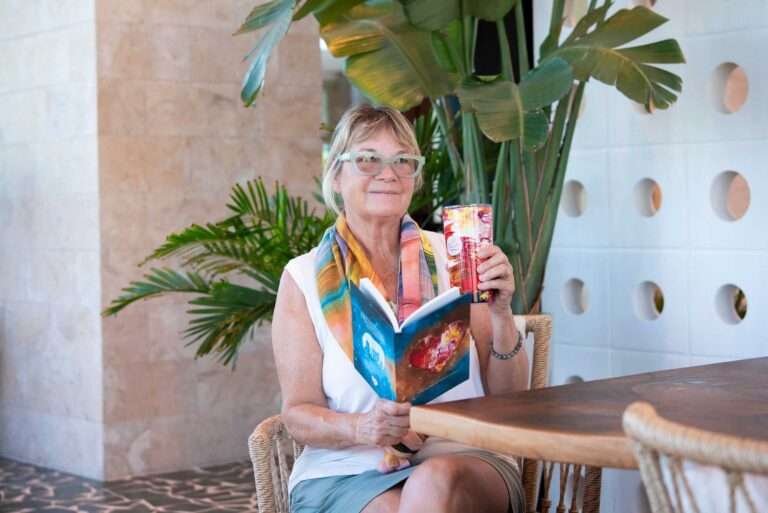
As part of the Morning Lazziness series highlighting empowering women who are making a remarkable impact with their ideas, I had the pleasure of interviewing Barbara Gomes.

Cuticle-B-Gone was invented by an all-female powerhouse team. Inventor, Barbara Gomes, created this nail tool out of need for her own family. Barbara’s mother, a Breast Cancer Survivor who was left with a lymphedema arm, put her at a high risk for infection. Unable to cut her mother’s painful hangnails, Barbara filed them. Years later, Barbara found filing our cuticles was a better option and created a longer-lasting manicure. Cuticle-B-Gone is a safer and more effective way to manicure your nails as cutting cuticles leads to damage and risk to infection. Barbara now runs the brand alongside her two daughters, Danielle and Gabrielle. Due to the powerful story behind the product, the brand continues to donate a percentage of their profits to breast cancer awareness to this day.

In this interview, she delves into the challenges, successes, and wisdom she has gained from over a decade of transforming online businesses.

Is there a quote, mantra, or philosophy that guides your decision-making and leadership as a beauty entrepreneur?

We try to base every decision that we make in business and life on a quote my late husband would always say, “Love is the most powerful force in the universe.” We believe that when you operate from a foundation of love, it’s hard to make a bad decision. The whole reason I invented the Cuticle-B-Gone tool is because I felt that it could help people. When we added the nail oil, it was essential that only safe ingredients were used and that it was packaged in glass containers. 

Here is our signature question: “What Are The 5 Things You Need To Overcome Self-Doubt and Build Confidence?” 

  1. Do not be afraid to do something wrong, you will only learn from it. 

This was a lesson that I learned in my previous career as a ballerina and dancer, and I’ve tried to carry it with me throughout my life and teach it to my children. Everyone makes mistakes, everyone falls down, it’s how you get back up that matters. I performed in two shows a night for the Folies Bergere in Las Vegas, I was a founding member of the Nevada Ballet Theatre, and I danced in Liberace’s Residency at the Hilton, among several other shows. I didn’t fall often, but it happens. It happens to everyone. Dancers are taught to get back up as quickly and gracefully as possible. Most of the time, people didn’t even notice that I had made a mistake or fallen. If I had pounded the ground, or stomped around upset, or run off the stage—the audience would’ve known that I made a mistake. Instead, you need to get up, remember what step tripped you up, and get on with the show. 

  1. Surround yourself with supportive people. 

When I told my daughters that I wanted to move forward with the Cuticle-B-Gone idea, they told me to go for it and asked how they could help. If they had said, “I think you’re too old”, “How do you even know where to start?”, or “That’s going to be too hard”; I probably wouldn’t have done it. You can’t silence the naysayers, but you can share your ideas with the people you know will support you.

  1. Focus on the progress that you’ve made and don’t dwell on the mistakes.

Cuticle-B-Gone didn’t come to life overnight—it’s been a journey built on persistence and small, steady steps forward. Like any growing business, we’ve faced our share of setbacks. We’ve poured time and resources into events that didn’t deliver the results we hoped for, but each experience taught us something valuable and brought us one step closer to where we are today. Rather than focus on what was lost, we took an analytical look at our process. We asked ourselves: is there a better way to approach events like this? What worked? Did we gain social media followers? How are our displays looking? What drew people to our product? This way we are able to learn from each situation, even if it didn’t deliver the results we had hoped. Building a company is a growing process, and this is how you grow, pains included.

  1. Ideas are great, but it’s action that matters.

You can have a million great ideas, but you won’t truly know their value until you take action. And once you finally take that leap, all the fear that surrounded it begins to fade.

When I first came up with the idea for Cuticle-B-Gone, it didn’t feel like some grand lightbulb moment—it was more like decades of quiet frustration. I was tired of rigging cuticle and nail tools that either didn’t work, weren’t safe, or damaged the nail and manicure. I figured if I was struggling with this, other people probably were too.

Still, the thought of creating and launching a product from scratch was overwhelming. I had doubts. What if no one else cared? What if it failed? But eventually, I reached a point where I realized sitting on the idea was more uncomfortable than the risk of trying. When Covid hit and our lives came to a halt, I knew that it was now or never. I could either have a great idea or take action and have a nail care tool that provided a better, safer, longer-lasting way to care for your nails.

  1. Always be open to change and the input of others within your trusted circle.

When I first came up with the idea for the Cuticle-B-Gone tool, it was just a single attachment—the paddle head. I shared it with my daughters, and while they loved the concept, they immediately saw ways to improve it. They suggested expanding the design to include more functionality, and I listened. Together, we reimagined the tool, eventually creating the four unique attachments that make Cuticle-B-Gone what it is today.

To bring our idea to life, we had a prototype 3D printed. Then, we cut out file templates of the attachments and glued them onto the prototype so we could test it out. It was such a surreal and exciting moment—far from the final version, but it was real. Holding something I had only pictured in my mind was incredible. What made it even more special was that it had evolved into our idea. My daughters’ suggestions didn’t just improve the tool—they made it better than I could have imagined. It became a true family collaboration, and that made the entire process even more meaningful.

You are a person of great influence. If you could inspire a movement that would bring the most amount of good for the greatest number of people, what would that be? You never know what your idea can trigger.

I’ve always tried to teach my children that happiness is a personal choice. It doesn’t come from a relationship, a new car, or a promotion—those things might bring temporary joy, but true happiness has to come from within. You have to choose it, every day.

If I could inspire any kind of movement, it would be a self-love movement. I’d encourage people to give themselves grace, to embrace the little (or big) acts of care that nurture love from the inside out. I truly believe that love is the most powerful force in the universe—and it has to start with how we treat ourselves. Because when we genuinely love ourselves, there’s less space for hate, judgment, or fear.

So take time for the small things that bring you closer to yourself—whether it’s five quiet minutes, a walk in the sunshine, or yes, even a little cuticle care 😉. Self-love doesn’t have to be extravagant. It just has to be intentional.

How can our readers further follow your work online?

Holly Mitton on Building a Boutique Agency and Balancing Life as a Woman Entrepreneur

0

As part of the Morning Lazziness series highlighting empowering women who are making a remarkable impact with their ideas, I had the pleasure of interviewing Holly Mitton.

Holly Mitton is the owner of Little Bird Boston Marketing & PR, where she helps startups and small to mid-sized businesses boost their brand presence and drive growth through strategic marketing and PR initiatives. With a rich background in corporate marketing, public relations, advertising, and consulting, Holly has guided brands in lifestyle, health and wellness, and B2B industries toward achieving their goals. Known for creating tailored strategies that inspire connection and deliver measurable results, Holly is passionate about helping businesses tell their stories, amplify their visibility, and thrive in competitive markets.

In this interview, she dives into the challenges, wins, and wisdom she’s gained from over a decade of transforming online businesses.

What inspired you to start your own PR agency, and how did you get your first client?

I was working in corporate marketing when my son (now almost 14) was born and I quickly realized that corporate life wasn’t conducive to the flexibility I wanted to have in order to balance my work and family life. I had a very close friend who helped me learn the ropes of what it meant to work for yourself and thankfully she helped me get started and we worked together in the beginning. I was working full-time while also picking up smaller freelance clients and it grew from there so I was able to quit my full time job and work for myself. Since then I’ve built up my business and expanded into what I call a boutique agency (Personalized, dedicated one-on-one attention to clients with the expertise and capabilities of a bigger agency), specializing in supporting small businesses through PR/Media services.

What unique challenges have you faced as a woman entrepreneur in the PR world, and how did you overcome them?

PR is a pretty female heavy industry which is nice, but I think my biggest challenge was balancing my work and family time. As a mom, I am very protective over my time with my kids – especially when they were younger. In PR, there are always professional events on off hours and sometimes I would have to miss those, so it’s just always a challenge to balance work and life – in any industry. But, I think for me, planning out my “work time” in advance and having boundaries in terms of participating in evening/weekend events is just always an ongoing struggle!

How do you stay ahead of trends in an industry that’s constantly evolving with media and technology?

PR is an industry that is constantly evolving and has changed so much since I started, so it’s vital to stay ahead of trends so that my clients reap the benefits. I do that by being in tune with colleagues and journalists – I am part of many networking groups, Facebook/social industry groups and join every industry and relevant newsletter I can. I follow everyone and everything relevant on social channels and embrace what’s new and changing. I look at it as a learning experience to stay on top of the latest trends. I strive to always be learning and continuing to expand my own skills, so I love continuing to see how PR evolves and being part of that progression.

What’s your go-to strategy for building strong, lasting relationships with clients and the press?

I think being authentic and genuine in my actions and ensuring that I am a helpful resource to clients and press goes a long way. My clients can feel comfortable with my transparency and they know I am working with their best interest at heart and really care about helping them grow their brand. And Journalists know I am trying to be helpful to them as they develop their stories, rather than pushy or promotional. And also I think that being responsive is key. And lastly, actually following through with what I say I’m going to do is vital. Following up and following through is so important and builds trust with both clients and media contacts.

Can you share a campaign or media moment you’re especially proud of—and why it stands out?

Last year I supported the launch of the inaugural Whitefish Food & Wine Festival in Montana through PR coverage. It was co-founded by Chef Todd English, an amazing talent that I had been eating at his restaurants for over 20 years here in Boston. It was such a great experience helping them get coverage and seeing the results drive brand awareness and ticket sales for the event. Since it was the first year of the event and I also was hired relatively late in the game, it was especially challenging not having any previous photos or examples of the event. It felt as though I was going into the project a little blind in what I was pitching to the media, but I was able to secure over 80 articles with website audiences of over 1.4 Billion unique views per month!

Which platforms or tactics have been most effective for growing your own brand visibility?

I’ve (finally) recently taken my own professional advice and started to promote my own brand. Previously, all of my clients have been word of mouth and I haven’t done any type of promotion or marketing for my brand, but lately I’ve been posting more on my social channels, as well as doing podcast interviews geared towards helping small business owners and marketers learn more about PR. I’m excited to see the work paying off with organic growth on social and Google/SEO, as well as more prospective clients coming my way. Using PR to promote my PR services is a fun way to show that it really does work!

What role has mentorship played in your journey, and how do you pay it forward to others in the industry?

Mentorship has been huge for me, as that’s how I got my start as a freelancer/entrepeneur. I try to pay it forward by always taking informational meetings for anyone wanting to chat and I always share my knowledge with other friends/colleagues who are interested in moving from corporate life to being out on their own. It can be a huge step to quit a full-time job with a steady paycheck, so I try to share all of the ins and outs with anyone interested in taking that leap.

How do you handle high-pressure situations or crises, whether for a client or your own business?

In my line of PR, thankfully I don’t get a lot of crisis situations. When I have run into them, I think it’s vital to keep a steady head and don’t rush into anything. Don’t rush “putting out a statement” without thinking it through and getting advice from others and making sure you think through all angles. It can feel like you need to act ASAP but it’s important to take a quick breath and don’t get caught by acting without thinking.

What’s one piece of advice you’d give to women entering the PR or communications industry today?

Surround yourself with experts. Always try to learn. Say yes to any networking opportunity. And surround yourself with people you trust – you never know where a potential partnership or opportunity may come up.

Is there a quote, mantra, or philosophy that guides your decision-making and leadership as an entrepreneur?

“Great is the enemy of Good.” Don’t be perfect, or don’t wait on everything to be perfect – waiting until something is absolutely perfect can hold you back. There is no such thing as perfect.

Here is our signature question: “What Are The 5 Things You Need To Overcome Self-Doubt and Build Confidence?”

Fake it Till You Make It. Imposter syndrome is so common and when you realize that other people are also overcoming their own self-doubt and normalizing it, it can help your own self-confidence.

Surround Yourself with People Who Build You Up. This one is pretty obvious – cultivate a network of people who make you feel good about yourself.

Mental Health/Self-Care: Take time to make sure you are ok. Do whatever it is that helps you – whether it’s taking a daily walk, spending time in nature, mindfulness, or whatever helps you to calm your mind.

Avoid Social Media Comparisons – Social media can be really tough mentally when you see other people with so many “successes” and can make you feel not good enough. Keep in mind that someone’s social channel is a carefully cultivated story that they want to portray – it’s not their full story. Try not to compare yourself or follow accounts that make you feel good.

Positive Affirmations/Self-talk: Talk to yourself as you would a friend. Give yourself some grace and talk positively to yourself to build yourself up. That voice in your head can really help build your confidence!

Ok, we are nearly done. You are a person of great influence. If you could inspire a movement that would bring the most amount of good for the greatest number of people, what would that be? You never know what your idea can trigger.

For me, the movement I’d love to see continue to take off is around mental health, along with self-care and self-love. Mental health is so important and while I see the conversation evolving and becoming more prevalent in society, I think it’s an ongoing issue that our culture needs to deal with. For example, finding a mental health professional is extremely difficult in our society but it’s much needed. And for some people it’s out of their budget even if they are able to find a practitioner to help them. Accessibility to mental health resources is a huge issue and our culture needs to fix this issue. 

How can our readers further follow your work online?

Follow me on all the socials and visit my website- I love to connect!

Daria Andronescu on Building Wonder Wardrobe, Fighting Fashion Waste, and Empowering Women Through Sustainable Style

0

As part of the Morning Lazziness series highlighting empowering women who are making a remarkable impact with their ideas, I had the pleasure of interviewing Daria Andronescu.

Daria Andronescu is the founder of Wonder Wardrobe. Over the past 15 years she’s been working as an international personal stylist, creating multifunctional seasonal capsule wardrobes for clients worldwide. For the last 10 years, she’s also been educating women through her sustainable fashion community platform.

After gathering this experience, she developed the Wonder Wardrobe method. Now she shares this proven approach with thousands of women. They learn to curate stylish and versatile wardrobes with clothes they already have. The result? Beautiful style that reduces fashion waste and supports the sustainable fashion movement.

In this candid conversation, Daria shares her journey, insights, and the strategies that have helped her build a results-driven business—and empower other entrepreneurs to do the same.

What inspired your journey into the fashion industry, and why did you choose to focus on sustainability?

My mother made costumes for theatre actors. Watching her choose materials mindfully and make the most of what she had were the first seeds that were planted in terms of sustainability. After that I went to Milan to study fashion and styling. The real turning point came during a wardrobe decluttering session when I discovered 80% of my client’s wardrobe was unwearable. She sat down looking at this huge pile and said “I don’t even know how this happened – this was on sale, this from a vacation, these were gifts I never liked.” Seeing all that waste really bothered me – it was so wrong and wasteful. Fashion education back then didn’t include anything about sustainability, so that’s when I started researching and learning about it by myself.

How do you define sustainability in the context of fashion, and how does your brand reflect that vision?

Sustainability means meeting our present styling needs without compromising future generations’ ability to meet theirs. 

For me, it’s simple: choose better quality, wear what you have for longer, buy less. Wonder Wardrobe reflects this by teaching women to fall in love again with what they already own first, then make thoughtful additions. We’ve helped over 15000 women worldwide reduce fashion waste through education. It’s about giving women better knowledge about what actually works for their lives.

What were some of the biggest challenges you faced while building a sustainable fashion business?

The biggest challenge? People thinking I’m an influencer trying to sell them clothes. No matter what styling principle I teach on YouTube, someone will always ask where my top is from! Even “slow fashion” influencers are part of the problem – I had a client with 10 unworn blouses because she followed someone doing sponsored hauls every two months. It’s the consumerism culture and fashion influencers treating clothes as disposable that I’m fighting against. Social media algorithms feed us fear-based content that creates insecurity and pushes consumption.

How do you balance style, education, and accessibility in your program offerings?

Daria Andronescu Wonder Wardrobe

I start with making education accessible. Our Wonder Wardrobe app is completely free with no ads or brands trying to sell you clothes. 

The Wonder Wardrobe method works regardless of budget because it’s about understanding what you actually need for your lifestyle. Some students create 20-outfit wardrobes, others have 100 outfits. Both get beautiful results. Our new Studio+ program adds personalized color and body analysis because true style comes from understanding yourself, not blindly copying others.

How do you ensure your educational content promotes truly ethical fashion practices?

I curate only sustainable brand recommendations, and I’m very thorough while checking their materials and practices. I teach about natural fabrics, second hand, vintage, fair labor practices, and environmental impact in our community app. But honestly, the most ethical garment is the one already in your closet. You just have to fall in love with it and wear it again. That’s why most of my content focuses on maximizing what you already own before buying anything new.

How do you educate your customers on the value and impact of sustainable fashion?

I show women the concrete benefits of having a Wonder Wardrobe. Smart savings come first – you make planned purchases, buying only clothes you need and will actually wear. You learn what, where and when to shop for the best quality at the best price, shopping only 1-4 times per year instead of constantly. Personal curation means discovering your authentic style that fits any body shape and age. The multifunctional aspect is huge – everything is tailored to your lifestyle with interchangeable items that you might need for work, leisure, vacation or more. You know exactly what you have and how to wear it, divided by seasons so you never get bored. The sustainable impact comes from the fact that now your wardrobe lasts 5-10 years, includes only eco-friendly materials and creates minimum waste. When women see these real benefits in action, they understand sustainable fashion isn’t just good for the planet – it’s better for their lives.

What’s one misconception about sustainable fashion that you often come across?

That it’s boring or lacks variety. This misconception exists because toxic fashion content has trained us to equate style with constant newness – we’ve been brainwashed to think we need fresh purchases every week to stay interesting. But I have app members creating incredibly diverse, personal styles with their wardrobes through creativity and discovering new styling techniques. Real sustainable fashion is about breaking free from that cycle that feeds on newness and instead enjoying what you have, caring for it, and feeling genuinely confident in your own style.

In what ways has consumer behavior changed in recent years around ethical fashion, and how has that impacted your brand?

Women are finally asking “Will I actually wear this?” instead of just “Does this look good?” But they’re still getting manipulated. Even after watching “shop your closet” videos, algorithms show them ads for similar items until they buy. That’s why we launched our ad-free app in late 2024. It’s been growing rapidly with new members since then which proves women crave education over consumption, but they need safe spaces away from algorithmic manipulation.

How do you stay innovative while staying true to your sustainable mission?

Daria Andronescu Wonder Wardrobe

Every innovation I make asks one simple question: “Does this help women wear more of what they own and buy less of what they don’t need?” That’s why my newest Studio+ program focuses on personalized styling because I realized one-size-fits-all advice doesn’t work for everyone. Or, for example our mobile app creates a community without consumption pressure. If something doesn’t serve that core mission of helping women love what they already have, I simply don’t do it.

What role does community building play in your business model?

Community is everything. What social media calls “community” is just monologue – you leave a comment, maybe get a like. That’s not a community. Real community is dialogue where your voice matters and can actually help other women. Many times, inspiration comes from connection. Our app members do this daily. They share outfit solutions and support each other’s style experiments without judgment. When you realize your style struggles aren’t unique, solutions become clearer. That’s why I spend more time in our app than on social media, away from all the noise.

What’s your vision for the future of fashion, especially for women-led sustainable brands?

I can’t sit around waiting for the fashion industry to change. Big companies lobby politicians to protect their profits while I focus on women who want real change. The future lies in community-driven businesses empowering women to break free from consumption manipulation. Women leading sustainable brands understand the emotional relationship with clothes. We’re changing mindsets from quantity to quality, from algorithm-driven trends to personal authenticity.

What advice would you give to aspiring female founders looking to break into sustainable fashion?

Start by asking “Who are you helping today?” – genuinely helping, not selling to. Don’t let external factors dictate what you think people need. I believed women needed to reconnect with fashion, see it less as a dopamine hit and more as a tool they can use daily to empower themselves, to express their values. Be generous with your knowledge, find your people, and lead them somewhere better. Trust your own conviction about what women actually need, not what the market tells you they want.

Where can our audience connect with you and learn more about your work or offerings?

The best place to start is our free Wonder Wardrobe app. You’ll find our community and lots of educational content there. You can also check out my YouTube channel for practical styling tips and follow me on Instagram for daily inspiration. Everything connects through our website.

Samantha Cross on Embracing Curls, Building Curl Warehouse, and Redefining Hair Care Access

0

As part of the Morning Lazziness series highlighting empowering women who are making a remarkable impact with their ideas, I had the pleasure of interviewing Samantha Cross.

Samantha Cross is the founder of Curl Warehouse, a Canadian-based online shop dedicated to making curly hair care products accessible without the hassle of customs fees or expensive cross-border shipping.

Sam’s journey began with a complicated relationship with her curls. Growing up, she battled puffy, frizzy hair that drew teasing and unwanted attention, leading her to hide it away or chemically relax it — unaware of the long-term damage. Everything changed when she discovered the Curly Girl Method and its empowering message to love your natural hair. Through years of research, ingredient deep-dives, and trial-and-error techniques, she learned how to nurture her curls and embrace them.

Frustrated by the lack of access to quality products in Canada, Sam launched Curl Warehouse in 2019 to connect fellow “curlies” with the tools, products, and accessories they need to care for their unique textures. Since then, the company has served over 70,000 customers across North America, becoming a trusted destination for curl education and product curation.

In this candid conversation, Samantha shares her journey, insights, and the strategies that have helped her build a results-driven business and empower other entrepreneurs to do the same.

What inspired your leap into entrepreneurship, and what personal experiences sparked the idea behind your current venture?

I always knew I’d build something, but I never would have guessed it would be in this industry. It’s kind of funny that I have a career in beauty because I rarely wear makeup and don’t care or know much about things like fashion or skincare. For me it’s just all haircare, all the time!

I had my first business as a teenager in high school, designing websites for small businesses. I have owned multiple businesses since and am always happiest with multiple projects on the go.

I started Curl Warehouse in 2019 to solve my own problem. I couldn’t easily find products suitable for my hair type, and when I tried to purchase some from beauty supply stores no one could answer any of my questions about caring for curly hair. I was pointed at the handful of textured hair care products (no more than 5 to choose from, and all from the same brand) and essentially left to my own devices to figure it out. It was frustrating and almost enough to make me give up on embracing my curls. I knew there had to be a way to provide a better experience for people like me: people who wanted to get the best out of their curls but didn’t have family members or friends with a similar hair type to show them the ropes.

What core problem does your business solve, particularly for women or underserved communities, and how does your approach stand out in today’s competitive space?

We don’t just provide products, we provide education and support for our customers. Where we can’t compete on price, we compete with personalized customer service and being able to truly understand many of the unique struggles our customers are facing with their hair. So much of getting the most out of your hair is understanding what it needs. It’s not just product choice when it comes to curls – it’s also how those products are applied and what they’re applied with that can make or break a good hair day. Curl Warehouse gives customers the whole package so they can be confident in creating consistent results.

How do you navigate through your toughest obstacles?

The best way for me to solve any problem is just to try something – anything. Decision fatigue is real and a lot of time can be wasted doing research and trying to come up with the best way forward. The best path is the one I’m actually taking, not the one I’m agonizing over. As business owners we have to be less married to individual ideas and more committed to the bigger picture. If something isn’t working I just try something else.

When the going gets tough, what keeps you grounded and motivated to keep pushing forward?

My husband. He motivates me because he is also very motivated. I feed off that energy a lot more than he probably realizes. I find his “how hard could it be?” mentality and ability to figure out just about anything very inspiring. 

I also can’t ignore how motivating it is to have salaries to pay. That lights a fire under you unlike anything else!

What daily habits or non-negotiable routines help you stay focused, creatively energized, and balanced as a founder?

If I’m in the warehouse I love having the opportunity to speak to our amazing customers face-to-face. They energize me more than anything.

I’m not a particularly balanced person as an individual or as a business owner. It’s something I’d like to improve upon, but I also have reached a point where I’m trying to accept that I’m not zen or chill or go-with-the-flow at all and that’s just who I am.

What’s been the most effective growth lever for acquiring new clients or expanding your customer base?

Word of mouth brings us our best customers. We’ve noticed so many people love shopping with their friends or family and sharing their tips and recommendations for great curl products.

What branding or marketing decision had the biggest impact in elevating your business and building trust with your audience?

Having a physical store adds legitimacy to a business that operates primarily online. It adds faces to the brand, and we love having conversations with our customers in person. It also gives us the opportunity to host amazing events to support our curly community! I wouldn’t suggest it unless your niche would appreciate it and utilize it. Ours does, so it has worked extremely well for us.

How do you personally define success, not just as a business owner, but as a woman living a purpose-driven life?

Success, to me, is being able to walk away from the business for a few hours or days and not worry about it because I’ve hired people who can think on their feet and handle anything that comes up. This is a spectrum depending on what is going on with the business at any given time, but having a business that can still thrive when I am not actively working in it or on it is my goal. So much of being able to do that is based on hiring decisions, automations, and regular recurring revenue from loyal customers. 

What’s your best advice for women just starting out—especially first-time entrepreneurs feeling overwhelmed or unsure of their next steps?

Just do it. There are so many business ideas that can be tested out in as little as a weekend and with minimal investment. If one idea doesn’t work, learn from it and try the next one. Even if you fail – repeatedly, which you might – you’ll never regret trying, and you’ll learn something valuable from each false start.

How do you approach risk and innovation, especially when breaking new ground in a fast-changing industry?

I make quick decisions if I know that the decision won’t cost us much in time or money. Everything is worth trying if it can be done fast or cheap and I can abandon it without consequences if it isn’t working. It’s knowing when to pull the plug on an underperforming idea that is the most valuable part of the decision-making process, in my opinion.

If you lead a team, how do you foster a culture of trust, inclusivity, collaboration, and growth?

I try to hire people I can trust to get on with things without my oversight. It takes responsibility off my plate and hopefully empowers them too. It’s a small team so we pitch in where needed. The team frequently brings me great ideas to improve the business, especially our customer experience. I love going to work with them every day.

What are the top 3 mindset shifts or personal practices that helped you overcome self-doubt and grow your confidence as a woman entrepreneur?

I abandoned perfectionism and stopped trying to please everyone. It took me a long time to stop taking everything personally. I still have days where it is a struggle when I am dealing with a difficult customer, but I’m getting better at separating myself from the business.

I don’t waste hours doing business tasks I’m not good at anymore. I’ve accepted that I’m not the best person for every job which was tough for me in the beginning. I now outsource some to professionals who are much better at them than I am and focus instead on things I am good at and that benefit the business.

I’m trying to get better at celebrating our wins. It’s easy to focus on what isn’t working and what needs to be improved, but we’ve hit some incredible milestones in our business. I am so proud of what Curl Warehouse has become.

If you could spark a global movement through your work, what would it be—and why is that mission meaningful to you?

I think we have sparked a local movement for embracing curly hair. As a kid I didn’t really have any role models who had beautiful curls. I didn’t know what I was doing with my hair as I grew up. I love it when parents bring their kids in to learn how to care for their curls from a young age so they can grow up loving them in a way that I didn’t, or when parents come to us to learn to care for their own hair so they can be that role model for their child. That makes it all worth it to me.

What’s a quote, philosophy, or guiding belief that shapes how you lead, create, and live every day?

“Done is better than perfect” is my motto, and it has served me very well.

Where can our audience connect with you, explore your work, or follow your entrepreneurial journey online?

Follow her on Instagram, where she proves that every day can be a good hair day.

Shelley Gupta on Bringing Global Culture to Kids Through BāKIT Box

0

As part of the Morning Lazziness series highlighting empowering women who are making a remarkable impact with their ideas, I had the pleasure of interviewing Shelley Gupta.

Shelley Gupta is the Founder of BāKIT Box: an award-winning, culturally inspired baking brand that helps families explore global cultures through food, STEM, and social-emotional learning activities for kids ages 5–12. Each kit includes a globally inspired recipe, pre-measured dry ingredients, an educational booklet, and allergy-friendly digital options. BaKIT Box provides families with curriculum-aligned content that’s culturally relevant, building a more inclusive world—one recipe at a time.

In this candid conversation, Shelley shares her journey, insights, and the strategies that have helped her build a results-driven business and empower other entrepreneurs to do the same.

What inspired you to become an entrepreneur in the consumer packaged goods industry, and what led to the creation of your brand or product line?

As a first-generation immigrant, I’ve always been aware of the lack of cultural representation across many industries, but it’s especially noticeable in the baking aisle. While we’ve seen growing diversity in snacks and meal solutions, baking remains dominated by legacy brands and classic American sweets. I wanted to change that by blending global recipes with STEM and educational content, creating a fun and meaningful way to introduce cultural awareness to the next generation.

As a woman navigating the CPG business world, what unique challenges have you faced, and how did you overcome them?

Unfortunately, the challenges women face in business aren’t unique, we’re consistently underestimated. I’ve often had to prove my value time and time again. I work to overcome this by leading with confidence and building undeniable credibility. My work, my brand, and the traction I’ve achieved should speak for themselves.

The industry can be both competitive and demanding—how do you maintain personal well-being while growing your brand?

It’s always a work in progress. I prioritize my well-being with morning workouts and walks, and I try to be intentional about unplugging during time with friends and family, but I’m still guilty of checking emails a little too often.

Which networking strategies, communities, or collaborations have helped you build meaningful connections in the CPG space?

Building meaningful connections in the CPG/consumer space has come from a mix of strategic networking and relationship-building. I’ve learned through accelerator programs, pitch competitions, and founder communities where I’ve been able to hear other founder stories and talk about all our challenges. I also try to be proactive with continuing those relationships and friendships beyond work. 

How do you approach mentorship—both as a mentee and mentor—and how has it influenced your growth as an entrepreneur?

As a mentee, I try to stay open and receptive. I allow myself to be challenged and give constructive feedback the space to really sink in. As a mentor, I offer as much encouragement and guidance as I can. Both roles have shaped my journey because every founder brings a unique energy and perspective, and there’s always something to learn.

What strategies have worked best for gaining loyal customers and building trust in your brand?

The most important aspects for BaKIT Box have been authenticity, education, and responsiveness. We are not just selling a DIY kit, but we are telling a story and making memories. We try to show families that we understand them, care about their values, and we are here to make learning together joyful. Great customer service is baked into everything we do.  

Which marketing techniques (such as social media, influencer partnerships, content marketing, or events) have been most effective for your business, and how do you measure their success?

Social media, influencer partnerships, and email marketing are our most effective strategies. With social media, it is more brand awareness and showing the educational value in our brand. Influencers and email is really where we want to see conversion. We measure success through as much data tracking as possible. 

Can you share a major setback or turning point in your entrepreneurship journey, and how you navigated through it?

One major turning point came when we were still selling perishable products (milk, butter, etc.) and then the hottest summer in over a decade hit. Additionally, UPS and other delivery partners were understaffed that exact week. Everything melted. It was a logistical nightmare and a clear signal that our model wasn’t sustainable. That moment forced us to reevaluate where we were truly providing value. We realized the heart of our product was the experience and education, not the perishables, so we pivoted to fully shelf-stable kits. That shift not only improved operations but also made our product more accessible, scalable, and family-friendly.  

What’s one piece of advice you’d offer to women who are just starting their entrepreneurial journey in the CPG  industry?

It is not as glamorous as it may look, so ensure that you truly believe in your mission and are comfortable with the ambiguous. Lead with curiosity, ask a lot of questions, and keep showing up for yourself and for your team. 

Is there a quote, mantra, or philosophy that guides your decision-making and leadership as an entrepreneur?

Not necessarily, but I lead with my gut and let my values guide every decision. If something doesn’t feel right internally, it’s usually not the right move. Staying true to that instinct has helped me build a brand that’s aligned with myself inside and out.

Signature Question: “What Are The 5 Things You Need To Overcome Self-Doubt and Build Confidence?” 

1. Remind yourself why you are doing this. What is the mission and why is it important to YOU.

2. Celebrate the small wins. Don’t ignore those little moments that are pushing your business forward.

3. Build a strong community around you of founders and believers.

4. Allow yourself to fail sometimes. Not every strategy is going to work immediately. Sometimes you need to experiment and try again.

5. If you are feeling a lot of self-doubt in a particular moment, take a break. Step away. Re-center yourself and leverage all the above.

If you could inspire a movement that would bring the most amount of good for the greatest number of people, what would that be? 

I’d want to create some sort of mobile learning hub that could travel to underserved and underdeveloped regions around the world, giving kids access to basic educational tools. Education shouldn’t be a privilege based on geography or resources; it’s a fundamental human right.  

How can our readers further follow your work online? 

You can visit our website and explore more.

Stacey-Rebekka Karlsson on Building Goho into a Values-Driven PR & Events Agency

0

As part of the Morning Lazziness series highlighting empowering women who are making a remarkable impact with their ideas, I had the pleasure of interviewing Stacey-Rebekka Karlsson.

Stacey-Rebekka Karlsson founded London-based boutique agency Goho in 2019, launching the business as a solo venture before growing it into an experienced team of PR, Events, and Digital Marketing professionals.

With over 20 years of experience in marketing and events, Stacey has worked with leading global brands including The Guardian and Condé Nast International. She is a member of the Chartered Institute of Public Relations (CIPR), holds diplomas in Digital Marketing and Social Media Marketing and is Safer Events accredited, reflecting her commitment to delivering 360 marketing campaigns for her clients.

In this interview, she dives into the challenges, wins, and wisdom she’s gained from over a decade of transforming online businesses.

What inspired your leap into entrepreneurship, and what sparked the idea behind your current venture? 

I fell out of love with my job. I became disillusioned with the industry and with bosses that focused more on targets and hours billed rather than creative output and happy customers. I’d been there for 12 years and people kept asking me why I didn’t go out on my own, so I did. And the rest is history.

What core problem does your business solve, and how does your approach stand out from others in the space? 

There are tonnes of marketing and events agencies out there, but they all provide pretty crap service unless you are their big star client. We treat everyone as carefully as we would our own brand. No one is just a number to us, and we don’t work with dickheads, only brands that share our values and vision. We deliver top-quality marketing and PR for an affordable price, and sustainable, memorable events that make the world a little bit better. We’re also really nice people who are good fun to work with. No one wants to work with people they don’t like.

What were some of the toughest obstacles you faced early on, and how did you navigate through them? 

My first year was a breeze, but then Covid hit. Being an events business hit us very hard but I stuck with it, nobody lost their jobs and we just kept calm and carried on. I didn’t pay myself for what felt like an age, and was at least six months. But the hard work and perseverance paid off. 

When the going gets tough, what keeps you grounded and motivated to keep pushing forward? 

My husband, Dar, and my dog Truffle. I also have an amazing team, who really pull together and create a wonderful working environment so we all enjoy work!

What daily habits or non-negotiable routines help you stay productive, focused, and creatively energized as a founder? 

Walking my dog, doing 30 mins of learning every single day, essential oils in my diffuser on my desk, writing down things I am grateful for and I HAVE to get outside in Nature every day, as much of the day as possible if I can. I sometimes set up a desk in my garden in my cottage in Kent.

What’s been the most powerful growth lever for acquiring new customers or expanding your client base? 

I’m a little bit embarrassed to say that it’s from word of mouth and recommendations. We have 5-star reviews on Google, and our clients really do love working with us, so when they leave and go to a new organisation, they usually take us with them, and they also recommend us too. So it’s all very lovely.

What branding or marketing move made the biggest difference in elevating your business? 

Making a decision about who we wanted to work and being strict on that. We made a bold decision to stop working with clients who focussed more on getting the best or cheapest deal, and instead wanted to focus on good quality, and making a difference, using local suppliers, not using single use plastic etc… It’s the small things but it makes a difference to us, and the planet. I was scared when I first started turning down business, but it’s been replaced by much bigger and better projects and clients. 

How do you personally define success, both as an entrepreneur and as a human being? 

Being happy. Being able to get to the gym, see my friends and family. I think I’ll be successful when I can work more normal hours (the dream would be 4 days a week) and the business still runs smoothly.

Can you share a mistake or misstep that taught you a lesson you still carry with you today? 

I showed a huge amount of loyalty to a client who didn’t want me to work with another company in their industry but also didn’t want to pay more for exclusivity.  I stayed loyal and turned down the other work, then they ended their contract with just a month’s notice as they decided to bring their work in house. I’m gonna do what’s best for me and my team now, but I will still be me, that’s just not how I do business but I have learnt my lesson. 

What’s your best advice for someone just starting out—especially first-time entrepreneurs feeling overwhelmed or uncertain?

Go with your gut, it’ll almost always be right. And don’t let people tell you what to do, if they were that good at what you do, they’d be doing it. If you get an inkling someone is a dickhead, don’t work with them. You’ll get better clients. Learn to say no and protect your boundaries. It’ll all be OK in the end.

If you lead a team, how do you foster a strong culture of trust, collaboration, and growth? 

I give everyone autonomy and lead with a productivity-based outlook rather than a working hour-based outlook. For example, I trust my team to get their jobs done, and so if they want to start early or finish early, that’s fine too, as long as their work is done and our clients are happy. I’m happy.

What are the top 5 mindset shifts or practices that helped you overcome self-doubt and grow your confidence as an entrepreneur? 

Believe in yourself, keep learning, knowledge is power, and build a good support network of people who know how to do things you don’t. 

If you could spark a global movement or mission through your work, what would it be—and why does it matter to you?  

I’d make sure everyone adopted dogs rather than getting them from breeders. I don’t agree with breeding dogs at all, and there are so many wonderful animals that need loving homes. I adopted my dog Truffle from Lucky’s Legacy Rescue. She’s my best friend. I’d also love to be able to offer more opportunities to those from “disadvantaged” backgrounds. I am from a single parent family, and grew up in a council flat. People tend to look down on that kind of thing, but I want to inspire and give opportunities to others who may not be as lucky as I have been.

What’s a quote, philosophy, or guiding belief that shapes how you lead and live every day? 

Treat others as you would wish to be treated.

Where can our audience connect with you or follow your journey online?

Our website. And any of our social channels: Instagram, Facebook, Twitter

Making “Food Stuff” Easier: How Dietitian Nikki Fata Is Redefining Nutrition and Empowering Women Through Sustainable Wellness

0

As part of the Morning Lazziness series highlighting empowering women who are making a remarkable impact with their ideas, I had the pleasure of interviewing Nikki Fata.

Nikki Fata, RDN, is a registered dietitian nutritionist and founder of Nutrition with N, PLLC, a virtual private practice providing personalized, evidence-based nutrition counseling. She helps clients improve their relationship with food, manage health conditions, and achieve sustainable wellness — all on their own terms.

With a compassionate, collaborative approach, Nikki guides individuals toward health goals while fostering a positive connection with food and body, so they can live without constant food worry. Her passion for nutrition began in childhood, growing up in a (mostly) Italian family where meals were central to daily life. Professionally, she began in treatment centers supporting those with eating and mood disorders, helping clients nourish their bodies while challenging harmful thoughts and behaviors.

Recognizing how complex “food stuff” is for most people, Nikki founded her practice to provide accessible, judgment-free support. Through Nutrition with N, she offers one-on-one counseling, her group program Nourish from Within, and Nutrition Insights, a nutrition analysis service that delivers personalized intake feedback. Today, Nikki is dedicated to making nutrition feel simpler, less stressful, and more joyful — helping people see food as just food again.

In this candid conversation, Nikki shares her journey, insights, and the strategies that have helped her build a results-driven business and empower other entrepreneurs to do the same.

What inspired you to become an entrepreneur, and how did your journey begin?

I never started my private practice with the intention of becoming an entrepreneur- it naturally evolved once I realized I wanted to do something I fully believed in that supported my working style and personality. I’ve always been self-motivated, determined, efficient, and organized. Once I started working, I found the traditional 9-5 schedule limiting and saw little room to leverage my time management skills, which began to interfere with the work-life balance I valued. This realization led me to create my own practice, where I could be my own boss,  set my schedule and work in a way that maximizes efficiency, aligns with my values, and prioritizes balance.

Why did you choose to focus your business on serving women, and what does that mission mean to you personally?

While my business is not exclusively for women, I have found that those identifying as women tend to reach out more frequently. My mission is to empower individuals to build a healthy and positive relationship with food. I believe that everyone deserves to have a nourishing and satisfying relationship with food, and I am committed to helping my clients achieve this goal. I think working primarily with women reflects the supportive environment I’ve created- one where they feel comfortable and empowered on their individual journeys, which is something I’m deeply proud of. 

What makes your business or brand unique in today’s market?

My business is unique in that it relies heavily on collaboration with my clients. While I am a “nutrition expert”, I don’t pretend to know more about their bodies or experiences than they do. As a dietitian, my role is to listen closely to each person’s story and guide them toward their goals through education and support. I see myself as a cheerleader- someone who empowers and encourages clients to make choices aligned with their values.

What’s been one of the most rewarding moments in your entrepreneurial journey so far?

The most rewarding moments come when a client expresses feeling heard, understood, and seen in our work together. This often happens when a session begins to flow, and both the client and I start opening up in new ways. That’s when the magic happens- things begin to click, meaningful changes take shape, and it all stems from building a strong, trusting professional relationship first. 

What challenges have you faced as a woman building a business for women, and how have you turned those challenges into fuel?

The work involved in navigating your relationship with food isn’t always seen as “sexy”. It’s hard work that requires identifying thoughts and behaviors that may be normalized by society but are unhelpful on an individual level. It means exploring deeply rooted beliefs about food, nutrition, health, and bodies- and it’s certainly not something that changes overnight. In today’s world of “quick fixes” and “miracle cures”, this kind of work isn’t always what people seek out. At the same time, I know it’s exactly what more people need- and that’s what fuels me to keep going. If I can help someone understand that quick fixes rarely lead to lasting change and inspire them to invest in their health, it’s almost always a win!  

Can you share a customer story or testimonial that reminded you why your work truly matters?

In a final individual session with a client this past week, we recapped the time spent together and her progress toward the goals set at the start. She shared, “I’ve stopped shaming myself for eating certain foods, and that is the biggest breakthrough. I feel a lot freer to eat the things I want to eat.” As a dietitian whose mission is to empower people to build a more supportive relationship with food, this client’s words truly demonstrate that “food stuff” can become easier.

What gaps or unmet needs did you notice in your industry that motivated you to build your own solution?

I created my online group program, Nourish from Within, to fill a significant gap in healthcare. After working individually with clients on improving their relationships with food, I realized that what many people express needing most is support, camaraderie, and connection- to remind them they’re not alone. As I’ve mentioned, this work can be challenging and brings up difficult thoughts and emotions. Nourish from Within is designed to provide education, exploration, support, and community- a combination of things that’s often lacking in today’s health and wellness space.

How do you stay motivated during the tough times or moments of doubt?

I often tell myself- “one thing at a time” and as a child of the 90s, “Life’s tough, get a helmet!” Of course there are times where the work is slower, or I feel that I’m not doing all that I can to support my clients, but I try to slow my thinking and identify one thing I can do differently to keep moving forward.

What habits or routines help you stay focused, balanced, and productive as a founder?

Being intentional and setting boundaries is incredibly important. As the founder of Nutrition with N, PLLC there is always something I could be doing – whether it’s responding to emails, attending a networking event, rescheduling a client appointment, or participating in a continuing education webinar for professional growth. I’ve found that blocking my schedule and creating realistic to-do lists helps keep me on track. I’ve also learned to say no to things that don’t align with my goals.

How do you connect with your audience and build trust with the women you serve?

I ask questions and listen! I try my best to pay attention to everything that my clients communicate to me (both verbally and nonverbally) to be able to support them in what they genuinely need.

What has been the most effective way you’ve grown your brand or customer base?

My business relies on personal and professional connections and referrals. Most of my clients have come from my larger network of other health professionals who work in this field- therapists, psychiatrists, or outreach specialists. Those who know my working style well know that I am incredibly passionate and determined to help others and this trusting relationship leads to new clients.

What does “women supporting women” look like to you in business, and how do you actively embody that in your brand or leadership style?

“Women supporting women” means taking the time to understand the problems women face and moving forward with active steps to address those problems head-on. My approach involves asking questions, engaging in active listening and using solutions-based problem solving, with a bit of creativity.

What advice would you give to other women who are just starting out in business?

It might sound cliché, but “don’t give up” and “one step at a time”. I’ve had to learn to slow down, meet myself where I’m at, and check my biases in order to make reasonable progress both in business and in my personal life. I always suggest having high expectations and standards for yourself and your business, and suggest making sure that your goals are realistic and attainable in some capacity, so you can make consistent progress.

Where can our audience connect with you and learn more about your journey or brand?

  • Learn more about Nikki Fata at Nutrition with N, PLLC by:

Cynthia Kennedy on Redefining Personal Style with the Body-First Framework™

0

As part of the Morning Lazziness series highlighting empowering women who are making a remarkable impact with their ideas, I had the pleasure of interviewing Cynthia Kennedy.

Cynthia Kennedy is a nationally recognized Personal Stylist, Image Consultant, and Wardrobe Curator with more than 20 years of experience helping women transform not only their closets, but also their confidence. A graduate of Parsons School of Design and founder of Cynthia Kennedy Stylist, she blends fashion expertise with strategic organization to create personal style that feels effortless, empowering, and authentic.

Early in her career, Cynthia identified a gap in the styling industry — most advice relied on outdated “apple vs. pear” body shape rules that failed real women. In response, she developed the Body-First Framework™, a signature method that teaches women to dress for their unique proportions, scale, movement, and visual balance points. This approach forms the foundation of her work, including her flagship program, Your Style Transformation Academy™.

Known for her rare dual specialty, Cynthia is as skilled at styling complete looks as she is at creating streamlined wardrobe systems. Her process transforms overstuffed, underused closets into inspiring, functional spaces, complete with seasonal rotations, personalized outfit zones, and strategies that support each client’s lifestyle.

Her styling has guided women through career reinventions, major life transitions, and everyday style overwhelm, with one mission at the core: making style easy, personal, and powerful. Her expertise has been featured in Forbes, CNN, TODAY, Newsweek, Glamour, Woman’s World, Women’s Health, The Zoe Report, Daily Mail, Style Magazine, and more.

Originally from New Hampshire, Cynthia now lives in San Diego, where she finds inspiration running coastal trails, hiking, and always imagining the next transformation — for her clients and herself.

In this interview, she dives into the challenges, wins, and wisdom she’s gained from over a decade of transforming online businesses.

What inspired you to become an entrepreneur in the fashion industry, and what led to the creation of your brand or product line?

Honestly? Frustration. I kept seeing women blamed for not “getting” style when no one ever taught them how to dress for their real bodies. I’ve always believed that style isn’t about trends — it’s about self-expression and self-respect. After working with countless women who felt disconnected from their clothes, I realized the problem wasn’t them — it was the outdated styling rules they were trying to follow. So, I created my Body-First Framework™, which is a styling method that helps women dress based on their proportions, lifestyle, and personality… not outdated rules or trends. That eventually led to Your Style Transformation Academy™ (YSTA) — my 6-week online course that gives women the tools to build a wardrobe they actually feel good in.

As a woman navigating the fashion business world, what unique challenges have you faced, and how did you overcome them?

Being taken seriously as both creative and strategic was challenging, because people assumed I “just liked clothes.” I proved them wrong by building a business that’s both soulful and profitable, while helping real women feel powerful in what they wear. Another challenge was carving out space in an industry that unfortunately, often pushes perfection over authenticity. I didn’t want to be another voice in their ear telling women how to “fix” themselves — I wanted to help them feel seen. Building a brand that’s rooted in empowerment, not insecurity, meant going against the grain. But I knew that I needed to stay true to myself and aligned with my purpose, to give real results for real women, and that helped me push through the noise.

The fashion industry can be both competitive and demanding—how do you maintain personal well-being while growing your brand?

I’ve learned that having boundaries and taking breaks are the ultimate act of self-care. I don’t believe in burnout as a badge of honor. I go for runs, turn off my phone, and remind myself that clarity comes from rest, not overwork. I try to be intentional about my time, especially because I work closely with clients in a personal way. Also, my course YSTA allows me to scale the transformation I offer while still protecting my time and energy — it’s helped me serve more women without burning out.

Which networking strategies, communities, or collaborations have helped you build meaningful connections in the fashion space?

Showing up with value first. Some of my best collaborations came from DMs where I just said, “I love what you’re doing — here’s how I can help.” It’s not about being everywhere — it’s about being in the right rooms. Some of my best collaborations came from showing up with clarity about my mission. I’ve also found that sharing my expertise through articles, interviews, podcasts, and features will often open doors naturally and organically. And also being featured in outlets like Forbes and Glamour helped connect me to my target audience and aligned communities.

How do you approach mentorship—both as a mentee and mentor—and how has it influenced your growth as a fashion entrepreneur?

I think of mentorship as mutual and a two-way street. As a mentee, I’ve soaked up wisdom from people who’ve built meaningful businesses with integrity. I’ve learned just as much from younger stylists as I have from veterans. It keeps me sharp, humble, and human.

As a mentor, especially through YSTA, I get to guide women not just through style decisions but mindset shifts — and that ripple effect is powerful. There’s nothing more rewarding than watching someone transform because you showed them what was possible.

What strategies have worked best for gaining loyal customers and building trust in your fashion brand?

Consistency and honesty. I don’t overpromise or push trends, and I speak to real pain points. People trust me because I meet them where they are. I don’t believe in surface-level style. My clients know I’m not here to just make their closet look pretty — I’m here to make their life feel easier, more confident, and more aligned. That trust comes from listening, offering honest guidance, and teaching a method (like the Body-First Framework™) that actually works long-term. I also build trust by showing up online as myself — no filters, no fluff.

Which marketing techniques (such as social media, influencer partnerships, content marketing, or events) have been most effective for your business, and how do you measure their success?

Instagram has been huge for me — it’s where I’ve built an audience of over 100k women who connect with my approach to real-life style. My free resources, like “5 Signs Your Wardrobe is Holding You Back,” and content that teaches also help build trust before someone ever spends a dollar.  I measure success by how many women say, “This actually helped me. What else do you offer?” Or when a follower turns into a student and then messages me saying, “I finally feel like myself again.”

Can you share a major setback or turning point in your fashion entrepreneurship journey, and how you navigated through it?

In the early days, I tried to be everything to everyone. It diluted my message. The turning point was getting clear on who I was serving and why — and building my brand around that.

That’s what pushed me to create Your Style Transformation Academy™. Turning my method into a course was terrifying — but also the most freeing and scalable move I’ve ever made. It allowed me to help more women while creating more space in my own life.

What’s one piece of advice you’d offer to women who are just starting their entrepreneurial journey in the fashion industry?

Don’t build a brand you think people want — build the brand you wish existed. That’s where your magic is. Clarity comes from doing, not perfecting. Don’t wait to “feel ready.” Also, trust that starting small doesn’t mean thinking small. My first clients were women in my community. I focused on serving them deeply, and that reputation grew into everything I have now.

Is there a quote, mantra, or philosophy that guides your decision-making and leadership as a fashion entrepreneur?

“Start before you’re ready. Grow as you go.” It’s how I’ve done everything — from client work to launching my course. I remind myself of that constantly. Style can be the spark that helps a woman feel seen, powerful, and grounded in who she is. That belief guides every decision I make, whether I’m working one-on-one with clients or creating content for my course.

What Are The 5 Things You Need to Overcome Self-Doubt and Build Confidence?

1. Self-awareness

You can’t fix what you don’t understand. Knowing your proportions, your lifestyle, your preferences — that’s what builds style confidence, not chasing trends.

2. A system

Confidence skyrockets when you know how to do something, not just that you “should.” When you have a method (like my Body-First Framework™), decision-making becomes easier. You stop second-guessing and start choosing with clarity.

3. Permission to evolve

Your body changes. Your life changes. Your style should too. Confidence grows when you stop clinging to what used to work and embrace what works now.

4. A small win

Sometimes, it’s as simple as wearing a top in your best color or organizing your closet so getting dressed isn’t stressful. Those small wins compound fast and seeing growth builds belief.

5. Community

Whether it’s a stylist, a friend, or a course group like the one inside YSTA, having support helps quiet that inner critic and reminds you that you’re not alone. You should surround yourself with people who reflect your potential.

If you could inspire a movement that would bring the most amount of good for the greatest number of people, what would that be?

Style education in schools — but not the surface stuff. I mean teaching girls to understand their proportions, power, and presence early on. Imagine the confidence that would unlock. I’d also teach women that style isn’t about looking “put together” — it’s about feeling like yourself. We’re so used to dressing for others, hiding our bodies, or chasing trends that we forget: how you get dressed in the morning has the power to shift your entire day. I want every woman to wake up, walk into her closet, and feel confident.

How can readers further follow your work online?

You can find me on Instagram, where I share styling tips, behind-the-scenes of my client work, and real-life wardrobe transformations. You can also learn more about my free resources and 6-week online course, Your Style Transformation Academy™ — it’s where the magic happens.

Trinette Faint on Reinvention, Resilience & Redefining Creativity at Every Age

0

As part of the Morning Lazziness series highlighting empowering women who are making a remarkable impact with their ideas, I had the pleasure of interviewing Trinette Faint.

Trinette Faint is a lifelong storyteller and multi-hyphenate creative whose career has defied expectations and embraced reinvention at every stage. From launching her modeling career in France at 19 to working behind the scenes with Hollywood heavyweights like Matt Damon and Will Smith’s production company, Trinette has navigated the worlds of fashion, film, tech, and writing with remarkable agility and vision.

She spent over six years at Google, blending creativity and strategy, all while nurturing her passion for storytelling. A published novelist and now a rising screenwriter, Trinette earned a certificate in Feature Film Writing from UCLA at 52 and has had two TV pilots place as semi-finalists in the 2025 ScreenCraft TV Pilot competition. Simultaneously, she continues to model and act, embodying resilience and representation in every space she occupies.

As a 6’1” Black woman in media, Trinette proudly uses her diverse background and bold presence to break barriers, champion authenticity, and empower fellow women in creative industries to keep evolving and define success on their own terms.

In this interview, she dives into the challenges, wins, and wisdom she’s gained from over a decade of transforming online businesses.

You’ve worn many hats—model, author, screenwriter, entrepreneur. What has guided your evolution through each chapter of your creative journey?

Rarely have any of my endeavors happened at the same time, so in each instance, I’ve been in a different stage of my life and have listened to my gut and followed my curiosity.

From starting out as a model in France at 19 to working with Google and Will Smith’s production company—how have those contrasting worlds shaped your identity and voice as a storyteller?

All the rejection I experienced as a young model laid the foundation for my future in the entertainment business and in the corporate world. In both worlds you can’t take anything personally, and I have a strong sense of self because of my work in these spaces. Also, bold personalities are everywhere, which are great character studies that influence my storytelling.

You define your own version of success—how has that definition changed over time, especially as a Black woman navigating both corporate and creative spaces?

As I’ve gotten older, I’ve given myself more grace and have also become more confident in my pursuits and exercise my creativity on my own terms. 

You’ve published two novels and now have two screenplays, placing as semi-finalists in the ScreenCraft 2025 competition—what stories are you most passionate about telling, and why?

I’m most passionate about telling stories about Black women out in the world, living fully and unapologetically, with just as much agency as anyone else.

What inspired you to pivot into screenwriting, and what has that process taught you about your voice as a writer?

I was always curious about writing for the screen and simply followed my curiosity and began taking online classes at UCLA to learn the craft. (I would eventually earn a certificate in Feature Film Screenwriting.) Screenwriting is a very different beast and the process has taught me patience and diligence, but also the importance of stepping away from a draft for a few weeks and seeking blind feedback, which helps sharpen the story, giving me a stronger voice.

How does your lived experience as a tall Black woman with a dynamic, creative career influence the characters and stories you bring to life?

My lived experience as a tall woman does not have as much influence on my storytelling as my experience traveling the world. Black people are everywhere, and I’ve always been fascinated when I meet other Black people whose first language is not English. A few years ago in Berlin I met a group of Black German artists, and recently met a Black Norwegian woman in France, as well as Black French women. We are not monolithic, and I give my characters interesting backgrounds and lives that reinforce this.

What was the most fulfilling moment in your writing journey so far, whether as an author or screenwriter?

Writing, producing, directing, and starring in my short film Party Pants. It was such an emotional experience bringing the story to life.

Tell us about the vision behind Chez Faint—what inspired you to launch a curated networking events company, and how does it serve your community of creatives and clients?

I’ve had nine lives and wanted to start bringing people together in the spirit of connecting and collaborating.

How do you balance your own artistic projects with leading a business and working with other creatives?

Fortunately, my endeavors compliment each other so it feels less of a balance because I can control my time. Which is the ultimate freedom, especially as a creative.

At 53, you’re still modeling, acting, and breaking creative ground—how do you stay motivated and confident in an industry that often marginalizes older women and women of color?

I try not to focus on the marginalization and combat it by blazing my own trail and just doing the things I want to do. For example, me and a fellow author and friend reached out to most of the bookstores in Boston, asking them to host a book signing for us and they ALL either never got back to us, or turned us down for no real discernible reason, so we just produced them ourselves. We found other non-bookstore spaces and reached out to our networks and just did it. And we’re now planning a series of literary events at the Arts Collaborative Medford (the site of one of our events), as a result of our successful event there. So when one door closes, it’s for a reason. Go find another one to push open.

What are the top 5 mindset shifts or practices that helped you overcome self-doubt and step fully into your power over the years?

  • Investing in yourself is a must. 
  • Know that your creative voice is yours and yours alone, and no one else can tell your story.
  • Think beyond your 9 to 5 and prioritize what it will take to live a fully creative life, if that’s what you want. 
  • Being a creative can be expensive, and it’s important to remember that it’s a long term investment that will slowly pay off.
  • It’s okay to course-correct if something is not working.

What advice would you give to women in their 40s or 50s who feel like it’s “too late” to pivot or start over creatively or professionally?

Don’t overthink it and just do it. Put yourself out there. You’ll be surprised at your level of confidence, trying something new in your 40s/50s. 

What’s a quote, belief, or philosophy you live by that keeps you focused, inspired, and grounded on your journey?

Just do it, by Nike.

Where can our readers connect with you, explore your creative work, or follow your evolving journey online?

Petra Jelének on Building Brunch Marketing: A Boutique Agency Rooted in Purpose, Presence & Quiet Power

0

As part of the Morning Lazziness series highlighting empowering women who are making a remarkable impact with their ideas, I had the pleasure of interviewing Petra Jelének.

Petra Jelének is a brand strategist, writer, and founder of Brunch Marketing – a boutique agency based in Prague, focused on sustainable and values-driven brands. With over a decade of experience in storytelling, public relations, and creative direction, she brings a unique blend of strategic insight and aesthetic sensibility to her work.

Petra’s journey began at 14, when she launched a lifestyle blog that later evolved into a wider media platform. As her career developed, she moved through roles in agencies, in-house teams, and freelance consulting, before realizing she wanted to build something that truly reflected her own values. That led to the creation of Brunch Marketing: an agency that prioritizes depth over noise, and intention over trend-chasing.

What sets her apart is a curatorial mindset. She treats every project as a composition, aligning visuals, language, and strategy into one coherent narrative. She doesn’t just help brands grow – she helps them grow beautifully, with presence and purpose.

Beyond her agency work, Petra is building a marketing academy for ethical entrepreneurs and writing an e-book on sustainable brand visibility. Her leadership style is rooted in emotional intelligence, structured creativity, and a deep belief in the power of quiet authority.

She sees branding as cultural storytelling and believes that in a world full of noise, the most compelling brands are the ones that speak with intention, not volume.

In this interview, she dives into the challenges, wins, and wisdom she’s gained from over a decade of transforming online businesses.

What inspired you to start your business, and what problem were you passionate about solving?

Brunch Marketing was never meant to be “just” a business. In fact, for a long time, I didn’t even consider it a company in the traditional sense. It grew from a personal need: the desire to tell meaningful stories in a world full of noise.

I started StyleBrunch as a lifestyle blog when I was 14  without a strategy, just a strong instinct to express and create. Over the years, as I moved from copywriting to PR and marketing roles in both agencies and in-house, I realized something was missing. I didn’t want to promote just anything. I wanted to work with brands that stood for something.

So in 2020, Brunch Marketing was born. Not as a traditional agency, but as a curated space where marketing is about connection, impact, and alignment. I wanted to create a place where values come first. A quiet, intentional partner for brands that want to do things differently.

Our mission became clear: help thoughtful, purpose-driven businesses amplify their voice and become leaders in their space. And just like a real brunch (slow, meaningful, and shared with the right people), our work is about depth, not speed. It’s about building a community around beautiful, intentional work.

How has your business evolved since its launch, and what key decisions helped drive that growth?

Brunch Marketing has evolved from a solo freelance endeavor into a multi-dimensional platform that now includes a boutique agency, a cultural magazine, and soon an educational academy for small business owners and creatives.

In the early days, I said yes to almost everything, as many entrepreneurs do. But over time, the most transformative decision was to narrow the focus and build our own framework: working only with brands that align with our core values – sustainability, locality, and aesthetics with purpose. That choice brought clarity not only to the brand but to the types of clients, campaigns, and strategies we pursued.

Another key shift came when I leaned into curation rather than scale. Instead of trying to compete with large agencies, I focused on building depth, strong relationships, and our own media presence, particularly through StyleBrunch, which allowed us to express our voice without asking for permission.

We also began investing in long-term content systems and internal processes, which created space for creative thinking and strategic growth. That shift from reactive work to intentional structure changed everything.

What makes your brand or offering stand out in a crowded market?

We don’t chase trends or play the volume game. What sets us apart is our quiet strength. Brunch Marketing is built on the belief that marketing can be both strategic and beautiful, measured and magnetic.

We focus on working with sustainable and local brands that often feel overlooked by traditional agencies. Instead of loud tactics, we offer intentional storytelling, high-integrity strategy, and a sense of curated presence.

In a world full of noise, we help brands speak with clarity, elegance, and depth-like a thoughtful conversation over brunch, not a shout in a crowded room.

What has been your most effective marketing strategy to date, and why do you think it worked so well?

Creating and owning our own media space has been the most powerful move. Especially through StyleBrunch and thought leadership content on LinkedIn. Instead of relying solely on client work to define us, we built our own voice, tone, and community.

This strategy worked because it allowed us to attract, not chase. We didn’t need to convince people we’re experts. We simply shared what we believe, how we think, and what we stand for. The clients and influencers who come to us now already understand our values, and that alignment changes everything.

How do you stay connected to your ideal audience and understand their needs or behaviors?

I stay connected by being part of the world they live in not just observing it from a distance. I read what they read, shop where they shop, follow the same cultural conversations, and often am my ideal audience: creative, values-driven, searching for depth over hype.

I also run educational content and consulting sessions, where I hear real questions and challenges. That direct feedback, combined with cultural intuition, helps me create strategies that truly resonate, not just perform.

What’s one branding move or campaign that helped elevate your business to the next level?

Repositioning StyleBrunch from a personal lifestyle blog to a curated cultural magazine was a turning point. It allowed us to step into a more editorial, elevated voice—and it shifted how people perceived the entire Brunch ecosystem.

Suddenly, we weren’t just a marketing agency. We were a cultural brand with a point of view. That move opened doors to new collaborations, media interest, and stronger alignment with clients who valued not just marketing, but meaning.

What does success look like for you, not just in numbers, but in purpose or impact?

Success, for me, is about alignment. It’s when my work, my values, and the people I collaborate with all point in the same direction.

It’s also personal: having the freedom to design my days, build community, and know that my work contributes to something more than just profit. If I can make the world feel a little more thoughtful, a little more intentional, I consider that success.

Can you share a challenge or setback that ultimately became a turning point for your brand?

In 2022, I hit a breaking point. I was saying yes to everything, working with brands that didn’t reflect my values, and constantly overriding my own boundaries. One client would call me at all hours, even during a Valentine’s dinner with my (now) fiancé. I took the call.

A few days later, I was rushing from meeting to meeting when he called again. As I answered, I tripped crossing tram tracks in Prague and sprained my ankle. That same week, the war in Ukraine broke out and I found myself questioning everything: Why am I promoting luxury skincare from a reseller while people not so far away in Europe are fighting for their lives?

That moment changed me. I finished the client contract (he never even paid me) and decided to completely redefine who I serve, how I work, and what I stand for. It was painful, but it gave me clarity. I now only work with brands whose values I can truly represent. And I protect my time, my voice, and my energy so I can give better work, not just more of it.

What daily habits or rituals keep you focused, creative, and grounded as a leader?

Over the years, I’ve built a system of rituals that help me stay grounded not just as a founder, but as a human being.

Each morning starts with matcha, journaling, and planning. I write by hand, which slows me down and helps me tune into what matters. I also track my daily habits not from a place of control, but from awareness.

I walk every day, often during lunch and to every meeting where it is possible. I also work in structured blocks: deep creative work in the morning, meetings, and execution in the afternoon. I’ve also learned to build in weekly and monthly rhythms – Sundays for planning and reflection, Mondays for content, Fridays for review and learning.

What grounds me most is beauty. I believe in the power of intentional aesthetics. Even something as simple as a clean desk, a handwritten planner, or lighting a candle before writing. These small things bring presence into my day.

And finally, boundaries. After the year of burnout, I now honor working hours, say no without guilt, and give myself permission to rest. I’ve realized that the most powerful leadership often looks quiet and deeply intentional.

How do you approach innovation and risk in your business strategy?

I see innovation as refinement. I’m not chasing the newest trends. I’m asking: What can I simplify? What can I do with more meaning and less noise?

When something feels risky, I look for alignment rather than excitement. I don’t take leaps just to prove I can. I take steps that feel both bold and deeply rooted. Some of my most innovative moves were quiet: launching my own magazine, writing an e-book, and building a slow-content ecosystem instead of relying on algorithms.

In a fast world, I believe true innovation is often found in slowing down and doing things with intention. Less performance, more presence.

What advice would you give to someone starting a business in today’s fast-changing digital world?

Don’t try to be everywhere. Be precise. Build slow if you have to, but build something real. The digital world moves fast, but your brand doesn’t have to chase it. Trends come and goes, and if your brand stands on something deeper than that, uýou usually don’t need them because in the end, people don’t remember trends, they remember feelings they’ve got in touch with your brand.

Start by knowing what you stand for. Your values are your strategy. Be intentional with your time, your voice, and your offers. And don’t be afraid to choose a smaller, more aligned audience over a large, disengaged one. That’s something I advise influencers as well. While working on client campaigns, I don’t need huge influencers, but I need influencers who are clear in their message and align with their audience. Campaigns with those are always more successful than campaigns with the huge ones.

Most importantly: protect your boundaries. Your energy is not infinite, and building something meaningful requires space, not just hustle.

Where can our audience connect with you and learn more about your work or offerings?

You can find me at brunch.marketing, where I share more about our agency, services, and projects. For behind-the-scenes, personal insights, and curated inspiration, you can connect with me on Instagram, and for professional updates, thoughts on branding, and industry reflections, feel free to reach out via LinkedIn.