
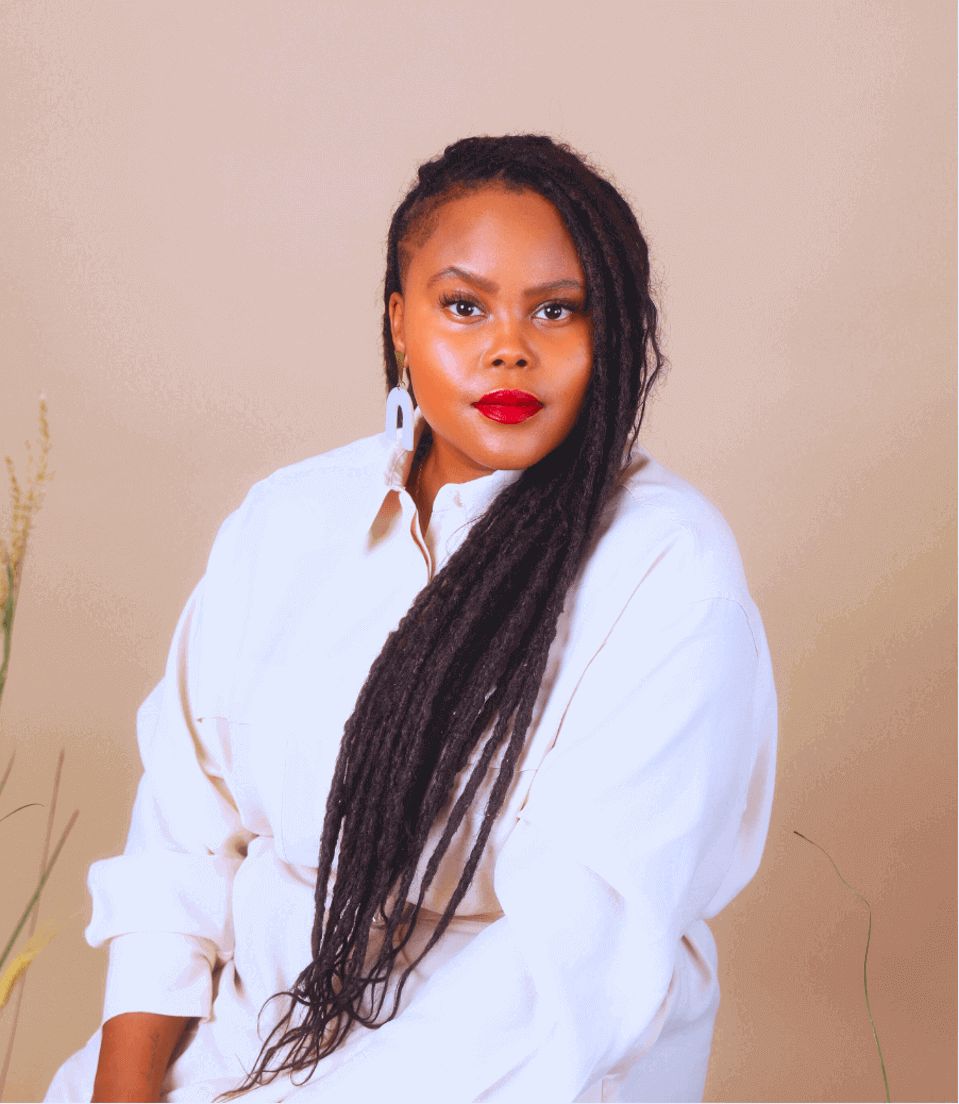
As part of the Morning Lazziness series highlighting empowering women who are making a remarkable impact with their ideas, I had the pleasure of interviewing Chantal Rochelle.
Chantal Rochelle, a Forbes 30 Under 30 honoree and Webby Award winner, is a creative force whose work has shaped content for Buzzfeed, Warner Bros. Discovery, and has been featured in outlets including Entertainment Weekly, MTV, Essence, Vibe, and Complex.
She is now the author of Where Did Grandma Go?, a heartfelt children’s book that helps families navigate the loss of a loved one. Inspired by her own experience after losing her mother in 2019, Chantal witnessed her 3-year-old niece’s struggle to understand the sudden absence, a moment that sparked the idea for the book. Written in soothing rhymes and paired with gentle illustrations, Where Did Grandma Go? opens the door to meaningful conversations about grief, offering comfort and clarity to young readers and their families.
The book has already been praised by parents, educators, and child psychiatrists as a powerful resource for helping children process grief. For Chantal, the project became a healing journey for her entire family and an extension of her lifelong commitment to storytelling that uplifts, connects, and heals.
In this interview, she reveals the mindset shifts, bold moves, and lessons that helped her turn ideas into impactful online businesses.
What’s the origin story behind your new role as author, and how does it reflect who you are beyond the entrepreneur title?
My book Where Did Grandma Go? was born from a deeply personal place of grief and healing. Writing it was my way of honoring my mother and giving children (and the families around them) language to process loss. Beyond being an entrepreneur, I’ve always been a storyteller at heart — whether that’s through marketing campaigns, community building, or now, literature. Becoming an author is simply another expression of who I am: someone committed to helping people feel seen, understood, and less alone in their journeys.
Your work blends purpose with business — what’s the “why” that still gets you out of bed on tough days?
My “why” is rooted in legacy. I want to create work that lasts — stories, campaigns, and initiatives that spark conversations and comfort people long after they’ve engaged with them. On the hard days, I remind myself that I’m building something that will outlive me, and that keeps me moving forward.
Many stories offer similar themes, but few capture hearts — what’s your secret to building deep emotional resonance with your audience?
I lead with honesty and vulnerability. People can tell when something is polished but hollow. I try to bring the realness of my experiences — the flaws, the pain, the joy — into everything I create. That authenticity is what makes people feel connected to my work.
What’s been your most effective marketing strategy, and can you walk us through the creative thinking or risk-taking behind it?
One of my most effective strategies has been partnering with unexpected creators and voices who already have deep trust with their audiences. For example, when I worked with Chef Amaury on the Wonka (2023) film campaign, it seemed unconventional, but the collaboration went viral, earning over 200 million views. The risk was betting on resonance over reach, but it paid off by creating authentic, culture-shaping content.
How do you listen to your community — not just in surveys or analytics — but in ways that help you anticipate their unspoken needs?
I pay attention to what people aren’t saying. In comments, in conversations, and in the silence between the lines. Often, needs reveal themselves in the questions people don’t ask, or in the emotions they circle around. I stay close to my community by being present in those subtle moments.
Which campaign, collaboration, or strategic shift felt like a true turning point in your brand’s public image?
Publishing Where Did Grandma Go? shifted how people see me. I went from being known primarily as a brand & marketing strategist to someone whose work is also deeply personal and purpose-driven. It showed the world that my creativity isn’t just about campaigns but also about healing and storytelling.
In your own words, how do you measure success beyond profit, in terms of legacy, influence, or cultural impact?
Success is when someone tells me, “Your work helped me.” If a child feels comforted by my book, or if a campaign inspires someone to look at life differently, that’s impact. For me, that’s more valuable than any revenue figure.
If you could pass down only one piece of wisdom to the next generation of entrepreneurs, what would it be and why?
Don’t chase trends, chase truth. Trends will make you popular for a season, but truth will build a legacy.
Winning recognition in your industry is no small feat — what behind-the-scenes decision or move do you believe made that possible?
The decision to lead with vulnerability. In an industry obsessed with highlight reels, I wasn’t afraid to show the real story — the messy middle. That choice made my work relatable and credible.
How have public recognition, awards, or media features shifted opportunities for your brand in unexpected ways?
Recognition has opened doors I didn’t even know were closed. Media features around my book, for instance, brought invitations to speak on panels and at schools, giving me a chance to expand impact beyond what I had planned.
If someone hears your name or sees your work just once, what’s the one message or feeling you hope they leave with?
I want them to feel hope. That no matter what they’re going through, they’re not alone, and there’s beauty still to be found.
Where’s the best place for our audience to follow your journey and explore your work?
They can follow my journey on Instagram at @chantalrochelle, where I share updates about my book, upcoming projects, and the behind-the-scenes of my creative and entrepreneurial life. You can also purchase my book at Where Did Grandma Go? and Amazon.com.
