Home Blog Page 34

Angela Ficken on Making Mental Health Tools Beautiful, Practical & Accessible for Everyday Life

0

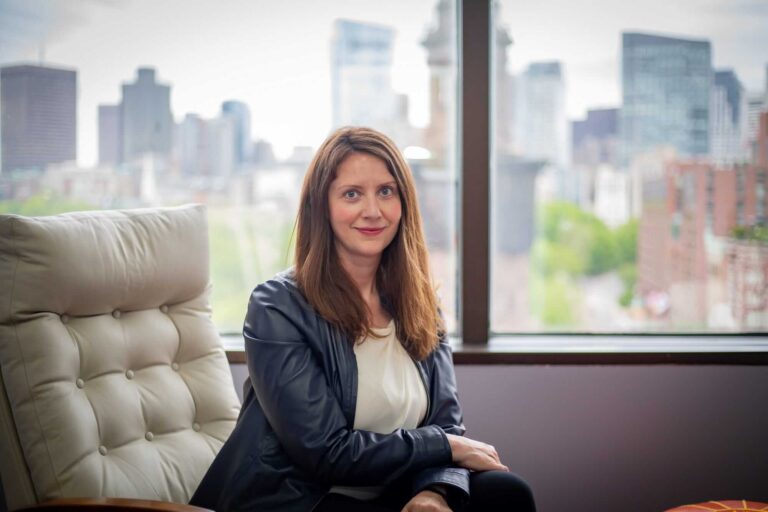
As part of the Morning Lazziness series highlighting empowering women who are making a remarkable impact with their ideas, I had the pleasure of interviewing Angela Ficken.

Angela Ficken, LICSW, is an entrepreneur and psychotherapist, as well as the founder of Worried to Well-Balanced—a digital wellness brand that bridges clinical expertise with approachable, beautifully designed mental health tools for everyday life. With almost two decades of experience in private practice, Angela has helped hundreds of clients navigate anxiety, stress, and major life transitions. She launched Worried to Well-Balanced to make evidence-based self-care more accessible, creating digital workbooks, card decks, and seasonal guides that have reached thousands of women seeking practical support beyond the therapy room. Angela’s work combines science-backed strategies with relatable real-life experiences, helping women prioritize their mental health and cultivate calm in a fast-paced world. Based in Boston, she is a passionate advocate for mental wellness, authenticity, and the power of small, intentional changes.

In this interview, she dives into the challenges, wins, and wisdom she’s gained from over a decade of transforming online businesses.

What inspired you to start your business, and what problem were you passionate about solving?

I started Worried to Well-Balanced because I saw so many people struggling to access practical, trustworthy mental health resources between therapy sessions, or in lieu of therapy altogether. I was passionate about creating evidence-based, approachable tools that could support real people in their day-to-day lives, particularly women navigating stress, anxiety, and significant life transitions.

How has your business evolved since its launch, and what key decisions helped drive that growth?

The business has evolved from a handful of printable resources to a comprehensive library of digital workbooks, card decks, and seasonal guides, as well as established content partnerships and brand collaborations. A big turning point was deciding to invest in better design and user experience, and to listen closely to customer feedback so each new product was more aligned with what my audience truly needed.

What makes your brand or offering stand out in a crowded market?

Our products are created by a licensed therapist, so they’re rooted in clinical expertise but delivered in a warm, inviting, and aesthetically pleasing way because that’s who we are. We stand out because we’re authentic and transparent. That blend of professional credibility and real-life relatability really resonates with people who are overwhelmed by generic wellness content.

What has been your most effective marketing strategy to date, and why do you think it worked so well?

Pinterest marketing and opt-in lead magnets have been incredibly effective for us. I think it works so well because our ideal customer is often searching for practical, beautiful solutions in a visual, discovery-driven environment, and we meet them with valuable content that addresses their needs in the moment.

How do you stay connected to your ideal audience and understand their needs or behaviors?

I pay close attention to customer messages, product reviews, and polls on social media, and I regularly ask for feedback on my email list. It’s important to keep an open line of communication and to treat your audience like real people whose voices matter in shaping the business.

What’s one branding move or campaign that helped elevate your business to the next level?

Launching our “Pause & Pivot” card deck as a flagship digital product helped create a recognizable signature for the brand. Buyers use these in a variety of ways.

What does success look like for you, not just in numbers, but in purpose or impact?

Success, for me, is knowing that the resources I create genuinely help women feel more empowered, less alone, and better equipped to care for their mental health. It’s about making an impact that extends beyond a single purchase, into everyday life and self-worth.

Can you share a challenge or setback that ultimately became a turning point for your brand?

In 2022, we launched a product that didn’t sell as well as we’d hoped, which was discouraging. However, it pushed us to invest more in understanding customers’ pain points and refining our offerings and messaging. That shift turned out to be a major growth driver for the business.

What daily habits or rituals keep you focused, creative, and grounded as a leader?

I’m a big believer in daily walks, short mindfulness check-ins, and scheduling uninterrupted time for deep work—those are non-negotiables for staying focused and creative. I also make space each evening to reflect on what went well and what I can let go of.

How do you approach innovation and risk in your business strategy?

I strive to remain curious and open to experimentation, but I always ground new ideas in both clinical evidence and genuine customer feedback. Calculated risks are easier to take when you’ve done the homework and you’re clear about your mission and values.

What advice would you give to someone starting a business in today’s fast-changing digital world?

Stay close to your mission, listen more than you speak, and don’t be afraid to try, tweak, and try again. The tools and platforms may change, but authenticity, service, and adaptability are always in demand.

Where can our audience connect with you and learn more about your work or offerings?

You can find all my resources and connect with me here. Also, follow me on Instagram. I always love hearing from people and supporting their wellness journeys!

Marina Byezhanova on Authentic Personal Branding, Overcoming Self-Censorship & Leading with Depth

0

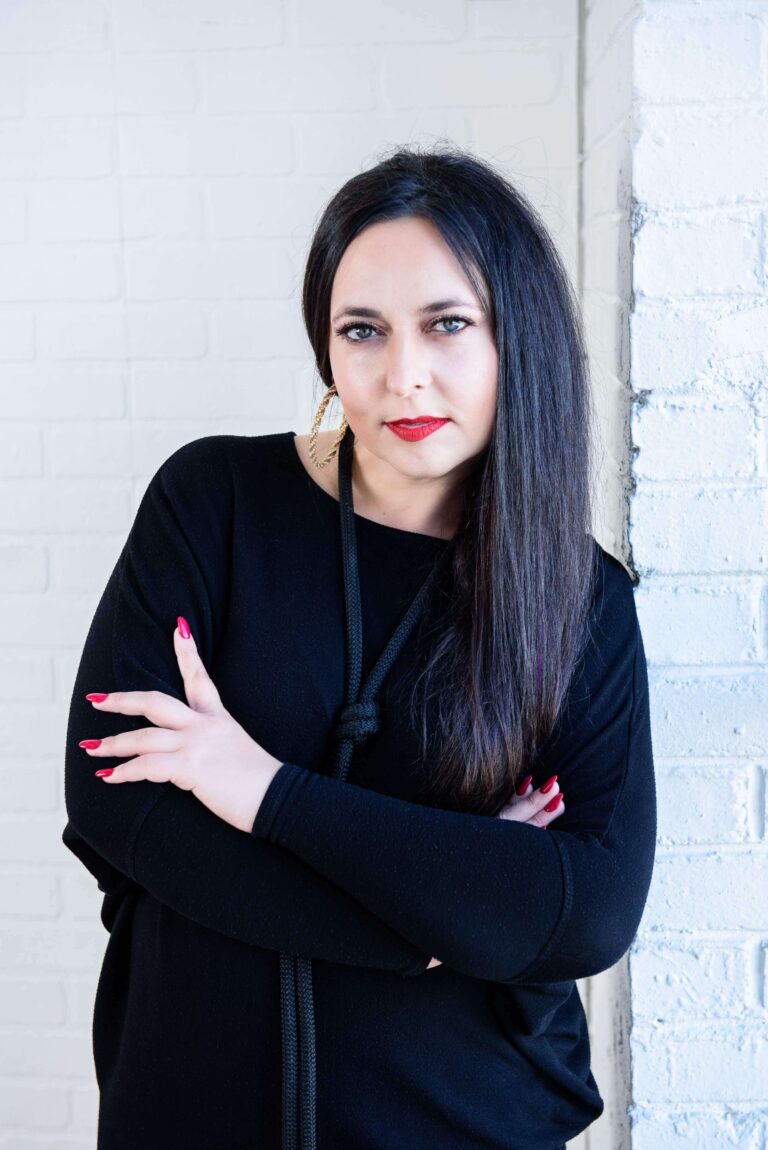
As part of the Morning Lazziness series highlighting empowering women who are making a remarkable impact with their ideas, I had the pleasure of interviewing Marina Byezhanova.

Marina Byezhanova is on a mission to scale the reach of people’s voices. Co-Founder of a personal branding agency called Brand of a Leader,  Marina has been quoted and referenced in such publications as Inc.com, Forbes.com, Fast Company, Success Magazine, Wall Street Journal, and the Financial Post, and has spoken to audiences of entrepreneurs and business executives in North America, Asia, Europe, and the Middle East. The brand of a Leader’s purpose is to help entrepreneurs realize and express their greatness. Marina is a proud member of the Entrepreneurs’ Organization and is presently part of the Global Products Portfolio. 

In this candid conversation, Marina shares her journey, insights, and the strategies that have helped her build a results-driven business and empower other entrepreneurs to do the same.

What inspired you to start your own PR agency, and how did you get your first client?

Several years ago, I became preoccupied with two cultural phenomena I observed in North America: self-censorship and a lack of diversity of thought in most groups or environments.

Self-censorship came in the form of my fellow executives and highly successful business owners being invisible in their industries. I noticed that they would “hide” behind their businesses, not willing to put themselves out there and be known. As a result, they were shortchanging the marketing efforts of their organizations as prospective clients expect to know who the leaders of an organization are. And executives were shortchanging their own career management – often overlooked for internal or external opportunities as a result of their lack of visibility.

Lack of diversity of thought came in the form of group think, more and more prevalent in our Western societies. 

I would often have people ask me where I found the courage to be outspoken and to put myself in the public eye. It resulted in several people coming to me for help with this. As a result, Brand of a Leader was born out of that gap and market need, with the first clients coming on board before the business was even ever registered. 

What unique challenges have you faced as a woman entrepreneur in the PR world, and how did you overcome them?

The biggest challenge for any career-oriented ambitious woman who is also a parent is to successfully prioritize and manage both of these dimensions of our lives. I want to self-actualize as an entrepreneur, but I equally as much want to self-actualize as a mother. Being highly ambitious often comes with being judged as an uninvolved parent and this was a challenge for me to manage in my life.

I overcame this by constantly investing in my personal development and growth: learning how to be a great business person and a great parent, but most importantly working on my own self-limiting beliefs. I’ve always had coaches: for the business and personally, as well as always working with a therapist. 

One of my most successful solutions came from learning how to integrate my children into my business life. I bring them on my business trips, I tell them about the business, and I apply my parenting lessons for the benefits of business growth, as well as applying business lessons for the benefits of my growth as a parent.

How do you stay ahead of trends in an industry that’s constantly evolving with media and technology?

I believe in the power of a community of like-minded people as one of the most important levels of growth and staying connected to trends and innovation. I am part of a peer-to-peer network of business owners called the Entrepreneurs’ Organization (EO). Through it, I attend a plethora of learning events, both in person and online. AI has been a game-changer for many of us, if not all of us, in the business world, and I have been able to access world-class learning through the EO community. I also believe in the power of an abundance mindset and openly share concerns, learnings, and resources, with others in my industry. As they do the same reciprocally, I am able to stay on top of trends in my vertical. 

What’s your go-to strategy for building strong, lasting relationships with clients and the press?

One of our core values at Brand of a Leader is “in pursuit of depth.” This means that we prioritize relationships that are rooted in depth and not superficiality. We do not take a transactional approach to relationship building, be it with clients or the press. There are 3 books that have been transformational to me when thinking about this topic: Unreasonable Hospitality, Giftology, and Beyond Giftology. All three are based on the foundational principle of building relationships without focusing on the outcome or a transactional benefit, but rather prioritizing the human-to-human connection. I believe that this approach will become central to all organizations in the rise of AI and our joint overindexing on human-to-machine communication. 

Can you share a campaign or media moment you’re especially proud of—and why it stands out?

The foundational service we offer to our clients is the development of their personal brand identity. As part of that service, we create their personal brand story. The moment I am most proud of in our work, which affects me deeply and profoundly, is when I get to read the brand story to the client. Time and time again, hearing it elicits profound emotion in them. These are extremely successful, and often senior, leaders, and yet that moment of seeing their entire journey on one page fills them with pride and gives them the confidence to step out into the “spotlight.” Our WHY at Brand of a Leader is to help leaders realize and express their greatness. And that moment where I can experience them realizing their greatness is exceptionally powerful. 

Which platforms or tactics have been most effective for growing your own brand visibility?

Brand of a Leader is presently in the #2 spot in Google search for the term “personal branding agency” and we are now consistently found by prospective clients in AI search (e.g.: GPT, Perplexity). We never invested in SEO services or any PPC work, so this success in a highly competitive field is fully organic. The key tactic to achieving that is doing exactly what we help our clients do: a very clear and compelling positioning powered by creating lots of thought leadership content – on social media, through podcast guesting, by contributing to articles on a variety of platforms, and by creating our own long form thought leadership articles. 

What role has mentorship played in your journey, and how do you pay it forward to others in the industry?

Throughout my journey, I have always worked with a multitude of coaches, both in the business and personally. I also tap into the opportunity of being mentored by fellow members of the Entrepreneurs’ Organization. In turn, I pay it forward by partaking in industry events (or events specifically for women in business or junior professionals who are just embarking on their journey). Although I am a paid global speaker, I frequently waive the speaker fee for events in universities or held by non for profit organizations. I also readily jump on calls with people starting out in my field, even directly in personal branding, and very openly share my experience, the journey, the structure of the business, and anything else they ask me about. Once again – I believe in the concept of abundance. 

How do you handle high-pressure situations or crises, whether for a client or your own business?

The entrepreneurial journey is a rollercoaster and definitely not for the faint of heart. The ability to handle those high pressure situations comes purely from working on myself as a leader to constantly improve my resiliency, my focus, and my ability to communicate effectively. Having a circle of people I can trust to whom I can turn in the most challenging moments is also crucial. 

What’s one piece of advice you’d give to women entering the PR or communications industry today?

Collaborate instead of creating a silo for yourself! Find mentors in your own field, share readily, and don’t be afraid to ask questions. There is no need to re-invent the wheel – learn from the best and then add your own flavor to the work you do for the market.

What are the 5 things you believe are essential to overcome self-doubt and build confidence in this field?

  1. Work with a coach and a mentor – the two bring very different value, but are incredibly crucial for overcoming those voices in your head.
  2. Get clear on your personal brand: what is unique and valuable about what you bring to the table? Why should people – prospective clients, current clients, investors, and your team members listen to you? 
  3. Develop a thirst for learning. Outlearn everyone and it will allow you to outperform everyone. 
  4. Build a network of other “builders,” in your industry and beyond. Community of like-minded people is everything. 
  5. Seek out feedback and internalize positive feedback to build confidence and see the value you bring to others. 

Is there a quote, mantra, or philosophy that guides your decision-making and leadership as a PR entrepreneur?

My personal mantra is: stand out, speak up, and be radically authentic. I believe in the power we have as leaders when we embrace who we are fully, stop self-censoring, and put ourselves out there. When I did that and built my visibility, I was able to position my agency as a market leader vis-a-vis my thought leadership. We are in the second spot in Google search for the term “personal branding agency” with no investment in SEO and PPC. This is purely thanks to building thought leadership and making it the core focus of our marketing efforts. 

Ok, we are nearly done. You are a person of great influence. If you could inspire a movement that would bring the most amount of good for the greatest number of people, what would that be? You never know what your idea can trigger.

I grew up in a society of full censorship and I am seeing a concerning trend of self-censorship in the Western World. If I could, I would start a movement to eradicate group think and to promote the one dimension of diversity that seems to be continuously de-prioritized: diversity of thought. In a way, this is exactly what we are doing through our personal branding agency for GenX CEOs and Founders Brand of a Leader.

How can our readers further follow your work online?

Take a look at my website and let’s connect on LinkedIn

Bethan Jeentipraphet on Building a Premium VA Agency from Scratch — Without a Degree or Funding

0

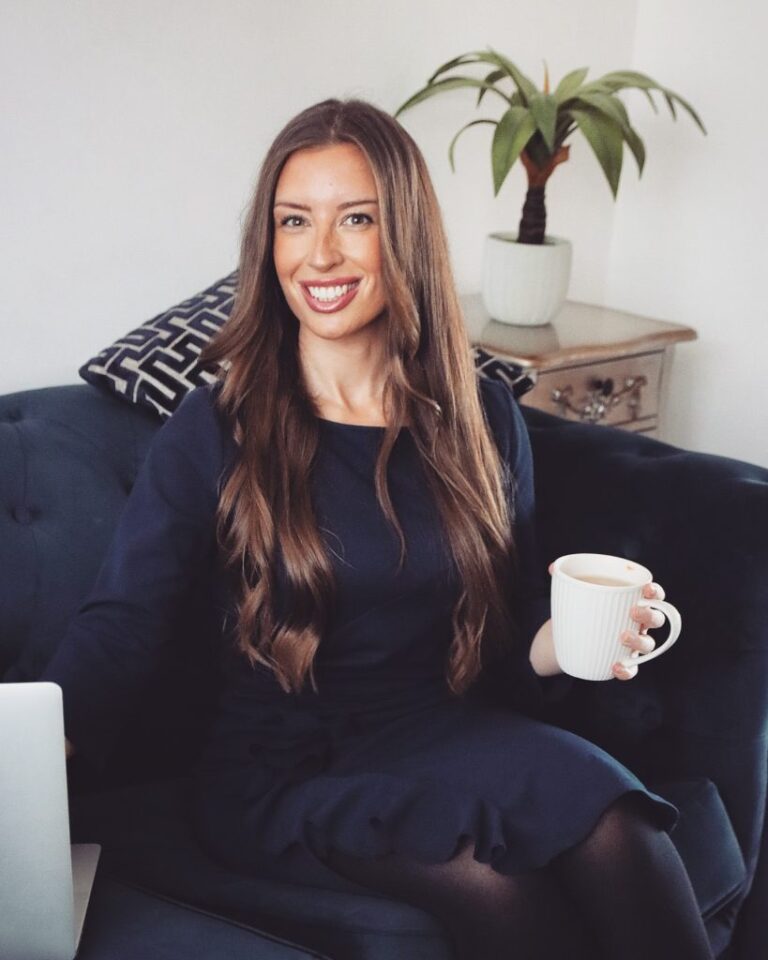
As part of the Morning Lazziness series highlighting empowering women who are making a remarkable impact with their ideas, I had the pleasure of interviewing Bethan Jeentipraphet.

Bethan Jeentipraphet is the Co-Founder and Lead Virtual Assistant at TVAC – The Virtual Assistant Company, a multi-award-winning agency that delivers premium virtual support to entrepreneurs, small businesses, and scaling teams across the globe.

With no formal business training or university education, Bethan built TVAC from the ground up — fuelled by high standards, self-taught expertise, and a no-nonsense approach to business. Today, she leads a diverse team of high-performing VAs and has helped hundreds of clients streamline operations, elevate their brands, and grow sustainable businesses.

Bethan is known for her obsession with quality, her belief in doing things properly the first time, and her mission to raise the standards of the virtual assistant industry. She recently launched the TVAC portal — a first-of-its-kind platform that creates a seamless experience for clients and VAs alike.

Splitting her time between the UK and Thailand, Bethan has built a life and business centred around freedom, flexibility, and purpose. Through TVAC and her personal brand, she empowers others to take their businesses seriously, build systems that work, and develop the mindset required for long-term success.

Bethan believes that entrepreneurship isn’t about chasing perfection — it’s about holding yourself to high standards, backing yourself fully, and doing the work with integrity.

In this candid conversation, Bethan shares her journey, insights, and the strategies that have helped her build a results-driven business and empower other entrepreneurs to do the same.

What inspired your leap into entrepreneurship, and what personal experiences sparked the idea behind your current venture?

I never set out to be an entrepreneur. I fell into it out of necessity. I had no business background, no degree, and no funding, but I had a strong work ethic and an even stronger desire for freedom. I wanted to work in a way that fit around my life, not the other way around. When I discovered the virtual assistant world, it clicked. I realised I could build something that not only gave me that freedom but also helped other people achieve the same. That’s how TVAC was born.

What core problem does your business solve, particularly for women or underserved communities, and how does your approach stand out in today’s competitive space?

At TVAC, we solve two problems at once. We help overwhelmed business owners access reliable, high-performing remote support, and we create meaningful work opportunities for talented people, especially women, who want flexibility and freedom. Our approach stands out because we don’t just match people and disappear. We’ve built a one-of-a-kind client and VA portal that streamlines the entire experience. It’s professional, transparent, and rooted in real human connection. We’re raising the standard for what outsourcing should be.

What were some of the toughest obstacles you faced early in your journey as a woman entrepreneur, and how did you navigate through them?

I had to accept that people would undoubtedly think I was crazy. I tried to do all of the “right” things that were expected of me; go to university, land a ‘good’ job, climb the career ladder. But none of that resonated with me. It didn’t fulfill me. I dropped out of uni to start a business, because I knew I was entrepreneurial. With no financial backing, no help or handouts, and absolutely no safety net, I started and grew a six-figure agency, with no degree and no experience. What helped was surrounding myself with people who believed in me, ignoring the naysayers, and always believing in myself. I refused to give up.

When the going gets tough, what keeps you grounded and motivated to keep pushing forward?

Pushing forward is the only option. I know what it feels like to have nothing, and the thought of going back there terrifies me. It motivates me to keep going. I’m also inspired by the bigger picture. I didn’t build this business just for me. I built it to change lives — for my team, my clients, and the industry as a whole. Every time I feel stuck or overwhelmed, I remind myself of the people relying on me and the mission we’re building together. That, and a sunset over the beach in Thailand, usually resets my mindset.

What daily habits or non-negotiable routines help you stay focused, creatively energized, and balanced as a founder?

As a chronic workaholic, striking the perfect balance is often a challenge for me. I often have to force myself to take days off. I try not to serve clients on Fridays. Instead, I work ‘on’ the business and think of new ways to grow and thrive. Additionally, taking time out of the office to inspire new ideas is key for me. This could look like a lunch, sitting by the beach, or going out for a coffee. I don’t have a strict routine, but I do have non-negotiables: I always start the day with a coffee, followed by the gym. 

What’s been the most effective growth lever for acquiring new clients or expanding your customer base?

Referrals, hands down. We’ve built a reputation for high standards and delivering what we promise — and that speaks for itself. Happy clients talk. That said, showing up with value on social media and positioning myself as an expert in outsourcing and business growth has also helped to attract aligned clients who trust us before we’ve even spoken.

What branding or marketing decision had the biggest impact in elevating your business and building trust with your audience?

Launching the TVAC portal has been a game changer. It’s more than a tool — it’s a visual representation of our commitment to professionalism and excellence. Branding-wise, we shifted from looking like a scrappy start-up to presenting ourselves as a premium service provider. The tone, design, and messaging now all align with who we are — and that trust and clarity has opened so many doors.

How do you personally define success, not just as a business owner, but as a woman living a purpose-driven life?

Success, to me, is freedom. Time freedom. Location freedom. The freedom to choose who I work with and how I live. But beyond that, it’s knowing that I’m making a difference — creating opportunities, empowering others, and doing work that actually matters. If I can make money, change lives, and feel peaceful doing it, that’s success.

Can you share a mistake or misstep that taught you a lesson you still carry with you today?

I waited too long to delegate. I thought I had to do everything myself to save money or keep control, but all it did was slow me down and exhaust me. As soon as I hired the right people and let them own their roles, the business took off. That taught me that trying to do it all is not a badge of honour — it’s a bottleneck.

What’s your best advice for women just starting out—especially first-time entrepreneurs feeling overwhelmed or unsure of their next steps?

I don’t believe in doing things half-heartedly — especially in business. If you want to succeed, you have to treat your business like a business. That means showing up seriously, doing things properly, and holding yourself to high standards from day one.

You don’t need to be perfect, but you do need to be committed. Entrepreneurship demands resilience, focus, and a mindset built for growth — and the good news is, mindset can be developed. But if you’re still treating your business like a side hobby, don’t be surprised if the results reflect that.

How do you approach risk and innovation, especially when breaking new ground in a male-dominated or fast-changing industry?

I trust my instincts and back myself, even when the path isn’t clear. I don’t follow trends for the sake of it — I innovate when there’s a genuine need. Like our portal — it didn’t exist, so we built it. I also lean into being underestimated. It’s fuel. When you’re a woman doing things differently, you’re going to ruffle feathers — and that’s not a sign to stop, it’s a sign you’re onto something.

If you lead a team, how do you foster a culture of trust, inclusivity, collaboration, and growth?

I lead with transparency and respect. My team knows what’s going on in the business and how their work contributes to the bigger picture. I’m a big believer in giving people autonomy and trusting them to deliver. We also celebrate wins, talk openly about challenges, and invest in growth, both personal and professional. I want everyone on the team to feel seen, valued, and supported.

What are the top 5 mindset shifts or personal practices that helped you overcome self-doubt and grow your confidence as a woman entrepreneur?

  • Done is better than perfect
  • I am allowed to take up space
  • Confidence comes from doing, not waiting to feel ready
  • My time is a currency — protect it
  • The rest is productive

If you could spark a global movement through your work, what would it be—and why is that mission meaningful to you?

I’d spark a movement around freedom through flexible work — for women, parents, neurodivergent people, anyone who doesn’t thrive in rigid systems. I want to prove that success doesn’t have to follow a traditional path. You can build a thriving business, on your terms, and live a life that feels like yours.

What’s a quote, philosophy, or guiding belief that shapes how you lead, create, and live every day?

“Work doesn’t have to be done at a specific time — it just has to be done to standard, by deadline.”

That belief underpins everything I do. I lead with trust and expect excellence, not hours at a desk.

Where can our audience connect with you, explore your work, or follow your entrepreneurial journey online?

You can find her on her websiteInstagram, or LinkedIn.

Empowering Families Through Faith & Coaching: Jenny Beckford on Elevating Teens, Parents & Communities

0

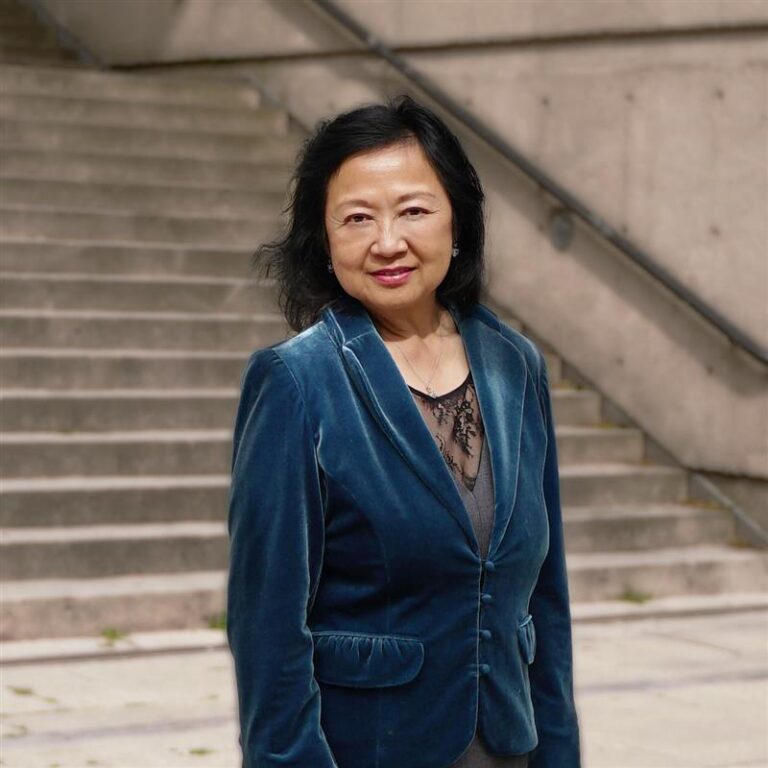
As part of the Morning Lazziness series highlighting empowering women who are making a remarkable impact with their ideas, I had the pleasure of interviewing Jenny Beckford.

Jenny Beckford is a Family Wellbeing Consultant, Parent & Teen Coach, Certified Teen Coach, NLP Practitioner, and holds an MSc in Coaching Psychology. She is the founder of Greater Elevation, a coaching and consulting service that supports both parents and teens with emotional resilience, communication, and mindset tools.

While still working a 9–5, Jenny is steadily building a purpose-driven venture that began during the COVID-19 pandemic, offering virtual support to teens. As a mum to twin daughters now adults she realised parents of teens needed just as much support. After investing in her own personal development, she transformed her relationship with her daughters and felt called to help other families do the same.

In 2023, Jenny was honoured as Coach of the Year by the Single Mums Business Network, recognising her transformational work with families. She runs a thriving Facebook community of over 800 parents and is currently developing workplace wellbeing initiatives tailored to working parents of teens, as well as a school consultancy model that offers embedded support for parent and teen engagement. Her mission is to elevate families from the inside out, creating ripple effects across homes, schools, and communities. She is also laying the foundations for the Greater Elevation Academy, a future initiative to support disengaged youth through coaching and purpose-driven pathways.

In this interview, she dives into the challenges, wins, and wisdom she’s gained from over a decade of transforming online businesses.

What inspired your leap into entrepreneurship, and what personal experiences sparked the idea behind your current venture?

Navigating the teen years with my twin daughters was tough. After investing in coaching myself, our bond transformed, and I knew I had to help other families do the same.

What core problem does your business solve, particularly for women or underserved communities, and how does your approach stand out in today’s competitive space?

I support both parents’ and teens’ emotional resilience, communication, and mindset tools, especially working mums, who often feel emotionally stretched and unsupported. My approach strengthens the whole family unit through coaching, peer circles, and school consultancy. I’m currently developing workplace wellbeing initiatives tailored to working parents of teens, a group often overlooked in traditional support programmes.

What were some of the toughest obstacles you faced early in your journey as a woman entrepreneur, and how did you navigate through them?

Balancing a 9–5 with building a business was exhausting. Like many women, I wore the “do-it-all” badge with pride, staying up late, skipping rest, and doing everything myself. I was driven by purpose, but it took a toll. What helped me navigate was leaning into faith, celebrating small wins, and learning to honour rest as a strategy, not a luxury.

When the going gets tough, what keeps you grounded and motivated to keep pushing forward?

Daily prayer, journaling, and remembering the families I’ve helped. Their growth keeps me going.

What daily habits or non-negotiable routines help you stay focused, creatively energized, and balanced as a founder?

Prayer is a non-negotiable, and I treat myself to a massage once a month to reset and recharge.

Reading the bible, meditating, journaling, attending the gym, and listening to audiobooks at 2x speed.

What branding or marketing decision had the biggest impact in elevating your business and building trust with your audience?

Speaking engagements and community building, my Facebook group has over 800 engaged parents.

What’s been the most effective growth lever for acquiring new clients or expanding your customer base?

Using “we” in my messaging to reflect collaboration and community, it built trust and relatability.

How do you personally define success, not just as a business owner, but as a woman living a purpose-driven life?

Success is living in alignment with purpose, creating impact, and nurturing strong relationships, especially with my daughters.

Can you share a mistake or misstep that taught you a lesson you still carry with you today?

Not believe in myself early on. When you doubt yourself, others sense it. Confidence is contagious—and foundational.

What’s your best advice for women just starting out, especially first-time entrepreneurs feeling overwhelmed or unsure of their next steps?

Start small, stay consistent, and don’t wait to feel ready; clarity comes through taking action.

How do you approach risk and innovation, especially when breaking new ground in a male-dominated or fast-changing industry?

I create what I wish existed, like my future Greater Elevation Academy for disengaged youth.

If you lead a team, how do you foster a culture of trust, inclusivity, collaboration, and growth?

I foster trust through transparency, shared values, and celebrating small wins.

What are the top 5 mindset shifts or personal practices that helped you overcome self-doubt and grow your confidence as a woman entrepreneur?

  • Faith over fear
  • Progress over perfection
  • Purpose over popularity
  • Collaboration over competition
  • Rest as a strategy.

If you could spark a global movement through your work, what would it be—and why is that mission meaningful to you?

Elevating families to elevate communities because healing starts at home.

What’s a quote, philosophy, or guiding belief that shapes how you lead, create, and live every day?

“Anything is possible for those who believe.”

Where can our audience connect with you, explore your work, or follow your entrepreneurial journey online?


How Sophie Attwood Built a Global Beauty PR Empire Through Authentic Storytelling and Strategic Impact

0

As part of the Morning Lazziness series highlighting empowering women who are making a remarkable impact with their ideas, I had the pleasure of interviewing Sophie Attwood.

Sophie Attwood is a globally recognized communications expert, published author, and founder of SA Communications, an award-winning PR agency specializing in the health, beauty, and wellness industries. With over a decade of experience and a deep passion for authentic storytelling, Sophie is known for crafting strategic, impactful campaigns that elevate brands to new heights.

Since launching SA Communications in 2017, Sophie has built a standout portfolio of trailblazing clients, including Harvey Nichols, Wild, St. Tropez, P.Louise, Motiva, Morpheus8, and Bausch + Lomb. Her unique approach fuses creativity with commercial insight, helping both global brands and clinical experts connect with their audiences in meaningful, credible ways.

An advocate for integrity and innovation in communications, Sophie’s thought leadership extends beyond PR. She is the author of “Beautiful PR,” a go-to guide for modern brand storytelling, and the host of The PR Clinic podcast, where she shares expert insights with fellow industry leaders.

In this candid conversation, Sophie shares her journey, insights, and the strategies that have helped her build a results-driven business and empower other entrepreneurs to do the same.

What inspired you to start your own PR agency, and how did you get your first client?

I launched SA Communications from my kitchen table with no funding, a self-built website, and a firm belief that I could offer something different. I’d spent years working in-house leading a global communications team, and I knew I could bring elements of this approach to storytelling to an agency involvement. Ultimately, I wanted to lead with heart and strategy…not PR spin, smoke and mirrors. My first client came through word-of-mouth, and we’ve grown completely organically ever since through recommendation only. We’re now a team of 20 and working with clients on an international scale – with offices in both the UK and the USA. 

What unique challenges have you faced as a woman entrepreneur in the PR world, and how did you overcome them?

Being a woman in business is a constant juggle and what I can only describe as a battle. You carry the mental load, you’re the first one the school calls with a problem, and you’re expected to be both soft and strong, all at once. I’ve had men try to intimidate me, talk over me, or worse. I’ve been underestimated more times than I can count but after a few years, I learned to let that fuel me. I didn’t shout louder. I just built louder. I focused on delivering results that couldn’t be ignored, and building an agency culture rooted in empathy, intelligence, and impact. I suppose that’s what’s made SA Communications one of the UK’s most trusted beauty PR agencies today. 

How do you stay ahead of trends in an industry that’s constantly evolving with media and technology?

For me, we’re not chasing trends, we’re writing stories. Because we live and breathe this industry, what others see as trends, we experience as what I can only describe as instinct. We’re immersed in beauty, wellness, and aesthetics every single day – so shifts in media, tech, and consumer behaviour aren’t things we react to; they’re things we anticipate, shape, and often start. 

What’s your go-to strategy for building strong, lasting relationships with clients and the press?

People do business with people. Real relationships aren’t transactional. We listen first, deliver consistently, and stay relentlessly curious. Most of our clients have been with us for years – we currently have a 98% client retention rate which we’re really proud of – and most of our press relationships span a decade or more. That level of trust is earned, not assumed – and it certainly doesn’t come from sending a load of media releases to a list of people and crossing your fingers. 

Can you share a campaign or media moment you’re especially proud of—and why it stands out?

There are so many I could mention. We’ve changed legislation and we’ve implemented policies which are still impacting people today. I love when you work with a challenger brand and you see them come out on top – for instance, Wild has been a retained client with SA for a few years now – and we’re supported them through huge growth, to a £200m acquisition from Unilever. We’re proud of the results we’ve achieved, but we’re more proud to be telling stories that really do matter to support brands who are really making a difference. 

Which platforms or tactics have been most effective for growing your own brand visibility?

LinkedIn is so important. I treat it like a digital diary and it’s really helped to build a steadfast community online. PR coverage too of course has been instrumental within this – features within Forbes through to accolades with Management Today’s 35 under 35 have only acted as trust markers for prospective clients. 

What role has mentorship played in your journey, and how do you pay it forward to others in the industry?

I wouldn’t be where I am without the few people who championed me early on. The first CEO I worked for believed in me. He’d have me write his speeches for events and through that I almost learned the voice needed within leadership. Now, I pay it forward and it’s probably one of the things that really gives me that fire in my belly. It’s one thing succeeding – but it would be a pretty lonely place if you didn’t take an incredible team with you on the way up. 

How do you handle high-pressure situations or crises, whether for a client or your own business?

I always say: communicate quickly, honestly, and with purpose. Whether it’s a brand reputation issue or a pivot in business direction, staying calm and clear is what earns long-term respect.

What’s one piece of advice you’d give to women entering the PR or communications industry today?

Don’t wait to be given a seat at the table, my goodness, build your own. The best ideas don’t come from the loudest person in the room, either – so don’t let that intimidate you. Lead with value, not volume and you’ll go far. 

What are the 5 things you believe are essential to overcome self-doubt and build confidence in this field?

  1. Know your impact: Track your wins – even the small ones. They’ll build up faster than you think.
  2. Don’t over-identify with failure: See it as feedback, not fact.
  3. Build a values-led community: Surround yourself with people who reflect your future. 
  4. Say yes before you’re ready: Then grow into the role. That’s how I won my first global client. Emma Grede recently said in an interview ‘I got to where I got to because I have the audacity of a man’ – which I think is totally true. 
  5. Create proof, not perfection: Perfectionism is fear in disguise. Focus on progress instead.

Is there a quote, mantra, or philosophy that guides your decision-making and leadership as a beauty entrepreneur?

“Build something you’re proud to be remembered for” That’s been my guiding light – especially in the early days when I had to self-motivate through every late night juggling a newborn and a new business. 

If you could inspire a movement that would bring the most amount of good for the greatest number of people, what would that be?

I’d love more people to really focus on honest storytelling in business. In a world where filters, hype, and fast-growth culture often mask the reality, I want more founders – especially women – to feel safe sharing the truth behind the success.

How can our readers further follow your work online?

You can find me on LinkedIn or visit SA Communications to explore how it’s helping beauty, wellness, and aesthetics brands get talked about and stay remembered.

Phoebe Yong on Leading in Fintech PR, Building Magnolia Communications, and Finding Power in Storytelling

0

As part of the Morning Lazziness series highlighting empowering women who are making a remarkable impact with their ideas, I had the pleasure of interviewing Phoebe Yong.

Phoebe Yong is the founder and President of Magnolia Communications. Before Magnolia, Phoebe held leadership roles in several companies that were at the forefront of breakthrough technologies.

Phoebe wholeheartedly believes that everyone has a story to tell, and her job was to help tell the story in the most relevant and relatable way, so she founded Magnolia in 2004. Magnolia has since grown to be an award-winning full-service B2B agency, serving clients in financial services, fintech and payments, and technology across North America, as well as global regional offices. 

Through Phoebe’s leadership and guidance, the breadth of Magnolia’s services has expanded, from public relations to external communications, digital marketing and content creation.

Most recently, Phoebe has led personal brand-building programs for CEOs as they lead their companies through reputation management and crisis communications.

Before starting Magnolia, Phoebe worked at Sierra Wireless as global strategic marketing lead for alliances and marketing communications.

Originally from Kota Kinabalu, Malaysia, Phoebe lives in Vancouver, BC with her family. She has a Bachelor of Applied Sciences in Communications, Simon Fraser University, and a Masters in Business Administration, City University of Seattle.

In this interview, she dives into the challenges, wins, and wisdom she’s gained from over a decade of transforming online businesses.

What inspired you to start your own PR agency, and how did you get your first client?

I had recently left a very demanding corporate position, and started a young family. Back then there was no work-from-home model and I would have to commute 1.25 hours each way to work. I wanted to see if I could do my own consulting that would afford me the flexibility to raise my two young ones. Moreso, I wanted to act on my deep passion for becoming an entrepreneur. I wouldn’t call myself a serial entrepreneur, that is way too ambitious, but entrepreneurship felt like my calling. I launched my agency and welcomed my first client, a large fortune 500 company. The introductions were made via a former colleague of mine.

What unique challenges have you faced as a woman entrepreneur in the PR world, and how did you overcome them?

My niche was fintech, technology, and clean tech, so the challenges included being in a room filled with men. My ethnic background (I’m Chinese-origin) also added to the differentiation, which meant I had to regularly prove that I knew what I was talking about. I overcame these hurdles by being the best at what I did. My previous experience in my corporate job and the results I achieved spoke for me. Additionally, the executives that I worked directly under had a great reputation and I could call on them as references.

How do you stay ahead of trends in an industry that’s constantly evolving with media and technology?

I am a news hound. I read or scroll through all sorts of news – sports, business, entertainment, food, culture – every story has an angle that someone is trying to tell. I am deeply curious to learn about these stories to stay ahead of trends.

What’s your go-to strategy for building strong, lasting relationships with clients and the press?

I often get asked in business development meetings, “do you know anyone at Wall Street Journal?”  My reply is “Yes but if we don’t have a good story, it just means they will give me 10 more seconds before they hang up on me.” When it comes to building relationships with the press, it is imperative that you respect their time, since they are on deadlines and, nowadays, they wear many hats, and carry multiple beats. Make their life easy by pitching them good story angles, unique spokespeople, and afford them the flexibility to change their schedules. I have relationships with press that I have cultivated for over 20 years; I see them as people first, with common challenges (they’re working moms, part of the sandwich generation). Once we make that connection, work comes in easily and as long as you deliver on what you promise, those relationships will endure.

Can you share a campaign or media moment you’re especially proud of—and why it stands out?

There have been so many over my 25-year career in PR. I would say two stand out. The first is from my time in the corporate world. I was tapped on the shoulder to work with the Microsoft Communications team to prepare for then-CEO Bill Gates to go on stage in Las Vegas to launch the first smartphone using their Windows CE software. It was a big deal and an industry-first. Personally, it was a big deal for me to work on this project. The level of intensity, perfectionism, and the amount of learning I received working with Gates’ team, and ultimately being involved in successfully launching the new device for his unveiling proved to me my power of resilience and fortitude. The experience was beyond amazing.

For Magnolia, my biggest highlight would be going to New York City and then traveling to London, UK to launch a new service for a fintech client. From press meetings in NYC, running the launch event at The Museum of Modern Art (MOMA), then flying to London to host similar media events at historical halls was quite the rush. The pressure to have the media attend, and ensure the event ran flawlessly, all fit my drive to make clients happy and tell their story about the new software launch to their clients.

Which platforms or tactics have been most effective for growing your own brand visibility?

You know that saying “out of sight, out of mind”, continues to be true. Curated newsletters or direct emails to existing and previous customers are important to keep us top of mind. We can’t discount social media, especially LinkedIn for the B2B space, which is essential for expanding general touchpoints to reach a bigger audience.

What role has mentorship played in your journey, and how do you pay it forward to others in the industry?

I have several women who are my mentors, not in the professional world but more in the personal sphere. I see how they’ve dealt with being professional women, juggling multiple tasks and duties. It’s not easy. I see their grit, and their vulnerability, and that inspires me. I paid it forward by establishing the Magnolia Spirit Scholarship last year at Simon Fraser University (SFU) to honour young students who give back with volunteering and community service. I often hire young women for internships to give them a launchpad and professional experience to begin their career path.

How do you handle high-pressure situations or crises, whether for a client or your own business?

Running your own business is not for the faint of heart. Rejection is part of daily life. Running a professional service business comes with high pressure situations all the time. A key part of handling this type of pressure is by accepting this fact – rejection and high pressure come with the job, and they need to fuel you, not drain you. I don’t spend much time at pity parties. I get back on the saddle and onto a new adventure. It also helps to have similar peers and team members who share this attitude to deal with these situations with you.

What’s one piece of advice you’d give to women entering the PR or communications industry today?

You have to grow thick skin because rejection is part of the game. But use that armour to be highly creative with your stories and seek out relevant reporters, even as you navigate the rejection.

What are the 5 things you believe are essential to overcome self-doubt and build confidence in this field?

  • You can achieve anything you set your mind to
  • Have your closest friends as your biggest cheerleaders
  • Have your closest friends always tell you the truth – good and bad
  • Nothing replaces hard work to achieve what you want
  • Laugh. At yourself, with others but just laugh.

Is there a quote, mantra, or philosophy that guides your decision-making and leadership as a beauty entrepreneur?

I’m not a beauty entrepreneur, but my mantra is start each day and end your day with a gratitude bowl.  Take a deep breath and put in all the gratitude that surrounds you – big or small. 

Here is our signature question: “What Are The 5 Things You Need To Overcome Self-Doubt and Build Confidence?”

1.   Be prepared. I follow the Boy Scout’s motto in all aspects of work, and it’s the one piece of advice I offer clients. For our crisis communications clients, preparation has helped allay doubts and helped them through difficult periods.

2.   Stay adaptable. When I arrived in Vancouver in 1976, I found that we were one of the only Asian families in the area. The environment was not kind. I had to learn resilience as a child in the face of bigotry and rejection. I adapted by learning the language, and changing the food I brought to school. By adapting, I was able to strive further and become an entrepreneur.

3.   Follow your instincts. Self-doubt can come from not listening to your gut. I’ve learned to listen over the years, and my instincts rarely fail me.

4.   Celebrate the wins. We have a tendency in life to remember the bad things that happen. But you can’t build confidence by looking at the negatives. Celebrate the small wins to hone your gut and become more confident.

5.   The power of ‘no’. Running an agency for 20 years has taught me how important it is to say ‘no’, even if it makes you unpopular. I’ve accepted that fact, and it’s made me less doubtful and more confident. At Magnolia, I had to say ‘no’ to a client that was bringing nothing to the table, to ensure my team could concentrate on the clients that didn’t sap their energy.

Ok, we are nearly done. You are a person of great influence. If you could inspire a movement that would bring the most amount of good for the greatest number of people, what would that be? You never know what your idea can trigger.

I would aspire to have a place where people of Asian descent like me could tell their stories, be it happy, successful, sorrowful, inspiring, defeatist, or thought-provoking. Each person has a story to tell. I want to create a space where we can share our authentic stories to let others who share similar backgrounds know they are not alone. Together, our stories make us more connected, closer than we think. Stories on culture, arts, business, food, ancestry, it’s limitless. What’s your story to tell?

How can our readers further follow your work online?

You can follow me on LinkedIn.

Cassandra Dowell on PR for Regulated Industries, Shaping Public Perception & Owning Your Voice

0

As part of the Morning Lazziness series highlighting empowering women who are making a remarkable impact with their ideas, I had the pleasure of interviewing Cassandra Dowell.

Cassandra Dowell is the U.S. Managing Director of Americana Communications and founder of Dowell Communications. With a journalism background and more than a decade of experience in public relations, she focuses on elevating mission-driven brands working in complex, highly regulated industries, including cannabis, psychedelics, and sustainable tech.

She began her career as a journalist in Chicago, covering trade, policy, and human rights issues, and went on to earn awards for her reporting. That same curiosity and integrity now inform her media strategies, which have helped clients secure coverage in outlets like Reuters, Bloomberg, CNN, Crain’s, The New York Times, and Fortune.

Before joining Americana Communications, Cassandra served as CEO of CMW Media, where she led communications for multiple IPOs and public companies. She also held the role of VP of Communications at Revolution Enterprises, one of the first licensed cannabis operators in Illinois.

As U.S. Managing Director at Americana, she’s known for making complicated ideas easy to understand and crafting stories that help shift public perception. 

In this candid conversation, Cassandra shares her journey, insights, and the strategies that have helped her build a results-driven business and empower other entrepreneurs to do the same.

What inspired you to start your own PR agency, and how did you get your first client?

In journalism, we often joke that moving into PR means joining the “dark side,” but for me, it was a natural evolution fueled by my passion for drug policy and social justice. When Illinois legalized medical cannabis in 2013, I was reporting on the movement and later worked alongside the CEO of one of the state’s first licensed operators, helping educate the public about cannabis and its therapeutic uses through news stations across the state. This experience gave me a deep appreciation for the unique challenges and opportunities companies face in newly regulated and largely uncharted markets.

I recognized that strategic communications could play a crucial role in shaping public perception and helping mission-driven brands navigate complex legal landscapes. That insight inspired me to fully pursue public relations, leading me to join CMW Media in California, a specialized PR agency where I applied my journalism skills and industry knowledge to help entrepreneurs and brands tell their stories authentically and effectively. I later founded Dowell Communications in 2024 to further focus on strategic communications for mission-driven brands.

Fast forward to today, I’m proud to work with Americana Communications founder Nicole Farah, supporting an international team that delivers cross-border media strategies and builds brand awareness for clients entering new markets globally.

What unique challenges have you faced as a woman entrepreneur in the PR world, and how did you overcome them?

There’s a persistent assumption that women in PR are best suited for roles where the plan has already been mapped out behind closed doors. The idea is that we’re there to show up and work a room, but not necessarily shape strategy. 

I’ll never forget a client once telling me, “What’s good is that you’re pretty, but not model pretty.” Like, what?! 

What’s helped me challenge that narrative is being surrounded by incredible mentors and colleagues who have created space for me to have a seat at the table as decisions are being made. It’s like any other stereotype people face in their careers – you learn to face it directly and let your results speak for themselves.

How do you stay ahead of trends in an industry that’s constantly evolving with media and technology?

Staying ahead in such a fast-evolving industry means committing to continuous learning and staying deeply curious. I prioritize diverse sources, such as journalist newsletters, niche outlets, global conferences, and local networking events. I also nurture close relationships with media professionals to get insight on the emerging trends and shifts they’re tracking.

I love trying new tools and storytelling formats. Lately, I’m learning more about how publicists can shape Generative Engine Optimization (GEO), an AI-driven approach, to boost company visibility through strategic press releases. And just when people started to argue that the traditional press release was dead.

What’s your go-to strategy for building strong, lasting relationships with clients and the press?

My go-to strategy is rooted in genuine listening and consistent communication. I make it a priority to understand each client’s unique goals and potential obstacles so I can tailor my approach specifically to them. 

With the press, I focus on knowing their beats, offering timely, relevant stories, and respecting their time and deadlines. Ultimately, strong relationships come from professionalism and showing genuine care in helping everyone get the information and exposure they’re seeking.

Which platforms or tactics have been most effective for growing your own brand visibility?

Personally, I’ve always preferred working behind the scenes, letting the experts relay their truths in their own voice. That approach likely comes from my print journalism background. Putting myself out there more has been an adjustment, but I’ve found great success through networking events, especially with the Cannabis Chamber of Commerce. Sometimes, there’s no substitute for real conversation and shaking hands!

I’m also a member of the National Cannabis Industry Association’s Marketing and Advertising Committee (MAC). It’s a great honor to work alongside a diverse group of professionals who are passionate about sharing their craft for the betterment of the industry. 

What role has mentorship played in your journey, and how do you pay it forward to others in the industry?

Mentorship has shown up in many forms for me – sometimes through hours spent brainstorming ideas and tactics that ultimately land that front-page headline; other times, it’s simply having a colleague who lifts you up on a tough news day (if you know, you know). 

Supporting communities, especially minorities and those heavily stigmatized or criminalized for cannabis use, is essential. As a publicist, I pay it forward by helping brands and entrepreneurs share their stories and highlight injustices, not only for those directly affected by the War on Drugs but also for crucial voices that might otherwise go unheard.

How do you handle high-pressure situations or crises, whether for a client or your own business?

One phrase: crisis communications. In an already fast-paced environment – often contentious with misaligned regulators, loud with large-scale investments, and rife with whispers of global M&As – you have to be ready for anything. Defining a company’s values and developing a strong brand voice early on can make all the difference when the sky starts to fall. There’s always more than one way to evaluate and explain a situation, so staying objective is key to spotting the communication gap and addressing it head on.

I’ve also learned not to underestimate the power of your network. In high-stress moments, leaning on those you trust for insight or support is invaluable. 

What’s one piece of advice you’d give to women entering the PR or communications industry today?

My advice for women is really no different than for anyone else: own your strengths, delegate what you dislike (or aren’t great at) to those who thrive in that area, and don’t be afraid to fail.

What are the 5 things you believe are essential to overcome self-doubt and build confidence in this field?

  • Go ahead, create that self congratulatory post about your recent client hit. Learning to celebrate your wins helps reinforce your value and shows others what you’re capable of.
  • Stay curious about your pitches’ ability to hook reporters. Just because an idea doesn’t work once doesn’t mean it’s a bad one. Sometimes it just needs refinement to effectively communicate your vision and pique interest. 
  • Do the things that make you uncomfortable. Maybe that’s celebrating your wins (ahem, suggestion No. 1) or joining a new professional network. The more comfortable you become talking about yourself and your work, the more confident you’ll become.
  • Network both online and in person, and be consistent. Believe it or not, the more people can count on you, the more confident you’ll become.
  • Volunteer and teach others. Passing along your skills sharpens your own and helps you identify the roles and values within PR that resonate most with you.

Is there a quote, mantra, or philosophy that guides your decision-making and leadership as a public relations entrepreneur?

I thrive and feel most engaged when I’m aligned with a people-first philosophy. Life’s too short to represent people you don’t respect. I’m grateful to be able to work with brands I’d stand behind, and founders I’d stand beside.

Ok, we are nearly done. You are a person of great influence. If you could inspire a movement that would bring the most amount of good for the greatest number of people, what would that be? You never know what your idea can trigger.

I’d focus attention on a movement that’s very much alive yet too often overlooked as more states and countries pass sensible drug laws. This movement advocates for people who remain unjustly incarcerated for nonviolent drug offenses. Many organizations are working hard to tackle these inequities, including the nonprofit Last Prisoner Project.

Sentencing reform and sensible drug policies do more than reduce incarceration and challenge the prison industrial complex; they help heal communities fractured by unjust laws, reduce violence, and promote safer, more stable environments for families and children.

How can our readers further follow your work online?

Sign up for the Americana Communications newsletter.

Connect with me on LinkedIn.

Follow Americana Communications on Instagram.

How Tara Ackaway Built a PR Powerhouse with Confidence, Grit & a Passion for Storytelling

0

As part of the Morning Lazziness series highlighting empowering women who are making a remarkable impact with their ideas, I had the pleasure of interviewing Tara Ackaway.

Tara Ackaway is a seasoned media professional and brand strategist. She is the founder and CEO of Social Wise Communications, an award-winning social media and public relations agency that has been recognized for its impactful storytelling and high-profile media coverage. 

In addition to that, Tara is a booking producer for nationally syndicated morning shows overseeing and securing sponsored content across various networks including CBS, PIX 11, ONNJ and more. 

Her dual expertise in PR and branded media makes her a trusted partner for brands and personalities looking to make a meaningful impression in print and on-screen. Tara herself has been featured in publications such as Forbes and has spoken at colleges and conferences across the tri-state area. 

In this candid conversation, Tara shares her journey, insights, and the strategies that have helped her build a results-driven business—and empower other entrepreneurs to do the same.

What inspired you to start your own PR agency, and how did you get your first client?

My PR journey began naturally. What started as freelance work quickly grew into full-time projects, and that is how Social Wise Communications came to life. I never planned to build a business, it just happened while I was saying yes to every opportunity. It all began with an internship for a well known Bravo housewife. We were filming at the time so there were cameras around, and everything felt fast paced and surreal. I found myself at red carpet events, influencer gatherings, and exclusive settings. I have always been fascinated by storytelling and curious about how people built their brands. Even as a student, I was bold enough to walk up, introduce myself, and hand out my business card with confidence. Those early conversations became real clients before I even realized I was building a business. 

What unique challenges have you faced as a woman entrepreneur in the PR world, and how did you overcome them?

I have faced many challenges as a woman in the PR industry, especially because I started so young. In the beginning, I worked as a personal assistant, and even after I launched my agency, Social Wise Communications, I was often mistaken for one. It was difficult for some people, often men, to imagine that a young woman could be in a position of leadership. But I never let it discourage me. I used that doubt as motivation to prove that I belonged in the room and that I deserved every opportunity. 

When you are younger, you make mistakes. There are definitely moments I look back on where I wish I had spoken up more. But those early experiences shaped me. They pushed me to grow and taught me resilience. To this day, I sometimes walk into brand negotiation meetings and someone assumes I am the assistant. I do not take it personally. Being an assistant is an incredibly demanding role, and it gave me the discipline and experience I needed to succeed in the role I have now. 

How do you stay ahead of trends in an industry that’s constantly evolving with media and technology?

Staying ahead of trends in an industry that’s constantly evolving with media and technology is simpler than people think. It starts with being open to change and willing to pivot when needed. Not every trend will align with your perspective or be easy to adopt, but change is necessary and often the key to growth. Do your research, keep learning, and never assume you know it all. There is always room to sharpen your skills and expand your perspective. The moment you think you’re the smartest person in the room, you stop growing. 

What’s your go-to strategy for building strong, lasting relationships with clients and the press?

Relationships are everything in business and in life. I genuinely believe that. In the media especially, relationships are your foundation, and they’re built on trust. It’s important to invest in them early, not just when you need something. Don’t be the person who only reaches out with an ask. Stay connected. Keep up with what the writers, editors, and producers are working on. Celebrate their wins, show up, and be genuinely supportive. 

Authenticity goes a long way. When you put in consistent effort, things tend to fall into place. You don’t need a master plan, you just need to really listen, not just to respond but to understand.

Can you share a campaign or media moment you’re especially proud of—and why it stands out?

Most recently, my team and I had the incredible opportunity to work with Arturo Perez Jr. and Samantha Jayne, two very talented creatives recognized not just for directing the Mean Girls movie musical but for their extensive work across the industry. They were a joy to collaborate with and not only because of their talent, but because the campaign we worked on was truly meaningful. 

Arturo and Samantha created The Yes Bus Acting Camp, a completely free program dedicated to mentoring youth, especially those from underserved communities in New Jersey and New York. The camp offers mentorship, celebrity guests, and a supportive space for aspiring performers to grow and shine. 

Our role was managing PR for the camp, which involved scouting talent, spreading the word, and helping applications come through. We connected with high school principals, English and Drama teachers to share this opportunity for artistic expression, confidence, and community. We also organized virtual Q&A sessions where students could meet Arturo and Samantha to ask questions. 

The camp first launched in Los Angeles and this summer marked its debut in New York City. Being involved at every stage from leveraging our school relationships, watching auditions, to visiting the camp and meeting families, was deeply rewarding. Hearing firsthand how this opportunity transformed the lives of these students was the greatest gift we could have asked for. We can’t wait for next year!

Which platforms or tactics have been most effective for growing your own brand visibility?

Word of mouth has been one of the most powerful drivers of growth for Social Wise Communications. Making our clients happy is always the goal, and after over a decade in business, we’re proud that the majority of our client inquiries still come through referrals. That tells us we’re doing something right. 

Staying active and engaged on social media has also played a big role. It’s not just about visibility, it’s about connection. Social media has allowed us to build relationships with brands and entrepreneurs around the world and it’s directly led to many of our international collaborations. 

What role has mentorship played in your journey, and how do you pay it forward to others in the industry?

When I first launched Social Wise Communications, there were a few key individuals who played a meaningful role in my journey. I’ve seen firsthand the impact that mentorship can have, which is why I make it a priority to pay it forward. 

I regularly speak with aspiring PR professionals at the university level and do my best to stay hands on through our internship program. I make myself available to our team not just for work-related questions but for personal check-ins too. We all have tough days, and sometimes, the most important thing you can offer is your time and a listening ear. 

How do you handle high-pressure situations or crises, whether for a client or your own business?

Working in PR naturally comes with high-pressure moments. It is part of the industry. Whether it is for a client or my own business, staying calm and grounded is essential. Even if things feel uneasy on the inside, keeping your composure can bring clarity and confidence to everyone around you. You have to trust your instincts and stand by your decisions. There are often a lot of people depending on you, and if you do not believe in your next move, no one else will either. This work requires quick thinking, a steady mindset, and the ability to lead with confidence, even when the stakes are high. 

What’s one piece of advice you’d give to women entering the PR or communications industry today?

One piece of advice I would give to women entering the PR or communications industry is to lead with confidence. There will be moments when you feel uncertain, overwhelmed, or question whether you belong, but know that you do. You have earned your seat at the table, and you deserve to be there just as much as anyone else. Own that. Set clear goals for yourself and do not let fear, doubt, or outside voices get in the way of achieving them. You have worked hard to be here, so enjoy the journey and make it count.

What are the 5 things you believe are essential to overcome self-doubt and build confidence in this field?

  • Embrace rejection as part of the process– Not every story, angle, or pitch will land, and that’s okay. Rejection doesn’t mean failure; it means redirection. Learn to value the pivot. Every “no” is a step closer to the right opportunity. 
  • Do not take silence personally- In this industry, not everyone will respond, even to your best-crafted pitches. That does not reflect your talent or value. Use silence as motivation to be more creative, more persistent, and more strategic in how you engage. 
  • Step outside your comfort zone– Growth comes from challenge. Whether it’s experimenting with a new writing style, introducing yourself at a networking event or expressing your ideas with more confidence, push yourself. This discomfort means you’re leveling up.
  • Celebrate the effort, not just the outcome– Wins are not always measured in headlines or new clients. Showing up fully, especially on the hard days, is a victory in itself. Pride in your effort builds long-term confidence. 
  • Value your time and presence- Your time is your most valuable asset. If you’re showing up with intention, integrity, and pride in your work, you’re on the right path. Great things take time. Setbacks will happen, but staying grounded in self-respect and support is what keeps you moving forward.

From Texas Roots to Global Skincare Icon: Lea Black on Confidence, Vision, and the Power of Doing the Right Thing

0

As part of the Morning Lazziness series highlighting empowering women who are making a remarkable impact with their ideas, I had the pleasure of interviewing Lea Black.

Lea Black, the dynamic force behind Lea Black Beauty®, has firmly established herself as a leading expert in premium natural skincare and topical CBD products. A Texas native now residing in Miami and Los Angeles, Lea is a multifaceted public figure, reality and radio personality, published author, mother, wife, and tireless charity fundraiser. Her commitment to health, beauty, fitness, and wellness for both women and men has been unwavering for over four decades.

Her journey in skincare began in 1985, inspired by the numerous compliments she received on her own radiant skin, sparking a dedication to creating high-quality, effective skincare regimens. In the ’90s, she achieved remarkable success with her global beauty company, which boasted hundreds of products and offices worldwide. She focused on training and employing women in sales and teaching them how to be independent.  As her collections evolve to meet modern skincare demands while maintaining their foundational excellence, Lea remains dedicated to expanding her skincare family with only the finest products that meet the highest standards, solidifying her reputation as a trusted authority in natural and CBD skincare.

In this interview, she dives into the challenges, wins, and wisdom she’s gained from over a decade of transforming online businesses.

What inspired you to become an entrepreneur in the beauty industry, and what led to the creation of your brand or product line?

I never planned on being an entrepreneur in any business. It just turned out that that’s what comes naturally for me. I had worked for a skin care company, and I sold more than everyone else in the company combined, so I decided to do my own thing. Plus, I’m very particular about the quality, science, and ingredients, and by doing my own thing, I can control that. If you make a great product at a good price, customers stick with you.

As a woman navigating the beauty business world, what unique challenges have you faced, and how did you overcome them?

I’ve never felt like being a woman was a liability. I’ve always felt like it’s what you make of it, so I never let that stand in my way. Still, I’ve had many challenges, everything from financial to working with people that didn’t have my best interest at heart, to struggling to find the proper distribution I’ve done everything from Home Shopping Network to multilevel marketing to retail to the suntan industry when Sun tanning beds were popular to direct marketing to International offices and distribution. Now that we do online sales, I’ve learned the business the hard way and capitalized on what I’ve learned.

The beauty industry can be both competitive and demanding—how do you maintain personal well-being while growing your brand?

I’ve always felt like in business and life, you’re only as good as the people you surround yourself with, so I’ve surrounded myself with top talent, and the top talent people that I have are highly committed, have tremendous integrity, and always put the customer first and try to do the right thing. I found that if you don’t compromise your values and integrity, and you do the right thing by other people, it somehow always works out, maybe not on your timeline, but eventually.

Which networking strategies, communities, or collaborations have helped you build meaningful connections in the beauty space?

It always goes back to the people that you meet and interact with. If you meet and interact with creative, interesting people, then you can make things happen.

How do you approach mentorship—both as a mentee and mentor—and how has it influenced your growth as a beauty entrepreneur?

I don’t do much mentoring anymore, but at one time I did seminars every single weekend for probably 10 or so years in a row, including Saturday Sundays, and holidays where I did training classes and everything from goal setting to overcoming objections to finding out what people are looking for and how to fill that for them to making prospect list to basically every aspect of business. Over the years, I have had the opportunity to watch people whom I have trained and developed thrive, and some of them have become highly successful, working in various businesses. Skincare was a vehicle for learning business, and some of them stayed in the beauty industry, while others transitioned into other fields. However, they knew their worth and were willing to demand what they were worth in life, rather than what someone else was willing to pay them.

What strategies have worked best for gaining loyal customers and building trust in your beauty brand?

We always ensure on-time delivery and offer top-quality products at fair prices. We treat every customer as if they are our first and last, because, as they say, the customer is always right. Our goal is never to lose a new customer, and we hope they will refer others to us. It’s a classic, grassroots approach: word of mouth, doing the right thing, taking care of our customers, putting ourselves in their place, and being there for them because it matters – and because it’s the right thing to do.

Which marketing techniques (such as social media, influencer partnerships, content marketing, or events) have been most effective for your business, and how do you measure their success?

I measure success in two ways. Of course, we need to make a profit; without it, we can’t stay in business, develop new products, or provide the customer service our clients deserve. However, I also value success based on the satisfaction of happy customers. Do they keep ordering? Do they recommend us to their friends? What works for us is having a strong customer service team and providing products that deliver visible, noticeable results. When clients see, feel, and experience positive changes and their friends comment on how great their skin looks, that’s success.

Can you share a major setback or turning point in your beauty entrepreneurship journey, and how you navigated through it?

When I used to do a lot of exporting, I learned the hard way that a country’s economic changes can affect everything from the food they eat to the skincare they use. I’ve had to navigate various global crises and economic situations, such as those in Prague, the Dominican Republic, and Indonesia. However, I always managed to recover, and eventually, I started focusing more on the US market, which is much easier to control and plan for.

What’s one piece of advice you’d offer to women who are just starting their entrepreneurial journey in the beauty industry?

Be committed, surround yourself with people who work hard whom you can trust, and don’t give up.

Is there a quote, mantra, or philosophy that guides your decision-making and leadership as a beauty entrepreneur?

I’ve always said that I live my life as if everything matters, because I think it does.

Here is our signature question: “What Are The 5 Things You Need to Overcome Self-Doubt and Build Confidence?”

Confidence, knowledge, courage, not taking things personally, persistence, and thinking big/being a visionary.

Confidence: I’ve never really had much of a problem with that because I jump in and then I dig myself out of the hole.

Knowledge: I’m an information junkie, so for me, I love learning and I love being self-taught. I grab the things that interest me and think will help me, and I don’t waste a lot of time with useless information. But knowledge is something you have to have if you’re going to be in business. You need to know about your product and the skills to run a company and generate a bottom-line profit.

Courage is something that you have to sometimes dig deep for. For example, launching a product line in a country where you don’t know the customs and language, and then just going in and figuring it out minute by minute.

Not taking things personally is a difficult thing to do, especially when you’re totally immersed in your business, and then you realize that other people aren’t. It’s hard to wrap your head around people that maybe you think are loyal and really committed to you and to your business, and then all of a sudden, you find out they’re not, and it’s jarring. And it is hard not to take it personally, but you’re only as good as your last performance, so if you dwell on that, you won’t get much further.

Thinking big: You know, I came from a small town in Texas, so for me, thinking big was moving to a cosmopolitan city. Then, when I moved to the cosmopolitan city, I felt big was selling outside the state. Then, when I started selling outside the state, I thought big was selling in Puerto Rico. And then, before you know it, I realized I can sell products anywhere as long as I have great products at a good price and am willing to do what it takes to win over the customers and keep them happy, in many cases giving them opportunities that they never really thought they would have before, perhaps in sales or business. Additionally, I believe it’s great to help others achieve their goals and dreams, and if you can do so by offering them a business opportunity, then I encourage you to do so. It’s the right thing to do. It’s great karma, and you’ll feel really great about it.

And I would add to all of the above that being grateful and having gratitude is your multiplying power, and when things don’t go the way you think they should, claim them good, and perhaps something good will come out of it.

Ok, we are nearly done. You are a person of great influence. If you could inspire a movement that would bring the most amount of good for the greatest number of people, what would that be? You never know what your idea can trigger.

If I had unlimited power, I would ensure everyone had peace, prosperity, and opportunity, and would be generous with it. However, if I had to focus on one thing, it would be fairness. I believe everyone deserves a fair chance in life, and that being extremely wealthy, intelligent, or influential doesn’t make one’s life any more important than that of a homeless person asking for a dollar. So, if I had magical powers, I would convince the world that there’s plenty for everyone, and we should all wish each other well and share the abundance.

How can our readers further follow your work online?

Website and Instagram

Justine D’Addio on Leading Hyde Park PR, Elevating Lifestyle Brands, and Redefining Public Relations in the Digital Age

0

As part of the Morning Lazziness series highlighting empowering women who are making a remarkable impact with their ideas, I had the pleasure of interviewing Justine D’Addio.

Justine D’Addio is the founder and lead publicist at Hyde Park PR, a boutique firm specializing in earned media for lifestyle brands, experts, and creators. With over a decade of PR and Marketing experience, she has executed global campaigns for tech startups, indie beauty brands, influencer-backed fashion labels, CPG products, luxury boat accessories, and more. Justine is particularly passionate about products and services that improve our spaces and daily routines, which she often features in her Substack “The Hyde Out” and YouTube channel.

In this candid conversation, Justine shares her journey, insights, and the strategies that have helped her build a results-driven business—and empower other entrepreneurs to do the same.

What inspired you to start your own PR agency, and how did you get your first client?

I wasn’t born with a natural entrepreneurial spirit, so it was a combination of things that motivated me to start my own firm. The year was 2020. I had been working in PR for five years and felt stagnant in my Account Manager role at my previous agency. I was working with a tech accelerator at the time and was motivated to secure national press for their startups, but our agency’s focus was mostly local opportunities. 

Another motivator was an impending move to San Francisco with my Coast Guard boyfriend (now husband). Remote work wasn’t widely accepted at the time, and I reasoned that if the relationship worked out, I would need to create a sustainable business to support our mobile lifestyle. 

My first client was a referral from a marketing executive I met through the tech accelerator account at my previous agency. He introduced me to the founder of an adtech mobility startup who was looking for media visibility, and we worked together for nearly a year, securing placements in top outlets like Forbes and Business Insider. The startup has since been acquired by a robotics company in California.

What unique challenges have you faced as a woman entrepreneur in the PR world, and how did you overcome them?

The public relations industry is dominated by women, which makes the job feel like a safe space. It can get isolating as a solopreneur, but networking with brilliant PR pros online seems accessible somehow, and anyone I’ve reached out to for advice has been incredibly supportive. 

Honestly, I thought breaking into the B2B tech startup space as a woman would be met with more challenges. I previously worked in-house at a beauty brand initially and then at a female-owned lifestyle PR agency, so I had only been surrounded by women business leaders for the first half of my career. As a solo PR practitioner, I signed an account with a tech company valued at $100 million and retained them for several years. It was a new experience to be a young publicist on a marketing call with all senior male executives.

Overall, I have only had positive experiences as a woman in PR; however, being an entrepreneur presents several challenges each week. One I can recall included hiring a PR contractor for a client that had an upcoming private equity investment announcement. When she had a conflict, I had to step up and execute the entire campaign alone. It all worked out in the end, and the client was very happy with the results, but hiring reliable contractors is an art in itself.

How do you stay ahead of trends in an industry that’s constantly evolving with media and technology?

I make a daily, concerted effort to read industry news and interact with relevant content that my peers are posting on LinkedIn. Following and interpreting trends has become a necessity for PR pros with recent AI advancements and media fragmentation. It can be overwhelming at first, but I’ve figured out ways to make it more fun.

That’s where my Substack, The Hyde Out, comes in, where I share real-time PR trends and media opportunities for lifestyle brands, subject matter experts, and digital creators. Publicists have to be forever students, and the Substack is a way to keep myself accountable while sharing what I’ve learned with my community.

What’s your go-to strategy for building strong, lasting relationships with clients and the press?

Personalization is the name of the game in PR, and it’s something that AI can’t replicate. For clients, I am always going above and beyond, whether it’s serving up an opportunity outside of scope or creating a custom resource for them.  Unfortunately, PR is still considered a luxury arm of marketing. That means I am consistently delivering white glove service across my roster, but especially when it’s a client’s first time investing in PR services. Quality results build trust and help maintain strong client relationships. There’s just no way around that.

My media relationships are similar. All the press wants from publicists is help to do their jobs better and more efficiently. That might mean going the extra mile, packaging up a client’s assets in a particular way because I know it’s the journalist’s preference, or doing a ton of homework with my client before we even approach a contact so they have all the information upfront. Journalists want a story that fits their publication’s demographic, is on beat with their coverage, and shows you’ve been paying attention. 

It’s always nice to build those relationships organically at times when you don’t necessarily need to tap into them. Simply engaging with a journalist’s work in a thoughtful way on social media can help you stand out from the crowd while also learning more about them.

Can you share a campaign or media moment you’re especially proud of—and why it stands out?

There are a few that come to mind, but I had so much fun working on beauty guru Jaclyn Hill’s DTC fashion brands a couple of years ago. It was the first influencer-led brand account I signed for my business, and it pivoted me to a whole new client direction that I’m focused on today.

My team and I were responsible for boosting brand awareness for Jaclyn’s athleisure and jewelry brands, which led to placements in The Zoe Report, Business Insider, The Hollywood Reporter, Oprah Daily, Byrdie, Fashionista, and more, generating more than 3.5K backlinks to the brand website. We also implemented an affiliate approach to their editorial strategy, which has become known as performance PR in 2025.

Which platforms or tactics have been most effective for growing your own brand visibility?

LinkedIn and Instagram have attracted the most client leads for Hyde Park PR. Posting original thoughts about industry trends or behind-the-scenes lessons in your business tends to get great engagement on LinkedIn, which has become my primary platform since that’s where most business decision makers live. 

Substack, as a long-form platform, is also great because I can repurpose the trend posts and highlights from the week for social media. As a solopreneur, the only way I stay consistent is to make posting as simple as possible. I’ve found that creating a piece of long-form content as a central source helps me break it down into bite-sized versions for short-form platforms.

What role has mentorship played in your journey, and how do you pay it forward to others in the industry?

It took me entirely too long to seek out a mentor, but it was a complete eye-opener when I finally did. I think mentors and coaches can truly take your business to the next level. A few years ago, I jumped at the chance to work alongside my all-time favorite publicists when I saw her advertise for a tech publicist contractor on Twitter. I spent the next year learning from her, and I even returned earlier this year to assist on one of her lifestyle accounts. It’s a privilege to learn from people whom both you and the industry at large respect.

I have mentored several junior publicists at Hyde Park PR and championed them as they grew. I still keep in touch with past interns and contractors who kicked off their PR careers working for me. It’s so gratifying to see them secure their first media hit they’re really proud of or lead a client call entirely on their own.

How do you handle high-pressure situations or crises, whether for a client or your own business?

Justine D’Addio Hyde Park PR

In PR, we’re taught to take charge of crisis situations with a calm yet calculated approach and a great sense of urgency. Even if you’re not a crisis communications consultant, crises happen every day and there’s a protocol that should be followed. It’s our job to proactively prepare in order to prevent them, but if they do, we already have a plan in place. Having that plan eases a lot of anxieties on both sides of the fence. I highly recommend that all PR professionals have a crisis plan in place for retainer clients, even if they don’t think they’ll ever need to use it.

What’s one piece of advice you’d give to women entering the PR or communications industry today?

Find a way to fall in love with the news. Get really good at quickly assessing which macro and micro news trends affect your client roster and tweak it every day. That way, you can come prepared to client meetings with fresh story angles and have a cheat sheet for whether a pitch will actually land that week. Stay curious. This will serve you in many ways, like staying on top of the headlines, experimenting with industry-disrupting technology, and tracking where your favorite journalist landed after a layoff. 

Is there a quote, mantra, or philosophy that guides your decision-making and leadership as a PR entrepreneur?

I recently listened to an episode of the Working Hard podcast with Emma Grede, and her advice really resonated with me as a business owner. “Make a decision, and move on.” She mentions how it’s easy to get stuck in a perfectionist trap and become paralyzed by all the possible paths we can take. It sounds simple and straightforward, but I think more leaders need to hear it. 

Here is our signature question: “What Are The 5 Things You Need to Overcome Self-Doubt and Build Confidence?”

Be uncomfortable and do it anyway. The only way to build confidence is to show up and do the thing, even if you’re unsure how. It’s half the battle. We have access to more resources than ever before, so find comfort in knowing that someone has done it before you, and sometimes it’s as easy as looking it up. The other part is putting yourself in situations that you’ve never encountered in order to build up exposure and a “lessons learned” bank. The more situations you’ve handled, the more confident you’ll be in the future. Anything I’ve learned in my business has been incremental and cumulative. There’s no way around it.

No one knows anything 100% (even your mentors). It’s just a fact that we’re all figuring it out as we go. No one is an omniscient being. Even your role models. If you’re just starting out in PR, I hope this puts you at ease. The dynamics of a PR agency can be a lot to absorb when you’re first starting out, but as long as you’re paying attention, it will make more sense each day. It’s a myth that anyone has it all figured out, and once you realize that, it will set you free. We’re all just doing the best we can with the information in front of us. 

Lead more client meetings. Rip off the band-aid and just do it. If you want to work in PR for the long haul, whether that be starting our own firm or promoting to a VP role, you will always have client face time. Learning how to run a meeting with precision and professionalism is essential to your success in a public relations career. If you’re a junior publicist, ask your manager for the opportunity to run an upcoming meeting with a client you’re extra familiar with, so it’s a low-stakes environment. There is an art to client communication, and the sooner you learn, the better. 

Execute a campaign end-to-end. If you’re only contributing to one part of a client’s campaign success, it can be difficult to understand how the full scope of its effectiveness (or not). Knowing how to initiate, plan, execute, and report a client campaign will take you from participant to leader. Most importantly, it will increase your PR literacy tenfold so you can communicate why something did or didn’t end up working.

Why not you? I love asking this question to quiet limiting beliefs that pop up. Chances are, no one on your team or someone who is running their own business is particularly smarter or more gifted than you are. Learning that you can and should take up more space will change your work life. As long as you’re putting in the work and you’re a decent human being, you deserve to be at the meeting table too. 

Ok, we are nearly done. You are a person of great influence. If you could inspire a movement that would bring the most amount of good for the greatest number of people, what would that be? You never know what your idea can trigger.

Storytelling is so powerful. My movement would be centered around the stories of underestimated and underrepresented groups to help people feel seen, understood, and less alone. The lived experiences of others have the potential to be so educational and inspiring that they break what we thought was possible wide open. That’s how ordinary people accomplish great things.

How can our readers further follow your work online?

You can follow me on social media @justinedaddio and @hydeparkpr. If you’re interested in receiving curated lifestyle media opportunities and real-time PR tips, you can subscribe to The Hyde Out Substack for free.