

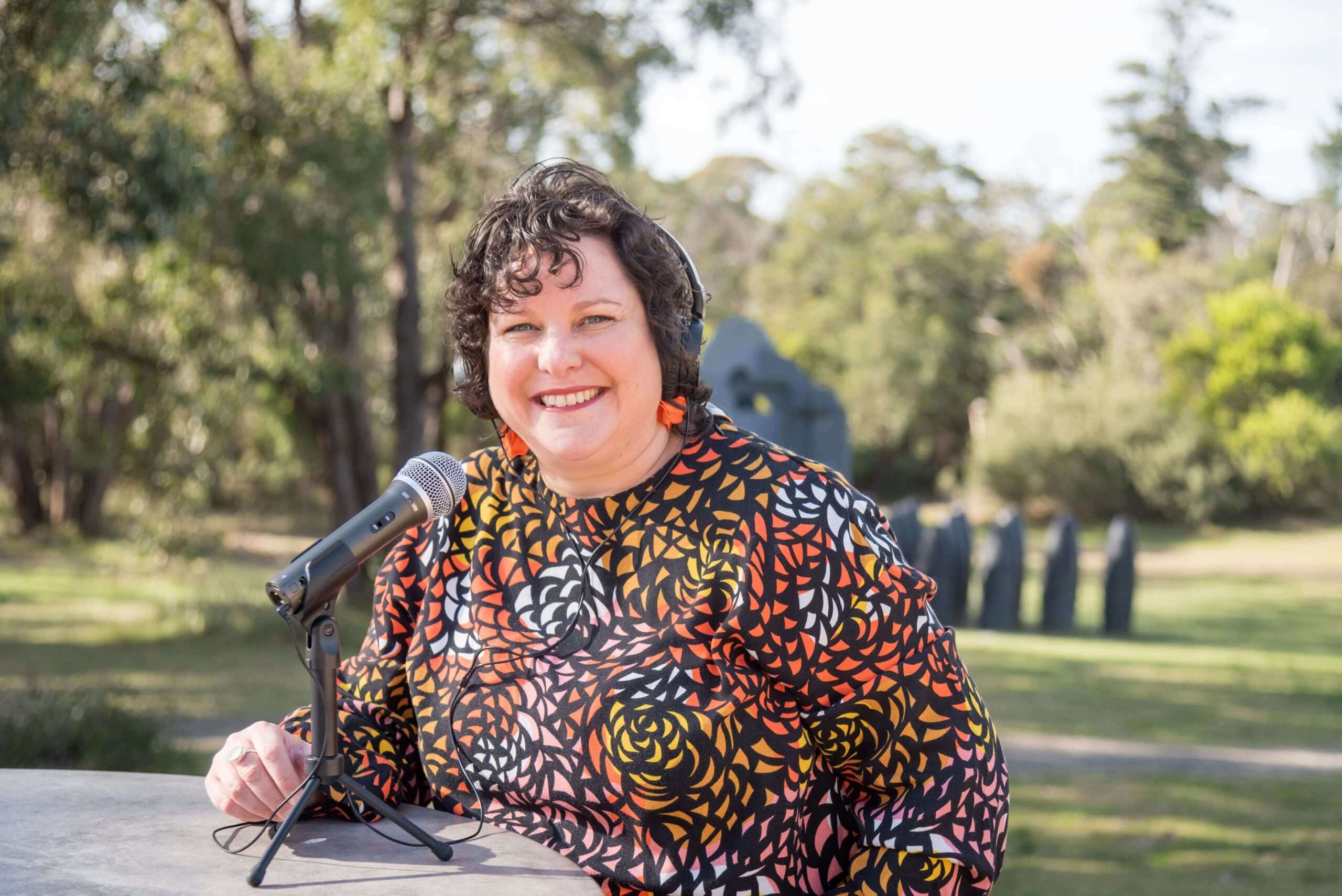
As part of the Morning Lazziness series highlighting empowering women who are making a remarkable impact with their ideas, I had the pleasure of interviewing Catherine Ashton.
Catherine Ashton is the founder of Critical Info, a certified social enterprise dedicated to helping Australians improve death literacy and plan for end-of-life with confidence. After surviving a major car accident in 2019 and losing a close friend in 2023, Catherine launched the Critical Info Platform — a secure, grief-informed planning tool now used by aged care providers and communities nationwide. She also developed the national guide My Loved One Died, What Do I Do Now? and hosts the Don’t Be Caught Dead podcast. A passionate advocate and award-winning social entrepreneur, Catherine is committed to ensuring no one is left unprepared for death.
In this interview, she offers a candid look at the realities of entrepreneurship, sharing both the challenges and the victories that defined her path.
What inspired you to start your business, and what problem were you passionate about solving?
In 2019, I was in a serious car accident, I had spinal surgery, developed chronic pain, and had to leave my job as Producer, Major Events at the Royal Botanic Gardens Victoria.. In 2023 a close friend died unexpectedly and I helped his adult children settle his estate. We needed a clear roadmap and could not find one. I built an Excel list for them and that list became the Critical Info Platform, a secure step by step system that helps people record wishes, point to where key documents are kept, nominate trusted contacts, and keep everything in one place. The guide My loved one has died, what do I do now also grew from that experience so families have practical help in the first hours, days and weeks.
How has your business evolved since its launch, and what key decisions helped drive that growth?
We grew from a podcast, to a guide, then into a secure digital platform with training and community programs. Choosing to operate as a certified social enterprise set our direction, and co designing pilot programs with aged care and community partners helped us build what people actually need. Our current workshops in Western Australia with Melville Cares and Western Suburbs Cares are a good example of that approach.
In your view, what truly sets your brand apart in today’s competitive market?
Honesty, transparency, and a clear purpose. We exist to lift death literacy across Australia so families feel calmer and more prepared. That commitment shapes our product, our partnerships, and the way we speak with the public. The aim is simple and human. Reduce confusion. Reduce distress. Improve outcomes for loved ones.
What has been your most effective marketing strategy to date, and why did it work so well?
Education first. The Don’t Be Caught Dead podcast brings expert voices and lived experience to the table, and our guides meet people at the exact moment they need help. Offering value and clarity before asking for commitment builds real trust and naturally leads people into the Critical Info Platform.
How do you stay connected to your ideal audience and understand their needs or behaviours?
I listen in the community. We co-design with partners, run workshops, and keep an open line through our monthly Q&A sessions, feedback portal, and social channels. That flow of stories and questions shows us where people get stuck and what a gentle checklist or short video can unlock for them.
What is one branding move or campaign that helped elevate your business to the next level?
Announcing the Critical Info Platform with sector partnerships and media coverage helped people see end-of-life planning as everyday life admin rather than a specialist task. Inside Ageing profiled the launch of our online planning tool, and local media highlighted aged care leaders who were first movers. That credibility opened doors with community partners.
What does success look like for you, not just in numbers, but in purpose or impact?
Success is a calmer family in a hard week. It is clear wishes, organised information, and the ability to grieve without drowning in logistics. We also care about measurable change. The Death Literacy Index gives communities a way to track knowledge and capability about death and dying, and it can be used to evaluate public health and education work.
How do you personally define success, beyond revenue and growth metrics?
Raising death literacy, easing the administrative and emotional load on carers, and building stronger community connections across end-of-life planning, deathcare, and bereavement. I also look for real stories of change. For example, one daughter had tried for ten years to organise her parents paperwork. Over one weekend with the Critical Info Platform, she got it done. That shift helps the whole family.
Can you share a challenge or setback that ultimately became a turning point for your brand?
Cash flow and health. I self-funded the early build while managing ongoing pain after my accident. It forced me to automate, to choose digital products that can scale without constant input, and to pursue evidence from pilots so that any investment is tied to clear outcomes people care about. That discipline has made us more resilient.
What daily habits or rituals keep you focused, creative, and grounded as a leader?
I often dictate emails and notes, then use the transcripts to respond or draft documents. It saves time and energy. At home we make dinner together when we can and end the day on the couch with our pets and a good show. I book a monthly floatation tank and I try to get to deep water running to keep my body moving.
How do you approach innovation and risk in your business strategy?
Innovation follows customer feedback. Pilots and workshops show us what to build next, and we use validated measures to understand change over time. For example, we draw on the Death Literacy Index and research on death competency, including Bugen’s Coping with Death Scale, when designing education and evaluation. Evidence reduces risk and keeps us honest.
What advice would you give to someone starting a business in today’s fast-changing digital world?
Build a support team of friends, family, and professionals. Listen to your body and mind. Check in with yourself each day. Use small acts of organising and clear to-do lists to create structure. Be honest about what needs to change in your life so you can do the work well. For me, that meant choosing sobriety. I have been sober for more than three years and it is the best act of self-care I have ever made.
Where can our audience connect with you and learn more about your work or offerings?
Visit the Critical Info website to explore the Critical Info Platform, our guide My Loved one died, what do I do now? and the Don’t Be Caught Dead podcast, and reach out through the contact page for workshops and partnerships. Please feel free to send any questions through to contactus@criticalinfo.com.au
