

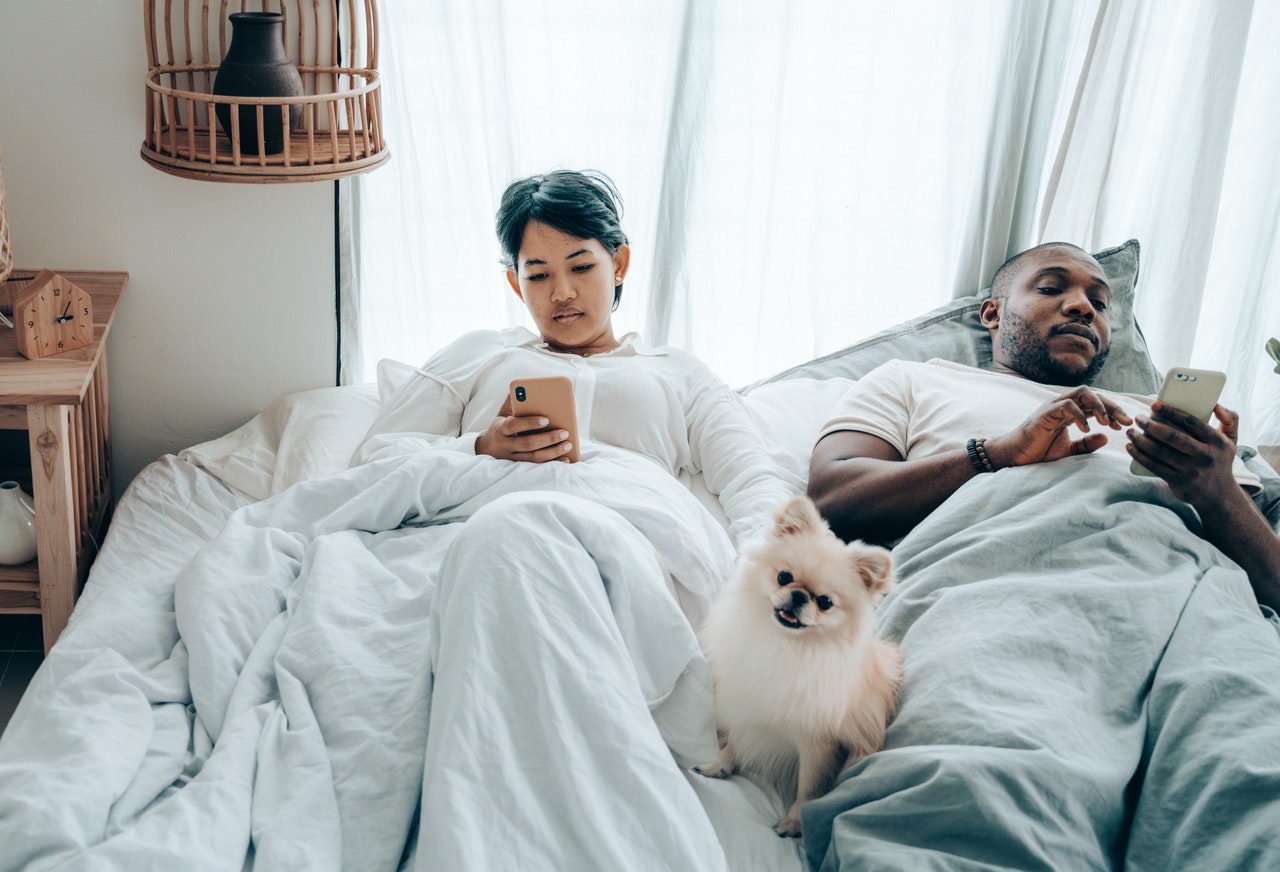
The idea of an independent yet committed marriage is reshaping how Gen Z approaches relationships and long-term partnerships. Unlike traditional marriage models that often emphasized dependence and fixed roles, many younger couples are prioritizing individuality alongside emotional commitment.
Experts in relationship psychology and sociology explain that Gen Z values maintaining personal identity, separate interests, and independent growth while still building strong, supportive partnerships. This modern approach reflects a desire for equality, freedom, and connection within committed relationships.
Partners Maintain Independence and Mutual Commitment
Independent Marriage is all about two fully whole people coming together in a partnership. Both have their own separate interests, identities, and communities. They enjoy spending time together and share their lives, but also live their lives as independent people. These types of couples may rely on each other less than couples in previous generations, as a reaction to how many Gen Zers saw their parents “stuck” in marriages due to constraints, rather than love. It is a marriage of equals, rather than a marriage of complementary pieces of a puzzle.
Tasha Seiter, Licensed Marriage and Family Therapist, Group Practice Owner, Heart of the Matter Therapy
Conclusion
An independent yet committed marriage reflects Gen Z’s evolving view of love, partnership, and personal identity. Rather than losing themselves within a relationship, younger couples are choosing to maintain individuality while building meaningful emotional connections. By balancing autonomy with mutual respect and commitment, this relationship model creates partnerships rooted in equality, choice, and genuine compatibility. As social expectations continue to shift, the independent yet committed marriage is becoming a defining characteristic of modern relationships.
