

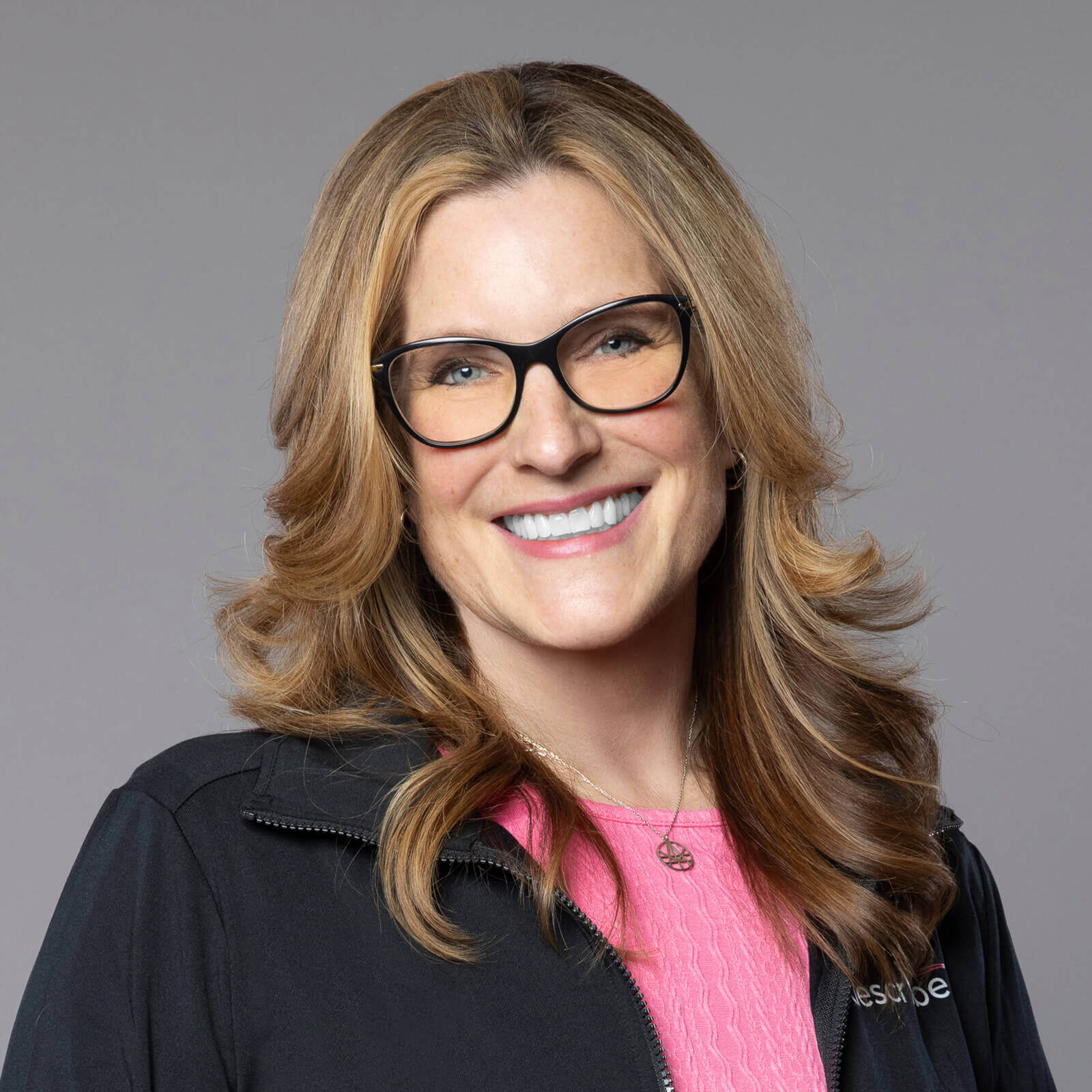
As part of the Morning Lazziness series about empowering women who encourage and do incredible things with their ideas in society, I had the pleasure of interviewing Kara Peterson.
Kara Peterson is the co-founder of Descrybe.ai, a Boston-based justice tech startup she launched in July 2023. The company leverages AI to democratize access to the law and address the access-to-justice crisis in the United States. Kara leads Descrybe.ai’s marketing and business development strategy. She also co-founded and co-hosts the show Building AI Boston, which celebrates AI’s transformative potential and promotes its accessibility.
Kara is a recognized advocate for responsible AI and AI for good, as well as for advancing women in technology. A frequent speaker at conferences and on podcasts, Kara has garnered numerous accolades for Descrybe.ai, including a 2024 Anthem Award for Best Use of AI, a Webby Award nomination, and two American Legal Technology Awards for Startup of the Year and AI Innovation. She was also named a “Woman of Legal Tech 2024” by the American Bar Association. In 2024 she was selected as a member of the International Academy of Digital Arts and Sciences (IADAS) and now serves as a Webby and Anthem Awards judge.
What inspired you to become an entrepreneur in the AI industry, and what led to the creation of your current venture?
I didn’t plan on becoming an AI founder. I got pulled in after a personal legal battle during the pandemic showed me how wildly inaccessible the legal system really is. I remember thinking: If this is nearly impossible for us — with privilege, education, and tech skills, what hope do most people have?
We saw an opportunity to change that, so we built Descrybe.ai, the affordable, AI-powered legal research tool we wish we had back then. It’s now helping thousands of people a day find and understand court opinions, and we’re just getting started.
As a woman in tech and entrepreneurship, what unique challenges have you faced, especially in the AI space, and how did you navigate them?
There’s the usual stuff — being underestimated, interrupted, and passed over. But the deeper challenge is working in an industry that still rewards hype over substance and tends to uplift the same kinds of voices over and over.
I’ve learned to trust my instincts, stay laser-focused on the people we’re building for, and stop wasting energy trying to squeeze into a mold that was never built for me. I also found a community of fellow builders who share my values — that’s been everything.
How do you manage the intense demands of building an AI-driven business while maintaining personal well-being and balance?
If I’m being honest, I don’t always manage it well. It’s a constant juggling act that requires relentless recalibration. I’ve learned to accept that balance isn’t a fixed state — it’s more like a moving target.
What helps is knowing my personal red flags for burnout and actually paying attention to them. And when the people closest to me say I seem exhausted… they’re usually right. I try to listen, even when my instinct is just to push through.
As simple as it sounds, routine helps. I have two dogs, and the rhythm of their daily walks is a lifesaver — it forces breaks, anchors the day, and creates space to reconnect with my family, even when I feel glued to a screen.
What networking strategies or communities have helped you most in building meaningful connections in the AI and tech ecosystem?
Honestly, the best connections haven’t come from big conferences or perfectly polished LinkedIn posts; they’ve come from real conversations. Coffees. Slack threads. Late-night brainstorms with people who care more about impact than hype.
I’ve been lucky to find communities in legal tech, women in AI, and the Boston AI ecosystem full of smart, mission-driven people who are building with intention. These aren’t transactional spaces — they’re collaborative, generous, and willing to share what’s working (and what’s not).
If there’s a strategy, it’s this: show up with curiosity, give before you ask, and don’t be afraid to DM someone who inspires you. The people who are really doing the work tend to respond.
How do you approach mentorship—both receiving it and offering it—and how has that influenced your growth as a founder in this space?
One of the best things about working in AI is that we’re all learning it in real time, and all stages of life and career are welcome. I’ve been incredibly lucky to have mentors who didn’t just offer advice, but made introductions, opened doors, and told me the hard truths when I needed to hear them.
I try to pay that forward by being generous with my time, especially with women entering the field. Mentorship doesn’t have to be formal — sometimes the most impactful support is just an honest conversation when it matters most.
What strategies have proven most effective in acquiring customers or clients for your AI product or service?
We’ve leaned heavily into the legal tech influencer ecosystem because trust matters in this space. Lawyers aren’t going to take a chance on a new tool unless it’s vetted by people they respect. So we let the product speak for itself and made sure it was solving a real, painful problem: legal research that’s too expensive or too hard to use.
It also took time for people to realize we weren’t just talking about making the best tools at a price people can actually afford—we meant it. But they believe us now.
That said, we’ve also built trust by showing up in unexpected places, such as conferences, bar associations, even on the radio. Sometimes, just being real and accessible goes further than any sales pitch.
Which marketing techniques (digital, content, events, etc.) have worked best for your brand, and how do you measure their impact?
Content has been huge for us, especially clear, jargon-free storytelling about what our tool actually does and who it’s built for. When you ditch the jargon and just explain the value, people respond.
Podcasts and LinkedIn have been great for reach, and legal tech influencer marketing has helped us build trust in the right circles. Showing up where our users are—whether that’s bar associations, conferences, or unexpected places like radio—has also made a difference.
We track what matters: search volume, page views, repeat visits, and adoption. Awards and press have definitely helped validate what we’re doing (shoutout to the Webbys and Anthems!), but the biggest win is still people using the tool and coming back for more.
Can you share a major setback or roadblock in your AI startup journey, and how you strategically overcame it?
We bootstrapped Descrybe from day one—not because we had to, but because we wanted to. It gave us the freedom to build on our own terms, stay close to our mission, and focus entirely on the people we’re trying to serve.
Far from being a constraint, bootstrapping became a framework for innovation. With no outside pressure to chase hype or inflate features, we zeroed in on what really matters: making legal research faster, smarter, and more accessible. That clarity helped us move quickly, stay scrappy, and earn genuine trust.
It also meant we could price things in a way that actually feels fair. We’re not here to squeeze every dollar but to change the game. And that’s been our biggest competitive edge.
What’s one piece of advice you’d offer to women who are just beginning their entrepreneurial journey in AI or emerging tech?
Expect imposter syndrome to show up—then give yourself permission to tell it to shut the hell up.
Seriously. It’s not a sign you’re not ready. It’s a sign you’re doing something bold and unfamiliar. Don’t wait to feel confident to start building. Confidence comes from action, not the other way around.
And when in doubt, remember: the people who belong here are the ones building it. That includes you.
Is there a quote, mantra, or philosophy that consistently guides your decisions as an AI entrepreneur?
I truly believe AI is our opportunity to do well by doing good. We can build successful companies that actually solve meaningful problems. For me, it’s never been about chasing hype — it’s about using powerful technology to make things better, more fair, and more accessible. If we get that right, the success will follow.
What Are The 5 Things You Need To Overcome Self-Doubt and Build Confidence?
- Say the quiet wins out loud. Even if it feels awkward. Even if you’re not “supposed to.” Confidence builds when you stop minimizing what you’ve earned.
- Move before you’re ready. Waiting for the perfect moment is just fear in disguise. Action creates momentum, and momentum quiets the doubt.
- Find your people—and believe them. Surround yourself with the ones who reflect your strength back to you, especially when you can’t see it yourself.
- Rewrite the failure script. Most mistakes are just plot twists. Learn the lesson, sharpen your edge, and keep going.
- Build something that actually matters. Self-doubt has less power when you’re working on something bigger than your ego. Mission is the best antidote to fear.
If you could inspire a movement that would bring the most amount of good for the greatest number of people, what would that be?
I believe AI gives us a once-in-a-generation opportunity to completely reimagine how our society works — who benefits from technology, and who gets left behind. The shift AI brings is massive, but it doesn’t have to deepen inequality. It can be a catalyst to spread opportunity more broadly and build systems that serve everyone, not just a privileged few.
But that kind of change won’t happen by accident. It requires a deliberate, collective choice, and, honestly, it won’t be easy. Still, I think we have the chance to get it right. And if enough of us push for it, we just might.
How can our readers further follow your work online?
You can find me on LinkedIn at https://www.linkedin.com/in/kj-peterson, or check out Descrybe.ai, our free AI-powered legal research platform, at www.descrybe.ai.
