

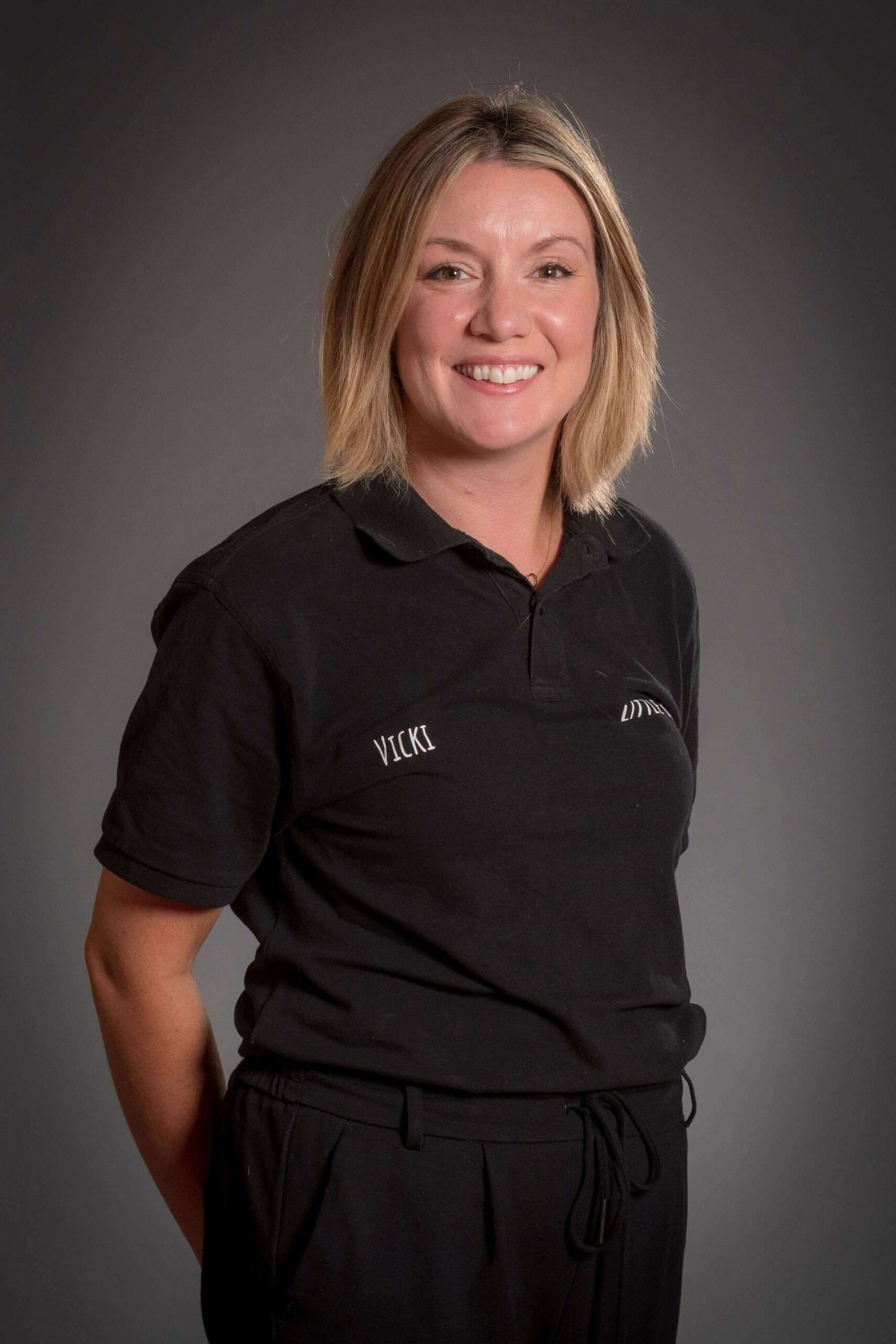
As part of the Morning Lazziness series highlighting empowering women who are making a remarkable impact with their ideas, I had the pleasure of interviewing Vicki Fletcher.
Vicki Fletcher is the founder of Little City UK, an award-winning mobile play business, which provides imaginative play opportunities for children under the age of six.
Vicki founded the company from her kitchen in 2017 with a single role-play city set up. The ethos of the company was to create imaginative experiences where children can explore the world around them through immersive, child-led role-play experiences. By 2020, Little City UK had scaled to multiple regions, with a franchise model enabling the concept to be taken nationwide.
There are currently 36 franchises across the UK, empowering regional operators to replicate the immersive play concept across the country.
In 2025, Vicki launched The Big Play UK, a unique concept which brings together a range of child-friendly activities to create an indoor festival, aggregating local children’s entertainers, interactive workshops (baby signing, first aid, phonics), and themed play zones.
The inaugural Ipswich event sold out both morning and afternoon sessions. More than 600 visitors attended the event. The second Big Play UK event will take place in Bedford in October 2025.
Under Vicki’s leadership, Little City has partnered with a series of high-profile brands, bringing the concept of imaginative child-led role play to corporate events, family fun days and strategic partnerships. Little City UK has partnered with many high-profile brands (including Stokke, Estee Lauder, Sky, Cry Babies, P&O Cruises, Casdon, Usborne Books & Mrs Hinch) to establish child-friendly role-play sessions specifically for corporate family events.
In this interview, she offers a candid look at the realities of entrepreneurship, sharing both the challenges and the victories that defined her path.
What’s the origin story behind your business, and how does it reflect who you are beyond the entrepreneur title?
The origins of Little City came about in 2017 after I’d returned to work, and it felt like my childminder was spending more time with my children than I was.
The children were getting into ‘role play’, which is where the idea first sparked from. The mobile element of Little City was born out of necessity, as the overhead costs of a permanent site were astronomical. However, that flexibility has now become our biggest strength, as Little City can be set up anywhere.
My initial plan had been to do it before the girls started school, so I had more flexibility as they were younger, but it’s now eight years on and we’re bigger than ever.
What motivates me is that my franchise team are all people of similar backgrounds. We’re all working parents looking for something flexible, where we can take our children with us to work if required. This shared experience is what keeps us motivated and working together.
Your work blends purpose with business — what’s the “why” that still gets you out of bed on tough days?
The initial why was focused on being able to spend more time with my girls when I choose to and having that flexibility to be with them during the school holidays.
This has developed significantly now that Little City UK has become a nationwide franchise. My driving force now is making sure that I’m doing everything possible to fully support my franchise team. I only make money if they make money, so it’s my job and responsibility to ensure that they have the tools, resources and confidence to do what they need to do around their families.
I’ve always prioritised giving each franchise owner enough autonomy and creativity so they feel like they fully OWN their own business but benefit from the support of the team they’ve built around it, as well as my expertise.
Many brands offer similar services, but few capture hearts — what’s your secret to building deep emotional resonance with your audience?
Everything is about being honest and remaining true to what we’re good at and what we know.
We understand that customer service is our utmost priority. We need to make sure that we’re always going above and beyond what our customers are asking for, whether it’s hiring Little City for party hire, organising toddler groups or any other bookings that we might have.
Every question comes back to one key priority – what can we do to make that event extra special?
That honesty about who we are is why our customers trust us. We’re working parents too, and we’re not here to teach our customers or their children. Instead, we provide safe and reputable imaginative free play spaces which allow children to explore in their own way. Every child is welcome to join Little City regardless of their ability, culture or background, and that’s really important to myself and the entire team.
What’s been your most effective marketing strategy, and can you walk us through the creative thinking or risk-taking behind it?
We never lose sight of the fact that we are our own customers. That’s why we’re always questioning, “Would we like this?” or “Does that resonate with me as a parent?”
For us, our most effective marketing tactic has been to prioritise the little personal touches that might seem insignificant to some people but are incredibly important to each visitor. We make sure that we remember the names of children who come back to us time and time again. We consider the needs of grandparents and childminders who bring children along to Little City events. If we know that they’ve had a great experience, we can rely on them to promote us via word of mouth and recommendations.
Of course, there are other marketing activities we get involved in.
We love a silly video or two, and we use our social media platforms to explain who we are and what we do. The people on the other side of the screen don’t just want to know about the play opportunities available for their children. They want to get to know us, they want to like us, and most importantly, they want to trust us.
How do you listen to your community — not just in surveys or analytics — but in ways that help you anticipate their unspoken needs?
It’s all about the ongoing communication that we have with our visitors. As we said, we are our own customer base, and we love to talk directly to the parents and caregivers who attend our sessions.
In every conversation, we’re finding out about their families, their likes and dislikes, their preferences and their children’s needs. We talk to them about what stage their children are at developmentally, and we recognise that parents love to have a chat while having a coffee.
We’re proud that Little City UK has become a safe space where people feel welcome and wanted.
It’s over those ongoing conversations that we can continue to get new insights and ideas, and we love to make new connections and work with other small businesses.
Which campaign, collaboration, or strategic shift felt like a true turning point in your brand’s public image?
The most significant moment in the last 18 months to two years was our involvement in school visits. We’ve always known that imaginative play is an essential part of any school readiness preparation, but previously, we had very little interaction with schools themselves.
However, this all changed, and we’re now thrilled that school visits are at least 50% of our business model. This all started with one local primary school that invited us to visit, coincidentally, it timed with a visit from a professional videographer that they had hired to make a welcome video.
Many of our team members have education and childcare backgrounds, and we use this internal knowledge to speak directly with local teachers and senior leadership teams about their needs. We’ve been able to demonstrate how we can use our mobile cities easily and cost-effectively, making them a great option for early years class visits.
In your own words, how do you measure success beyond profit, in terms of legacy, influence, or cultural impact?
Success for us is about the happy reviews that we get from visitors. It’s not just the reviews we receive parents who tell us that they’ve been anxious to leave the house or attend a toddler group. It’s also the messages we receive from SEND schools about children who wouldn’t usually ‘join in’ but are happily playing with their peers.
We love being able to visit socially and economically deprived schools that’ve tapped into their limited budgets to invite us in. Seeing firsthand how children are desperate to have the chance to play and learn is something that always excites us.
We’ve worked in refugee hotels and seen how children’s faces light up when they get to play with their favourite princess at one of our special events. This is where I know that we’re successful, because we’re helping children build memories and have a positive impact on both the child and the family.
The other side of success is seeing the growth of the franchise business. It’s seeing the confidence grow in each franchise owner, and seeing them (who, like me, had never run a business before) become incredibly creative and passionate about what they do.
What’s a daily or weekly ritual that keeps you grounded and in touch with your brand’s mission, even when business gets chaotic?
What keeps us grounded is knowing that we’ve always got to turn up, even when bookings are quiet and we’re only expecting a few visitors. There will naturally be days when we’re at full capacity, and there will be other days when we’re not making any profit, but we never lose sight of the fact that whoever is there deserves to get the best experience possible.
How do you approach innovation in a way that makes your brand both trend-aware and timeless?
This is where collaboration and communication are essential between the whole team. My children are growing older, and trends are changing compared to when they were preschoolers. That’s why I always talk to everyone on the team. I like to listen to what they say and ask their opinions on things before we launch anything new.
My franchises are across the UK, so I have to trust that they know what their customers want. Some things might work brilliantly in one region, but might not be quite as successful elsewhere, which is why I rely on them to tell me their thoughts and opinions. After all, they are the ones who are directly customer-facing and talking to parents and caregivers day in and day out.
I like to encourage everyone to give me their own suggestions on what they think will work. There’s nothing better than one of the franchise owners coming to me with an idea. We’ll always chat it through, and if we think it will work, we’ll go for it. That collaboration is essential to keeping up to date with what children want and need.
If you could pass down only one piece of wisdom to the next generation of entrepreneurs, what would it be and why?
Building a business takes time and hard work, but as tiring as it is, there’s always time to be honest, respectful and kind to others. It goes without saying that you should never pass off someone’s idea as your own.
But most importantly, it’s about continually listening and learning.
Even if you haven’t yet taken the plunge to start your own business, or you might still be working in a job you don’t like, it’s important to watch what’s going on around you. Working in different environments teaches you so much about running a business. It’s paying attention to what you think makes a good manager, or what software tools you like/don’t like, or what processes are easy to follow – all of that knowledge will become useful later down the line once you’ve started your business.
Winning recognition in your industry is no small feat — what behind-the-scenes decision or move do you believe made that possible?
Imposter syndrome is the biggest hindrance to award recognition. It’s easy to put it off, thinking that awards are for someone else, but it’s important to switch that thought process around. It’s having the confidence to just go for it. The worst-case scenario is that you don’t get nominated, or you don’t win – but the best-case scenario is that you do succeed. That feeling of recognition is really nice, and it’s something that can keep you motivated even during hard times.
How have public recognition, awards, or media features shifted opportunities for your brand in unexpected ways?
We’ve had a lot more visibility in the industry, but those awards and media features have helped us to pick up different bookings and opened up new avenues of income. For example, we’re now heavily involved in corporate away days for some of the UK’s most recognisable brands. I think our awards recognition has played a big part in raising awareness and visibility of what we can do for those potential clients.
Where’s the best place for our audience to follow your journey and explore your work?
We’d love to hear from people. We regularly use Instagram and Facebook, and we’re also experimenting with TikTok. It’s a great way to connect and communicate with customers.
