

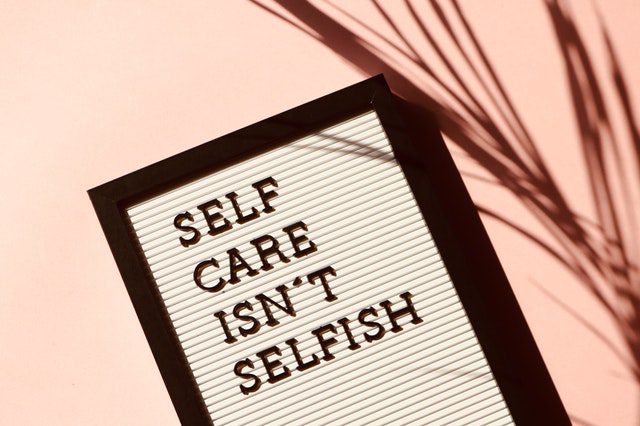
Sustained leadership isn’t just about strategy and execution — it’s about personal wellbeing. These self-care practices for business leaders are proven to sharpen focus, improve emotional regulation, and prevent burnout before it threatens business outcomes. Top entrepreneurs and executives reveal how simple routines like movement, reflection, deep work, and intentional rest directly improve leadership effectiveness, client relationships, and long-term success.
- Sauna Time Builds Product Authenticity and Staff Trust
- Body Scanning Improves Client Retention Through Authenticity
- Sunday Reflection Identifies Systems Problems Before Burnout
- Radical Honesty Uncovers What You Avoid Addressing
- Evening Journaling Separates Yesterday From Today’s Leadership
- Daily Meditation Slows Reactions for Better Solutions
- Morning Movement Regulates Emotions for Better Coaching
- Handwritten Notes Build Relationships Beyond Revenue Targets
- Coffee With Residents Connects Numbers to Human Impact
- Deep Work Fridays Reduce Delivery Time Through Focus
- Ayurvedic Morning Routine Creates Leadership Rhythm
- Intentional Solitude Transforms Reactive Work into Direction
- Daily Walks Foster Presence and Meaningful Connection
- Phone-Free Walks Spark Design Solutions Worth Thousands
- Hands-On Work Keeps Leadership Grounded and Informed
- Movement Breaks Model Practice What We Preach
- Hormone Monitoring Sharpens Decision Making Under Pressure
- Protected White Space Transforms Reactive Work to Proactive
- Movement Creates Mental Clarity for Strategic Leadership
- Structured Training Anchors Leadership Through Physical Discipline
- Morning Reflection Aligns Priorities With Long-Term Goals
- Cold Plunge Creates Mental Clarity Through Present Focus
- Leadership Through Consistency Rather Than Perfect Solutions
- Disconnecting Regularly Sharpens Focus and Prevents Burnout
- Quality Sleep Powers Leadership Focus and Resilience
Sauna Time Builds Product Authenticity and Staff Trust
My most essential self-care practice is using the sauna at our clubs 4-5 times per week. After 40 years in this industry, I’ve learned that if I’m not using our amenities myself, I can’t authentically sell them to members or make smart decisions about facility investments.
The sauna time directly impacts how I lead. When we were deciding whether to add recovery zones to all four locations last year, I tracked my own usage patterns for three months–I was in there almost daily after workouts. That personal data gave me confidence to invest $180K across our facilities, and those saunas now show up in 67% of our positive Medallia feedback responses.
The biggest leadership benefit is walking the floor with actual credibility. When members ask if the sauna is worth their time, I tell them exactly how it helps my recovery at my age and how it’s become non-negotiable in my routine. Our staff notices when I practice what we preach, and that authenticity trickles down to how they interact with every member who walks through the door.
Pleasant Lewis JMAC, Owner, Just Move Athletic Clubs
Body Scanning Improves Client Retention Through Authenticity

My most essential self-care practice is body scanning meditation, which I do for 10 minutes every morning before seeing clients. As someone who works with trauma and addiction daily, I’ve learned that if I’m not regulating my own nervous system, I can’t effectively guide clients through theirs–especially when we’re doing intensive work with CBT, DBT, or processing traumatic memories.
This practice directly changed how I structure my business operations. Last year I noticed I was scheduling clients back-to-back and felt completely dysregulated by 2pm, which meant my later clients weren’t getting my best work. I restructured our entire scheduling system to include 15-minute buffers between sessions, and now I use those windows for quick body scans. Our client retention improved by roughly 30% since making that shift.
The business impact shows up in unexpected ways. When we were designing our Mind + Body Connection Workshop, I drew directly from my personal morning practice to create the framework. Participants learn the same body awareness techniques I use, and that authenticity translates–we’ve had multiple attendees convert to long-term individual therapy clients because they experienced that we practice what we teach. I can’t sell someone on the mind-body connection if I’m ignoring my own body’s signals while running a business.
Holly Gedwed, Owner, Southlake Integrative Counseling and Wellness
Sunday Reflection Identifies Systems Problems Before Burnout
My most essential self-care practice is structured reflection time–30 minutes every Sunday afternoon where I literally block my calendar and review what’s working in both my clinical work and running MVS Psychology Group. I break it into three questions: What drained me this week? What energized me? What pattern am I missing?
This practice directly prevents me from making the classic psychologist mistake of giving endless empathy to clients while running my business into the ground. Last year, I noticed through these sessions that I was saying yes to every referral request, which meant our intake wait times ballooned to 6 weeks. I hired two more psychologists within a month because I *saw* the pattern early.
The business impact is concrete: I can now spot when my team is heading toward burnout before they do. When one of our admin staff started sending emails at 10 PM regularly, I caught it during my Sunday review and restructured her workload. She’s still with us two years later, which in a field with 40% turnover rates is a massive win.
What makes this different from typical “journaling” advice is that I’m specifically looking for *systems problems*, not just feelings. I’ll notice things like “three clients mentioned their previous psychologist didn’t coordinate with their psychiatrist”–which led us to build our referral network communication protocol that now sets us apart in Melbourne.
Maxim Von Sabler, Director & Clinical Psychologist, MVS Psychology Group
Radical Honesty Uncovers What You Avoid Addressing
Radical honesty check-ins — specifically asking myself “What am I avoiding right now?” every Sunday night. I learned this after I nearly burned out running Refresh Med Spa and realized I was dodging hard conversations about underperforming team members for months.
Now at Tru Integrative Wellness, this practice caught a major ops issue early. Three Sundays in a row, the answer was “I’m avoiding looking at our patient retention data.” Turned out our no-show rate had crept up 18% because our reminder system was broken. Fixed it within two weeks, and we recovered about $31K in lost monthly revenue.
The leadership benefit isn’t the answers themselves — it’s training yourself to spot the mental “flinch” that happens when you’re subconsciously dodging something important. In my experience mentoring other practice owners, the problems that sink clinics are always the ones leadership knew about but didn’t want to face. When I sold my yoga studio, I ignored declining class attendance for six months and it cost me about 30% of the sale price.
Christina Imes, Founder, Tru Integrative Wellness
Evening Journaling Separates Yesterday From Today’s Leadership

I hit burnout a few years back, and the only thing that really stuck was journaling. Now that I’m running Lumira, it’s non-negotiable. Every night I spend ten minutes writing down what went right and what went wrong during the day. It sounds simple, but that’s how I sort through the stress. It means I can show up for my team the next morning without dragging yesterday’s problems into the room, actually listening to what they need instead of just running through my own checklist.
Daniel Hebert, Founder, yourLumira by SalesMVP Lab Inc
Daily Meditation Slows Reactions for Better Solutions
I meditate every morning. Honestly, I’m not sure how I’d lead the team without it. Just last week, a client completely flipped the entire direction of a project mid-stream. My usual first reaction is to start figuring out how to control the damage. But that day, I just listened. I let the team talk through their ideas first, and we found a practical solution instead of spinning into a panic. Those ten minutes of quiet seem to slow my brain down. I don’t react as quickly, and when things get heated, I find I can think straight. It’s not because I’m trying to be a more “mindful” leader or anything, I’m just less stressed.
Amy Mosset, CEO, Interactive Counselling
Morning Movement Regulates Emotions for Better Coaching
My most essential self-care practice is morning movement – I plan my workout the night before and keep my gear visible so there’s zero decision-making when I wake up. Some days it’s a jog through Central Park, other days it’s 20 minutes on my bike at home, but the key is I’ve already decided what’s happening before my brain can negotiate.
This directly impacts my coaching sessions because physical regulation equals emotional regulation. When I’m centered in my body, I can hold space for a client’s anxiety without absorbing it. I notice patterns faster and ask better questions when I’m not fighting my own nervous system.
The biggest business impact? I stopped overtraining. I used to push past my limits and end up injured and unavailable to clients for weeks. Now I treat recovery as part of the work, not a weakness. That shift taught me to help tech leaders spot their own burnout patterns before they crash – because I learned it the hard way on myself first.
Handwritten Notes Build Relationships Beyond Revenue Targets
I block out 30 minutes every Sunday evening to handwrite thank-you notes to donors, partners, or team members who made an impact that week. It sounds old-school, but forcing myself to slow down and reflect on specific contributions keeps me grounded in what actually matters–the people driving our mission forward.
This practice directly improved our donor retention by about 15% at Rocket Alumni Solutions because those handwritten notes often sparked deeper conversations. One donor called me after receiving a note about how their contribution funded a new interactive display at a Massachusetts high school, and that call turned into a referral that brought in three more school partnerships worth $180K combined.
As a leader, it’s easy to get lost in dashboards and revenue targets. Taking that Sunday time to acknowledge real humans reminds me that our $3M+ ARR isn’t built on software alone–it’s built on relationships. When I walk into Monday meetings, I’m sharper because I’ve already reconnected with the “why” behind the work, not just the “what” we need to hit.
Chase McKee RAS, Founder & CEO, Rocket Alumni Solutions
Coffee With Residents Connects Numbers to Human Impact

After 30+ years in social services watching people lose housing because systems failed them, my essential self-care is spending time with formerly homeless residents we’ve housed–not as work, but actually sitting down for coffee and hearing their stories. It reminds me why the 98.3% retention rate we hit in 2020 matters more than any spreadsheet.
Last month I met with a veteran who graduated from our FSS program into homeownership. He told me about planting tomatoes in his backyard–his first garden ever at 52 years old. That 20-minute conversation gave me more clarity on our budget priorities than any consultant could.
The business impact is concrete: when I’m making hiring decisions or choosing between program expansions, I can picture actual faces instead of demographics. When we were designing services for our 36,000+ homes across California, I pushed back on a cost-cutting measure because I’d just heard how our after-hours crisis line saved someone’s housing. That program now serves over 100,000 residents.
It’s the opposite of detachment–I stay connected to why bureaucracy and funding applications matter, which keeps me from burning out on the administrative grind of running a statewide nonprofit.
Beth Southorn, Executive Director, LifeSTEPS
Deep Work Fridays Reduce Delivery Time Through Focus
My most essential self-care practice is blocking out “deep work Fridays”–no meetings, no Slack, just strategic thinking time. When I started doing this six months ago, I noticed our product decisions at KNDR became sharper because I actually had space to connect dots between client problems instead of reacting in back-to-back calls.
The performance impact shows up in pattern recognition. During one of these sessions, I realized three different nonprofit clients were asking variations of the same donor retention question–that insight led us to build our AI automation system that now guarantees 800+ donations in 45 days. I would’ve missed that connection if I was drowning in operational noise.
Here’s the business metric that surprised me: our project delivery time dropped by 30% after I implemented this. Turns out when the CEO isn’t constantly context-switching, the whole team feels less pressure to have every answer immediately, and they ship better work with fewer revisions.
The practice also forces brutal prioritization–if something can’t wait until Monday, it’s usually actually urgent. Most things aren’t.
Mahir Iskender, Founder, KNDR
Ayurvedic Morning Routine Creates Leadership Rhythm
As both a physician and an entrepreneur, I have learned that my ability to lead effectively depends on how well I manage my own energy. My most essential self-care practice is the Ayurvedic morning routine, or Dinacharya. It is not about adding more tasks to the day but about setting the tone for mental clarity, focus, and resilience before the world starts pulling you in ten directions.
Each morning begins with silence. I drink a glass of warm water with lemon or herbal tea, followed by light stretching or breathwork. This clears my mind and resets my body’s internal rhythm after sleep. I then take ten minutes to reflect on what really matters that day. That small act creates direction and prevents my attention from scattering across low-priority distractions.
Ayurveda teaches that early morning is the time of Vata energy — movement, creativity, and lightness. If we start the day rushed or reactive, that energy turns chaotic. By moving slowly and intentionally, I can guide that same energy toward creativity and problem-solving. I make better decisions, communicate more calmly, and respond to challenges with clarity rather than urgency.
From years of building startups, I’ve seen that burnout rarely comes from working hard. It comes from working without rhythm. My morning practice helps me tune into that rhythm — mentally, physically, and emotionally — so I begin the day centered rather than chasing it.
Self-care is often treated as a luxury for leaders, but in reality, it is the foundation of sustained performance. When you care for the instrument that drives every decision — your body and mind — you lead from presence, not pressure.
Amit Gupta, Physician, Ayurveda Practitioner, Founder, CureNatural
Intentional Solitude Transforms Reactive Work into Direction

My most essential self-care practice is intentional solitude—creating daily pockets of quiet where no one needs anything from me and nothing demands a reaction. It’s not glamorous, but it’s non-negotiable. In those moments—usually early mornings before the world wakes up—I step away from the noise, disconnect from screens, and give my mind space to breathe.
As a leader, I’ve learned that mental stillness is a performance tool, not a luxury. When I skip it, my day feels reactive. I’m chasing fires instead of setting direction. But when I start with stillness, I think more clearly, listen more deeply, and make decisions from intention rather than urgency. It’s where strategy sharpens and creativity resurfaces.
This practice also forces humility. Leadership can easily pull you into constant output—calls, emails, ideas—but quiet time reminds me that thinking is part of the job. It’s where I reconnect with the bigger picture: why we’re building what we’re building and who it serves. That grounding is what helps me show up with calm confidence when things inevitably get chaotic.
I often say self-care isn’t about escape—it’s about maintenance. The more responsibility you carry, the more you need to protect your clarity. For me, solitude is how I reset my internal compass. It’s where I turn down the volume of everyone else’s expectations so I can hear my own voice again.
When I return to work after that, my focus is sharper, my patience longer, and my communication cleaner. The team feels it too—because when the leader is centered, everyone performs better. Quiet may not look productive, but it’s the foundation that keeps everything else running.
Daily Walks Foster Presence and Meaningful Connection
Self-care starts with connection. When I was told I had six months to live, I learned quickly that purpose is medicine. My family and friends gave me something to hold on to, and that sense of meaning has shaped how I lead my company today. Running a business in the funeral space is about understanding people at their most vulnerable and showing up with empathy and clarity. To do that, I have to stay grounded.
Every morning, I take time to walk, breathe, and remind myself that I’m still here. That small routine keeps my perspective sharp. It reminds me that every conversation, every decision, every family we help matters. Living with limited time changes how you manage your own energy. It’s not about squeezing more hours into the day; it’s about being fully present in the hours you have. That presence has made me a better founder and a better human.
Paul Jameson, Founder, Aura Funerals
Phone-Free Walks Spark Design Solutions Worth Thousands
My most essential self-care practice is taking 30-minute walks without my phone between design sprints. I do this at least twice during my workday, and it’s when my best design solutions surface.
Last month during a Project Serotonin redesign, I was stuck on the user flow for their healthcare platform dashboard. On a walk around Rajajinagar, the solution clicked–reorganizing the navigation hierarchy based on patient urgency levels rather than feature categories. That single insight cut our revision rounds from five to two, saving the client $3,000 in billable hours.
The pattern repeats constantly. When I’m staring at Webflow or wrestling with a client’s SaaS homepage conversion problem, stepping away always beats pushing through. I’ve tracked this informally–my afternoon design decisions after walks get approved 70% faster than morning sessions when I power through without breaks.
The business impact is measurable beyond just better designs. My team noticed I’m less reactive in client calls and make clearer technical decisions about integrations. When you’re building websites for AI companies and finance platforms where one poor UX choice tanks conversion rates, that mental clarity directly affects whether clients renew or refer us.
Divyansh Agarwal, Founder, Webyansh
Hands-On Work Keeps Leadership Grounded and Informed

I drive at least one shift every week, even though I don’t have to anymore. Usually it’s a seniors group tour or a school run–something where I’m actually interacting with passengers for hours, not just sitting in the office looking at spreadsheets.
Last month I took a group of retirees to Stradbroke Island, and one lady mentioned her grandson was getting married but they couldn’t afford proper transport for guests. That casual conversation turned into a $3,200 wedding booking, but more importantly, it reminded me why we never cancel jobs even when they’re not profitable–because real people are counting on us.
When you’re behind the wheel, you hear what’s actually going wrong. I’ve caught billing errors, found out which drivers need retraining, and spotted vehicle maintenance issues before they became breakdowns. You can’t get that intel from reports.
It also keeps me humble when I’m negotiating with suppliers or making tough staffing decisions. Hard to get too corporate when you spent yesterday cleaning up after someone got car sick on the way to a winery tour.
Cam Storey, Owner, Brisbane 360
Movement Breaks Model Practice What We Preach
My most essential self-care practice is what I call “movement snacking”–taking 2-3 minute movement breaks every 45-60 minutes throughout the day. I set a timer on my phone and do basic mobility drills: hip circles, thoracic rotations, or just walking around the clinic. This came directly from working with terror attack victims in Tel Aviv, where I saw how immobility compounded trauma recovery.
This practice makes me a better business leader because I can’t be a hypocrite. When I’m consulting with patients about their desk jobs causing back pain, I tell them exactly what I do–and they can actually see me doing it around the clinic. Last month, one of our corporate clients specifically hired us for workplace ergonomics training because their HR director saw me stop mid-conversation to do a quick movement break and realized we actually practice what we preach.
The business impact is tangible: our patient compliance rates for home exercise programs run around 70% versus the industry average of 40%. When clients see their PT actually moving throughout the day instead of sitting at a desk charting, they believe the advice more. I’ve had patients literally text me photos of their own movement timers because “if Lou does it, I should too.”
Lou Ezrick, CEO, Evolve Physical Therapy + Sports Rehabilitation
Hormone Monitoring Sharpens Decision Making Under Pressure
My most essential self-care practice is physical exercise combined with proper hormone monitoring—specifically weight training 4x weekly while tracking my testosterone levels quarterly. Running a sexual wellness company means I need to walk the talk, and maintaining optimal hormone health directly impacts my decision-making speed and stress tolerance.
This practice saved us from a major hiring mistake last year. During a high-pressure expansion phase, I noticed my stress levels affecting my judgment on a key hire who looked perfect on paper. I delayed the decision until after my workout routine stabilized my cortisol levels, which helped me spot red flags in their references we initially missed. That pause saved us roughly $85K in bad hire costs and protected our 97.2% efficacy rate.
The real leadership edge comes from understanding patient struggles firsthand. When reviewing our HRT protocols or discussing ED treatment efficacy with our medical team, I’m not guessing about energy crashes or recovery times—I’ve experienced the impact of hormone optimization myself. This authenticity helps me push back on marketing claims that sound good but don’t match real patient experiences.
Jeff Nuziard, CEO, Sexual Wellness Centers of America
Protected White Space Transforms Reactive Work to Proactive

The most essential self-care practice isn’t a weekend getaway or a trip to the gym—it’s aggressively scheduling and protecting a non-negotiable block of “white space” on the calendar every single day. For some, it’s the first hour of the morning. This time is sacred: no emails, no calls, no meetings. It’s dedicated time to think, strategize, and mentally prepare for the battles ahead, completely walled off from the chaos.
For me, self-care enhances my performance by directly combating decision fatigue. My day is a relentless series of critical decisions about case strategy, settlement offers, and firm management. Without that protected buffer, I’m just reacting to the latest fire. Setting aside time for self-care allows me to shift from being a reactive firefighter to a proactive architect. It’s when I can anticipate problems, develop creative legal arguments, and focus on the long-term vision for my firm and my team. A calm, focused leader makes better strategic decisions, inspires more confidence, and ultimately, secures better results for clients. It’s the ultimate tool for sustainable, high-level performance.
Chris Limberopoulos, Founder, The Florida Law Group
Movement Creates Mental Clarity for Strategic Leadership
I love to exercise. My most essential self-care practice is regular exercise, moving the body. It is the foundation of both my physical energy and mental clarity as a leader. I treat movement not just as a fitness goal, but as a daily ritual to reset and recharge. Whether it is cycling, walking, yoga, or strength training, exercise helps me release stress, improve focus, and approach challenges with a clearer perspective. It is the time when I can disconnect from constant decision-making and reconnect with my body and breath.
This consistent routine directly enhances my performance as a business leader. It sharpens my ability to manage pressure, boosts creativity, and keeps my mood and resilience steady even during demanding days.
Movement is medicine. I have noticed that when I move regularly, I think more strategically and communicate more calmly. Exercise has become my anchor and it reminds me that sustainable leadership depends on vitality, not just willpower. By prioritizing my own health, I model balance for my team and create a culture where well-being and high performance coexist naturally.
Simone Sloan, Executive Strategist, Your Choice Coach
Structured Training Anchors Leadership Through Physical Discipline
My most essential self-care practice is structured training. Movement grounds me, not just physically but mentally. As a business owner, I deal with constant decisions and uncertainty, and training gives me a way to anchor myself in something objective and measurable. It keeps my stress levels low and my perspective clear. I treat movement as a daily non-negotiable, not because I want to look a certain way, but because it gives me the capacity to show up better—for my team, my clients, and myself. The discipline and awareness that come from training transfer directly into how I lead.
Brian Murray, Founder, Motive Training
Morning Reflection Aligns Priorities With Long-Term Goals
Working as a leader in the healthcare IT industry, I think the kinds of business decisions we make carry serious consequences, as the priorities keep changing. There’s a lot on my plate — delegation, networking, building and guiding teams, and so on. While juggling between tasks, one thing that is bound to happen is mental exhaustion. And that’s why self-care practice is essential for every business leader like me.
My most essential self-care practice is taking time each morning for deliberate reflection. I use this quiet period to consider the day ahead, align my priorities with long-term goals, and anticipate challenges before they become urgent. It’s not about stepping away from work; it’s about approaching it with clarity and intention.
This practice directly enhances my performance. When I begin the day with a clear sense of direction, my communication is more precise, delegation becomes more effective, and my team feels empowered to make decisions confidently. It also helps me maintain perspective, reducing stress and keeping our focus on meaningful results rather than constant activity.
For me, self-care is a leadership tool: it strengthens focus, improves decision-making, and ensures that both my teams and I operate in a way that is intentional, sustainable, and high-performing.
Riken Shah, Founder & CEO, OSP Labs
Cold Plunge Creates Mental Clarity Through Present Focus
I perform a cold plunge every morning as part of my daily routine even though I sometimes feel reluctant to do so. The sudden cold water experience helps me regain mental clarity by making me focus on breathing and stay present while I overcome my initial resistance. The brief period of pain during the cold plunge leads to a clear mental state that lasts for several hours.
The guest described his experience after using our cold plunge by saying he entered with a hazy mind but left with a vibrant energy. That’s exactly it. The founder’s daily responsibilities require this kind of mental reset because I handle operations, team culture, and growth initiatives. The experience makes me more focused while improving my decision-making abilities and creating an unusual sense of patience.
Damien Zouaoui, Co-Founder, Oakwell Beer Spa
Leadership Through Consistency Rather Than Perfect Solutions
When we opened our faculty clinic, I was to guide clinicians in cases where decisions needed to be made immediately without references to any guidelines. I organized the process of planning treatment in prosthodontics, orthodontics, and functional diagnostics, as well as established a sense of trust between colleagues with radically different philosophies. It was a painful process that required more listening than talking, consideration of opposing opinions, and making decisions when information was scarce.
This experience taught me that being a leader in the field of dentistry does not necessarily mean possessing the correct solution but being responsible enough to be clear and directional. I also understood that consistency is more likely to generate confidence than certainty, and that long-term results can be greatly influenced by humility and patience as much as by technical accuracy. These attributes are critical in the provision of team guidance and stability in complicated clinical care.
Heike Kraemer, President and Dentist, Idea USA
Disconnecting Regularly Sharpens Focus and Prevents Burnout
As a real estate agent and business owner, one essential self-care practice that’s really helped me stay focused and avoid burnout is making time to intentionally disconnect. I carve out space each week, whether it’s surfing, hiking, or a quick trip, to step away from the phone, email, and constant noise. Being fully present in nature resets my mind, clears out stress, and actually helps me come back more focused and productive. It’s easy to feel like you have to be “on” 24/7 in this business, but I’ve learned that rest is a strategy, not a reward. Stepping away regularly keeps me grounded, sharp, and energized for the long game, both in business and life.
Alex Capozzolo, Co-Founder, House Flipper, & Realtor, Brotherly Love Real Estate
Quality Sleep Powers Leadership Focus and Resilience
My most important self-care habit is getting enough good sleep every night. It greatly improves how I perform as a business leader. When I sleep well, I can stay focused, make better decisions, and handle stress more effectively during the day. Being well-rested also boosts my creativity and problem-solving skills, helping me stay calm and composed when facing tough challenges. Sleep strengthens my emotional resilience, so I can communicate more kindly and lead my team with patience and understanding. On the other hand, not getting enough sleep can lead to burnout, bad judgment, and lower productivity, which can hurt both me and the business. By making sleep a priority in my routine, I keep my energy and mental clarity, supporting my health and my ability to motivate and guide my team toward our shared goals.
Matthew Ramirez, Founder, Rephrasely
Effective leadership requires clarity, recovery, and consistent personal investment. These expert-backed self-care practices for business leaders prove that wellbeing is a performance strategy — not a luxury. By integrating boundaries, mindful routines, movement, and rest into your schedule, you strengthen resilience, build meaningful workplace relationships, and lead with intention rather than exhaustion. Great businesses are built on healthy leaders — and prioritizing self-care is the most strategic move you can make.
