Home Blog Page 365

Busted: The Perfect Diet is a Myth

0

The perfect diet is a myth. No diet is perfect for every person. If you have tried many fad diets unsuccessfully, you will know what I mean.

Healthy eating has to become a lifestyle instead of a regimented diet plan to be successful. To endure and create lasting results, eating habits have to make sense and be easy to manage.

1. Don’t Deny Yourself

Elimination diets do not often work because your body ends up craving whatever it is you have eliminated from your diet. This especially applies to things we consider a treat or reward, like chocolate or a glass of wine, or a piece of cake. You get the picture; if you punish yourself, you will never stick to any diet or eating regime.

2. Elimination Diets

If you follow an elimination diet due to health constraints such as allergies or sensitivities, stick to it until you recognize the impact on your body and overall health. If your health is severely affected by consuming certain foods (think Celiac Disease, etc.), of course, you must stick to the elimination diet specifically for you. 

Also Read: Diet vs Exercise: Which Is Good For Weight Loss

However, if you have eliminated certain foods because it is the current fad, be reasonable.

For example, if you love bananas, lower your intake of bananas, but don’t eliminate them completely. Even though bananas are high on the glycemic index and, therefore, taboo in most diets, they are tasty and offer many nutrients.

3. Have and Keep a Goal in Mind

Start with and try to adhere to your goal, whether to lose pounds, to eat healthier or both. Once you start seeing results, the goal will be much easier to achieve. You can modify your goal as you progress. For example, if your goal is to lose twenty pounds and you reach that goal, you can decide how strict you need to be to maintain the weight loss. 

Also Read: What Is The Mediterranean Diet Pyramid? Know The Health Benefits of the Mediterranean Diet

4. Do Your Research

Before you begin dieting or changing your eating habits, research your methods. For example, giving up carbohydrates completely is a broad and unhealthy plan. Carbohydrates can be healthy; you just need to know which ones are beneficial and which ones are not.

5. Implement a Support System

If you are embarking on new eating habits, but those around you do not eat healthily, you will never be able to stick to your goal. If you are the primary grocery shopper and chef in your home, it is much easier to implement a support system, often without others even realizing it. For example, stop buying processed foods and stick to healthier, fresh produce and ingredients. You may have to spend more time in the kitchen, but it will be worth it. 

Conclusion

No one diet is perfect, successful, and sustainable for everyone. If someone tells you that, they are promoting a myth. It is more important and healthier to find what works best for you. Your lifestyle, willpower, and even your support system must all be considered. 

5 Tips For Keeping Active During The Pandemic While Staying Safe at Home

0

If there is one thing that is getting people down during the pandemic, it’s the boredom from being at home all the time. With the option of going to work or the store for grocery shopping as the only reason to go out in these times, people can get a bit cranky. And one can only stare at the walls for so long.

So I’ve listed below a few ways to keep yourself busy during the pandemic. Don’t worry, all within the safety of your home.

1. Board games

This one is for the whole family. Getting out those games and challenging everyone on a boring day definitely livens up the mood. Even betting on chores and other things can help improve interest in playing the game. It’s commonly noted that after a fun night together, laughing, competing, and teaming up during a game played with the whole family definitely makes everyone happier and even strengthens the bonds with one another.

2. Reading

The fun thing about reading is that it can be done in the comfort of your home. Lying down on your bed or couch? Pull out a book to read and have a cup of coffee as a companion. Set up a Goodreads challenge and see if you can read as many books as in your challenge. With the easy ways to acquire books these days, e.g., Amazon, smash words…etc. Reading is becoming one of the most popular ways to spend your free time. Fantasy books are my favourite. Reading just transports you into another world without you having to literally go anywhere. Who wouldn’t enjoy that kind of escapism?

3. Baking/cooking

Doing this alone is fun but doing it with a loved one makes it a very enjoyable experience and helps you get something tasty to snack on or a very delicious meal for dinner. It may sound like hard work, but it is very rewarding.

4. Colouring mandalas

The best part about colouring mandalas is that it acts as a stress reliever. If you’re unable to get a mandala colouring book from your local bookstore, then you can always download a colouring app from yoir phone’s app store.

5. Binge-watch your favourite series

Yes. This does sound nice. As a matter of fact, I now want to go and watch some of the anime series I’ve downloaded long ago and haven’t had the time to watch.

And the most dreaded, spring cleaning

Do you know that cupboard/room/garage that keeps piling up with junk that you have been putting off cleaning out? Well, now is the best time to finally put your free time into sorting out that mess.

Is the yard also in a mess? Well, now you can get on that weeding and planting. With the pandemic going on, no one knows when exactly things will go back to normal. So, for now, you know that you better get on things that need your attention at home. We can always have a lazy day the next day.

Even rearranging the furniture can help keep you occupied for a while, and you know you’ve done something productive at the end of the day.
There are many more ways to spend your free time at home; all you have to do is do whatever you’ve always wanted to do but haven’t had the time to do it.

Let’s all keep staying safe and following health and safety protocols when going out but try to keep our spirits up when we are at home.

How Drinking Tea Can Lower Your Life Insurance Rates

0

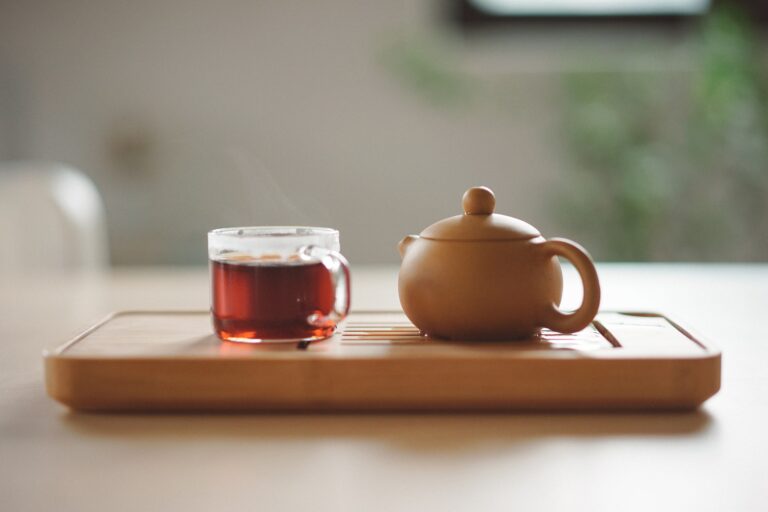
Did you know different herbal teas can benefit your health? Well, if you did not know, you do now! Besides being a multi-seasonal beverage, tea is an herb that can actually improve your health.

Being healthy is vital when looking for insurance that pays out a substantial amount of money like term life insurance does. Drinking tea can help you reach optimal health without exerting much energy and therefore allow you to get a higher life insurance policy.

Research studies conclude that people who drank tea were not as likely to grow certain cardiovascular diseases or pass away prematurely from various causes, like a stroke or heart attack. The benefits of tea surpass the minimal pleasure of drinking something tasty. 

Various herbs of tea, like green tea, can combat inflammation, diminish stress, and enhance your energy. Understanding how and why certain teas provide these benefits can help you make the best decision for your own health when venturing into the world of tea-drinking.

#1: Tea Includes Antioxidants

When you drink tea — primarily black, green, and hibiscus tea — you are consuming high levels of antioxidants. These antioxidants work together to keep the inside of your body clean and healthy. Antioxidants also help to reduce the risk of diseases and cancer.  

Antioxidants are crucial to the body because they protect your cells from being attacked by the free radicals that develop cancer or heart diseases. The free radicals are molecules created when the body breaks down food. They also appear when exposed to radiation or tobacco.

Though black, green, and hibiscus tea are filled with plentiful antioxidants, white tea has the highest concentration of antioxidants. The reason for this is because it is not processed as much as the others. 

#2: Tea Has Less Caffeine than Coffee

Like many other people in the world, I am an avid coffee lover. However, after learning how caffeine works, I decreased my intake of it and substituted my morning beverage with tea. With absorption and metabolism of calcium, caffeine can contribute to bone thinning, also called osteoporosis. Similarly, if you consume too much, caffeine may also cause your muscles to twitch or feel sore when experiencing caffeine withdrawal.

Tea does have caffeine in it, but it is far less than a cup of coffee. In terms of caffeine, drinking two cups of tea is equivalent to drinking one cup of coffee. Alternatively, herbal blends of tea have no caffeine in them, so consuming too much caffeine is not even a concern in these instances.

#3: Tea Helps to Reduce the Risk of Heart Attack and Stroke

When comparing tea to coffee, it is essential to note that the risk of a heart attack or stroke is reduced when a particular tea is consumed regularly. Tea has anti-inflammatory properties that help to soothe swollen tissue in the arteries. Inflammation increases the risk of blood flow restriction and clotting. 

Green tea is the best tea to consume if you are looking to achieve these benefits. Drinking four or more cups of green tea can potentially reduce the risk of a heart attack by 35 percent and can lower your LDL cholesterol levels. Alternatively, drinking one cup of matcha tea is equivalent to drinking four cups of green tea.

The only downside to drinking this much tea in a day is the constant need to use the bathroom. If you can handle having to take multiple trips to the bathroom each day, you will see your swollen joints and arteries soothe and your risk of diseased heart decline. 

#4: Tea Can Assist with Weight Loss

Drinking tea can be a way to prioritize both your mental health and physical health because it boosts your energy and helps aid in weight loss. Having high energy keeps you mentally focused throughout the day, and being physically fit benefits all other aspects of one’s life.

Unlike how the caffeine in coffee keeps people energized, the amino acids (or L-theanine) found in tea give people a boost when drinking green tea. Amino acids slow the absorption of caffeine, so people are able to enjoy their surge of energy longer. 

That means that after a long day of working at your job, you can still have some energy to squeeze in a quick work-out.

While there are claims of how drinking coffee can aid weight loss, drinking tea has also been proven to help. Just as the amino acids in green tea help extend one’s energy boost, it signals the body to burn stored fat which in turn helps you lose pounds.. 

#5: Tea Can Help Keep Bones Strong

Though not all types of teas can help keep bones strong, certain strains do. A native plant to South Asia, Moringa, is one of those forms of tea. Moringa is known for being a mainstream superfood and for its medicinal uses. 

The reason this tea is claimed to support healthy bones is that it contains more calcium than milk. It also contains iron and Vitamin A and K, which are essential for keeping your bones healthy and firm.

 #6: Tea Can Help Strengthen Your Immune System

With its antibacterial, anti-fungal, and anti-inflammatory properties, tea is bound to tune up your immune cells so they can do their job well and faster than usual. 

On a more controversial note, there are some who argue that drinking tea could even help with battling cancer. With the anti- properties listed above, amino acids, and its ability to encourage cell rejuvenation, it is assumed to be beneficial for those fighting cancer. 

The research on the matter is diverse, so more research and studies need to be conducted to determine if this is factual or not. However, it would not hurt to increase your tea consumption to be on the safe side.

Drinking Tea Offers Something for Everyone

No matter which tea you prefer to drink, there is some flavor that is ideal for your taste and lifestyle, and it will provide you with some health benefits. Like anything you put into your body, remember to research any new herbal teas before adding it to your diet.

As you can see, the potential health benefits of drinking tea are almost limitless.

What Really is The Harm From Processed Foods

0

We have all been there, we’ve opened that bag of chips (or insert other processed food), we smell it. 

It may bring back smells from your childhood, you may have had a bad day, and that smell is just making you happy. And then you taste it, and immediately you need more and more. Before you’ve noticed, you finished the whole bag, and you realize both physically and mentally, you do not feel that great.

You feel bloated, sluggish, maybe even a little foggy in your mind, and let us not even discuss the feelings of guilt after consuming an entire bag of chips. Why?!!

Why is it that most of us can not finish an entire chicken or a ridiculous amount of vegetables? Still, when it comes to processed food, it is as though we have a bottomless stomach? What effect does processed food have both on our brains and on our bodies?

Eating too much-processed foods, as in most packaged food, has a negative effect on our physical and mental well-being.

Physical effects:

Currently, America is going through an epidemic, one of obesity, as in at least 40% of Americans ages twenty-plus are obese. The root of this lies in the American diet, which is full of processed foods. Without getting super technical, certain types of sugar found in processed food cause inflammation in our cells and lead us to gain weight.

Looking into the future, weight gain in the form of obesity and inflamed cells can cause diabetes, chronic diseases like cancer, and an increased rate of heart disease. On a day-to-day level, processed food causes issues in our digestive system that can make us feel bloated, gassy, constipated, and low energy.

Moreover, processed food can feed on the preexisting yeast that lives in our body, thereby creating fungal infections. So, in a nutshell, processed food causes a myriad of both short-term and long-term problems. Instead, we need to eat foods that fuel us, which give us the nutrients our bodies need to live longer and healthier lives.

Currently, there are thousands of diets out there focusing on losing weight through eliminating or adding certain foods, but at baseline, almost all of these diets have two common factors, more fruits and vegetables, as in WHOLE foods, and less or no processed foods.

Mental effects:

As mentioned, processed foods do not only affect our physical well-being but our mental health as well. Think about what happens when you take the first bite of a chip, you immediately feel good, and your brain is telling you it wants more. Why does that happen? Again that does not happen with other foods. The sugar in processed food affects the serotonin levels in your brain.

Just like opiates and other drugs, sugar gives you a little bit of dopamine, the feel-good chemical in your brain. Of course, you want more of that! When you eat processed foods for a brief period, you actually do feel better.

In fact, when dopamine is released into the brain, it stimulates the brain to want more of it. Therefore, a cycle occurs of our brain telling us to seek out these processed foods and us overeating. This repetitive behavior can even lead to food addiction.

In addition to this addictive behavior surrounding processed foods, these foods cause us to feel tired, agitated, moody, and sometimes even foggy. Ever hear of sugar crashes? That’s exactly due to the increase in the sugar followed by a quick decrease of sugar in our bloodstreams, and leaves us tired and wanting more sugar.

In a nutshell, aside from tasting good, processed food has no added benefit to our bodies’ physical and mental well-being. But how do we turn words into actions? Especially when processed foods are so readily available and inexpensive.

Start experimenting with whole foods. Think of the flavor or texture you love in a portion of processed food, perhaps crispiness, and start applying it to whole foods like making crispy roasted vegetables. Take a visit to your local health food store or whole foods and start thinking of swapping out some of the processed foods in your house with foods from these places.

Moreover, think about your cravings; add in more sweet vegetables like sweet potatoes, squash, and carrots to counter your sugar cravings. In general, taking processed food out of your life is challenging, so think about changing your mindset; think about what you can add to your life to live a healthier lifestyle rather than what you are taking out.

The Tenacity of the Tongue: 10 Tips To Tactfully Speak Up in the Workplace

The mighty tongue has been responsible for igniting wars, bringing peace, and dividing families. But how much of this was not due to words but tone? Most, if not all, of us, have been misunderstood at some point. What we said and what we meant somehow didn’t quite connect. It was the tone, the volume, or the emotion.

Tonality accounts for approximately 38% of communication, according to studies. So how do we speak up in the workplace without being, or should I say sounding, offensive? The tongue is sharper than any two-edged sword. But here are 10 tips to at least help you tame the tone at the workplace. 

1. Smile

Something as simple as a smile can make all the difference. You can hear and feel it even through the phone lines. Try it sometimes! Smiling will not only affect the tone of your voice but your emotional state as well. And if that’s not enough, there are numerous added benefits such as boosting the immune system, relieving stress, and lowering your blood pressure. So, speak with a smile!

2. Clear the clutter

If you are feeling offended, you will most likely sound offensive. Past hurts or disagreements can subconsciously color your tone and sabotage your efforts. Oftentimes anger has been brewing for years and seeps out in daily conversations and interactions. Dr. Bessel Van Der Kolk talks about the effects of trauma on the brain, mind, and body in “The Body Keeps the Score.” Clearing the clutter will not only clear your tone, but it is likely to improve your health and longevity.

3. Speak from the heart

Now that you have gotten support and cleared the clutter, simply speak from a place of integrity and sincerity. Go within before you let it come out. In other words, be sure your heart and mind open before your mouth. This will earn you the respect of both the boss and your peers. And before long, others will be asking for your opinion.

4. Believe you add value

Consider what your contribution is to the company and how you have and will continue to add value. If it’s just a job and you hate Mondays and live for Fridays, you may not feel speaking up makes a difference. Start believing in what you have to offer. 

5. Come from a place of service

This ties closely with #4. Not only believing in your value but coming from a place of service changes the energy. It goes from “listen to me. I know something you don’t,” to “I am here to help, and I have a suggestion.” Begin each day with the question: Who can I serve? It is next to impossible to sound offensive while coming from a place of service. However, as with many of the other tips, it involves a mindset shift. 

6. Lower your volume

This does not mean drop your head/shoulders or lower your level of confidence. It simply means a loud, boisterous voice has a tendency to sound more offensive than a lower one that is still steady and confident. You might even speak a little louder initially and lower your volume once you have the floor. Keep in mind there’s no need to permanently alter your personality. Simply make some minor adjustments to achieve your desired result. Just use your “inside” voice ☺.

7. Practice

“How do you get to Carnegie Hall?” “Practice, practice, practice.” You know the joke, but it’s true. So, I ask – Is it important to you? If it is and you’d like to remain employed and add value, practice. Pull aside a few coworkers, family members, or friends and practice. Do a little role-playing. Perhaps you have sounded offensive for years, and no one has had the guts to tell you. Practice and ask for open, honest feedback.

8. Record & Review

It was quite surprising for me to hear my voice on a message I left for a friend years ago. I did not realize I sounded like that. I would encourage you to record your voice and listen to it. I know you’ve been listening to it for years, but I promise it sounds a little different when it is recorded. Give it a try. You, too, might be surprised. 

9. Ask for input

The best way to resolve a concern is to address it upfront. Perhaps this ought to be #1. In Dale Carnegie’s book, “How to Stop Worrying and Start Living,” he talks about confronting obstacles head-on. If you are criticized for sounding offensive, ask for input. State that you are making an effort to improve and would like assistance in that area. 

10. Don’t give up!

YOUR VOICE MATTERS! As with anything worth having, it may take some time. Be gentle with yourself, and don’t give up. If sounding offensive is the perception of one person, it might be his/her issue and not yours. Continue to look for opportunities to try out your voice. Start small and observe the reactions. Your voice is valuable—USE IT!

How Procrastination Makes Time Management Ineffective

Procrastination is the ultimate time vampire. We are all guilty of it at some point or another; (hello Netlfix, goodbye 7 hours of your life!). Some of us learn to develop greater awareness of our procrastination habits. For many others, however, procrastination is killing their productivity and, in turn, makes their overall time management wildly ineffective.

Below are the 5 most common side effects of Procrastination and its potential impact on not just your time management but also your life.

1. You lose your most valuable currency:

Yes, you read that correctly, not the Benjamins but time. The one common denominator for us all is the 24 hours of the day that you get regardless of wealth, social class, or celebrity status. There is a reason the phrase ‘you get the same hours in the day as Beyonce’ became a thing, however annoying as it may be to hear. That reason is the level playing field we all have is time. Time is and always will be your most valuable currency, and how you spend it can be costly. Ask any new parent, and the first thing they will tell you is, ‘I don’t know what I used to do with all my time!’. This revelation happens for many of us the busier your life becomes. The challenge is we are now busier than ever before between work and kids and the in-between, we lose even more of our precious time through Procrastination, time that, quite frankly, we just don’t have to lose. 

2. It lowers your self-confidence:

Yes, Procrastination can actually lower your self-confidence. This is because self-confidence is both built and lost in honoring the commitments that we make to ourselves. This includes where we spend our time. How many of us have made a goal such as a new workout regime or improved eating habits and stuck to it for a few weeks. The impact of showing up for ourselves means we then begin to feel our confidence improve as we continue to honor our commitments.

Many of us, however, have also experienced the shame and loss of confidence that comes with failing to honor our commitments; hello, one weekend of pizza eating and falling off said diet and losing all momentum in your new regime. The reason this knocks our confidence is that we train our subconscious mind to believe that we don’t honor commitments that we make to ourselves, and this makes us less likely to actually believe that we can achieve our goals, which is an integral part of the goal-setting process and the results we get. 

3. It impacts your certainty and belief around your goals: 

Yes, piggybacking off point number 2, when we procrastinate on taking action on our goals, we undermine the most important factor of creating forward momentum on achieving our goals: certainty and belief. Certainty and belief is created through tapping into our potential, taking action, and seeing results. Procrastination is the killer of both tapping into our potential but, most importantly, taking action on our goals, which means we see no results and fail to increase our certainty and belief that our goals are even possible. Every time you procrastinate in taking action on your goals, you are removing the certainty and belief that those goals are even possible for you, and so the cycle continues. 

4. You negatively impact your overall health and wellbeing:

Yes, it is not just the impact on your overall time management that you need to be concerned with when it comes to time management. Medical News Today links the effects of Procrastination on our mental health as increased stress and anxiety and lower levels of overall well being. In fact, many of those who struggle with Procrastination also see a decrease in overall happiness and an increase in feelings of overwhelm and fear. There are even studies that link the most common forms of Procrastination (Netlfix and social media bingeing) to poorer sleep quality, more fatigue, and increased insomnia. 

5. You lose out on the fun:

It is not just your time, goals, and deadlines that you risk losing with Procrastination, but also the opportunity for fun and connection. Instead, you waste your limited ‘downtime’ feeling anxious and overwhelmed at the fact you have procrastinated. Losing yet more time to the consequences of procrastinating, to begin with. Fun and connection are integral parts of our overall productivity, and without these, our overall results suffer. In fact, a study at Warwick University showed that people are 12% more productive when they are happy. Nothing is more motivating than when we feel happy, and nothing kills the emotion of happiness quicker than the emotions of fear and anxiety. 

So how do you combat Procrastination and stay motivated? Well, the first place to start is in bringing awareness to where and why you are procrastinating. Once you bring awareness to how much of your time you are spending on Procrastination, you begin to see patterns in the tasks that induce Procrastination. Often they are the biggest tasks that have the biggest consequences. This can often be due to an underlying fear such as rejection or failure (if you have ever had to do sales calls or present to a board room, you will know these feelings well). 

Once you identify your procrastination ‘triggers,’ you can begin to create structure around your day and implement the needed mindset shifts that it takes to stay productive. These include time management tools like ‘Eating the Frog,’ i.e., doing your biggest needle-moving tasks and activities first thing in the morning, when you have the most discipline and motivation. Another great time management tool is time blocking. This is whereby you block out 30 or 60-minute blocks to complete tasks whilst removing all distractions (bye-bye phone and email notifications).

Changing your thinking is another fundamental part of avoiding Procrastination, which makes creating new habits such as affirmations like ‘I am productive’ and ‘ I take action on my goals’ alongside other habits such as journaling and meditation. These amplified over time and coupled with the time management tools mentioned above can increase your overall action taking, ensuring you honor your commitments to yourself and increasing that ever-important bucket of certainty and belief.

Lastly, have some compassion for yourself; you are human, you will have ebbs and flows in productivity and momentum, and when you fall off, rather than punishing yourself and entering the inevitable shame cycle, focus instead on the speed of your rebound. That is ultimately where results and success are lost or found. 

So, what will you be taking action on Today? 

Muscle Strength Vs. Muscle Endurance: The Beginner’s Guide to Getting Fit

0

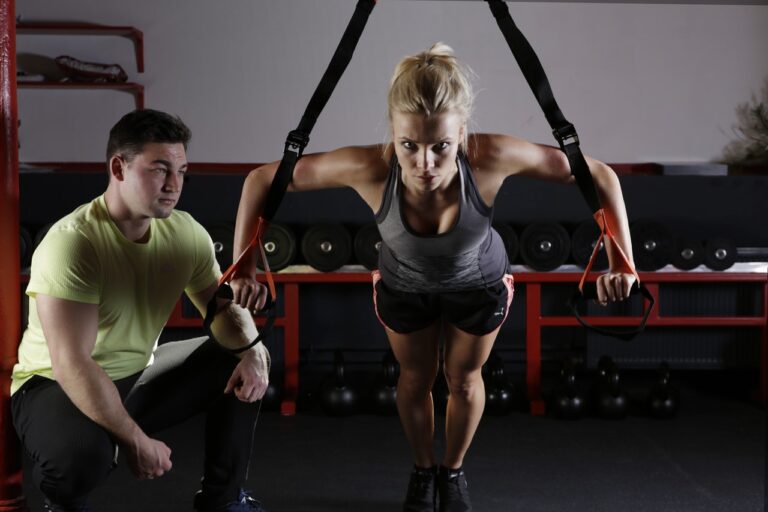
Building muscle strength takes an entirely different approach than building muscle endurance. Yes, there is a difference between these two types of training. Still, everyone needs muscle strength and muscle endurance training for a well-balanced muscular system and a high-functioning metabolism.

Muscular strength is the amount of force you can put out or the amount of weight you can lift.

And, muscular endurance is how many times you can move that weight without getting exhausted.

Muscle Strength

Muscular strength is how hard your muscle can perform. A very popular way to test muscular strength is the one-rep max. To do this test, you will lift as much weight as you can during a given exercise (squats, chest press, and deadlift are common choices) for one rep only.

Muscle-strengthening resistance training has many benefits; one of them is fighting osteoporosis. Resistance training counters bone loss prevents injury, and can even reduce cancer risks. Plus, the more muscle in your body, the better. Muscle helps the body to burn more calories throughout the day and boost metabolism.

Muscle strength workouts include heavy weight lifting, fewer repetitions, with long breaks:

  • Squatting 80% of body weight
  • 5 sets of 5 repetitions
  • 3-5-minute break

Types of Strengths:

When weight training to build strength, it is important to know the different types of strengths in order to better understand your training methods.

What is Absolute Strength?

Absolute strength is the maximal strength of a muscle or a group of muscles in a given movement. This equals the highest external resistance a person can hold with their own mobilization. In layman’s terms, it is the absolute most weight you can lift for one repetition. In more simple terms, it is a one-repetition max.

What is Relative Strength?

Relative strength is the amount of weight an individual can move in comparison to their body weight; it is the amount of body size, or how strong someone is compared to their body size. This is a reflection of a person’s ability to control or move their body through space. This is a principal feature in athletes.

Smaller individuals tend to have higher relative strength. Such people will apply greater relative forces into the ground making for great sprinters. An example of relative strength is gymnastics. Movements from this sport require the athlete’s bodyweight. Those with higher levels of relative strength are less fatigued and capable of moving bodyweight through space.

What is the Power of Explosive Strength?

Explosive strength is the speed at which you can use your strength—the ability to exert maximal force in minimal time. Heavy loading, along with high-speed movements for a few repetitions, allows for longer rest periods between each set. To develop this skill, you must raise your absolute strength. The majority of the training combines maximum effort exercises that increase the strength potential of the muscles. Training with light-weight will improve speed.

Muscle Endurance

Muscle endurance is the ability of the body to work for an extended amount of time. The Muscle endurance depends on the longest time that you can lift weights, i.e., continuous biceps curls or run, the more muscular endurance you have. Muscular endurance necessitates muscles to perform repetitive contractions against a force for a prolonged period of time: the greater your muscular endurance, the higher number of repetitions you can complete.

Although the same muscles are used for both muscular strength and muscular endurance, different muscle fibers are executed. For a short burst of energy-requiring much power and strength, fast-twitch muscle fibers are recruited. For long-duration activities such as long-distance running, slow-twitch muscle fibers are executed. Slow-twitch muscle fibers improve the ability of your muscles to use oxygen, which helps you to work before feeling weary.

Muscle endurance workouts include lighter weight lifting, more repetitions, and short breaks:

  • Squatting 30-50% of body weight
  • 5 sets of 20 repetitions
  • 1-1.5-minute break

Do you need muscular endurance?

By building muscular endurance, you will be able to perform physical tasks for a longer period. While strength allows you to lift a force, endurance allows you to continue doing this over time. Muscular endurance will allow you to have improved posture, fewer injuries, reduced fatigue during exercise, increased metabolism, trunk muscles strengthened, enhanced sports performance, and refined training techniques.

Long-distance running is a sport that requires muscular endurance. A runner performs the same movement and stride for miles over a long course of time. You do not need to be a long-distance runner to improve your muscular endurance. Completing a set of push-ups until failure, with good form, will help muscular endurance. Other helpful exercises to develop muscle endurance include:

  • Bodyweight squats
  • Push-ups
  • Planks
  • Walking lunges
  • Sit-ups

Simple every day habits can contribute to muscular endurance and overall fitness. These include:

  • Skip the elevator. Take the stairs. If you are healthy enough, do it!
  • Invest in a standing desk. Standing burns more calories than sitting. Also, as stated previously, posture improves, and a standing desk encourages a more active work environment.
  • Walk to work. If this is not possible, walk to get lunch instead of driving. Those extra steps will add up over time. This habit is especially important if your line of work requires you to sit for a protracted time.

Attachment Styles and How They Impact Our Romantic Relationships

0

The relationships we had with our caregivers laid the foundation for how we view ourselves, our understanding of the world, and how we relate to others. The British psychiatrist and psychoanalyst John Bowlby discovered that the types of attachments we have with others is often determined by how we were emotionally tended to and comforted by our primary caregiver. In other words, the attachment formed with our main caretaker is instrumental in our feelings of safety and security as adults.

What role attachment styles play in a relationship?

Attachment styles play a crucial role in how we respond to conflicts, our wants and needs within a relationship, and why things may trigger us and/or our partners. Understanding these styles can give us better insight into ourselves and our partners (past and present). 

The first three attachment styles are a result of an insecure attachment with the primary caregiver. When a child grows up and feels that their needs and feelings were not attuned to either entirely or inconsistently, this causes the child to feel a lack of stability and security in relationships with others. 

a. Anxious attachment

A person with an anxious attachment is someone who has an overactive nervous system. They are very aware of their partner’s emotional state, and any changes can activate their nervous system. They might have issues communicating their wants and needs and usually have a deep fear of abandonment. People with this type of attachment are often insecure and rely on the support of their partner to feel safe. If their needs are not met, or they feel their partner is not giving them the support needed, this causes an increased desire to reach out to their partner. This can come across as “clingy” or “needy.” 

b. Dismissive-avoidant attachment

The dismissive-avoidant attachment is, in many ways, the opposite of an anxious attachment. Instead of being anxious and relying on others due to the lack of comfort and support in their upbringing, they learn to be very self-sufficient and independent. They do not give or rely on emotional support in relationships. This translates into relationships where the person hides or isn’t in touch with their feelings and isn’t attuned to the needs of their partner. They will often have communication issues as a result.

c. Disorganized/fearful-avoidant

The disorganized/fearful-avoidant is the combination of the avoidant and anxious attachment styles. People with this attachment style are fearful of rejection. They want to have relationships with others but often have intimacy and trust issues. Despite craving love, they have trouble letting their guard down. As a result, they will have high anxiety in relationships.  

d. Secure attachments

People with secure attachments had caregivers that were attuned to their needs growing up were provided comfort and support and grew up in a stable, loving environment. A secure attachment is an attachment where the person feels safe and confident in themselves and in their relationships with others. Those with a secure attachment are grounded, trust easily, and communicate any concerns with ease. They also provide their partner with support and comfort.

You might associate yourself with one or more of these attachment styles. For example, you can be mostly secure but recognize you have some anxious or avoidant behaviors. Furthermore, the way we relate to our partner and the way our partner relates to us in different situations can cause a variation in our attachment styles.

A person with an anxious or avoidant attachment style can develop a secure attachment in a relationship with someone who can provide support and security. In other words, a partner with a secure attachment can help their partner have a more secure attachment.  

Alternatively, a person with a secure attachment style can become anxious or avoidant. This can be due to trauma or sustaining a relationship with someone who has an insecure attachment and does not adapt their attachment style.

I had an anxious attachment style due to a narcissistic, abusive mother. I desperately wanted her love and comfort, and I grew up feeling unsafe and lacking security. This translated into relationships where I relied on my partner to feel safe and secure, and I would feel abandoned and neglected if I felt my partner wasn’t able to comfort me or provide me with support. Although co-regulation (providing one another with support for emotional regulation) is necessary for a healthy relationship, I was entirely dependent on my partner for my emotional well-being. 

At, last!

In my personal experience, my anxious attachment style and codependent behaviors went hand-in-hand. I relied on my mother’s approval (which I only received by taking care of her and prioritizing her well-being) to feel better about myself. My codependent relationship as a child turned into romantic relationships where I was completely dependent on my partner to give me the sense of comfort and security I was lacking. I felt incredibly anxious when I did not receive that support. Through a lot of work and introspection, I was able to work on my codependent patterns and anxious attachment style to have a healthy, interdependent marriage.

It is possible for all of us to have healthy attachments. It requires awareness and a willingness to turn inward and recognize our unhealthy patterns and triggers. Our attachment styles should be viewed as a roadmap for growth, kindness, understanding, and compassion for ourselves and one another. We cannot change our upbringing, but we can change our present and future.

How to Ease a Bloated Belly

0

One morning, I woke up feeling like I was ten pounds heavier. The idea of putting on leggings or anything tight was horrific. And the last thing I wanted to do was move my body.

Yes, I did indulge the night before with take-out Thai food and red wine, and yes, I was expecting my period later on in the week. But regardless of the reasons behind this bloat, I felt horrible. 

Movement:

While, in general, I try to listen to my body, which would mean staying in bed with some Netflix, this bloat got me feeling pretty icky both physically and mentally as well, and I knew I needed to do something. Putting on both my personal trainer and health coach hats, I laced up my sneakers and went for a walk. With bloat, movement is key, but for me, the kind of movement was essential. I could not engage my abs; I could not pull my belly towards my back; moreover, I couldn’t even feel my core. Also, I felt so heavy and grounded that I knew a run or a HIIT workout would feel way more intense than it would on a regular day, as it felt my body was holding on to a lot more weight. Walking was the perfect method of both moving my body and getting some fresh air, which gave me an emotional boost as well. 

Nutrition:

As soon as I came home, I filled up a large cup with water and fresh lemon juice. Lemon helps with digestion, and water flushes out your system and brings fluid into your colon, allowing you to go to the bathroom a bit easier. Over the course of the day, I tried to finish three liters of water. In addition, one might benefit from adding herbs like peppermint, anise, or fennel to a hot cup of water. There are even specific teas on the market, which address bloat, which one can find online or at their local health food store. 

Additionally, try to increase your fiber, whether from fruits, especially berries, whole grains, vegetables like artichokes and brussels sprouts, and beans. Fiber supports a healthy digestive tract and, therefore, can ease the bloat. 

If none of these suggestions work, I would advise calling your health care professional. It might be time to avoid certain foods like dairy or gluten. Or try an elimination diet taking certain items out of your diet for around three weeks and then slowly adding them in, seeing how your body feels.

Experiment with your body, see what works and what doesn’t work. The more aware we are of how we feel post eating a specific food, the more in tune we can be towards what makes us feel but please remember each individual person reacts differently to the same foods, so what might work for a friend of yours? It might not work for you. 

External Resources:

Other tactics to deal with extended bloat can be acupuncture or even stomach massages. A lymphatic drainage massage targets your digestive system as well, where the masseuse will press and massage your belly in a clockwise motion from your belly button to your pelvic region, thereby assisting digestion. 

Bloating also can be a symptom of Irritable Bowel Syndrome. If symptoms persist, it might be a good time to get an extensive stool workup, where doctors can take a look at your microbiome, the makeup of the microorganisms in the gut, which can tell you a lot about what is going on in your digestive tract. 

Bloating is uncomfortable; it is not a condition to sit in; please know that while everybody is different, there are treatments to ease discomfort. 

Pranayama, The Breathe Work You Need To Try

0

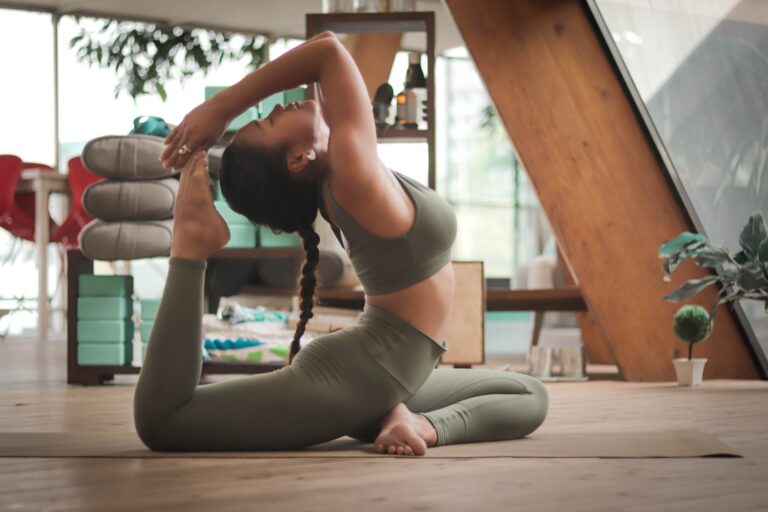
Pranayama is the controlling of breath to achieve specific results in the energetic body.

In Sanskrit, it can be translated as “life force,” which is why it is such a vital piece of a yogi’s practice. Without pranayama, yoga can feel more like a standard exercise regime.

Many yoga postures and flows become just another form of expertise without the breath, and often why yoga is mistaken as nothing but stretching.

However, any practiced yogi will tell you that once you step into your own pranayama—breathwork—practice as you are flowing in yoga, your practice begins to transform as much as you do. 

Why Yoga?

Yoga is known for its healing benefits. But what many misses in yoga is the combination of the movement with the breath. This is why someone doing yoga poses in another type of exercise regime may not have the same benefits if you practice a traditional yoga flow that includes the marrying of the breath to movement.

Something profound happens when you begin to marry the breath to your movement. We often live in our minds in this era of human history. We are forward-thinking, informational heavy, but our bodies have been sorely forgotten and often neglected at the expense of our mental health.

Movement Is Important

If we continue to move through life without including our bodies in our movement, we can become disintegrated. The practice of pranayama is an awareness of our breath, something we cannot live without

It’s for this reason that scientists have recently been studying yoga and its transformational results. When you add more breath into your lungs, it stimulates your vagus nerve, which can help take your system out of “fight or flight” mode into a parasympathetic system of relaxation. 

Can Pranayama Healing You?

Only in pranayama can you find this fascinating combination of movement and breath. Not only that, pranayama’s work has been proven to decrease stress, improve sleep, reduce high blood pressure, improve lung function, and increases brain function. You can find case studies on how it can improve lung function and high blood pressure.

Pranayama’s work helps to decrease stress by moving our body into a more relaxed state, which is what our body also needs to get to sleep every night.

When we engage in constantly stressful activities, even as simple as a dramatic TV show or a heated conversation on social media, our body’s response system that was built to protect us from primal threats turns on. In our day and age, this system is triggered very regularly throughout our days. So much so that most people don’t know how to truly relax or not being a state of fight or flight. When someone steps into the breathwork of yoga, it can be a profound shift like no other. 

Pranayama’s Spiritual Benefits

Taking your body out of fight or flight, pranayama can lead to a more attuned sense of spiritual connection. When our bodies are in flight or flight, like they are so often in the present age of constantly refreshing social media and hour-long news cycles, we can be in a nonstop state of survival mode. Conversely, when our bodies are tapped into our parasympathetic system, we can heal. We can experience deep, meaningful transformation, spiritual transformation. 

For anyone who has practiced meditation, the breathwork can be similar. Pranayama is an essential part of calming your body down to stay focused and tap into your soul in a way that can be quite hard if you’re living out of survival mode. 

Will you give pranayama a try? It’s as simple as a breath in and a breath out.