
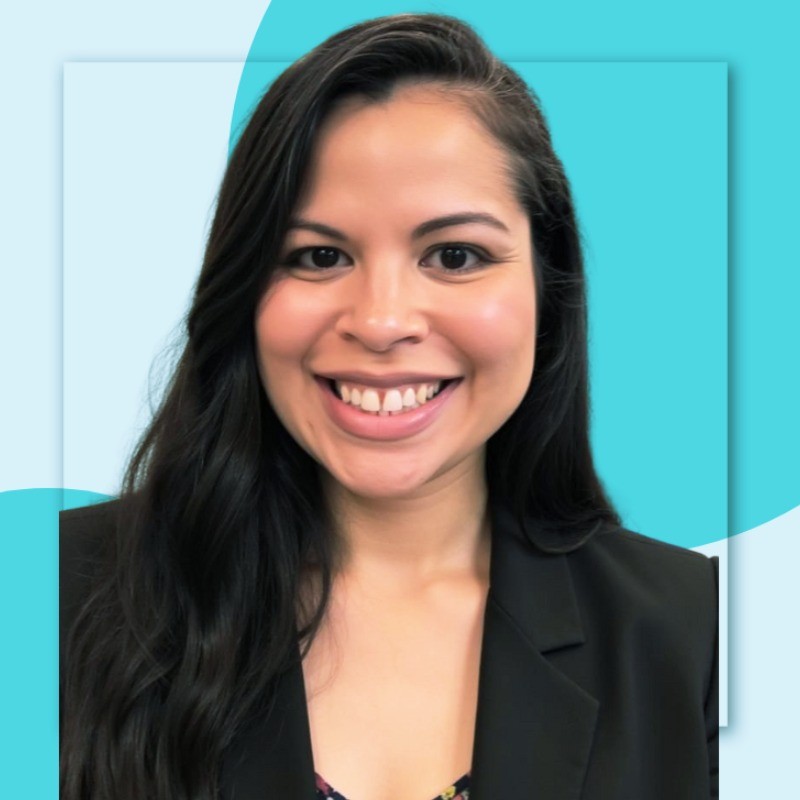
As part of the Morning Lazziness series about empowering women who encourage and do incredible things with their ideas in society, I had the pleasure of interviewing Ana Bello-Elliott.
Ana Bello-Elliott is the founder of Kynd Alchemy, a clean, unscented personal care brand created for people with fragrance sensitivities. With a background in UX research, and a passion for transparency, she’s building thoughtful solutions for overlooked needs—one product at a time.
What inspired you to become an entrepreneur, and what led to the creation of your current venture?
For over a decade, I worked in corporate environments and never saw myself as someone who could take the leap into entrepreneurship. I valued stability, a steady paycheck, and the sense of security that came with a full-time job. Or at least, I thought I did—until I was laid off during parental leave. I didn’t even get a phone call, just an email. That moment was a wake-up call. The security I had clung to was never real.
At the same time, I was deeply burned out. Years in the tech world had taken their toll, and I had grown tired of environments where performance was often rewarded for the wrong reasons. I knew I wanted something different—something meaningful. That’s when I decided to forge my own path and build something that aligned with my values and served a real need.
As a woman in business, what unique challenges have you encountered, and how did you navigate them?
Coming from the tech world, I was no stranger to being a woman in a space dominated by men. I was often funneled into the “less technical” roles, regardless of my interest or potential in more technical areas. It was frustrating—and unfortunately common—to feel like I had to prove myself just to be taken seriously.
Even now as an entrepreneur, I sometimes feel that there’s a particular persona people expect—confident, polished, always ‘on.’ But being a woman in business comes with a different kind of pressure. It can feel like you’re walking a tightrope between being assertive and being likable, being bold and being “too much.” I’ve learned to navigate that by leaning into my own voice and choosing to build a business that reflects my values, not just the typical image of success.
How do you handle the demands of running a business while maintaining your personal well-being and life balance?
It’s definitely a challenge. When I worked a traditional 9–5 in the corporate world, I was very protective of my time outside of work—especially after burning out from long hours earlier in my career. Now that I work for myself, I have more flexibility, which means I can do things like grocery shop during the week or spend more time with my family. But it also means the boundaries between work and rest can blur.
There are days when I have to pause and ask myself, “Am I in the right headspace to do this today?” I try to be mindful of when I need a break or when it’s time to just do something fun. It’s easy to get caught up in wanting to give everything to the business—but I’ve learned that protecting my well-being is part of what keeps the business sustainable.
What networking strategies or communities have helped you build meaningful and valuable professional connections?
Being a founder can be a lonely experience, so I’ve learned to be intentional about finding and nurturing community. I’m part of several groups where entrepreneurs in similar fields can openly share challenges, ideas, and support. Some are specifically for women. That kind of camaraderie is invaluable.
I’ve also gotten more involved in organizing networking events—it pushes me to connect with others in a meaningful way, even when it takes extra effort. I’ve built great relationships by reaching out to other professionals on LinkedIn, often over shared interests or mutual curiosity. I never approach networking with a “what can I get from this?” mindset. I lead with genuine interest, and I try to be helpful where I can. That’s what makes the connections stick.
How do you approach mentorship—both as someone who seeks guidance and as someone who offers it—and how has this shaped your growth as an entrepreneur?
Mentorship is really important to me. I know what it feels like to be on the other side—looking to make a career change, trying to pivot, or just needing someone to talk things through with. Over the years, I’ve informally mentored many people, and it’s always incredibly rewarding to see them succeed and grow in their own paths.
When I started my entrepreneurial journey, I knew I couldn’t do it alone. I sought out mentorship through programs like SBDC and SCORE, and I also leaned on other business owners who were a few steps ahead of me. Those conversations helped me understand what to expect, gave me a clearer sense of my options, and provided a much-needed sounding board. Having that support has shaped how I make decisions and reminded me of the value in passing that support forward.
What strategies have been most effective in acquiring and retaining your customers or clients?
This has honestly been one of the hardest parts of owning a business. You have to wear so many hats—and I had to quickly learn how to handle sales, marketing, and even push through the discomfort of putting myself out there on social media, especially in front of my professional network.
For me, the foundation of building trust with customers is transparency. I believe in setting clear expectations, having honest conversations, and always under-promising and over-delivering. That’s how I’ve built relationships that last.
With my personal care company, Kynd Alchemy, I’m committed to radical transparency—whether it’s about ingredients, sourcing, or what a product actually does. People deserve to know exactly what they’re getting. I believe that when you’re upfront and thoughtful, trust follows—and trust is what keeps customers coming back.
I’m also deeply grounded in customer feedback—it’s one of my core tenets, especially as someone who began her entrepreneurial journey by running a user experience research consultancy. Listening to customers, testing assumptions, and adapting based on real input isn’t just good business—it’s the foundation for making something people actually want.
Which marketing techniques have worked best for your business, and how do you track or evaluate their success?
You really have to find what works for your business. For my consultancy, which is business-to-business, LinkedIn has been essential. I treat my profile almost like a landing page—it’s where potential clients often get their first impression of my work, and it’s been an effective space to build credibility and spark conversations.
With Kynd Alchemy, I’m still in the early stages of figuring out what resonates most. But I know there are passionate, engaged communities of people who are actively seeking fragrance-free and unscented products due to health issues. For them, it’s not just a preference—it’s a non-negotiable. My goal is to meet them where they are, listen closely, and experiment to see what kind of messaging, content, or outreach truly connects.
Success, to me, isn’t just about numbers—it’s about engagement, feedback, and building trust over time.
Can you share a significant setback or obstacle in your entrepreneurial journey and the steps you took to overcome it?
There’s always something. The entrepreneurial journey is full of lessons—and some of them come wrapped in setbacks. In addition to running my consultancy, I started a dropshipping business. I learned a ton—from sales and marketing to sourcing and customer service—but I also realized how incredibly saturated that market is. Over time, I saw that my time and energy would be better spent solving a more tangible, underserved problem.
That realization is what led me to build Kynd Alchemy. As someone with multiple chemical sensitivities, I know firsthand how hard it is to find unscented, truly fragrance-free products that are safe to use. This isn’t just a niche—it’s a real and ongoing challenge for a lot of people. While I don’t regret launching the dropshipping business, it helped me clarify what kind of impact I want to make and the kind of business I want to build.
What’s one key piece of advice you’d give to women just starting their entrepreneurial journey?
Go for it. Don’t let fear be the reason you hold back. You won’t regret making the leap—even if things don’t go as planned, you’ll learn and grow in ways you can’t yet imagine. Just be honest with yourself about what you’re getting into and how much of yourself you can realistically give.
Make a plan for how you’ll sustain yourself, whether that means cutting back on expenses, saving up, or starting something on the side. Be intentional—but don’t wait for perfect conditions. You’ll regret not trying far more than you’ll regret trying.
Define the life you want to live, then work toward it piece by piece. It might feel impossible at times, but there are so many resources, and so many communities of women rooting for you to succeed. You’re not alone in this.
Is there a quote, mantra, or personal philosophy that guides your decision-making as a founder or leader?
A friend once told me, “Fake it till you make it.” I’ll admit—I’m not great at that. Impostor syndrome is real. But what I am good at is diving in, learning as I go, and giving something my full effort. I don’t let not knowing stop me from starting.
My family also keeps me grounded. Becoming a mother gave me a whole new perspective and an incredible amount of courage. Everything I do is with my son and my family in mind—how I can set them up for success, and model what it looks like to take risks for something you believe in.
What Are The 5 Things You Need To Overcome Self-Doubt and Build Confidence?
1. Take a chance on yourself.
You may not believe you have what it takes—but you do. If someone else can do it, why can’t you? That mindset shift is what allowed me to take my first real step into entrepreneurship, even when I didn’t feel 100% ready.
2. Surround yourself with people who believe in you.
I’ve been told more than once that I wouldn’t be good at something—but I kept leaning into the things I felt pulled toward. Belief is contagious—borrow it from others until it becomes your own.
3. Start small and stay consistent.
Self-doubt often comes from feeling overwhelmed by the big picture. But you don’t have to tackle everything at once. Write your idea down. Take one small step every day. You’d be surprised what you can build with consistency.
4. Take care of yourself.
You can’t pour from an empty cup. Therapy, trusted conversations, boundaries, rest—it’s all necessary. You are irreplaceable to the people in your life and to your business.
5. Lead with kindness, even on the hard days.
Reacting with kindness—not out of weakness, but from strength—grounds me. We’re all part of a larger community, and how we show up matters.
You are a person of great influence. If you could inspire a movement that would bring the most amount of good for the greatest number of people, what would that be?
There’s so much good we could do in the world if we had the right systems and support in place for everyone. But if I could inspire one movement, it would be to bring visibility, dignity, and solutions to people living with multiple chemical sensitivities and fragrance allergies.
This community is often overlooked. Products that meet their needs are hard to find, and they’re rarely prioritized in mainstream beauty or wellness spaces. But for those living with fragrance sensitivities, exposure isn’t just unpleasant—it can be the difference between having a functional day or a debilitating one.
It’s a hard thing to explain. It can be isolating, awkward, and misunderstood. I want to change that. I want to bring this issue to light and help create a world where people with sensitivities aren’t an afterthought—but are seen, supported, and respected.
How can our readers further follow your work online?
I’m currently building my online presence for Kynd Alchemy, but in the meantime, you can find my consulting work at Bello Insights Lab.
