
As part of the Morning Lazziness series highlighting empowering women who are making a remarkable impact with their ideas, I had the pleasure of interviewing Juliet Barratt.
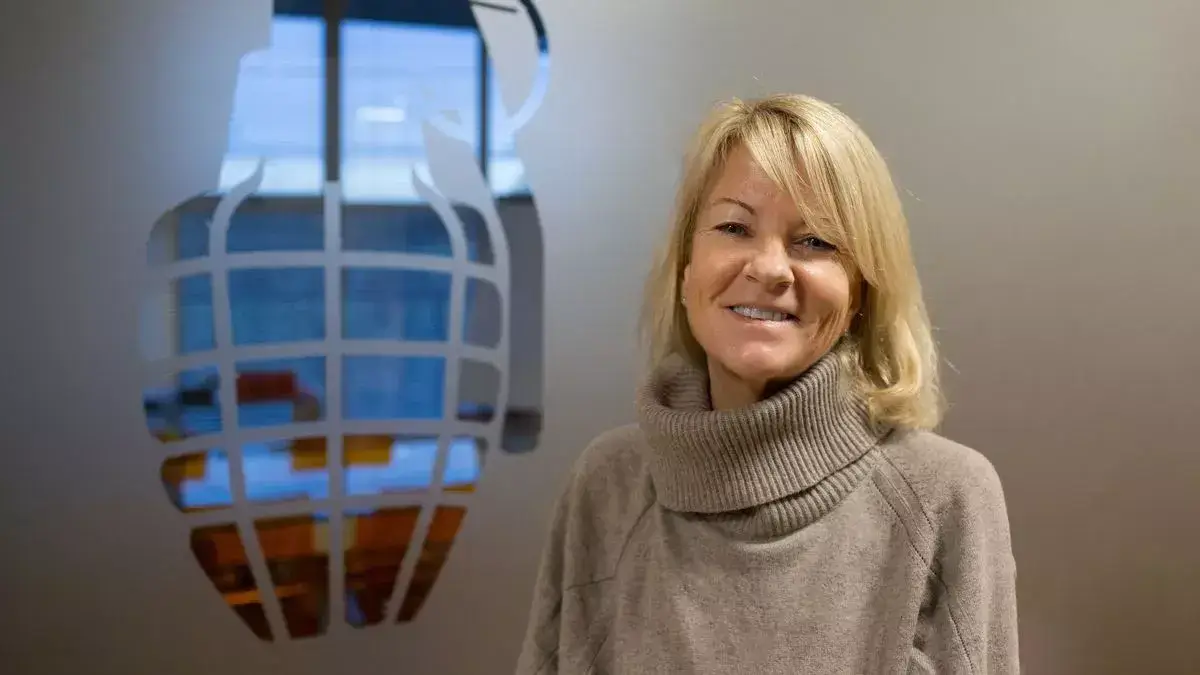
Entrepreneur Juliet Barratt’s story is one of bold vision, persistence, and disruption. A former teacher who swapped lesson plans for business plans, she went on to co-found Grenade, the sports nutrition company that shook up the health and fitness industry.
With Juliet as Chief Marketing Officer, Grenade grew from a kitchen-table idea into a global brand sold in more than 80 countries—culminating in its £200 million acquisition.
Today, Juliet channels her experience into mentoring, investing, and advising the next generation of entrepreneurs, while also serving on the boards of emerging consumer brands.
Recognised as EY Entrepreneur of the Year and named among the UK’s Top 100 Influential People, she brings authenticity, humour, and unfiltered honesty to every stage she steps on.
In this exclusive interview, Juliet shares the lessons behind building a category-defining brand, the importance of culture in scaling a company, and why embracing challenges is the hallmark of entrepreneurial success.
Grenade became a disruptive force in a crowded industry. From your perspective, what does it take for a brand to truly stand out?
I mean the one thing that’s so important – and I’m going to apologise for my language here – is you need to make it really clear to consumers, or your customers, your clients, what you stand for.
Because I think the marketplace is so crowded in any industry, whether it be a consumer product, whether it be a service sector, they need to know why they’re going to use you or why they’re going to buy you.
And I think one of the most successful things about Grenade – and it sounds a bit weird – is that there was always a little bit of Al and I in all of the products. So, our personality, the fact that we, you know, we enjoy ourselves, you know, we take business very seriously, but there was a lot of fun in all of our products.
And the marketing messages were very tongue-in-cheek. We never wanted to offend anybody, but we wanted to have a sense of humour. And I think that’s what got so many customers, consumers on board with Grenade – the fact that they had that emotional connection with the founders and with the brand. They knew not only were the products brilliant, but also, they bought into the brand.
I think that’s so important. I always call it the “X factor.” You need to make it really, really clear what you stand for, because as soon as customers or consumers get confused, they switch off and they’ll go and use somebody else.
I’ve looked at loads of different websites or social media and I’ve thought, what do these people actually do? I don’t know whether they can help me. So, I just think it’s setting your stall out and almost, you know, doing what you say on the tin, so that everybody knows exactly what you stand for. It’s so important.
When we launched Grenade, it was in a very crowded marketplace. There were lots of similar products. There were no magic ingredients – it was all about the look and feel of the product.
Everything was in very generic white tubs. They all had very scientific names, and what we found was that as soon as you stepped outside of the gym or the health club, you didn’t know what they were called, you couldn’t remember.
So, by setting Grenade up in a grenade-shaped container, it didn’t matter what language you spoke or where you were in the world – you knew what that product was called by the look and feel of the container. It stood out on the shelf, it stood out on socials, the website looked great – so it was all about grabbing customers’ or consumers’ attention.
Today’s workforce is more diverse and remote than ever. How can entrepreneurs build strong teams and culture in this new environment?
I think with the world as it is today, with everyone working remotely, one thing that we found with Grenade that really worked was that sense of working together in a team.
We had a really, really tight-knit team and this was a lot easier when the business was smaller. When there were like 10, 15, 20 members of staff we all used to go out together.
But as the business grew and some people worked remotely, trying to keep that team spirit was key. So, Alan and I always used to talk to new starters, so they knew about the Grenade journey.
We always showed an interest in the business and what people did. We organised social events so that all the team got together, and I think that’s so important.
But one of the biggest pieces of advice I think for anybody new starting a business is making sure that the people that you employ have got the right cultural fit. Because I think you can train somebody to do a job, but you can’t change who they are.
Sometimes, you know, different personalities just won’t fit into an organisation and that can have a really disruptive effect on a business.
So, it would just be to employ people that are the right cultural fit, which want to work in the team. And again, it’s finding out what they enjoy doing.
We had members of staff that we employed in one role at the beginning, and actually they loved something completely different, so we moved them onto that role. It’s about keeping great people in the business by finding the right roles for them.”
After selling Grenade for £200 million, many would have stepped back. What drives you to keep chasing new challenges?
Oh, I mean every day is a challenge and I’m one of these people that like to challenge myself. One of the things – I didn’t know whether to start another business, which was my plan, to start a brand. But I didn’t want a “second album.”
There are so many people that jump straight into something else and it’s not as successful as their first business. I feel that I went out on a high with Grenade, which was brilliant. But I challenged myself personally – my fitness goals, I travel a lot, but also, I work with a lot of other food and consumer brands helping them on their growth journey.
That’s great because you get the experiences, you can pass on your advice and watch other brands grow. But then, actually, at the end of the day or the end of the week or the board meeting, you can walk away and do your own things.
I think once you’re one of these people, you can’t sit still. So, I can never settle – I have to be busy.”
When you step on stage to share your journey, what do you hope audiences walk away with?
I’m very honest and down to earth, and I’ll say exactly how it is. A lot of people sugarcoat their business journey and talk about how wonderful it was, and you know, all the highs. Whereas actually there were some really difficult, challenging times that you get through because you’ve got a strong team.
But I’ll always be honest about the complete Grenade experience. As I’ve mentioned before, a lot of this was learned on the job, and we were doing something that people hadn’t done before.
We were bringing a product that was typically a US product into the UK market. We challenged the UK grocery supermarkets; we actually created the category.
So, I would hope that they take away that entrepreneurial spirit and how it was really about rolling your sleeves up and getting stuck in. Very honest.
And also, people tell me I’m quite amusing – whether that’s true or not! So, you know, that sense of humour. Hopefully, it will have been enjoyable and a very real experience for people.”
